Deepgram is acquiring Daily and promises an independent Pipecat foundation
Daily's team is joining Deepgram, while both companies say Pipecat will stay open and vendor-neutral under a foundation being established.
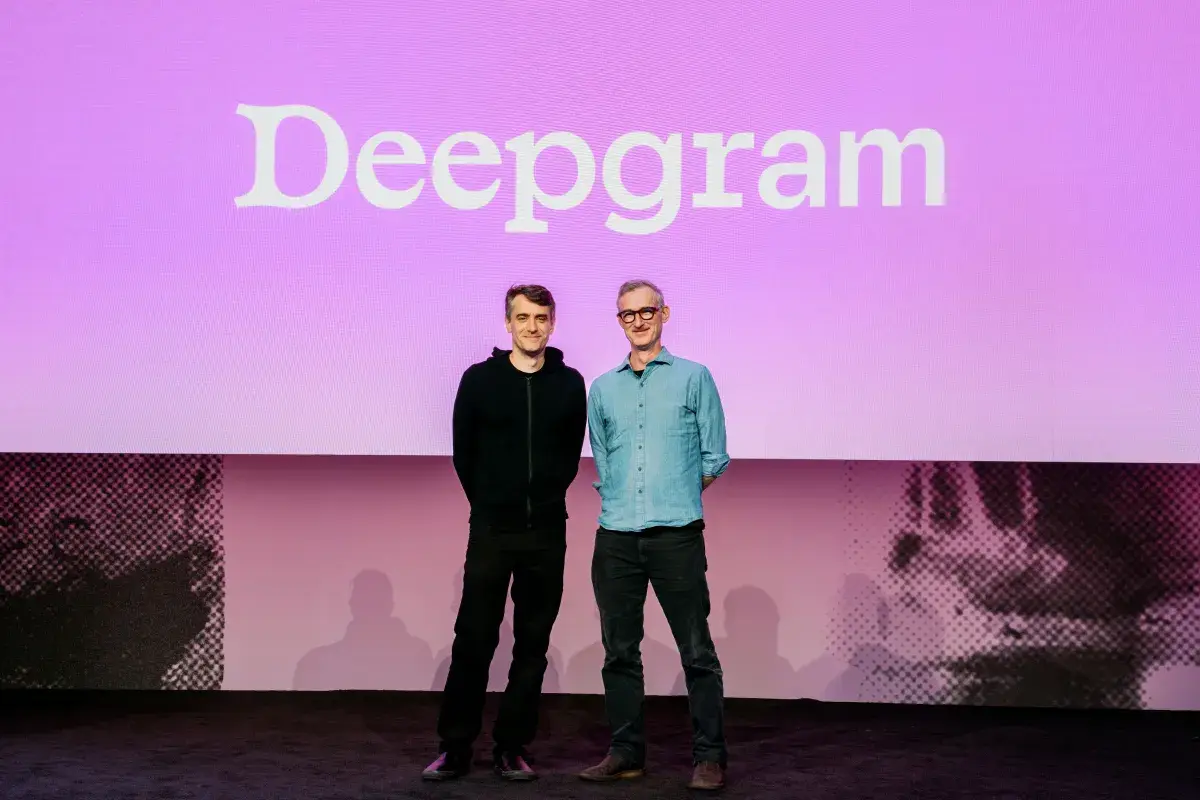
Deepgram says it is acquiring Daily, bringing the team behind Pipecat into its voice AI business while promising an independent home for the open-source framework. The October 29 announcements pair a commercial consolidation with a governance commitment: Pipecat should remain usable with competing model and infrastructure providers.
The companies describe an acquisition arrangement, rather than providing a separate confirmation that legal closing has completed. TechCrunch reports that the deal’s financial terms were not disclosed.
The open-source promise matters to existing voice apps
Pipecat connects speech recognition, language models and speech synthesis with the real-time audio and video infrastructure needed for a conversational application. Its role includes coordinating streams and the interruptions and turn-taking that make voice interactions different from a text chatbot.
Daily says an independent Pipecat Foundation is being established, with a steering committee intended to represent the broader ecosystem, including Deepgram competitors. Deepgram says Pipecat will remain free and open under its existing license and retain vendor-neutral choices of models, tools and networks. Those are announced commitments; the posts do not establish a completed independent governance structure or guarantee future decisions.
For developers already using Daily, the immediate continuity message is concrete: Daily says its existing products will continue to be sold, supported and developed. It also says Deepgram is adopting Pipecat as the core of new voice products. Developers can assess those statements separately from the longer-term foundation plan.
Passing more than a transcript between components
Deepgram also describes RCS as an open metadata protocol for conversational context. Its examples include carrying information that a speaker whispered or that a word was unclear, instructions about how a language model should use those signals, and guidance about how the response should sound. Adapters are intended to translate this information between providers.
That is a proposed way to preserve useful audio context across a modular voice pipeline, not evidence that every provider already supports the protocol. Deepgram’s announcement places its introduction at the October 29 Speak event and describes a forthcoming Voice Agent Platform preview. The preview should not be read as a generally available product release.
The practical question for Pipecat users is now how the promised foundation and provider interoperability take shape as the maintainer team joins a voice AI vendor. The announcement makes that question timely without requiring developers to treat the governance promises as already delivered.
Related reading
MAGAR-Bench opens 1,000 3D assembly challenges for multimodal agents

Nothing's December AI tool has 'no new screen,' Carl Pei says