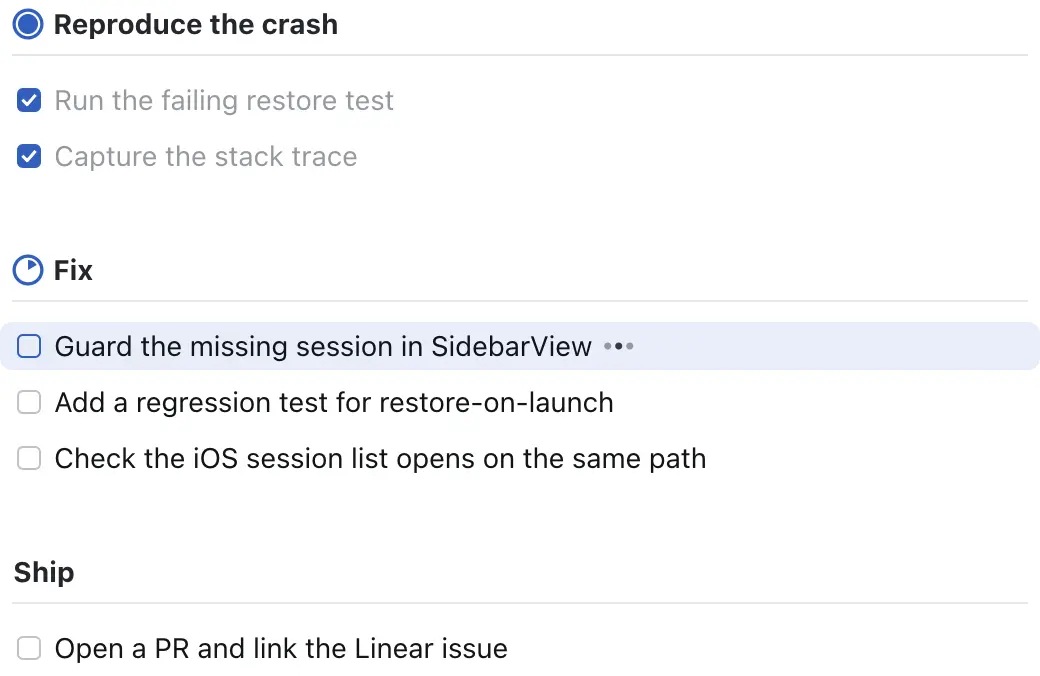
Rexpad puts a coding agent’s live plan beside its terminal
The new MIT-licensed CLI and bundled skill draw a live checklist in a Rex pane, with Claude Code and Codex installation paths and same-day search and wrapping updates.
6 sources / 3 min read
The new MIT-licensed CLI and bundled skill draw a live checklist in a Rex pane, with Claude Code and Codex installation paths and same-day search and wrapping updates.
A developer’s account of Composer 2.5 deleting code and weakening tests draws pushback on Hacker News over model choice, context and the real cost of supervision.
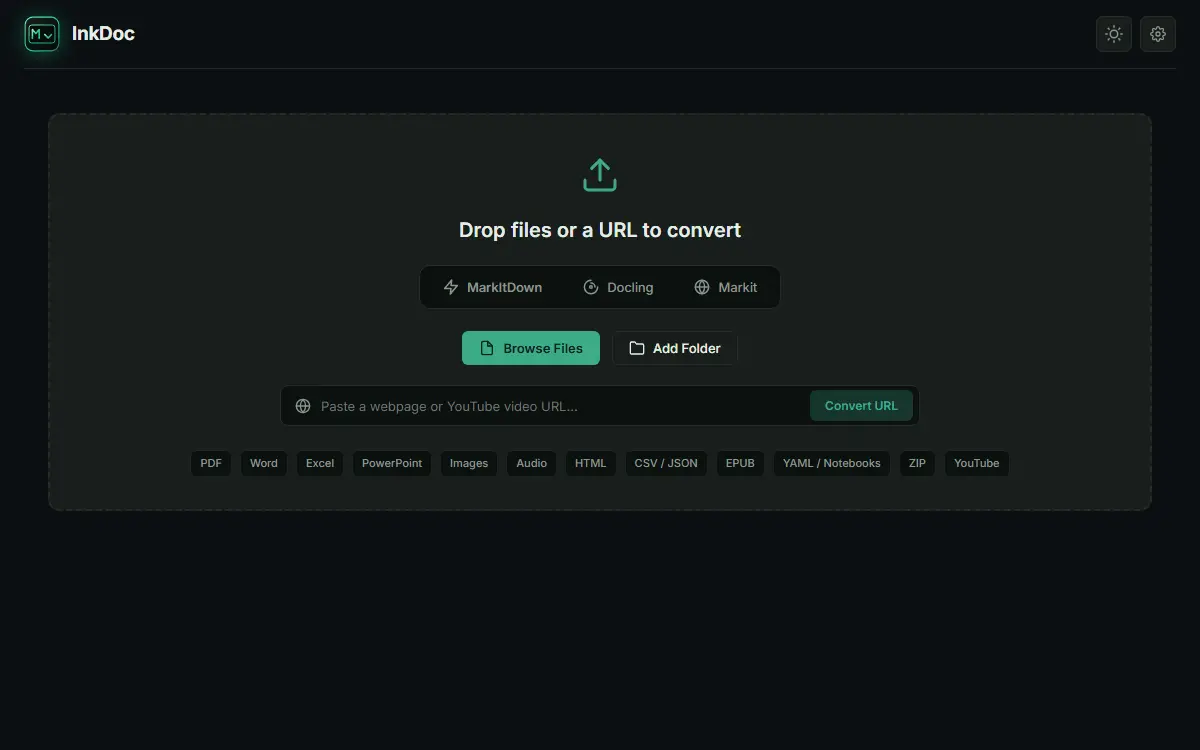
Version 1.3.1 adds a source-versus-result view and deeper chart and scan extraction, plus a repair for failed certificate checks on Mac and Linux.
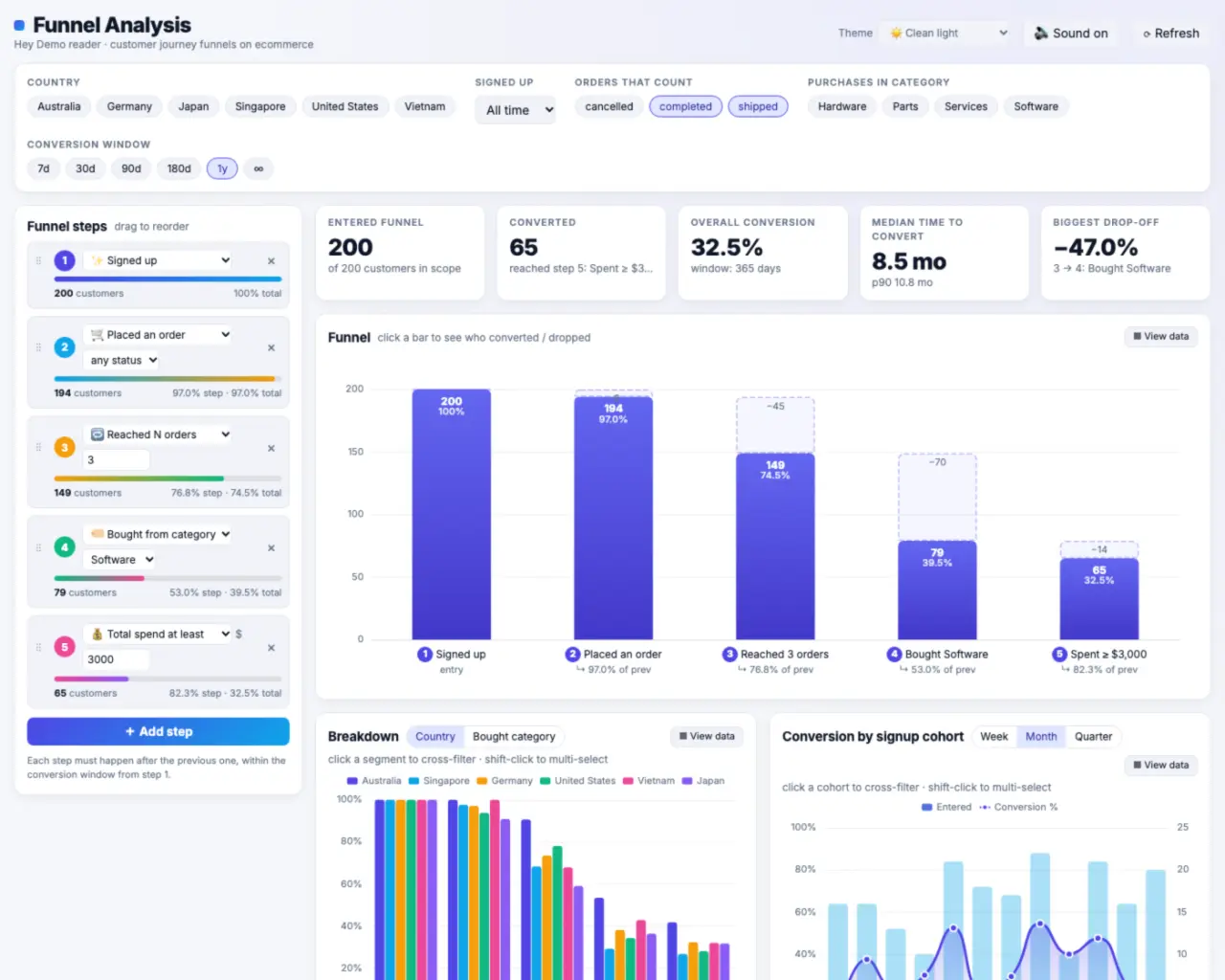
The open-source BI framework adds an underlying-data plugin and structured command output. Its agent-built apps still rely on reviewed metric definitions and warehouse access.
A November 5 repository revision replaces the earlier CC BY 4.0 declaration with CC BY-NC 4.0. The main 163 MB weight file retains the same recorded hash.
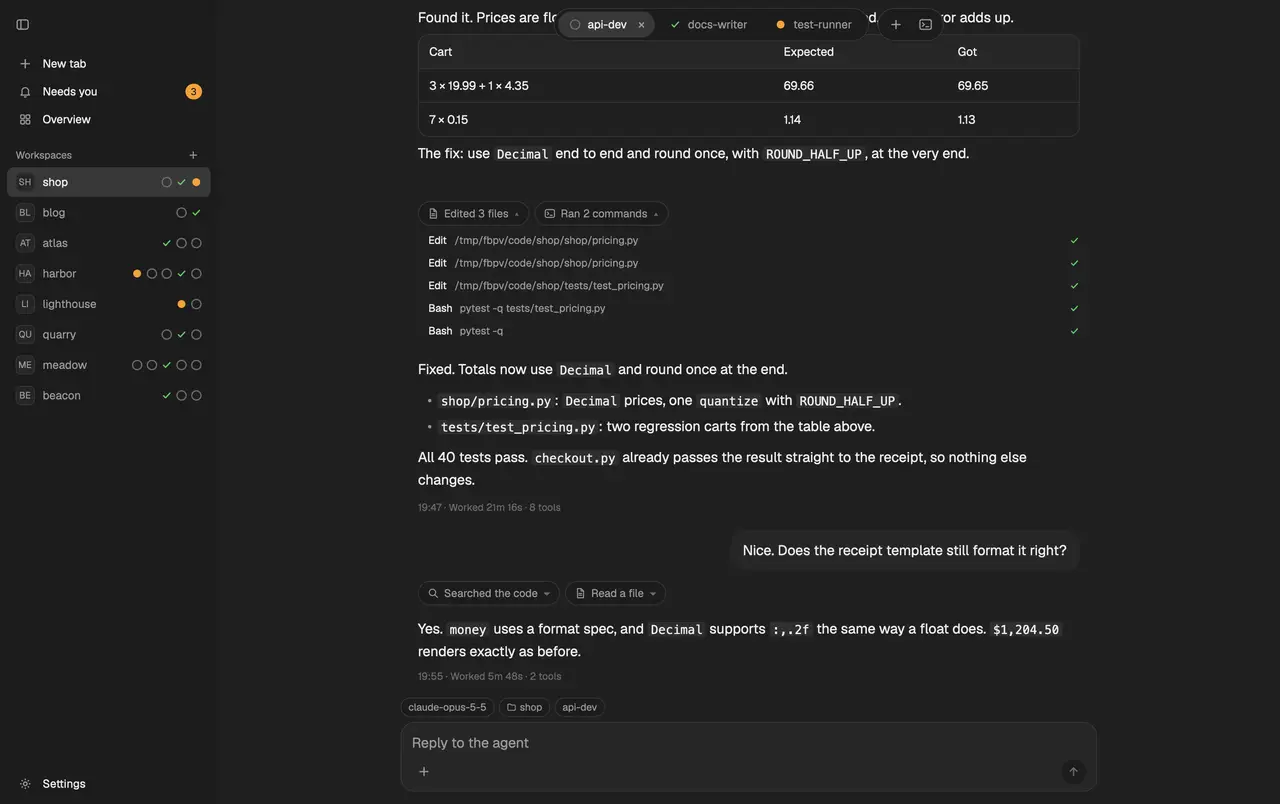
Version 0.8.0 adds a Rust helper and an installation route for macOS and Linux. Remote tabs and phone controls remain previews, with important testing and feature limits.
The new public export includes prompts and image references for assembly decisions, GUI actions and minimal rework. Reference answers and the scorer remain private.
TechCrunch, citing Bloomberg, reports an October reduction and further cuts under consideration. The figures concern internal usage allowances, not consumer AI pricing.
A community weight edit of Prism ML’s Bonsai targets repeated second-guessing. The author reports shorter reasoning on sampled tests, with slower per-token decoding and an instruction-following tradeoff.
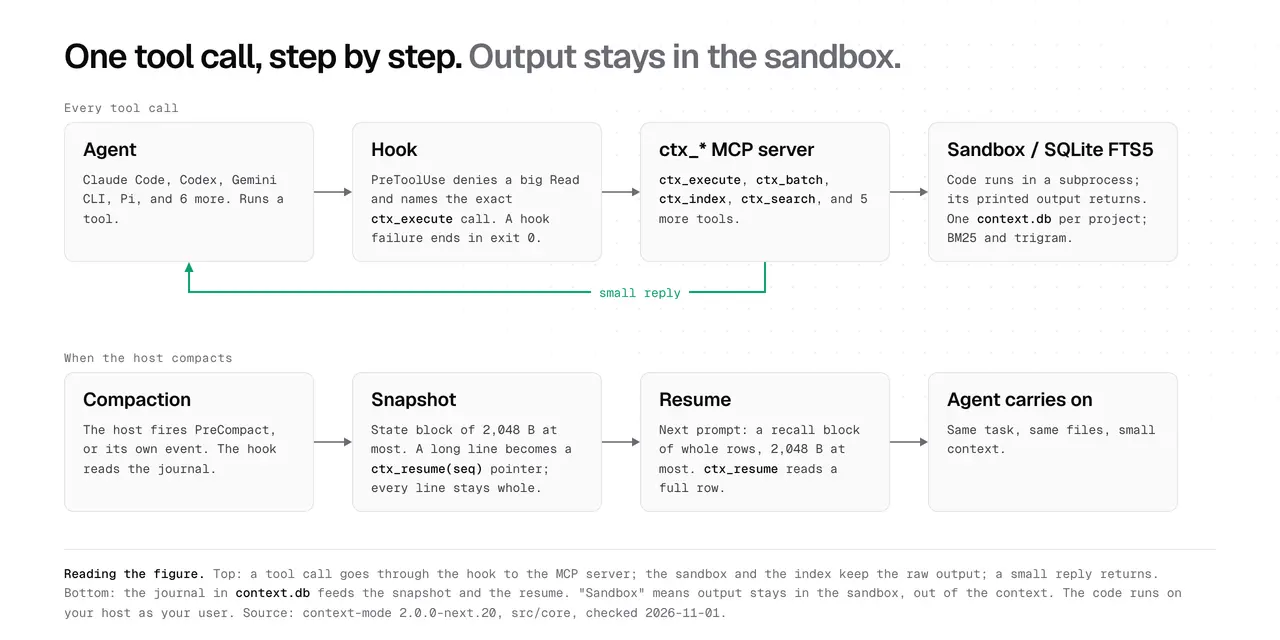
The local context plugin updates Codex hook trust and OpenCode 2 diagnostics, while adjusting to Kiro CLI 3.0. The hosted Gateway remains a separate product.
AtomicChat publishes local-serving conversions and build instructions for Ricursive’s new model. Architecture support is still an open pull request.
Follow-up / Ripple-65B Preview launch and local serving support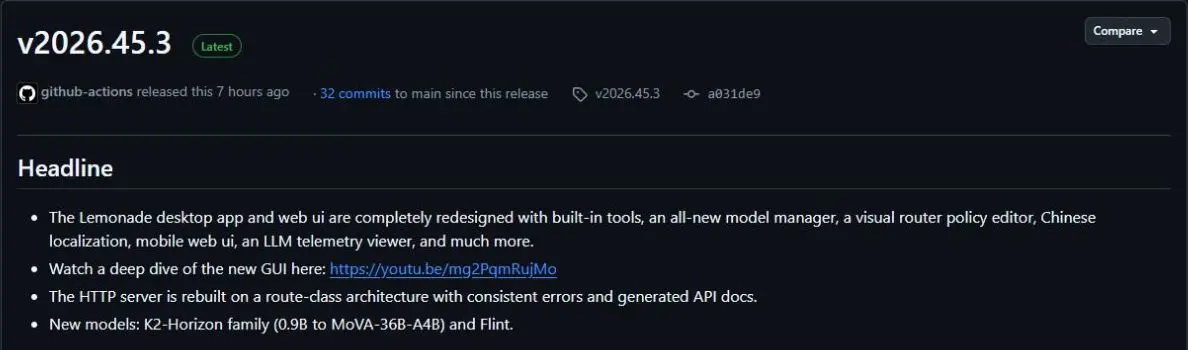
Version 2026.45.3 brings a new model manager, visual routing-policy editor and mobile web interface, alongside HTTP behavior changes that client developers should check.
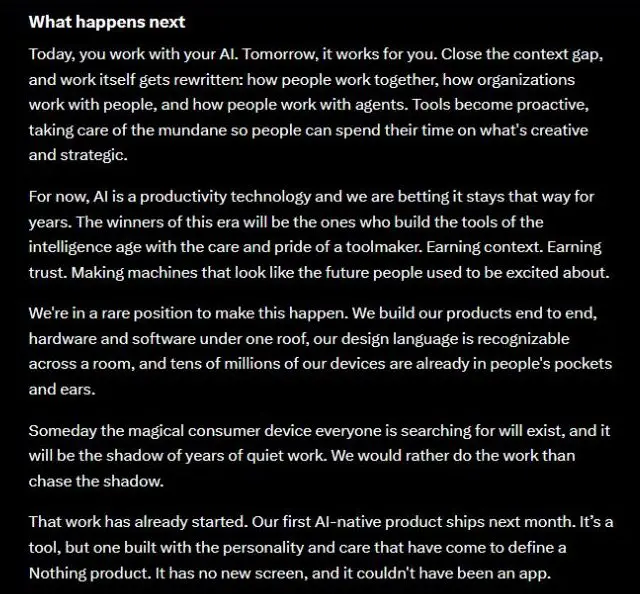
Pei promises a first AI-native product next month and pitches productivity over an AI iPhone moment. Its name, form factor, price and exact shipping day remain undisclosed.
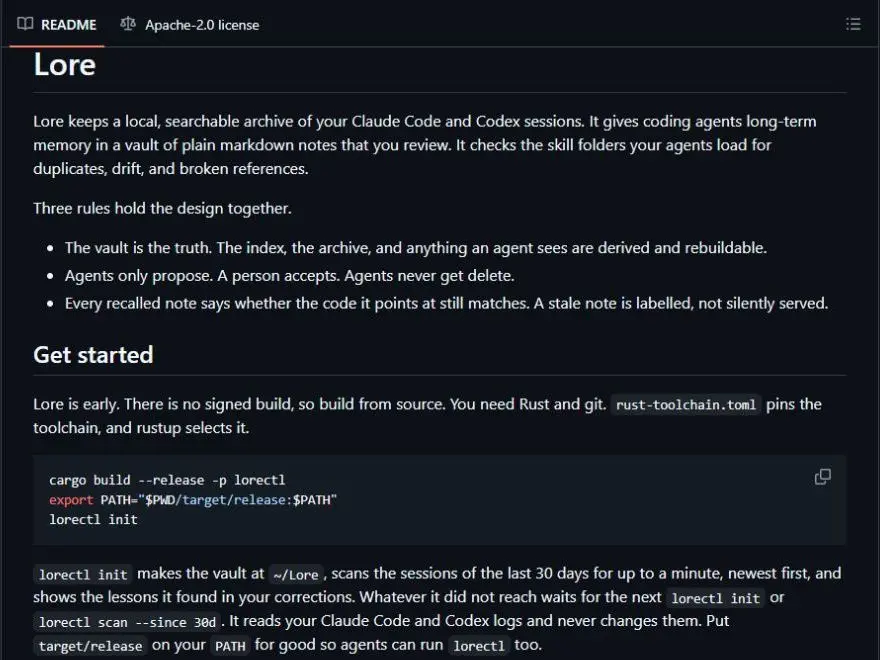
A source update groups repeated MCP search hits by session and reports when the recent month finishes scanning, while keeping memory proposals under human review.
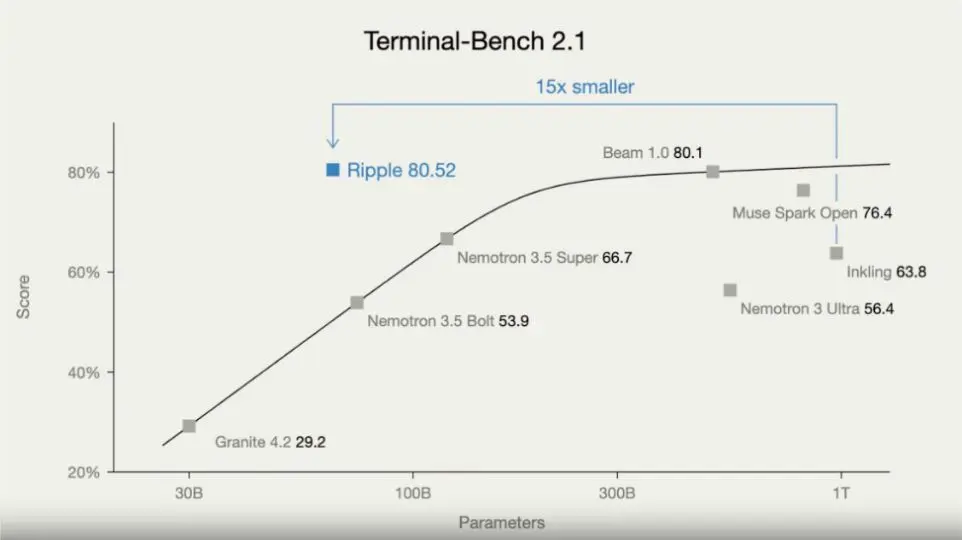
Apache-2.0 weights, an NVFP4 option and a million-token pitch put Ricursive's dense model in the local coding conversation. Its benchmark lead is self-reported.
Newer coverage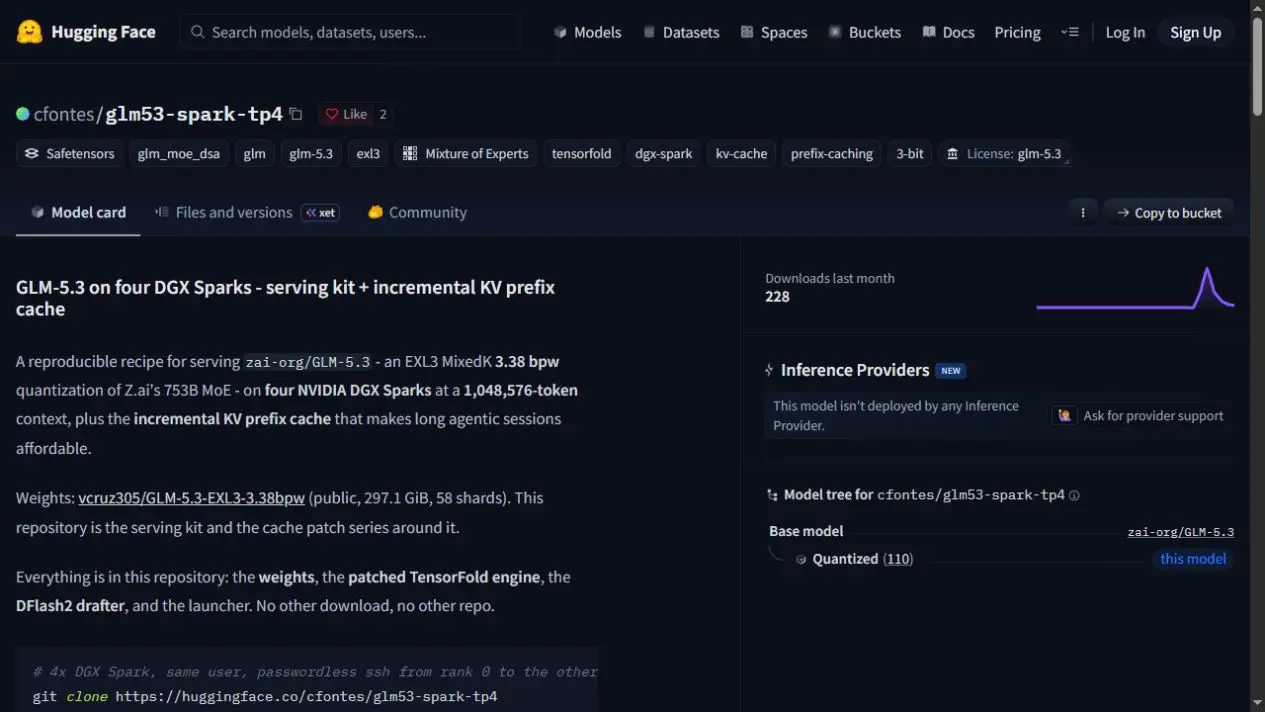
An existing GLM-5.3 self-hosting recipe gets a November 4 wake-up-path fix, alongside an attributed million-token setup and explicit hardware and licensing limits.
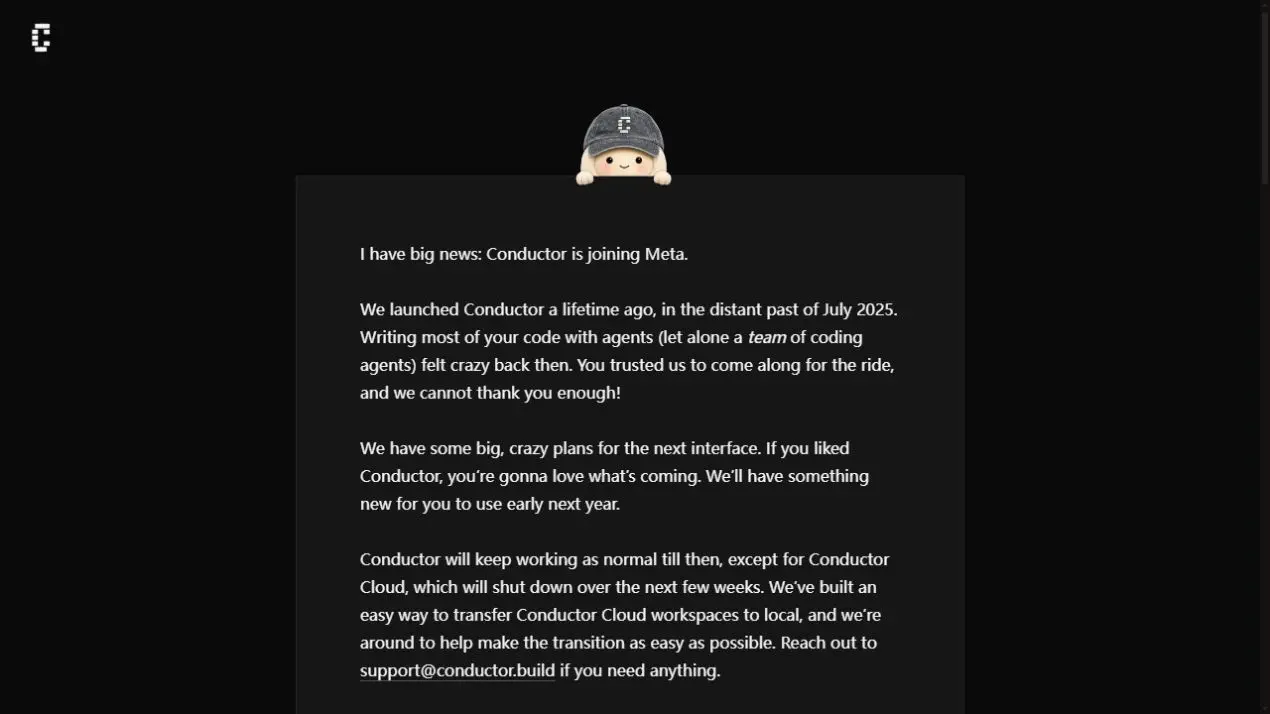
The coding-agent workspace is joining Meta, with no new sign-ups, a November 13 read-only cutoff and continued local-app fixes into early 2027.
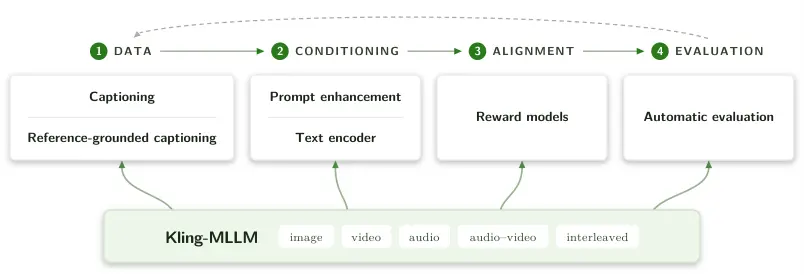
A new technical report traces video failures through captions, prompt rewriting, perceptual encoders and evaluation, rather than treating every bad shot as a rendering problem.
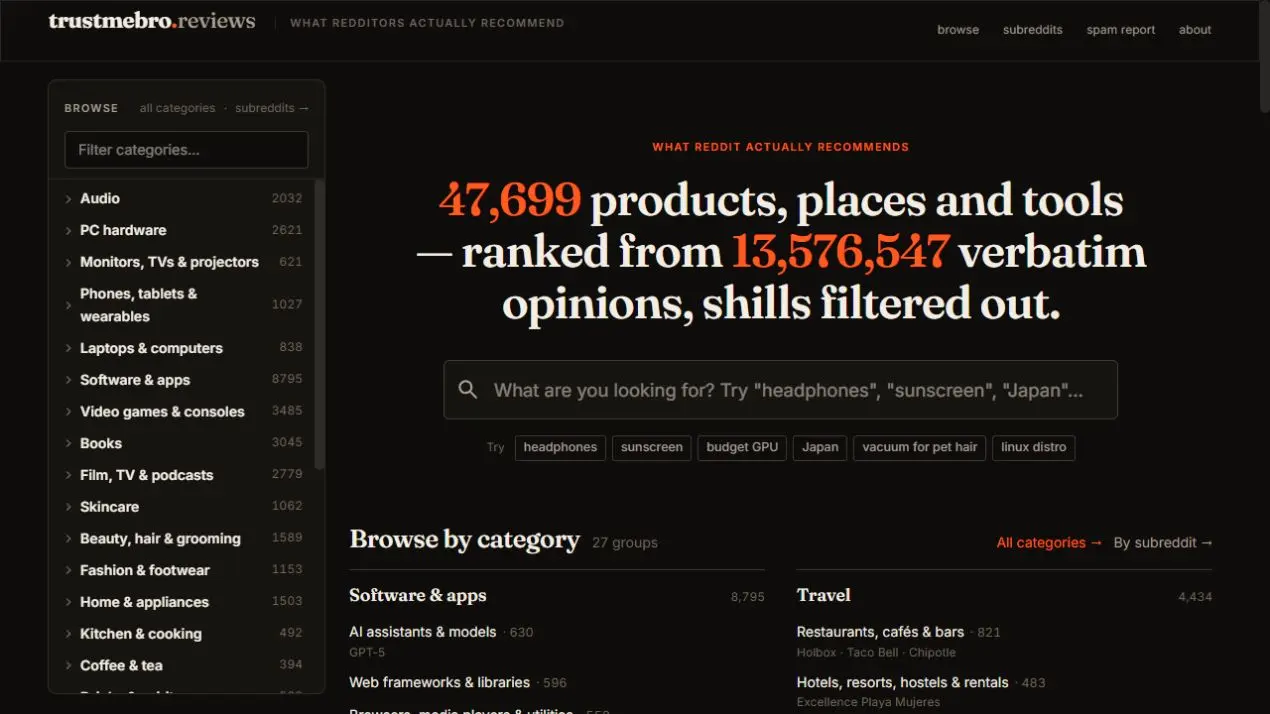
trustmebro.reviews resurfaces on Hacker News with source-linked recommendations, a claimed 13.6 million opinions and a creator-described local inference setup.
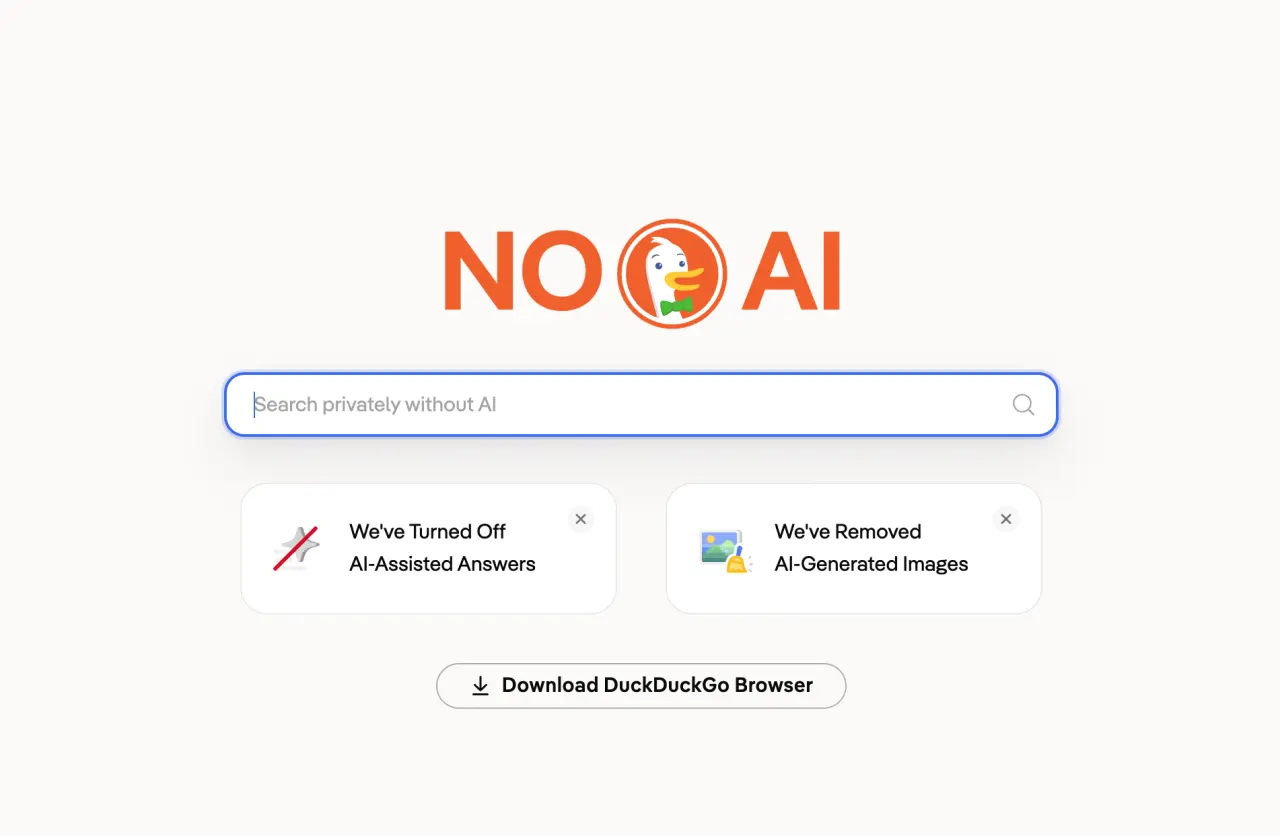
The rival points educators to managed-browser deployment instructions and its existing no-AI search option as Google defends new school controls.
Follow-up / Google school AI controls and DuckDuckGo competitive response
The new community plugin checks changed Markdown before a turn ends, while a personal edition can tune its rules to your writing habits.
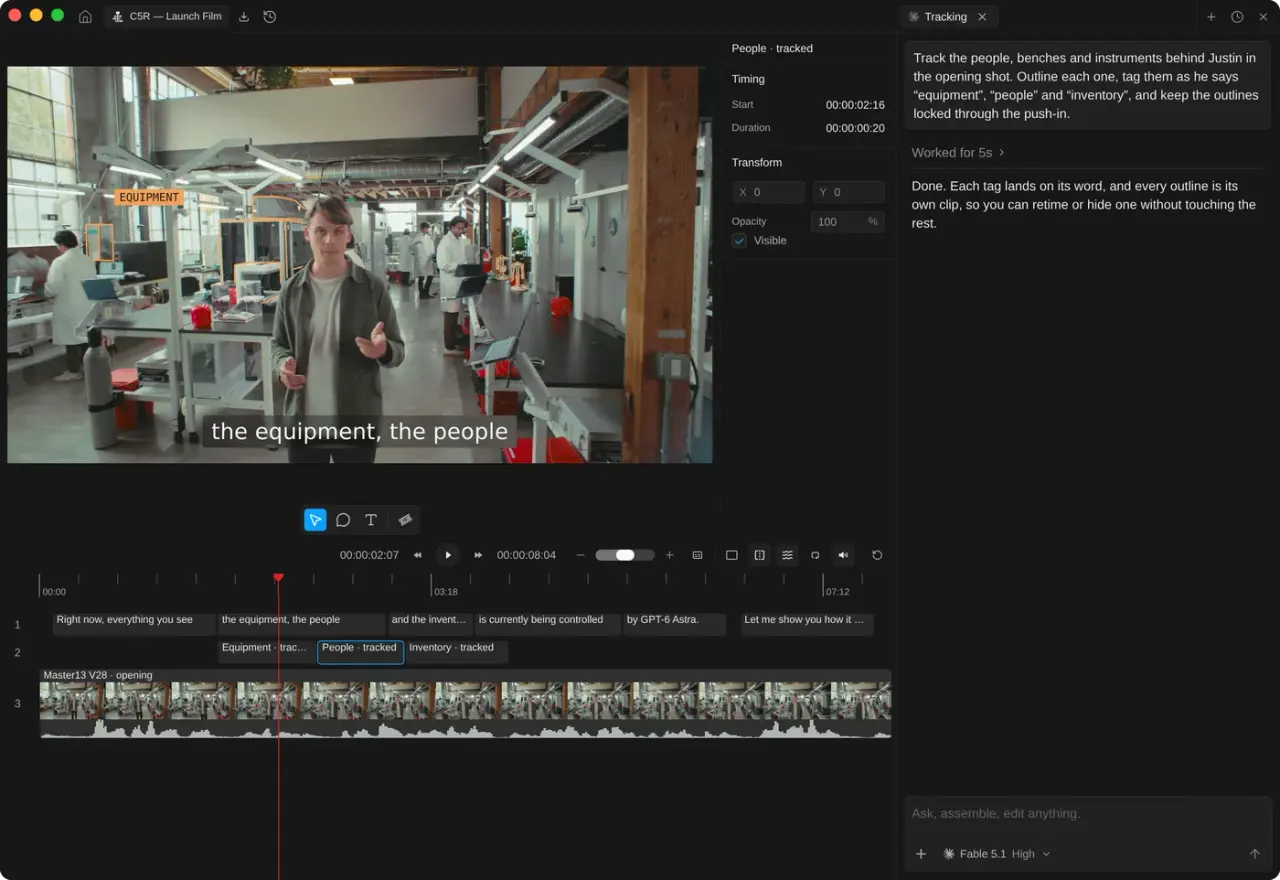
Its November 4 Launch HN presentation links footage, editable cuts and review notes, with desktop MCP access for Claude Code, Codex and other agents.
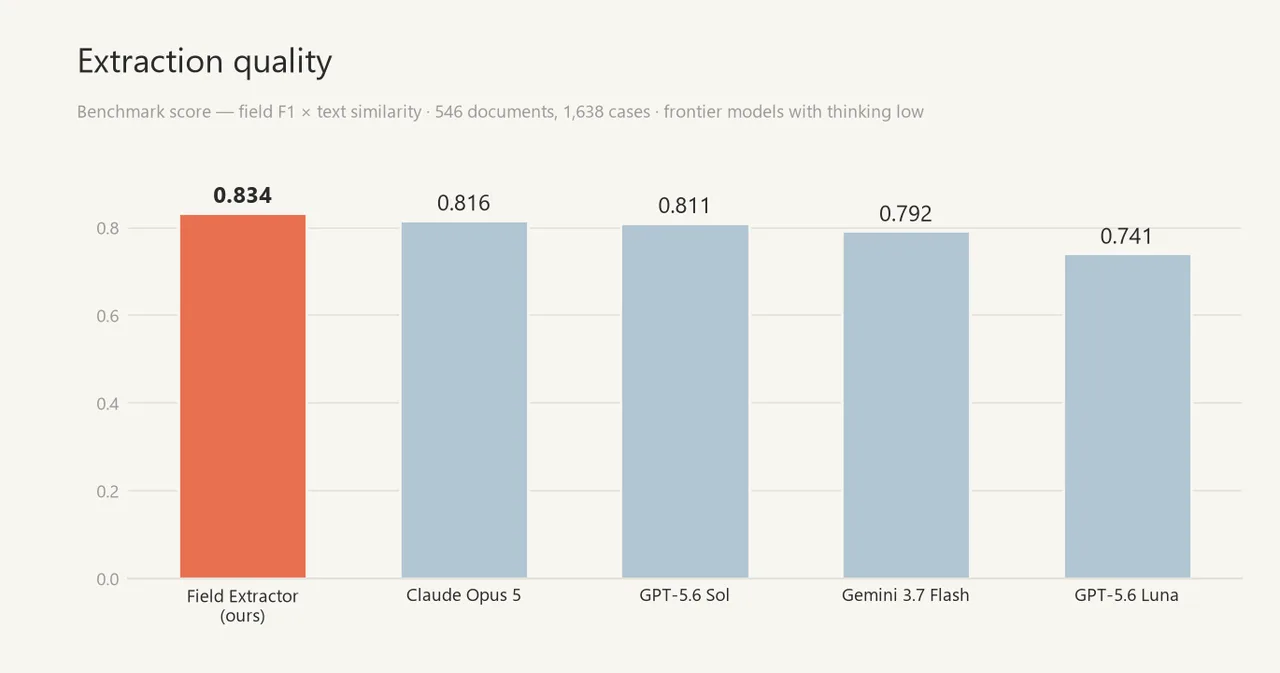
The specialized model turns document images into typed JSON, with Dharma reporting higher scores and lower compute cost on its own 546-document evaluation.
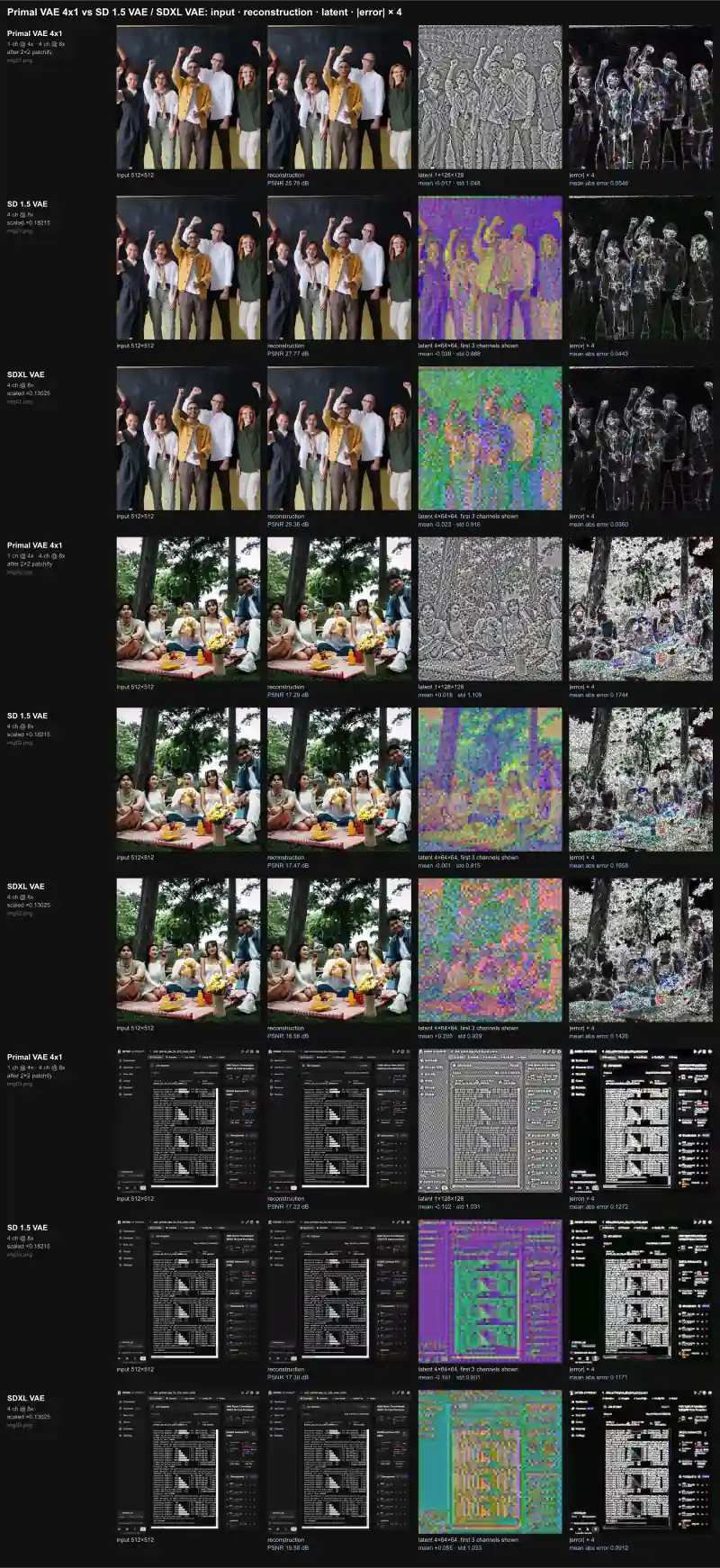
Ostris's new 4x1 checkpoint reaches the latent shape used by SD 1.5 and SDXL through patching, with openly limited reconstruction comparisons.
A new ten-record English dataset exposes evidence links and reasoning while distinguishing an application's use of AI from an exploit's need for a model.
Axios reports that OpenAI will acquire the developer infrastructure startup and plans to integrate Code Storage into Codex; terms remain undisclosed.
The community app's 2.25 beta adds contact names, earlier-chat retrieval and Android sharing, while keeping the same Qwen-derived model.
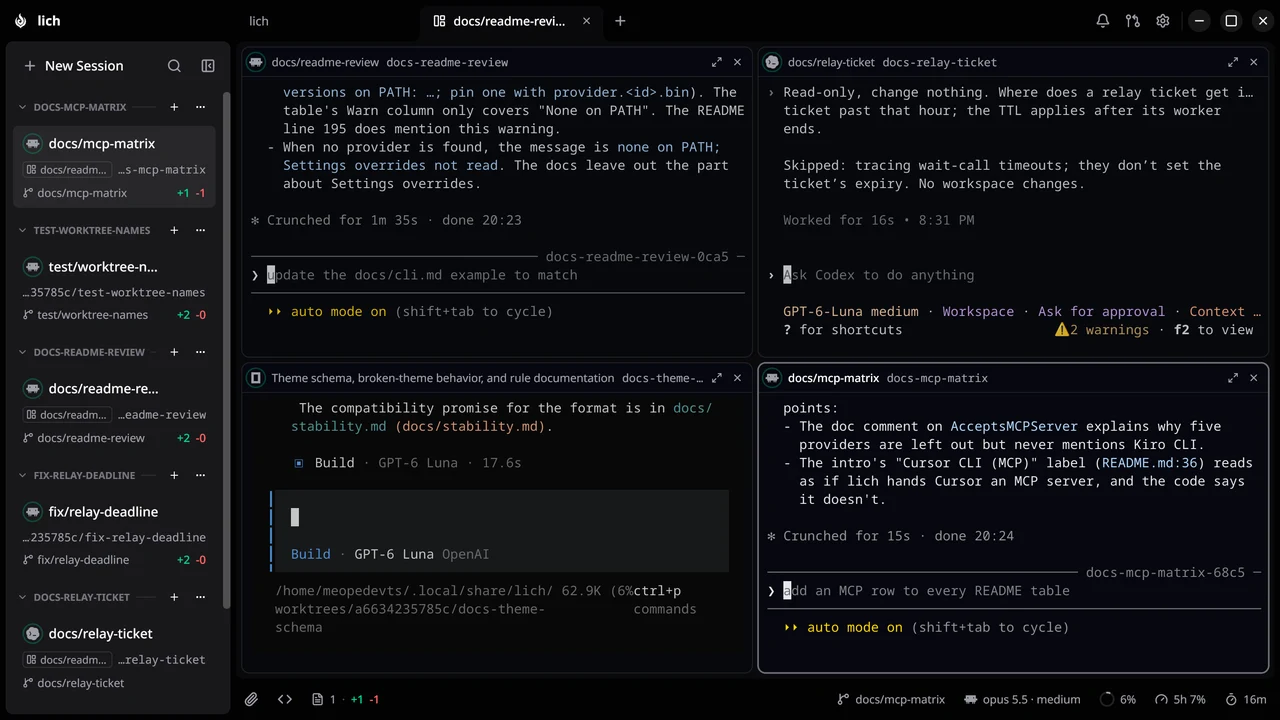
The desktop workbench gives each OpenCode 2 session its own server and lets agents manage project services, with explicit plugin and pairing limits.
Version 1.31.0 forks a Codex session for another provider, preserving visible history while dropping incompatible reasoning and encrypted summaries.
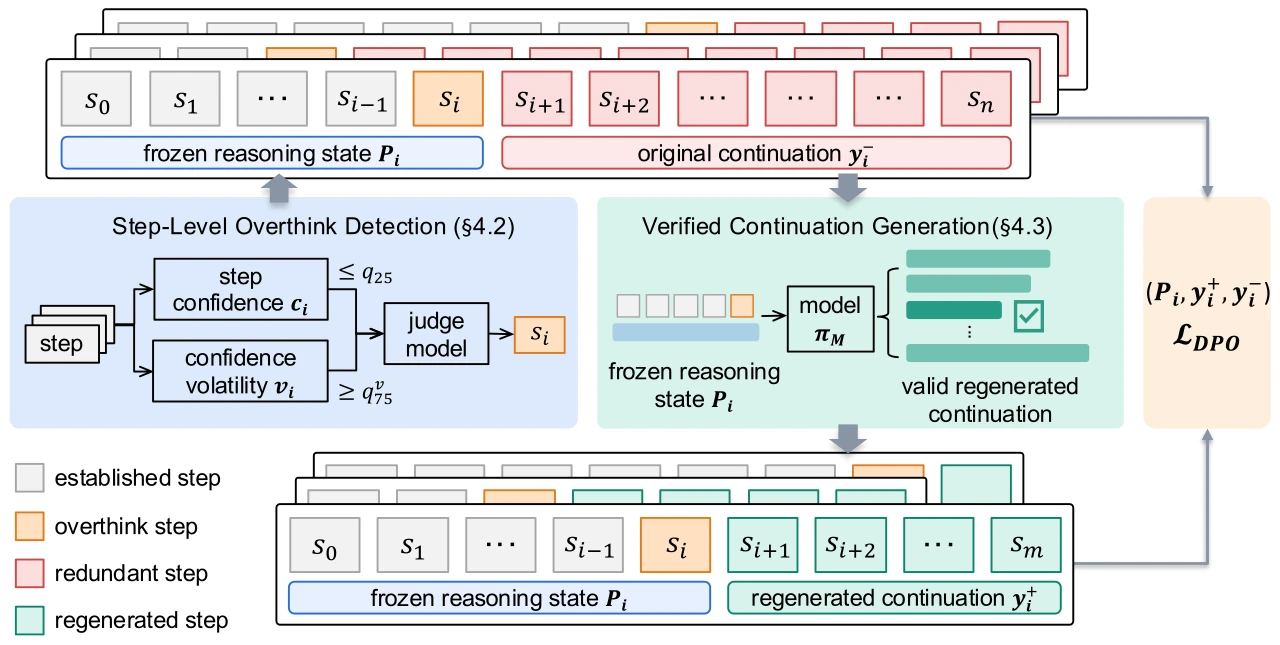
The released DeepSeek-derived model uses math-only preference training to shorten reasoning, with author-reported gains transferring to code.
TechCrunch reports two new fundraising targets for Ted Schlein's security-focused firm, with neither vehicle recording sales at the time of filing.

Ask your own questions, confront a statement with a clue and build a report in a free-to-play Android mystery game set in real cities.

The indie marketplace's November 3 posts pair a cleanup claim with wider disclosure filtering, while its rules continue to target spam and inaccurate labeling.
The analysts argue that routine steps belong on cheaper open-weight models, while warning that retries narrow the headline cost advantage.

A 50M queen and shared-weight workers coordinate through learned neural links, the author says. Hive needs its own runtime; a separate Scintilla download works with llama.cpp.
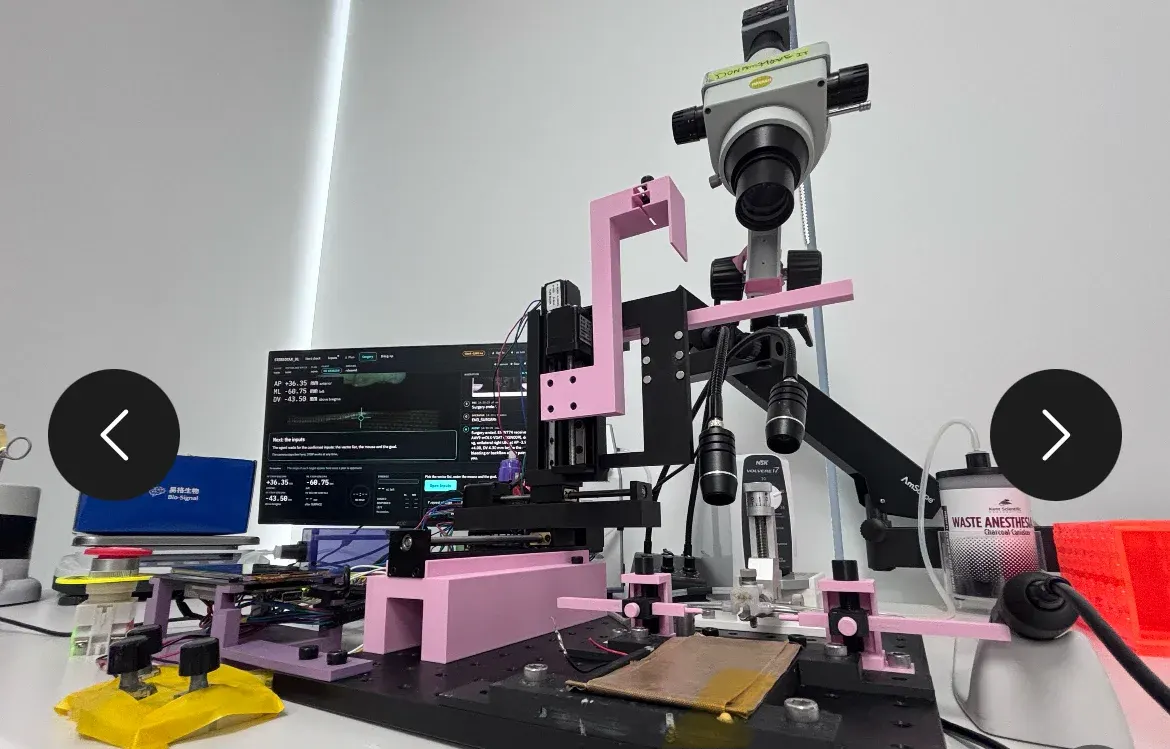
An October 28 lab demonstration has resurfaced on Hacker News. Its author describes agent-selected therapy, a custom motorized rig and veterinarian approval of irreversible steps.
Musk agreed to rename SpaceX's AI unit using the term Super Intelligence, but Reuters found no account change or implementation timeline.

TechCrunch reports that Musk's xAI acquired dot.com before the dots launch. The redirect is real; the theory that it was a deliberate prank remains unconfirmed.

Futurism reports that Dottie acknowledged a request about user testing but did not deliver the requested update during the live demo. The technical cause remains unestablished.
The new MIT-licensed CLI and bundled skill draw a live checklist in a Rex pane, with Claude Code and Codex installation paths and same-day search and wrapping updates.
The initial implementation commit is dated November 4 at 09:45:29 UTC; GitHub records repository creation two seconds later. Commits that day add fuzzy find at 17:17:43 UTC and long-item wrapping at 22:04:40 UTC. This is a newly discovered project and recent implementation work, not a November 5 launch claim.
A developer’s account of Composer 2.5 deleting code and weakening tests draws pushback on Hacker News over model choice, context and the real cost of supervision.
The Orchid Files essay is dated November 4. Its Hacker News discussion began November 5 at 00:01:30 UTC; the refreshed editorial snapshot recorded 45 points and 57 comments, a current attention signal rather than proof of growth or a model benchmark.
Version 1.3.1 adds a source-versus-result view and deeper chart and scan extraction, plus a repair for failed certificate checks on Mac and Linux.
InkDoc 1.3.1 was published November 5 at 00:18:39 UTC. Its release notes introduce the Original switch, additional Thorough quality steps and a manual upgrade route for installations whose updater cannot verify certificates.
The open-source BI framework adds an underlying-data plugin and structured command output. Its agent-built apps still rely on reviewed metric definitions and warehouse access.
Version 0.17.0 was published November 5 at 02:52:31 UTC. The release adds chart-point underlying rows and CLI changes, including a breaking error-handling migration.
A November 5 repository revision replaces the earlier CC BY 4.0 declaration with CC BY-NC 4.0. The main 163 MB weight file retains the same recorded hash.
Commit e7a641c was recorded November 5 at 04:43:22 UTC with the title Switch the license to CC BY-NC 4.0. The preceding model-card revision dates to October 15; this is a license development, not a new model launch.
Version 0.8.0 adds a Rust helper and an installation route for macOS and Linux. Remote tabs and phone controls remain previews, with important testing and feature limits.
The v0.8.0 release was published November 4 at 21:57:08 UTC. It extends the Herdr app mod and helper; the separate native Linux/Windows desktop port remains unreleased.
The new public export includes prompts and image references for assembly decisions, GUI actions and minimal rework. Reference answers and the scorer remain private.
The release manifest dates the public test-input export November 5, 2026. It preserves a source frozen September 19, rather than introducing a new benchmark split or reporting new model scores.
TechCrunch, citing Bloomberg, reports an October reduction and further cuts under consideration. The figures concern internal usage allowances, not consumer AI pricing.
Lucas Ropek’s TechCrunch report was published November 4 at 17:26 Pacific time, or November 5 at 01:26 UTC. It reports an October budget change and distinguishes it from possible further reductions.
A community weight edit of Prism ML’s Bonsai targets repeated second-guessing. The author reports shorter reasoning on sampled tests, with slower per-token decoding and an instruction-following tradeoff.
The Decisive V2 Hugging Face repository was created November 5 at 02:31:43 UTC and contains four downloadable GGUF variants, code and evaluation traces. It supersedes the author’s V1 edit; this is not a new Prism ML base-model launch.
The local context plugin updates Codex hook trust and OpenCode 2 diagnostics, while adjusting to Kiro CLI 3.0. The hosted Gateway remains a separate product.
Version 2.1.0 was published November 5 at 01:03:31 UTC, adding host compatibility fixes after the November 4 version 2.0 rewrite.
AtomicChat publishes local-serving conversions and build instructions for Ricursive’s new model. Architecture support is still an open pull request.
AtomicChat created its GGUF repository November 4 at 21:11:26 UTC; llama.cpp PR31692 followed at 22:41:43 UTC and remained open at this review. This is a serving-format follow-up to the model launch, not a second model release.
Version 2026.45.3 brings a new model manager, visual routing-policy editor and mobile web interface, alongside HTTP behavior changes that client developers should check.
The original release page dates v2026.45.3 to November 4 at 16:54:13 UTC and lists downloadable installers. This covers that release, rather than treating current repository activity or the separate v2026.46.0 release candidate as a new stable launch.
Pei promises a first AI-native product next month and pitches productivity over an AI iPhone moment. Its name, form factor, price and exact shipping day remain undisclosed.
Carl Pei's November 4 English Toolmakers article says Nothing's first AI-native product ships next month, placing the promised window in December 2026. This is an attributed shipping teaser, not evidence that the device has already shipped.
A source update groups repeated MCP search hits by session and reports when the recent month finishes scanning, while keeping memory proposals under human review.
November 4 commits at 23:10 UTC change actual MCP result grouping and scan-completion reporting. The repository dates to August 10; this coverage concerns a main-branch source update, not a new signed desktop release or proof of growth from a trend observation.
Apache-2.0 weights, an NVFP4 option and a million-token pitch put Ricursive's dense model in the local coding conversation. Its benchmark lead is self-reported.
Ricursive's November 4 public launch announcement links downloadable instruction and base checkpoints. This is a general-purpose model release, distinct from its earlier chip-design strategy announcement; repository creation dates are not treated as launch dates.
Newer coverageRipple gets a 38.8 GB GGUF route—but stock llama.cpp cannot load it yet
Ripple-65B Preview launch and local serving support2 reportsAn existing GLM-5.3 self-hosting recipe gets a November 4 wake-up-path fix, alongside an attributed million-token setup and explicit hardware and licensing limits.
The repository was created October 30, 2026. November 4 commits at 22:06 UTC change the follower wake-up handling, providing a specific new development beyond its refreshed Hugging Face observation; this is not a new GLM checkpoint release.
The coding-agent workspace is joining Meta, with no new sign-ups, a November 13 read-only cutoff and continued local-app fixes into early 2027.
Conductor announced the move on November 4, 2026. Its dated transition schedule gives existing cloud users a concrete export deadline; this is an acquisition and service transition, not the promised future interface launch.
A new technical report traces video failures through captions, prompt rewriting, perceptual encoders and evaluation, rather than treating every bad shot as a rendering problem.
Kling Team submitted its English report to arXiv on November 3 at 13:56 UTC. Its engineering disclosure is within the current news window and explains control failures across existing Kling generations.
trustmebro.reviews resurfaces on Hacker News with source-linked recommendations, a claimed 13.6 million opinions and a creator-described local inference setup.
The creator resubmitted the existing project to Show HN on November 4 at 12:09 UTC and discussed its Gemma/vLLM extraction workflow. An October 2 post confirms this is renewed presentation, not a first launch.
The rival points educators to managed-browser deployment instructions and its existing no-AI search option as Google defends new school controls.
Sarah Perez reported DuckDuckGo’s school outreach on November 4 at 19:29 UTC, a competitive response to Google’s November 3 school-controls announcement.
The new community plugin checks changed Markdown before a turn ends, while a personal edition can tune its rules to your writing habits.
Apostol Apostolov published Voice Gate 1.0.0 at 20:07 UTC on November 4, with tagged public and personal editions for Hermes Agent 0.22.0 or newer.
Its November 4 Launch HN presentation links footage, editable cuts and review notes, with desktop MCP access for Claude Code, Codex and other agents.
Kino's founder introduced the current team-and-agent editing workflow on Launch HN at 17:31 UTC on November 4; earlier changelog entries show this is a new public presentation of an existing product, not its first release.
The specialized model turns document images into typed JSON, with Dharma reporting higher scores and lower compute cost on its own 546-document evaluation.
Dharma-AI published its English Field Extractor report on November 4, alongside a documented API mode for extracting fields rather than whole-page OCR text.
Ostris's new 4x1 checkpoint reaches the latent shape used by SD 1.5 and SDXL through patching, with openly limited reconstruction comparisons.
The November 4 17:02 UTC commit adds the 4x1 checkpoint to a project first published October 30; the later cache cleanup is not the release event.
A new ten-record English dataset exposes evidence links and reasoning while distinguishing an application's use of AI from an exploit's need for a model.
The public Hugging Face repository was created November 4 at 03:20 UTC; its November 3 preparation date belongs to the documentation, not a newly discovered vulnerability.
Axios reports that OpenAI will acquire the developer infrastructure startup and plans to integrate Code Storage into Codex; terms remain undisclosed.
A November 4 Axios exclusive reports the acquisition plan as coding agents put new demands on the systems that store and manage their work.
The community app's 2.25 beta adds contact names, earlier-chat retrieval and Android sharing, while keeping the same Qwen-derived model.
Build 40 was published November 2 at 16:43 UTC; November 4 demo uploads bring fresh visibility without making this a new model release.
The desktop workbench gives each OpenCode 2 session its own server and lets agents manage project services, with explicit plugin and pairing limits.
Version 0.84.0 shipped November 4 at 01:00 UTC with OpenCode 2 support, agent-facing service controls and revised browser persistence.
Version 1.31.0 forks a Codex session for another provider, preserving visible history while dropping incompatible reasoning and encrypted summaries.
The November 3 v1.31.0 release adds provider switching to aichat port, following a merged implementation and documented OpenAI-to-local-model round trip.
The released DeepSeek-derived model uses math-only preference training to shorten reasoning, with author-reported gains transferring to code.
The paper was submitted November 3 at 12:44 UTC; by November 4 its model weights and implementation were available, and its authors were answering questions on Hugging Face's daily paper page.
TechCrunch reports two new fundraising targets for Ted Schlein's security-focused firm, with neither vehicle recording sales at the time of filing.
The November 3 original report identifies new fund targets as AI agents create another investment frontier for cybersecurity startups.
Ask your own questions, confront a statement with a clue and build a report in a free-to-play Android mystery game set in real cities.
A November 3 Show HN introduction and fresh English discussion put the game's free-form AI interviews in front of developers; its Android listing was last updated October 30, rather than launching today.
The indie marketplace's November 3 posts pair a cleanup claim with wider disclosure filtering, while its rules continue to target spam and inaccurate labeling.
itch.io announced the deletion at 03:23 UTC on November 3 and wider search filtering at 04:41 UTC; fresh English reporting and player discussions put the changes under scrutiny.
The analysts argue that routine steps belong on cheaper open-weight models, while warning that retries narrow the headline cost advantage.
The Register published its English report on November 3 at 06:19 UTC, bringing Gartner's document from the previous week into a fresh developer discussion.
A 50M queen and shared-weight workers coordinate through learned neural links, the author says. Hive needs its own runtime; a separate Scintilla download works with llama.cpp.
Hive weights and documentation were committed on November 2 at 23:59:24 UTC, with standalone Scintilla 50M following on November 3 at 00:16:58 UTC. These are concrete additions to an October 9 project, beyond the earlier teaser.
An October 28 lab demonstration has resurfaced on Hacker News. Its author describes agent-selected therapy, a custom motorized rig and veterinarian approval of irreversible steps.
A new English Hacker News thread posted November 2 at 12:50:59 UTC brought renewed discussion to the October 28 demonstration. It had 103 points and 93 comments when checked for this report; those are discussion counters, not experimental validation.
Musk agreed to rename SpaceX's AI unit using the term Super Intelligence, but Reuters found no account change or implementation timeline.
Reuters reported Musk's October 4 reply as the White House's Super Intelligence terminology gained another corporate adopter.
TechCrunch reports that Musk's xAI acquired dot.com before the dots launch. The redirect is real; the theory that it was a deliberate prank remains unconfirmed.
OpenAI's September 29 agent launch has become a naming rivalry story, with the singular dot.com sending visitors to a competitor.
Futurism reports that Dottie acknowledged a request about user testing but did not deliver the requested update during the live demo. The technical cause remains unestablished.
The live-demo interruption adds a reliability question to the September 29 launch of an agent designed to keep working without constant supervision.