42AI bets $62.5M on predicting what people do next
The startup says its behavioral world model can anticipate individual choices. Its reported 98% trading figure measures flows within a range, and the funding includes founders' money over three years.
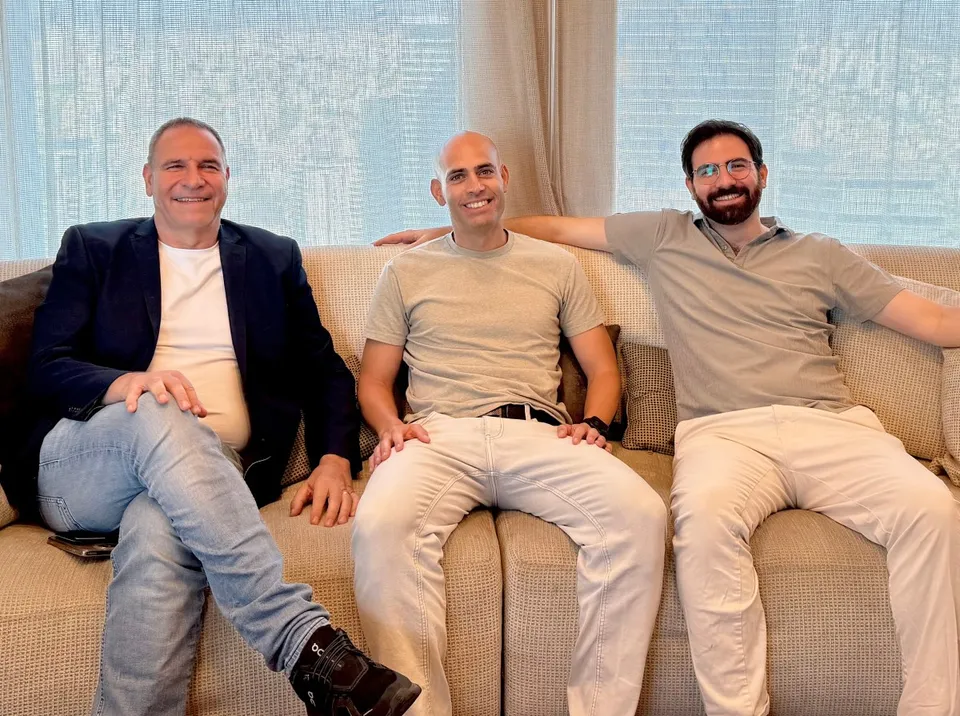
42AI is coming out of stealth with an ambitious pitch: a behavioral world model that predicts how individuals will act, even in unfamiliar situations. TechCrunch reports that the startup has received $62.5 million over three years from its founders and Infinity Group. That figure is not a newly completed round funded entirely by outside investors.
The company’s initial market is financial brokerages. CEO Amit Gal-Or told TechCrunch that 42AI is working with 10 large brokerages on liquidity, margin requirements and hedging exposure. Those deployment figures are company-reported, rather than an independently audited customer count.
A model of tendencies, not certain decisions
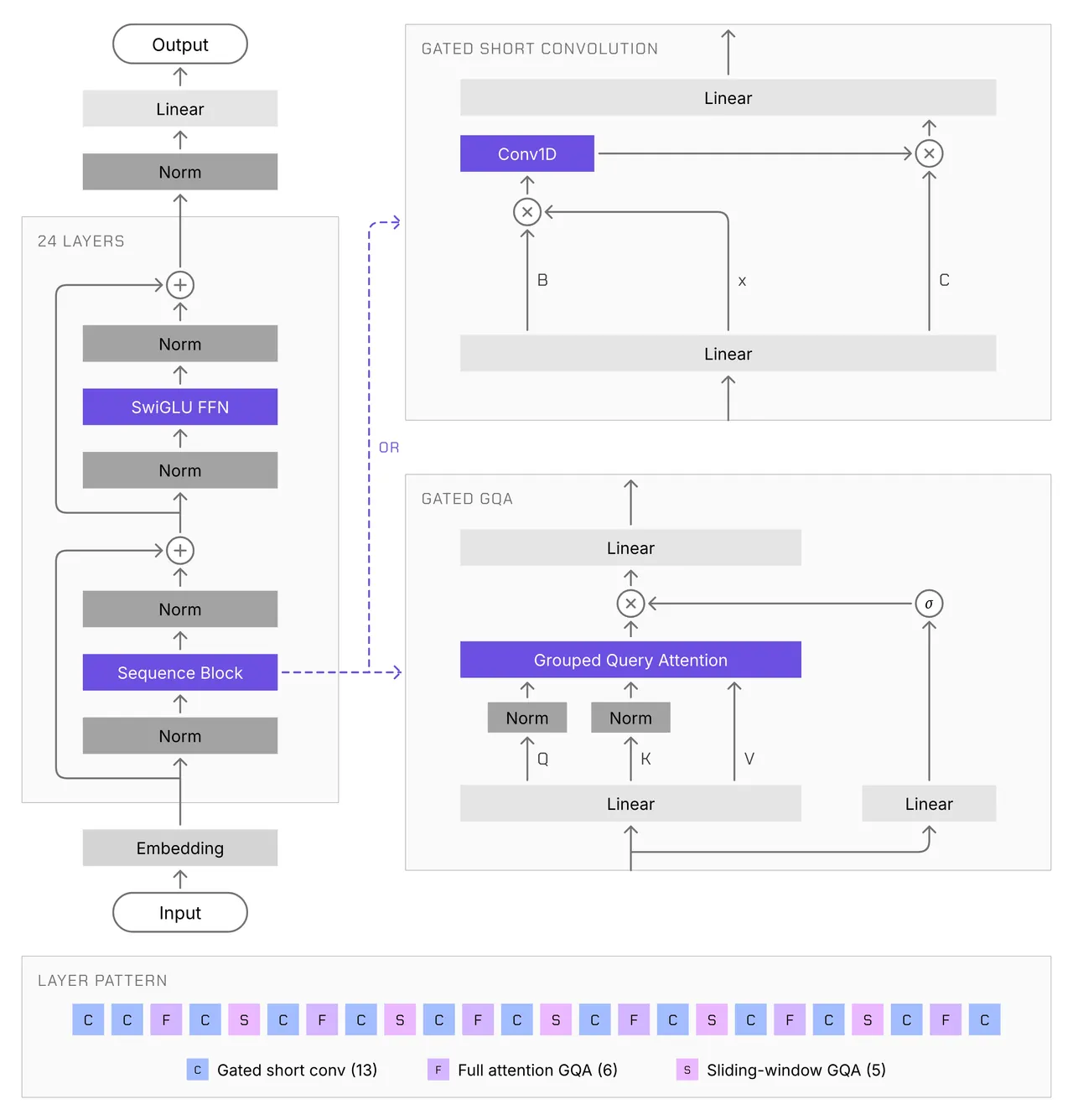
The founders describe a system that converts observations from transactions, onboarding and support interactions into representations of individual traits. A transformer-based model then estimates probabilities for decisions under different conditions. A separate language model generates explanations, according to the report.
42AI’s website promotes predicting each client’s trades up to 24 hours ahead. The founders’ explanation to TechCrunch is more specific about uncertainty: behavior is probabilistic, and missing context, such as advice from a friend, can reduce predictive accuracy. CTO Ehud Ezra also says a new domain requires training on its rules and context. Applications beyond finance remain plans or exploration, rather than demonstrated universal prediction.
What the 98% claim actually measures
Gal-Or clarified that the claimed 98% accuracy measures whether trading flows fall within a predicted range, not whether every trade is predicted correctly. He separately reported F1 scores of 0.8 to 0.85 for trading direction and volume. These are the company’s reported measurements; the reviewed sources do not establish an independent evaluation of them.
There is also a data-use question beyond predictive quality. The system analyzes linked customer records, including support calls and transactions. The CEO says it does not need personally identifiable information, but that does not remove the fact that it builds individual behavioral profiles. TechCrunch raised the possibility that brokerages could exploit those predictions against the customers being profiled. The founders pointed to regulation, monitoring and an ethics committee, without establishing a technical safeguard that prevents that use.
The immediate news is a funded company entering public view with a concrete brokerage use case and a forceful behavioral-prediction pitch. The scope, metrics and incentives matter as much as the headline number.
Related reading
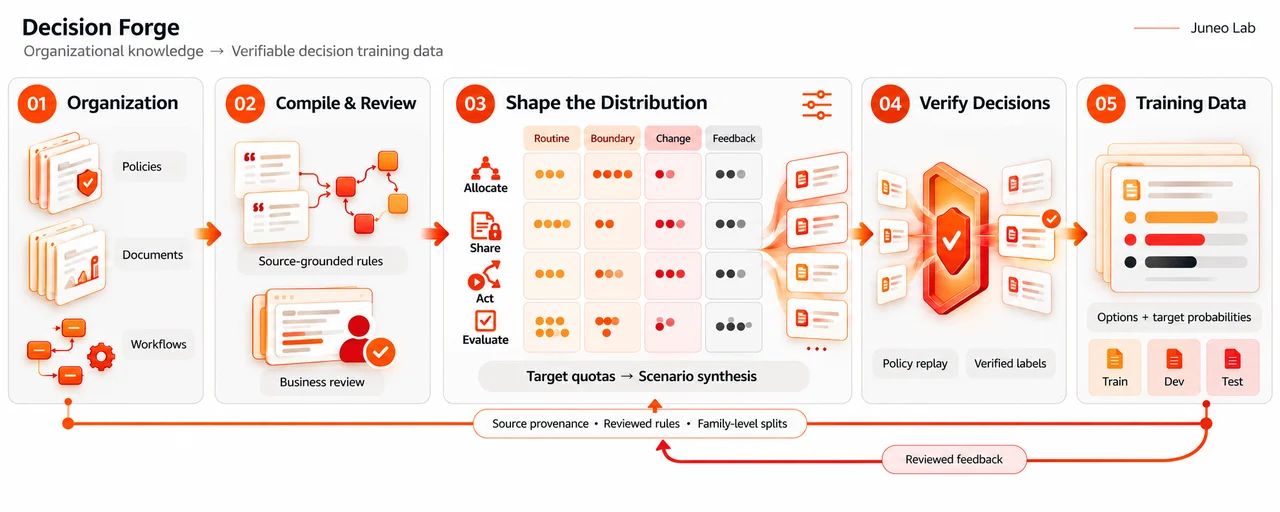
Decision Forge fixes a data leak that could move test cases into training
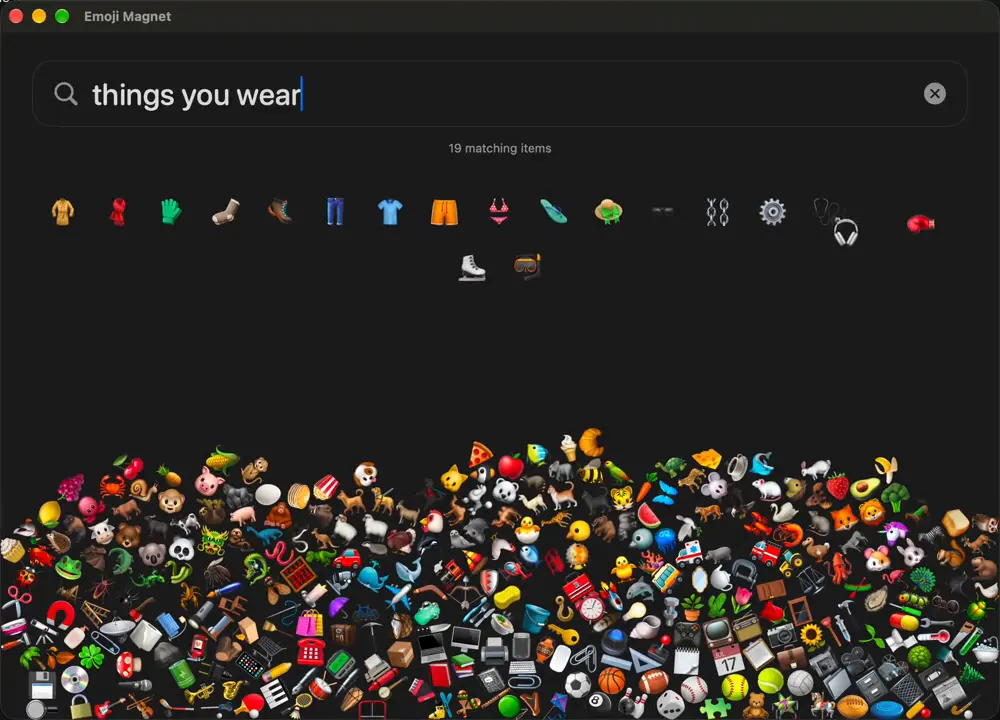
Swift apps get local speech engines and decisions that return probabilities