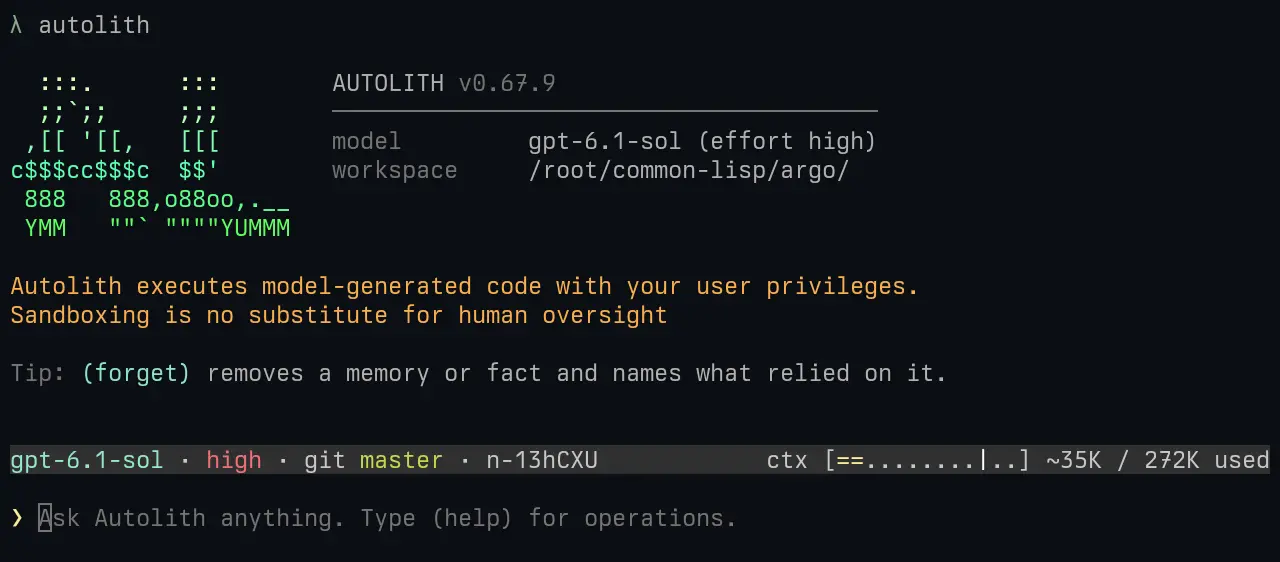
Agent Deck brings OpenCode 2 back onto the team dashboard
Version 0.49.5 restores status cards, messages and delegated tasks for OpenCode 2, provided each pane gets its own server.
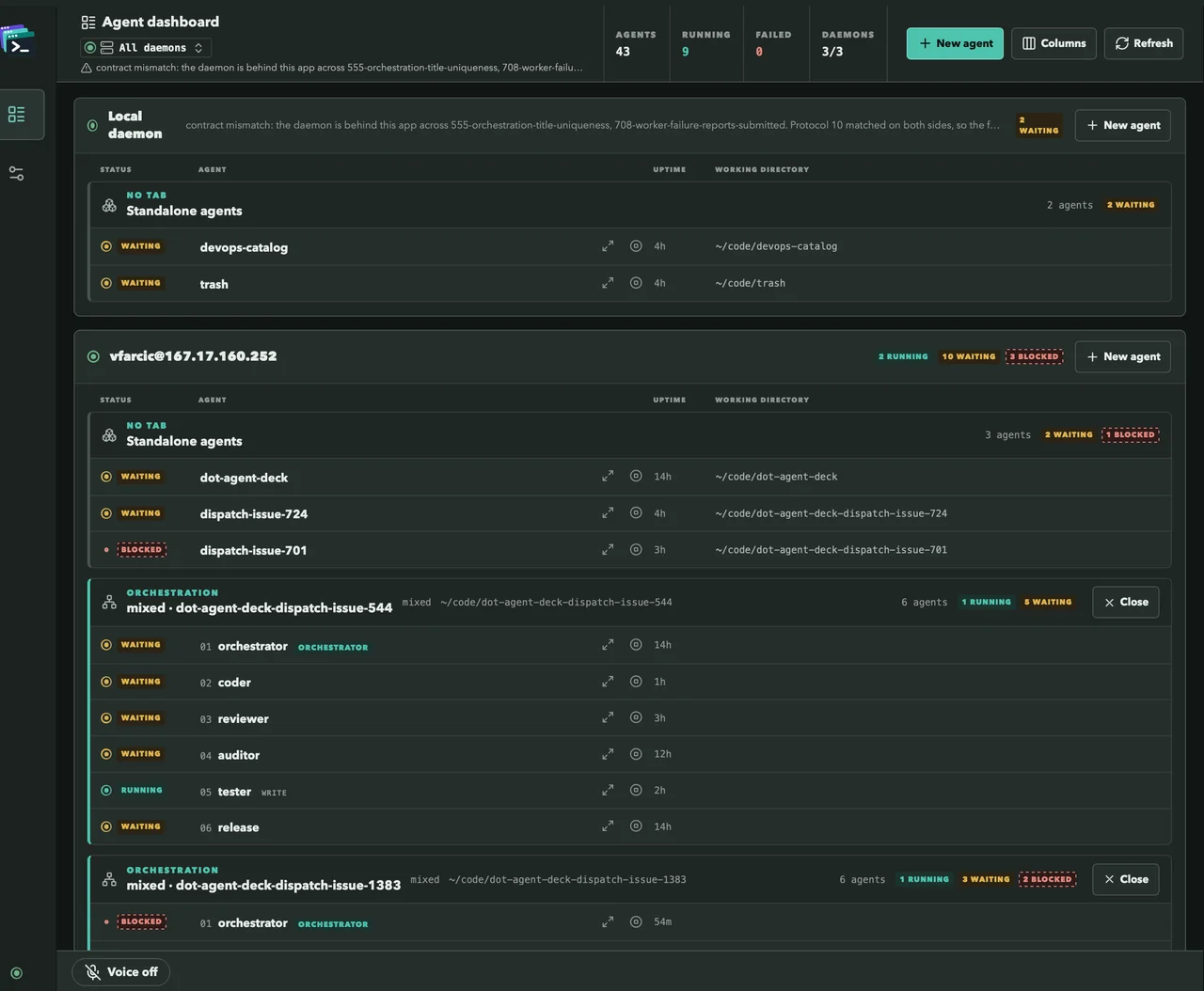
Agent Deck 0.49.5 makes OpenCode 2 visible and reachable inside its multi-agent dashboard again. The November 1 release adapts the deck’s plugin installation so OpenCode 1.x and 2 can both report status, receive deck messages and accept delegated work through the terminal UI or desktop app.
The project says OpenCode 2 does not load plugins written for 1.x. Before this update, an OpenCode 2 session could therefore lose its status, prompt and tool details, as well as incoming deck messages. The new release targets that integration break, rather than claiming a new coding model or an improvement in model intelligence.
Each OpenCode 2 pane needs its own server
Agent Deck is a separate orchestration and monitoring layer. A background daemon runs agents such as Claude Code, Codex, OpenCode and Pi, while terminal and desktop clients display the same work. Those agents retain their own configurations, skills and provider connections. Agent subscriptions, API credentials and model charges remain separate from the deck.
The important compatibility condition is server isolation. OpenCode 2 normally connects sessions to a shared background service, where the deck cannot reliably distinguish one pane’s agent from another. When a configured command starts opencode directly, Agent Deck now adds --standalone at launch to give it a server of its own.
Wrapper scripts need attention: the release says users must add --standalone inside the wrapper, or use OpenCode’s documented service setting, and declare agent = "opencode" on the role. OpenCode 1.x support starts at version 1.18.29. The deck displays diagnostic card messages when it detects an unsupported version, missing plugin or incompatible shared-service setup.
Some interface differences remain. Desktop voice answers work with supported question forms in OpenCode 2’s full interface, while mini forms and conditional forms must be answered in OpenCode. Simultaneous sessions starting in the same directory can also make mini message routing ambiguous; the guide recommends staggering starts, separate directories or explicit session IDs.
Installing the deck also installs integrations
The MIT-licensed CLI runs on macOS and Linux, with Windows supported through WSL. Homebrew, downloadable binaries and Nix are documented installation routes. The optional desktop app remains alpha software, available for Apple Silicon macOS and Linux amd64, with different support expectations from the CLI.
The deck installs hooks or plugins into detected agents’ configuration directories to obtain status and route work. That is an active local integration, not merely a read-only dashboard. Existing sessions may need restarting after their hooks change.
Version 0.49.5 also fixes desktop upgrade buttons that previously updated the app while leaving an older CLI behind. The new dialog presents the app and CLI upgrade plans separately. For developers mixing agent versions and clients, the practical gain is a clearer route back to working cards and messages, with the remaining compatibility conditions documented.
Related reading
Osaurus gives Mac agents finer thinking controls and longer tool chains
AndroidHarness brings installable agent plugins to your phone