Cal AI founder's growth playbook relies on close-knit influencers and repeat posts
At TechCrunch Disrupt, Zach Yadegari described recruiting creators with tight communities and negotiating reach-linked posting commitments. The new account is about distributing a consumer AI app, rather than launching a new model.
Recruit the audience, then negotiate the reach
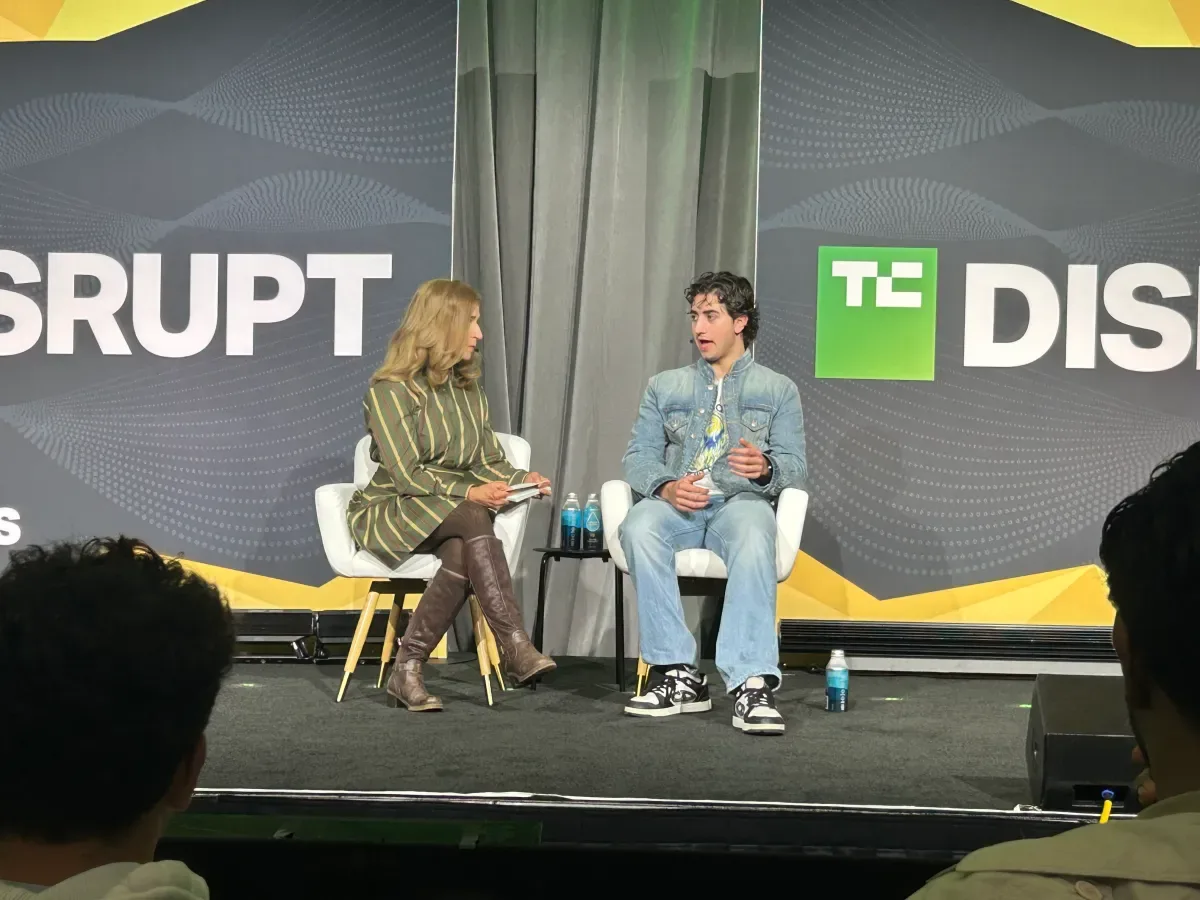
Cal AI’s founder says a network of influencers with close-knit audiences helped turn his AI-assisted calorie-tracking app into a consumer hit. Speaking at TechCrunch Disrupt on October 15, Zach Yadegari described recruiting creators quickly after an early promotion appeared to bring in new users.
According to TechCrunch’s account, Yadegari said one influencer post brought approximately a thousand users over two days. He then expanded the effort by paying more creators to post. This is his recollection of an early growth signal, not an independently measured conversion study.
The more specific tactic was negotiating payment against a promised amount of reach. Yadegari described asking influencers to keep posting until they reached the agreed target, and emphasized finding creators with tightly connected communities. The report describes a distribution process that could be repeated; it does not establish a universal return on influencer spending or disclose a complete customer-acquisition-cost calculation.
A fresh account of an existing business
TechCrunch reports that Cal AI was founded in 2024, generated more than $30 million in revenue over two years and was acquired by MyFitnessPal for an undisclosed amount in March. These are attributed business figures. The reported revenue is not profit, and the acquisition price is not disclosed.
The current news is Yadegari’s explanation of the marketing strategy at Disrupt. It should not be read as a new acquisition announcement, a new app launch or evidence that Cal AI’s nutritional estimates have been independently validated.
For consumer-AI builders, the account makes distribution the concrete subject: the founder singled out audience cohesion and negotiated posting commitments rather than a new model capability. Whether the same arrangement works for another app would depend on its audience, creator terms and measured conversions.
Related reading
Speculative Forcing reports 1.58x faster video by letting tokens stop early

PortOS adds shot-by-shot rendering to its AI music-video studio