Claude helped bring a forgotten SimCity-style school game to the browser
Bouke van der Bijl says Claude reconstructed a Pascal city-building game and fixed crashes after being asked to play it through; a fresh Hacker News discussion revisits the existing port.
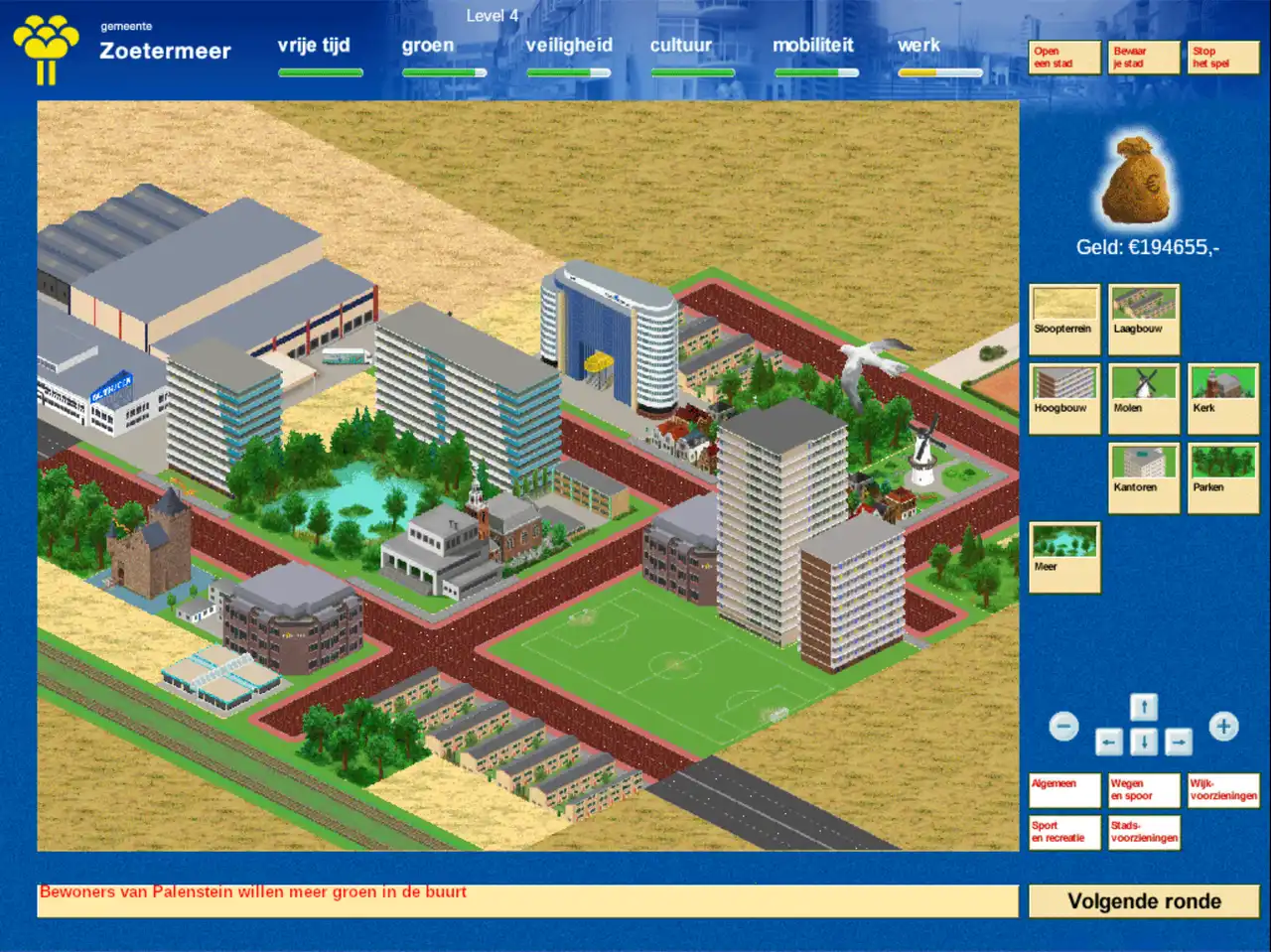
A city-building game once used in Dutch primary schools has become a concrete example of AI-assisted game preservation. Developer Bouke van der Bijl says he used Claude to reconstruct Virtueel Zoetermeer, an early-2000s SimCity-inspired game commissioned by the municipality of Zoetermeer, and get it running in a browser.
The port was already public on October 23, when van der Bijl linked it in an English X post. A new Hacker News submission on October 28 brought the project back into discussion. That supplies a current reason to revisit the work, without turning an older announcement into a new launch or claiming a measured adoption surge.
The useful part was the second instruction
In his English blog, dated October 2026, van der Bijl describes downloading the original archive and asking Claude to create a decompilation and make it work on the web. He says the first result ran but kept crashing. His follow-up was: “do a full playthrough of the game yourself and fix any crashes”. He reports that this fixed the bugs and made the game stable.
The game was written in Pascal, a language van der Bijl says he had never used. He describes the reconstructed source as equivalent source code and links both the code and a playable browser version from his blog. This is a specific reconstruction and repair workflow, rather than evidence that Claude can automatically preserve any game.
His experience with a larger target also gives the story useful context. The same post says his attempt to decompile the original Age of Mythology: Gold Edition had slowed substantially after a month, constrained in part by his token budget. The smaller municipal game offered a more tractable project.
Reconstruction is not proof of a matching binary
The blog introduces byte-matching decompilation as a general technique. That introduction does not establish that this particular browser port reproduces the original executable byte for byte. AITrending has not independently performed that comparison or completed a playthrough; the stability assessment remains the author’s claim.
The English Hacker News thread includes discussion of the Dutch source-code names and comments. Van der Bijl explains that the original class names were Dutch and that he asked the model to make the rest of the code match. Another commenter reported graphics failing to load, a reminder that a public port can still encounter client-side problems.
For readers curious about coding agents beyond greenfield apps, the appeal is tangible: an existing game, a reconstructed codebase and an accessible browser version linked from the author’s account. The original game’s age is part of that appeal, not a reason to relabel it as newly released software.