Garry Tan says his AI-agent token bill can reach $200K a year
TechCrunch reports the YC chief's estimate of $100,000 to $200,000 annually. His personal-agent enthusiasm comes with an admission that today's costs are a barrier to wider access.
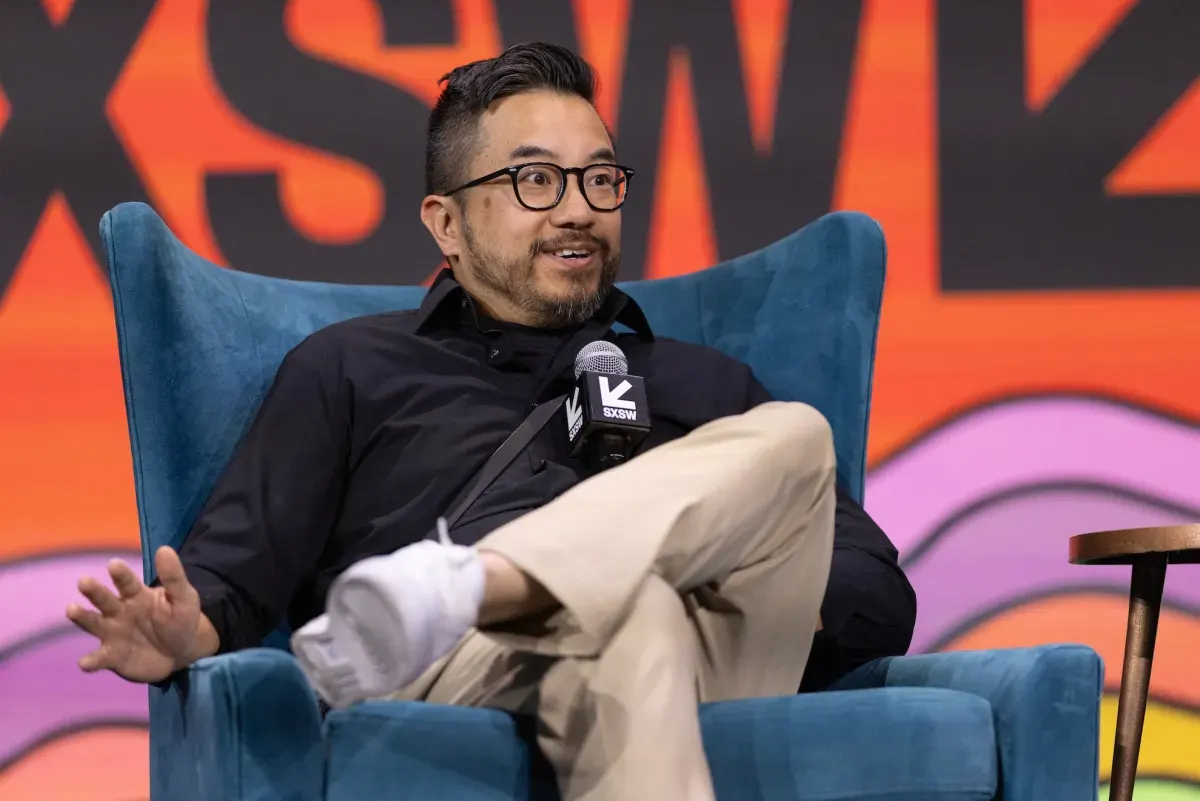
Garry Tan estimates that he spends roughly $100,000 to $200,000 a year on AI tokens, according to TechCrunch’s account of an upcoming interview with Walter Isaacson. The Y Combinator chief’s unusually large personal-agent budget gives a concrete price tag to an increasingly familiar ambition: software that knows its user well enough to act ahead of them.
TechCrunch’s Julie Bort reports that Tan made the estimate on The Builders, in an episode scheduled to publish on Tuesday. The amount is Tan’s self-reported annual estimate, not a set of invoices reviewed by AITrending. The report does not provide a provider-by-provider breakdown or establish a typical cost for other users.
More than coding help
According to the report, Tan uses agents for work projects, coding and interview preparation, as well as assistance grounded in personal information. He says his agent has read his email, Dropbox and Apple Notes. Those descriptions establish what Tan says he has connected, not an independent audit of the system’s access or data handling.
He also describes a Y Combinator internal agent called Stray Light, with company context involving founders, correspondence and applications. That is a separate organizational use case in the interview account; the report does not establish that its entire operating cost is included in Tan’s personal token estimate.
Tan has shared gstack, his collection of coding-agent skills, on GitHub. Sharing workflow instructions does not make the model calls behind an active agent free, and the reported spending is not evidence of a particular productivity return.
The enthusiast also sees the access problem
The cost caveat comes from Tan himself. TechCrunch quotes him saying agents are too expensive and acknowledging that his spending is a privilege others cannot necessarily afford. He argues for personal AI that users can control and program, while questioning whether agents controlled by large technology companies are the answer.
The news is a revealing estimate from a prominent heavy user, rather than a forecast that everyone will need a six-figure AI budget. AITrending reviewed TechCrunch’s original English report; it has not independently listened to the full upcoming interview or verified Tan’s bills. The practical issue raised by his account is whether deeply integrated personal agents can become affordable beyond the people already willing to pay heavily for them.
Related reading
OmO tells its architect to fix the code, and rolls back higher reasoning defaults