Genie 4 gives interactive AI worlds a voice and lets you rewrite the scene live
DeepMind's new world-model preview generates native audio and responds to live text edits, with trusted testers first and broader Google access still coming soon.
Google DeepMind announced Genie 4 on October 27, pitching interactive AI worlds that generate their own sound and can change while someone explores them. Native audio covers music, ambient noises and dialogue, while natural-language prompts can alter weather, move the camera or introduce a person or object during a simulation. Google’s published demonstrations are selected model outputs, not independent evidence that every requested scene behaves reliably.
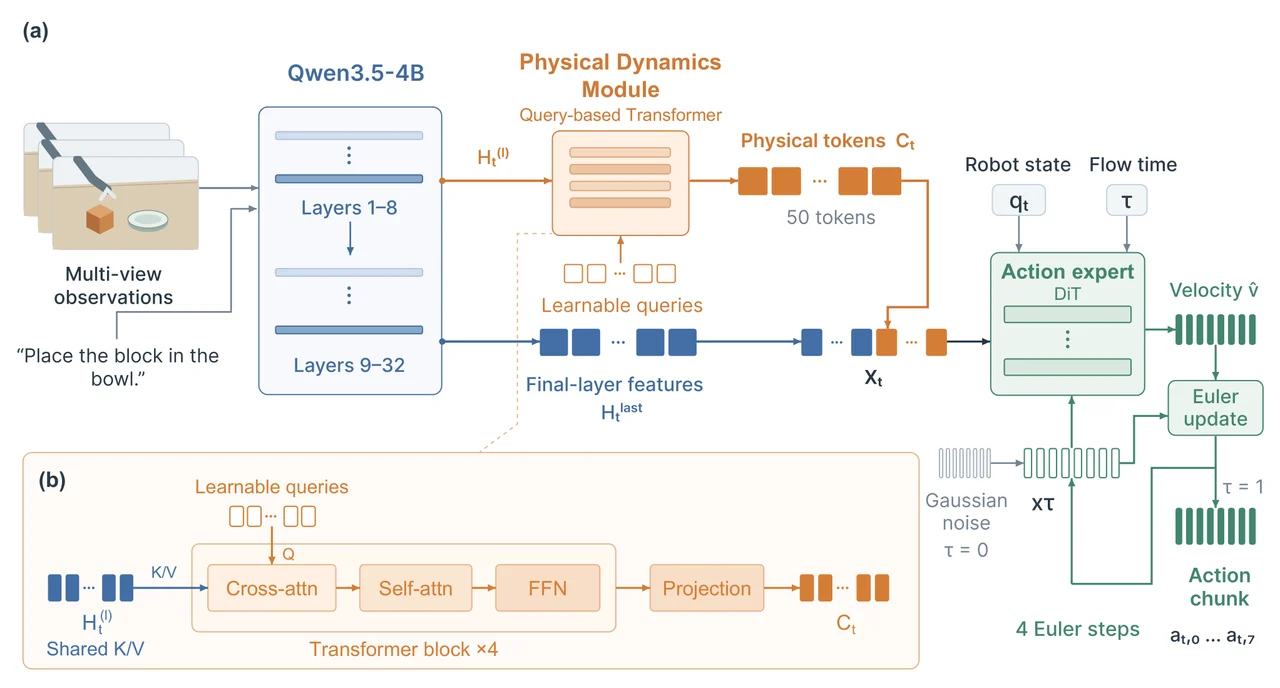
The model also brings Gemini into the simulation loop. DeepMind says Gemini Omni helps ground appearance and behavior, while other Gemini models provide reasoning and continuity. In one described setup, Gemini 3.8 Flash watches incoming frames, breaks a goal into steps and adjusts its plan as the user intervenes. Google also describes experimental work combining Genie with Gemini 4 Argon and robotics research. This is a proposal for testing and exploring scenarios, rather than proof that simulated outcomes transfer to real robots.
Access is narrower than the demonstrations might suggest. Genie 4 is rolling out as a research preview for trusted testers. Google says availability for Google AI Ultra subscribers in Project Genie, and early access partners in the Gemini API and Google AI Studio, is coming soon. The announcement links a waitlist; it does not establish immediate access for every Ultra subscriber or a generally available developer API.
The limitations remain consequential for both games and training environments. DeepMind acknowledges that visual details and object permanence can drift, especially during longer sessions, repeated edits or navigation. Complex physical interactions, spatial accuracy, legible text, audio accuracy and long-term consistency remain research problems. Google says generated video and audio will carry SynthID watermarks.
The new hook is a world you can interrupt and redirect, with sound generated alongside the visuals. For now, it is an experimental preview to watch for creative prototyping and agent simulation, with public access and sustained reliability still to be established.
Related reading
MAGAR-Bench opens 1,000 3D assembly challenges for multimodal agents
Loova brings product shoots and video ad workflows into AI agents through MCP