Mammoth-1 gets GGUF builds for Magnitude's local decision engine
Four new quantizations package the 27B model with metadata for yes/no, choice and score endpoints, giving local AI builders a concrete decision-model option.
Mammoth-1 has a new GGUF distribution aimed at local decisions rather than long chatbot replies. Magnitude’s October 29 upload provides Q4_K_M, Q5_K_M, Q6_K and Q8_0 files, with extra metadata that the uploader says lets its inference engine serve the model through dedicated decision endpoints.
The underlying model comes from Base Labs at Baseten: a 27-billion-parameter decision model post-trained from Qwen3.5-27B. Its original card describes taking a state, such as a support ticket, and answering questions with probabilities over predefined options. A workflow could ask whether a customer is requesting a refund, which team should handle a ticket or how urgent it is. The documented formats are noul for yes/no, choice for named options and score for ordered levels.
What this conversion adds
The GGUF card identifies source revision 61cec44 and says the weights are unchanged apart from quantization. Its addition is qwen35.decision.* metadata plus a tokenizer.chat_template.decision template, drawn from the source configuration, calibration and reference code. According to the uploader, these let Magnitude expose the model through /v1/systemone and /v1/decisions without model-specific code. Other runtimes ignore those metadata keys, so ordinary GGUF loading is not evidence that the same decision interface will work elsewhere.
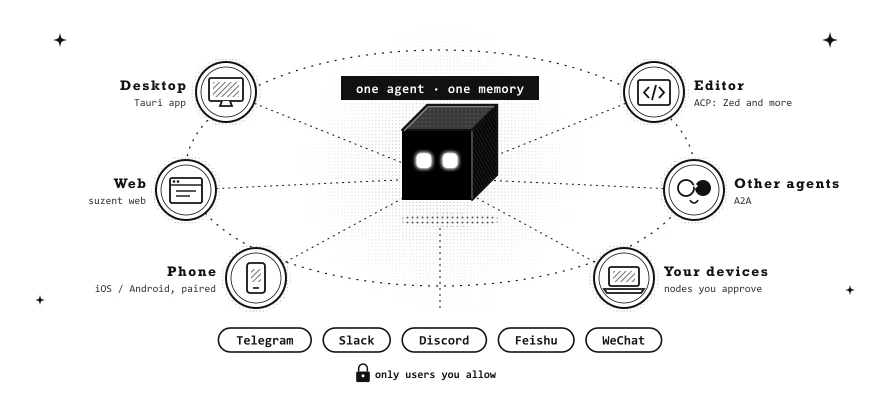
Magnitude distributes a desktop app and CLI for Windows, macOS and Linux. The new files offer builders already considering that engine a specific model to evaluate for routing, scoring and other bounded choices. The conversion card does not provide a model-specific installation recipe, minimum memory requirement or measured throughput, and AITrending has not run the files.
This is a new packaging and integration event for existing weights. The original model’s benchmark results do not establish the accuracy or probability calibration of these quantized builds. Users evaluating consequential decisions will need to measure those properties on their own tasks.
Related reading
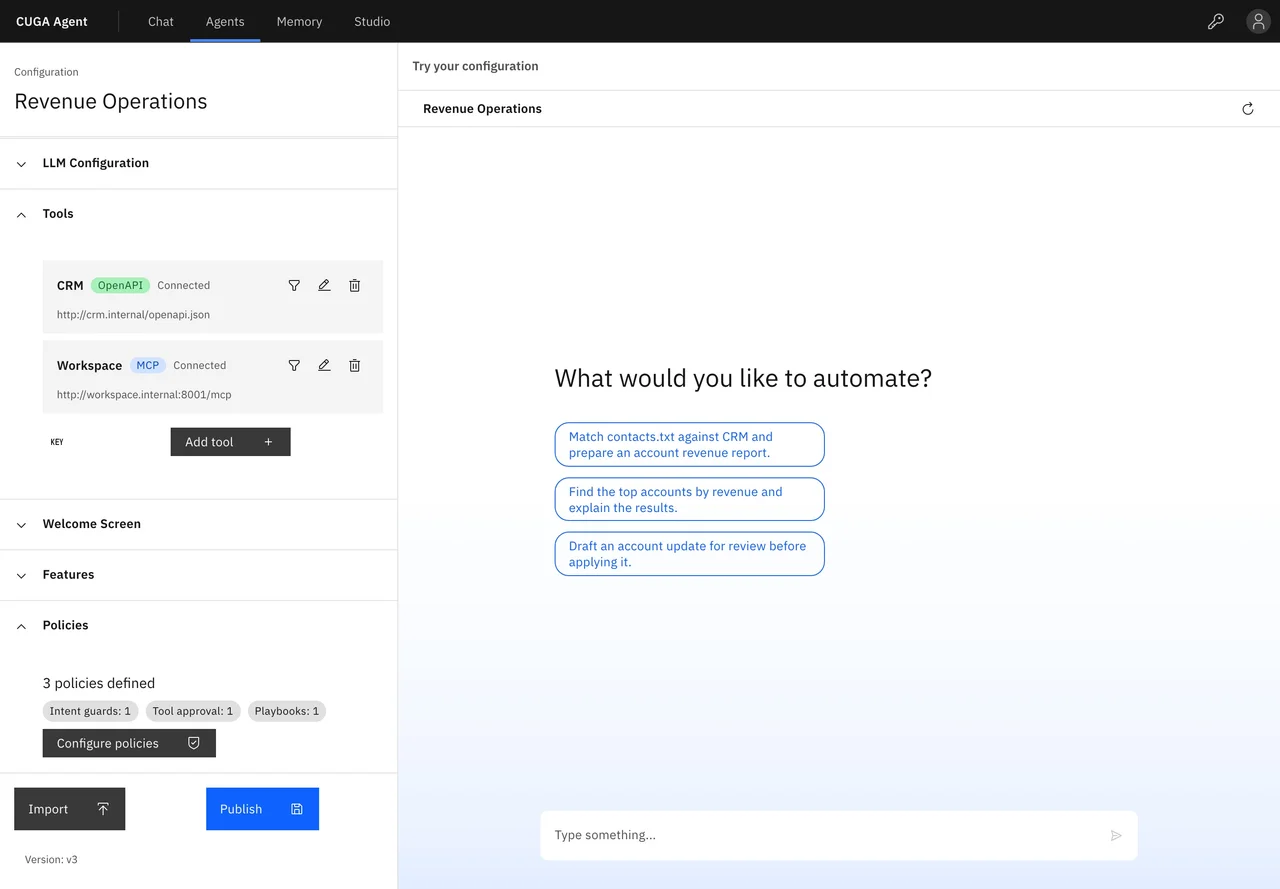
Same model, 30% to 81% task completion — IBM's CUGA team makes the case for choosing your harness