mlx-serve opens its local AI engine to plugins, with a better Codex handoff
The November release adds experimental installable model plugins, revised local Codex instructions and an Idol photo-to-3D workflow.
mlx-serve is giving developers a way to add models without rebuilding the whole local AI server. Version 26.11.1, released November 1, introduces an experimental plugin workflow alongside changes for local coding agents, media generation and model caching.
The core distinction is useful: mlx-serve is the inference server, while Codex, Claude Code, OpenCode and pi remain separate agent applications. Connecting an agent to it selects a local model through compatible APIs; it does not turn that model into the commercial model normally associated with the agent’s name.
Plugins extend the engine
The release adds mlx-serve plugin new, plugin check and plugin install. The app’s Models > Plugins view lists extensions, their requirements, downloadable packs and an enable switch. Model plugins supply model-specific loading and computation while the host retains HTTP handling, templates, sampling, tool calls, scheduling and the cache.
These are native dynamic libraries, not prompt-only skills or MCP servers. The versioned documentation says outside plugins currently work on macOS only, require explicit enablement in the plugin configuration, and need a server restart after replacement. Installation records a library hash; mismatched receipts or incompatible MLX versions can prevent loading. Passing plugin check establishes contract conformance, not numerical quality on every real model.
Codex gets updated local-model instructions
The release says the Codex launcher and app tab now provide instructions matching the tools the agent actually exposes. Its integration document describes a generated ~/.mlx-serve/codex/model-instructions.md file passed through a launch override. The launcher uses the user’s existing Codex home so its MCP servers, plugins and authentication remain available.
The Mac app is downloadable as a DMG and requires Apple Silicon with macOS 26.2 or later. A command-line server is also available through Homebrew. The server uses port 11234 and supports OpenAI-, Anthropic- and Ollama-compatible interfaces. The project is MIT-licensed and describes local operation without an account; model weights and hardware requirements remain separate considerations.
More than a plugin release
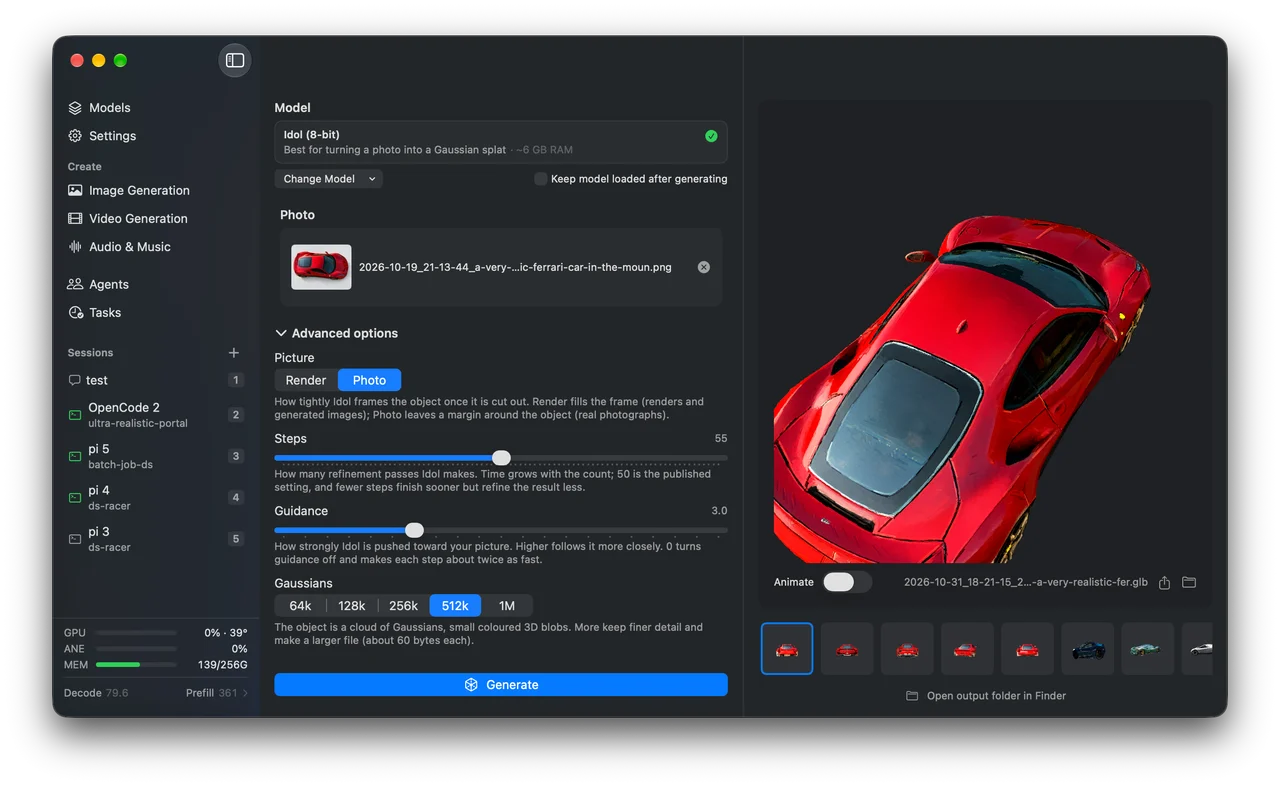
Other additions include an Idol photo-to-3D pane, LFM3 audio and vision routes, and changes to DeepSeek-V4.1-Flash prompt processing and conversation caching after interrupted replies. The developers say DeepSeek becomes faster, particularly on M5 Macs, but the release note does not give a single matched speedup figure for those changes. Its recommended-model list places DeepSeek-V4.1-Flash on Macs with 256 GB of memory.
The practical news is an extensible local serving route with documented boundaries. The features and performance descriptions here come from the project’s release and documentation, not an AITrending installation or benchmark.
Related reading
MLX-Serve Adds Video Storyboards, Music Tools and Linux NVIDIA Builds
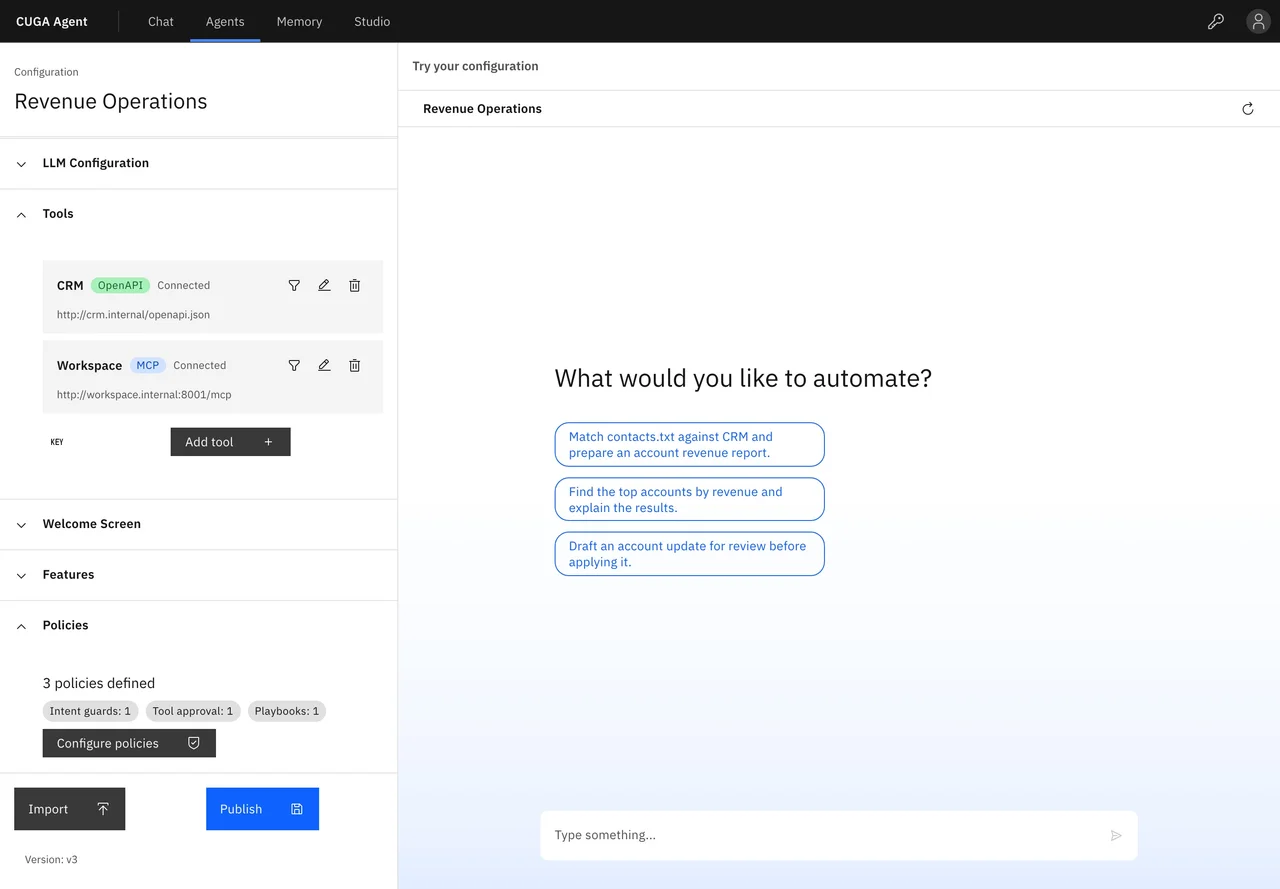
Same model, 30% to 81% task completion — IBM's CUGA team makes the case for choosing your harness