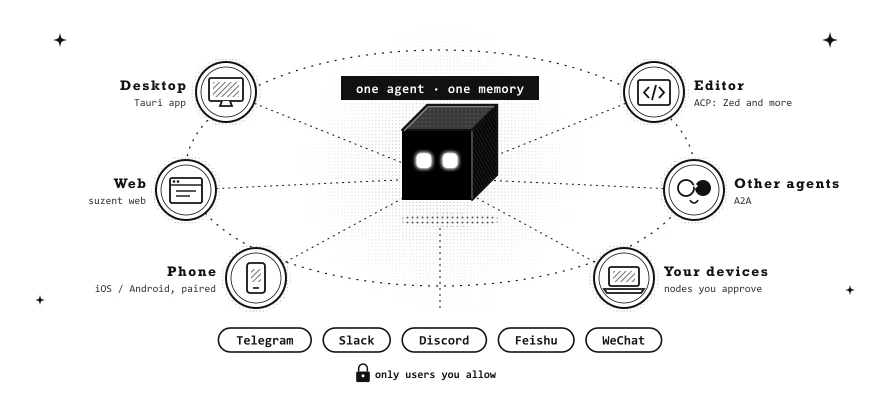
QwenPaw beta.2 puts chat channels in workers and adds a cancel button for skills
The AgentScope assistant's latest GitHub prerelease notes detail isolated channel plugins, cancellable skill-pool jobs and tagged memory browsing. The Python package predates today's notes.
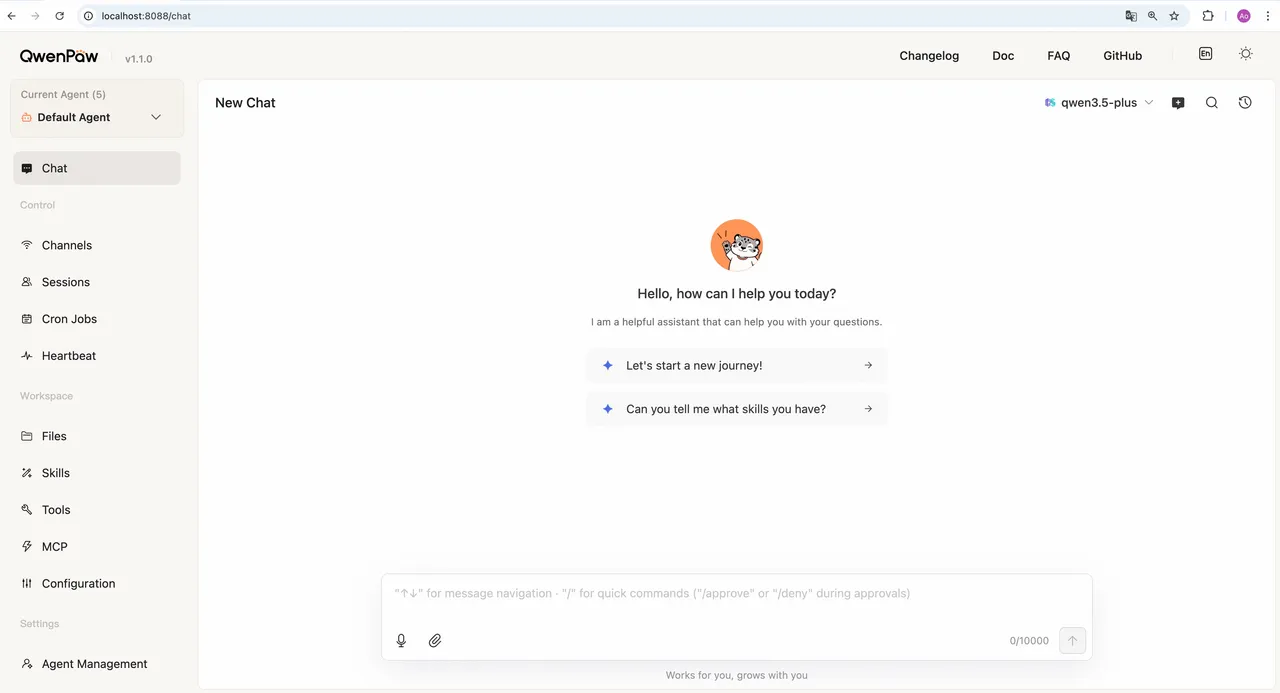
QwenPaw’s beta.2 release notes put two practical assistant problems in focus: a failing chat connector and a skill download that keeps running after you want to stop it. The AgentScope project’s prerelease lists channel plugins with subprocess isolation, cancellable skill-pool downloads and memory-file browsing by tags.
GitHub dates the release announcement November 2 at 06:08:12 UTC. The matching qwenpaw 2.3.0b2 package was uploaded to PyPI on October 30, while the channel and download changes merged on October 29 and October 28 respectively. Today’s notes are not evidence that these features first became available today.
Channels move out of the host process
The English migration description says official messaging channels, except Console, move into plugins discovered through channel.json descriptors. Platform SDKs need not be imported into the host merely to discover a channel, and workers start when their channels are enabled.
Agent execution, access control and message scheduling remain in the host. Installation, enable/disable, updates and rollback join the plugin lifecycle, with existing configurations intended to carry over. For people running several messaging integrations, the intended benefit is to contain channel failures and reduce host SDK imports. This process boundary is not proof that a malicious plugin cannot access sensitive data.
The pull request reports simulated services and real subprocess tests, without live bot credentials. It also lists native Windows, live messaging and complete desktop-release validation as outstanding. AITrending has not independently exercised those integrations.
Skill downloads become cancellable jobs
The skill-pool change replaces a blocking Console workflow with a job that can report running, cancelling, completed, failed or cancelled states. The documented API adds start, status and cancellation endpoints while retaining the old blocking endpoint for existing callers.
According to the implementation description, cancellation reuses rollback so a partial install is removed while a previously installed skill and its settings are preserved. The Console shows Cancelling until cleanup finishes; an install that already completed wins a concurrent cancellation. These are project-described behaviors, rather than AITrending test results.
A workstation, with your choice of model
QwenPaw is the assistant harness, not a new Qwen or DeepSeek model. Its Apache 2.0 code connects to local backends or configured cloud providers. Python users need 3.11 or newer, below 3.14; the exact beta package can be selected with pip install qwenpaw==2.3.0b2. The README then uses qwenpaw init and qwenpaw app, with the Console at http://127.0.0.1:8088/.
Cloud inference requires the chosen provider’s API key and separate provider charges. Local-only use does not need a cloud key. Messaging integrations need their own channel setup, and skills can interact with files, shell commands and external services under configurable access controls. The README also discloses initialization telemetry: interactive initialization offers a choice, while --defaults accepts it automatically.
The release remains a prerelease. Its appeal is more manageable everyday operations for a self-hosted assistant; the available notes do not establish universal security, reliability or performance gains.
Related reading
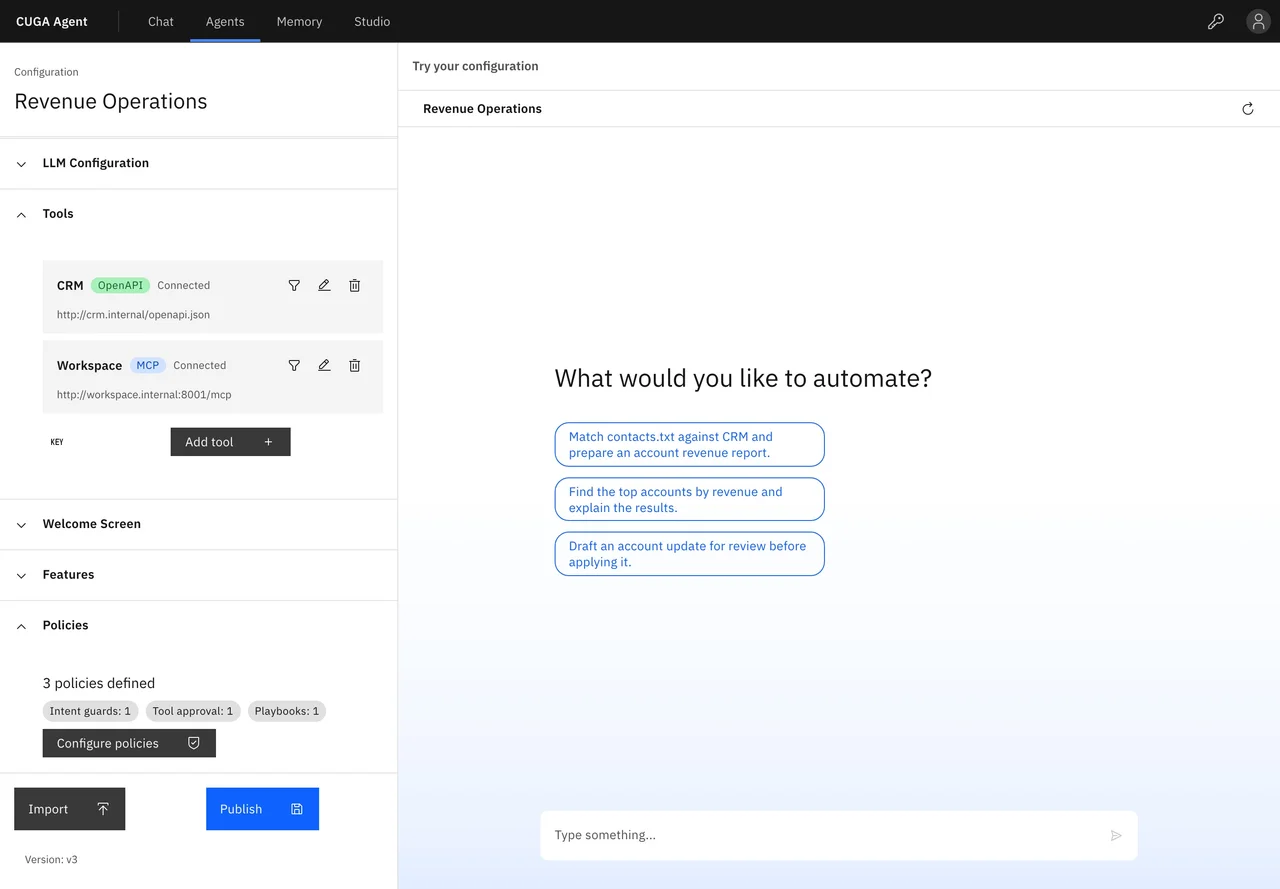
Same model, 30% to 81% task completion — IBM's CUGA team makes the case for choosing your harness