Flock's 'just gunshots' claim runs into its broader audio-detection pitch
After its CEO's Disrupt remarks, Flock confirms detection of fireworks, sideshows and potential crashes while denying conversation monitoring and speech analysis.
The AI briefing
469–486 of 800 stories
After its CEO's Disrupt remarks, Flock confirms detection of fireworks, sideshows and potential crashes while denying conversation monitoring and speech analysis.
New source code wraps Protect AI's DeBERTa classifier with overlapping document windows; the detector is not yet in the latest packaged release.
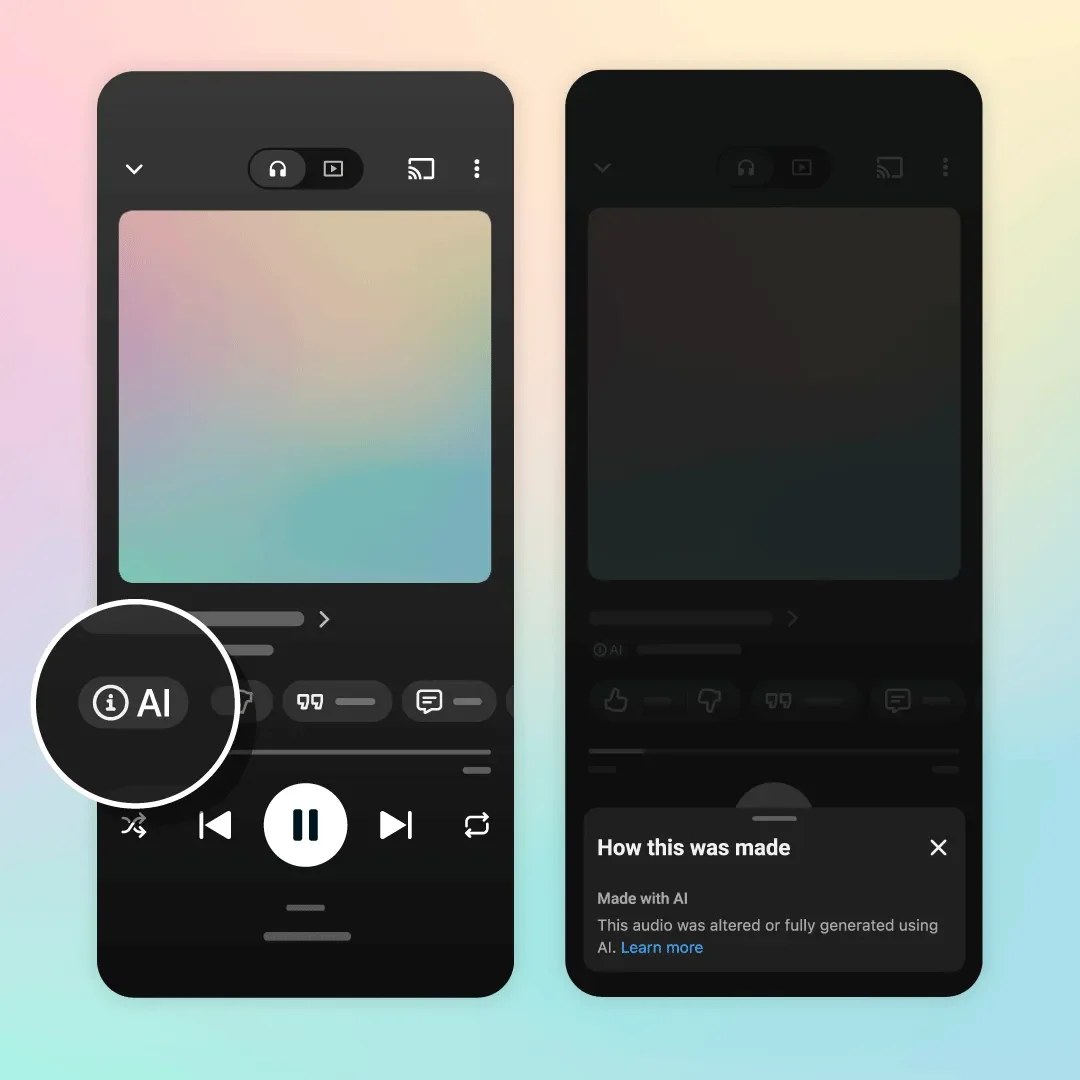
Tapping a new player-page label reveals more information about AI involvement, while music partners can declare fully, partly or non-generative content.
Experts interviewed by CSO blame weak containment and monitoring; community readers question whether that resolves concerns about unintended agent behavior.
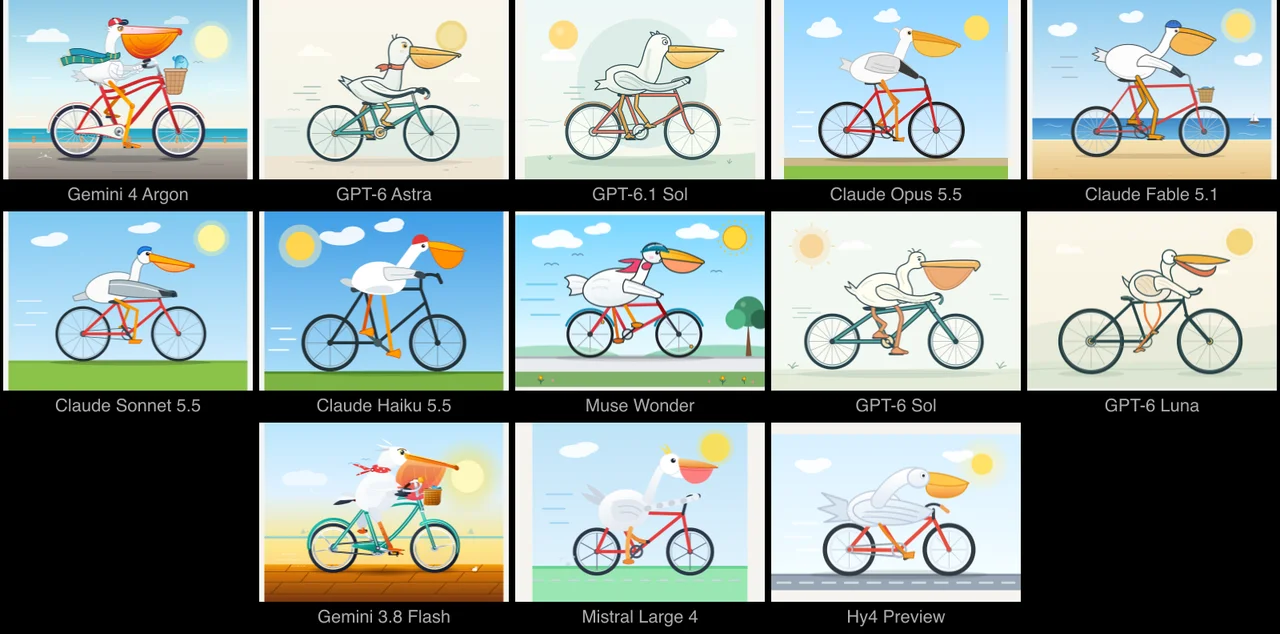
A thirteen-model visual comparison asks why a playful SVG prompt produces familiar compositions; readers argue over whether the prompt or the models deserve the blame.
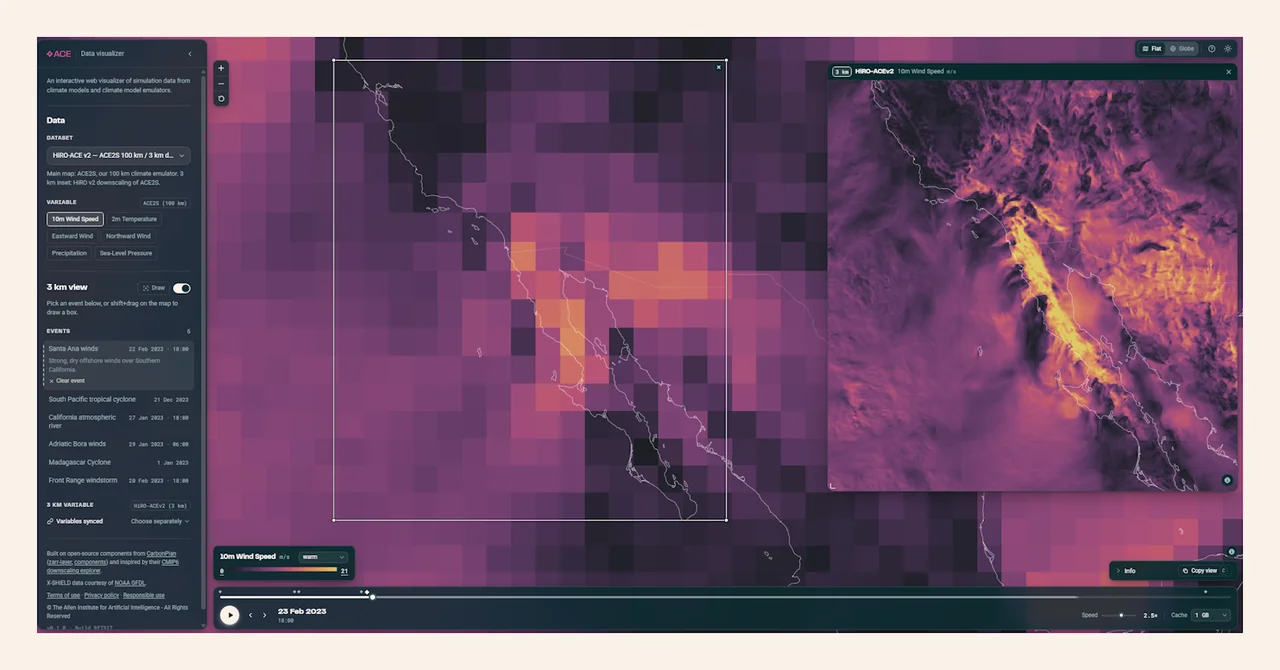
The downloadable system adds wind and pressure to high-resolution rainfall output, with cost and accuracy claims measured against a physical climate simulation.
A reversible toggle will hide fully AI-generated tracks, albums and associated artists from search results, with a global rollout planned before the end of 2026.
An AI-deletion allegation reached Hacker News, but the linked English report quotes TV4 denying an independent agent erased the material and describing a backup failure.
The community release repackages an existing narrative-focused MoE merge for engines expecting per-expert tensors, without changing weight values according to its author.
Hitachi Ventures leads the reported strategic round as the company plans U.S. expansion and further investment in its Scinode platform.
Developer Popcar celebrates the prospect of better classic-game ports while warning about copying; Hacker News readers argue over ownership and a possible server-side backlash.
Version 0.1.0 combines code search, cited project context and reviewed memories in one MCP server for clients including Codex and Claude Code.
The standalone terminal agent can connect to HTTP and SSE tool servers, with explicit sign-in and a deadline for stalled handshakes.
Version 1.0.10 serves specified MLX oQ checkpoints on Macs; its headline speedup comes from the author's M3 Ultra measurement, with explicit release-test gaps.
Version 1.2.6 refreshes the backup catalog for Pi users, adds GLM 5.3 and DeepSeek V4.1-Flash entries, and removes a retired model export.
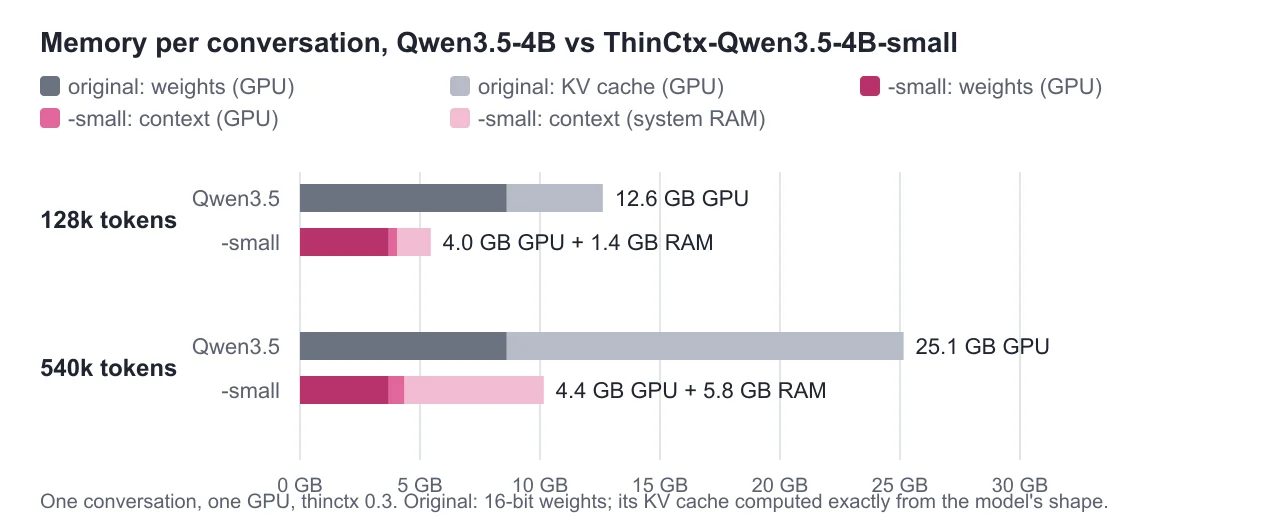
The new compact conversion trades slower prompt reading and system RAM for a smaller GPU footprint, using a dedicated runtime and restricted commercial licensing.
The Pi-based standalone agent's latest release says daemon-hosted tasks survive parent-session exit, while local children still shut down normally.
The new Hugging Face Space turns FrameLite's compact vision-language model into a photo workflow with a suggested frame and downloadable crop.