Bonsai 2's RTX 3090 conversion reports 297 tokens/s
A new 8.87 GiB native NInfer artifact brings Prism ML's existing ternary 27B model to the RTX 3090 fork. Its author reports 297 tokens/s on a short coding prompt with DFlash2.
The AI briefing
451–468 of 800 stories
A new 8.87 GiB native NInfer artifact brings Prism ML's existing ternary 27B model to the RTX 3090 fork. Its author reports 297 tokens/s on a short coding prompt with DFlash2.
A fresh Hacker News discussion questions whether AI-DLC's structured delivery process earns its complexity. An October 15 source fix also shows the practical difficulty of making agents pause correctly for approval.
The standalone coding-agent runtime now surfaces background MCP task status and accepts stop requests by task ID. The release also retries polling across timeouts and reconnects.
Version 1.12.0 gives Java agents explicit Gemini context caching and an opt-in restriction on configuration files that start local MCP processes. The restriction is off by default.
Version 2.11.0 records what providers say about training on prompts and retaining data, with a source and check date. An empty field means unknown, not a privacy verdict.
An October 15 source update changes how local ONNX workers stop and how interrupted model downloads resume. The maintainer reports macOS testing, with Windows still untested.
Geoffrey Huntley proposes keeping source and discussions open while making upstream integration optional, using Nix overlays to carry changes across development and deployment environments.
OllyGarden's latest skill update separates the newest configuration schema from what a specific runtime can parse, addressing a concrete failure in offline agent answers.
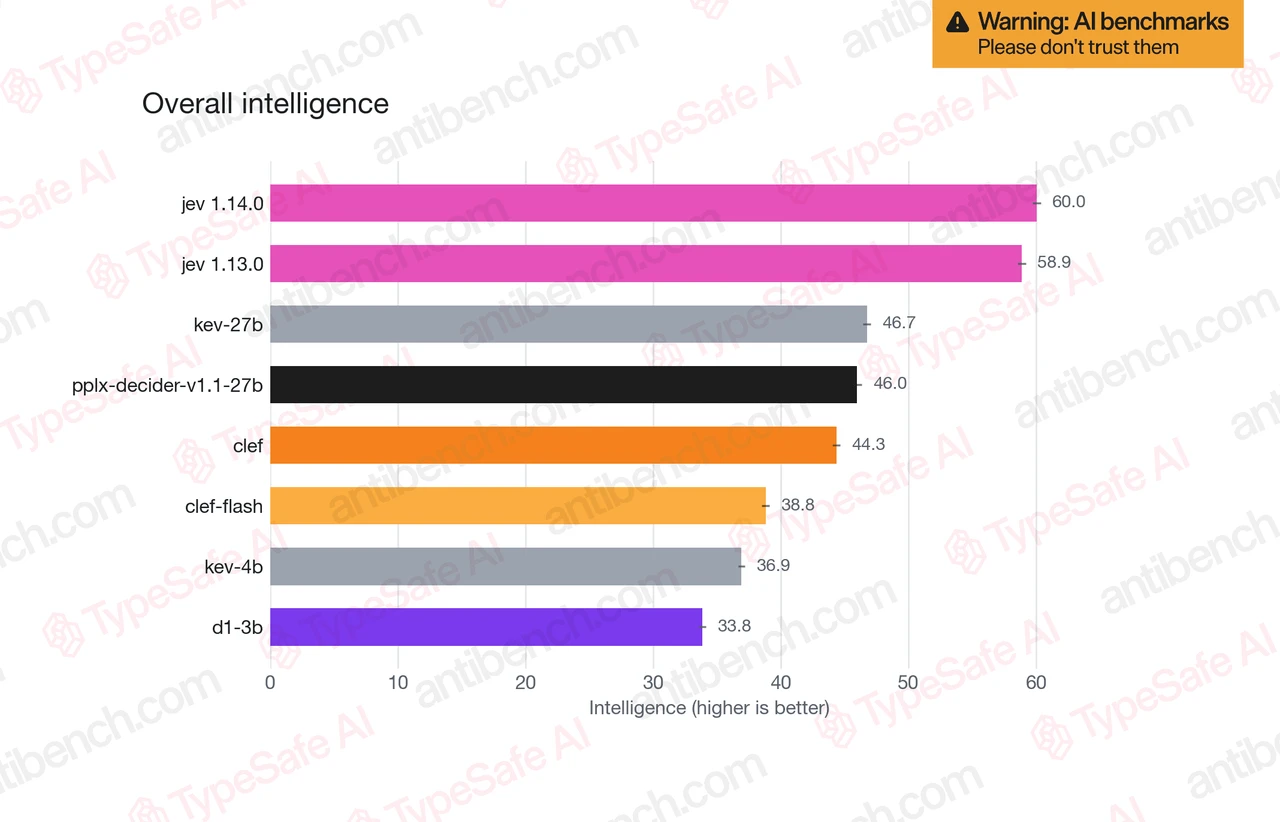
TypeSafe's decision model gains opt-in visual inputs and a new single-box output, while the company explicitly keeps these experimental capabilities outside its production-readiness claim.
The 256M-parameter open-weight model predicts numerical time series with future-known inputs, but its authors warn that an older runtime can silently degrade results.
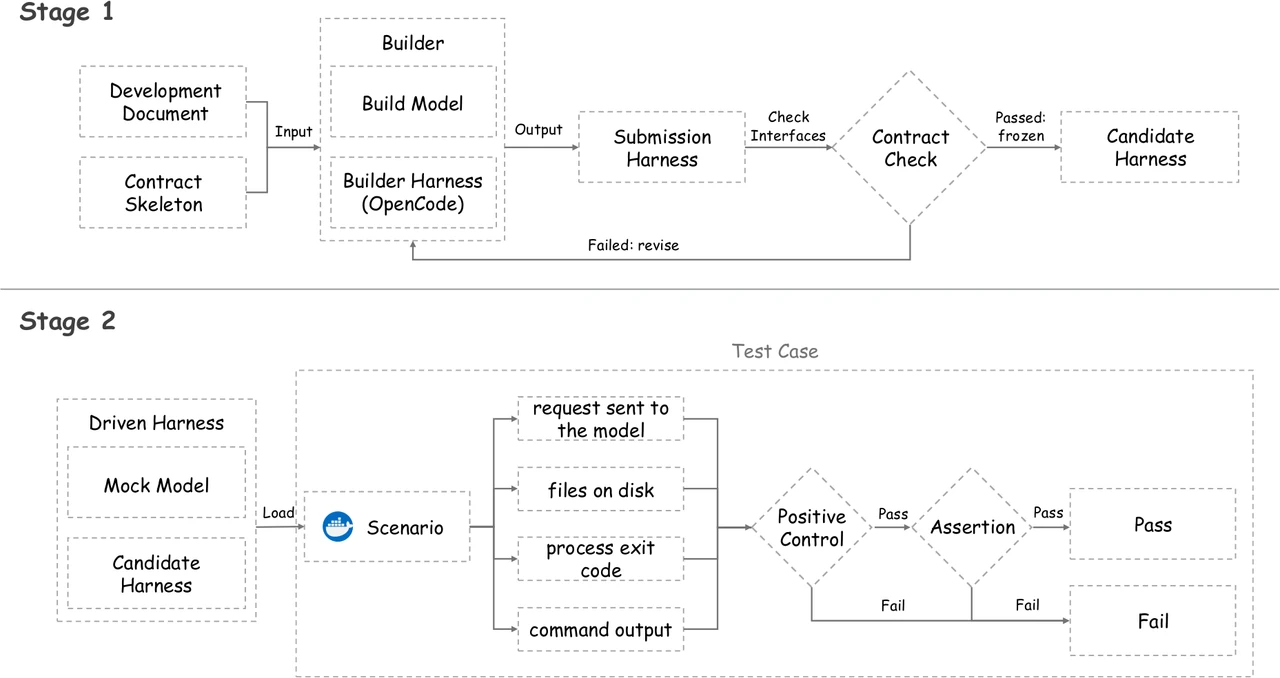
The new benchmark tests model-built coding-agent frameworks, with a public subset that exposes practical failure modes but cannot reproduce its full leaderboard alone.
A downloadable speculative draft reaches 33.49 tokens per second in its author's short-output MLX pilot, with a token-checking runner and a clear dependency on the Humanizer target.
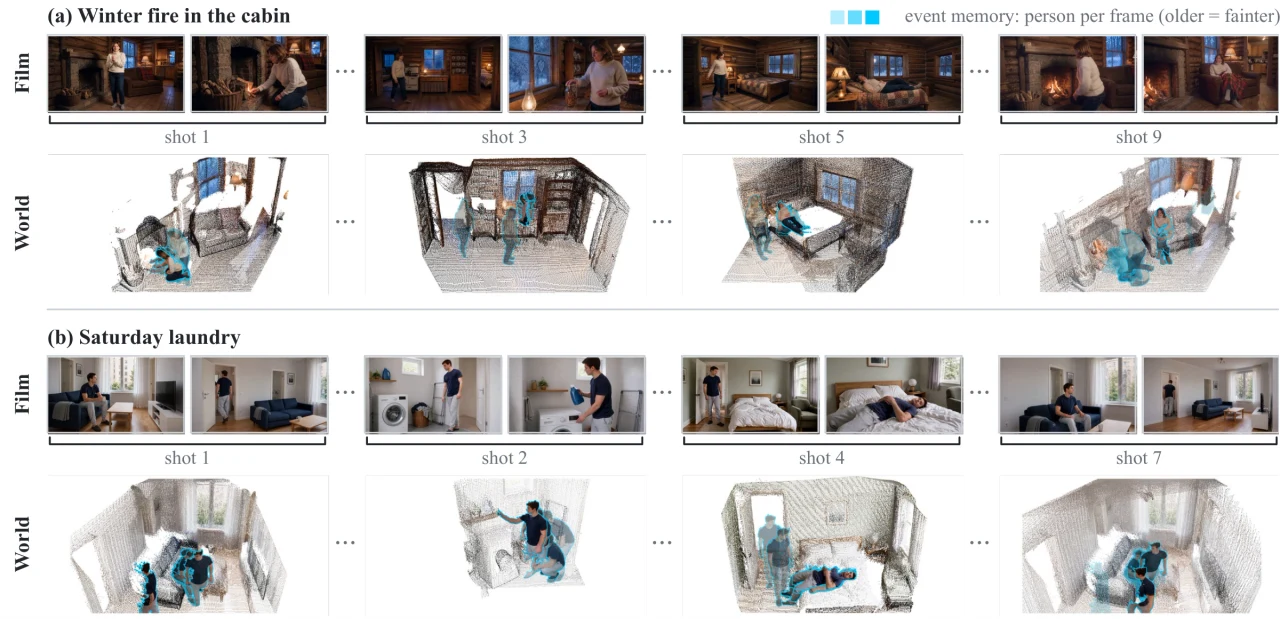
The research framework gives video agents separate memories for places and past events, so later shots can revisit a room or replay an action from another camera.
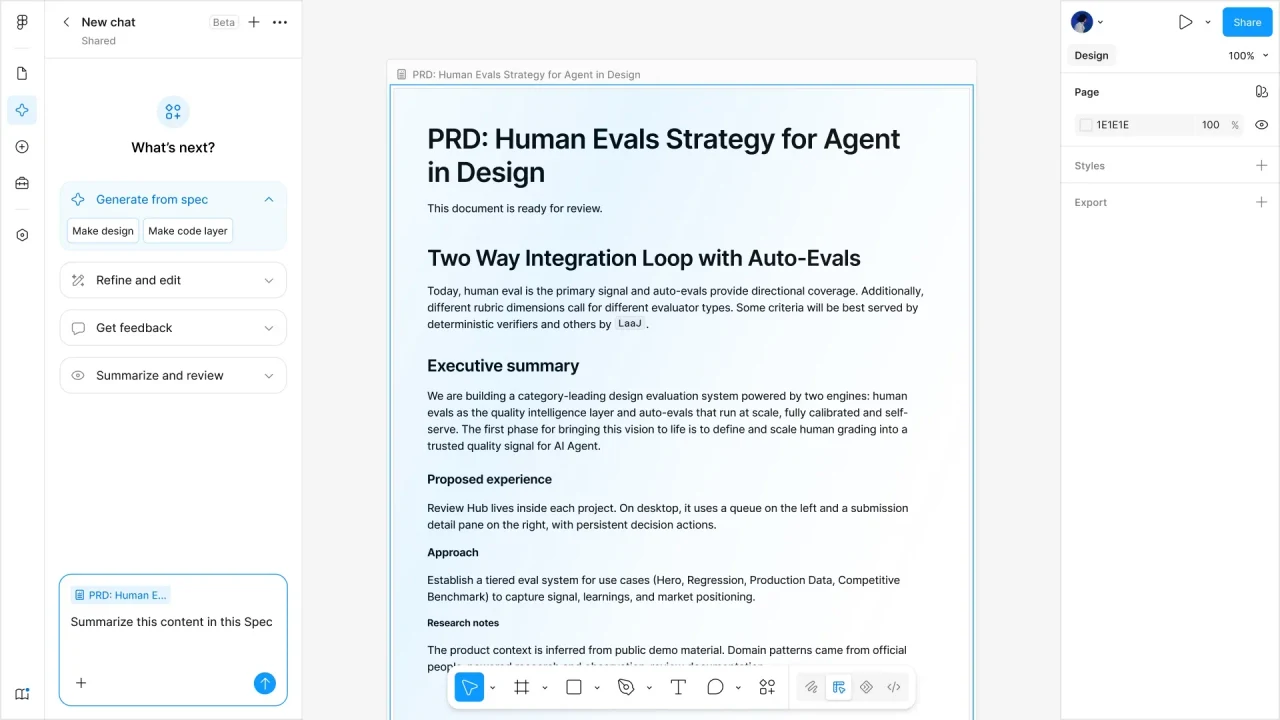
Specs brings written intent and visual context into Figma, while Code Layers enters open beta. The surrounding design-system features have different rollout stages.
Richard Young adds IQ3_M and IQ4_XS files plus imatrix-based Q4 and Q5 builds to the community Granite model; the original repository dates to September 28.
At Disrupt, Anna Goldie and Azalia Mirhoseini argue that AI can find unconventional layouts and make better use of existing compute infrastructure.
At Disrupt, the startup argues that mapping who spreads a rumor offers more warning than counting mentions; precise narrative geolocation remains a future plan.
A ten-patch revision targets page-cache read contention; Torvalds reports a 23-fold artificial benchmark gain, while LWN says review has already found a race.