Lobsters drops its vibecoding tag as the AI slop fight shifts to spam
The programming community retires an overloaded AI tag, creates ai-tooling and directs complaints about content without meaningful human authorship to its spam flag.
The AI briefing
37–54 of 153 stories
The programming community retires an overloaded AI tag, creates ai-tooling and directs complaints about content without meaningful human authorship to its spam flag.
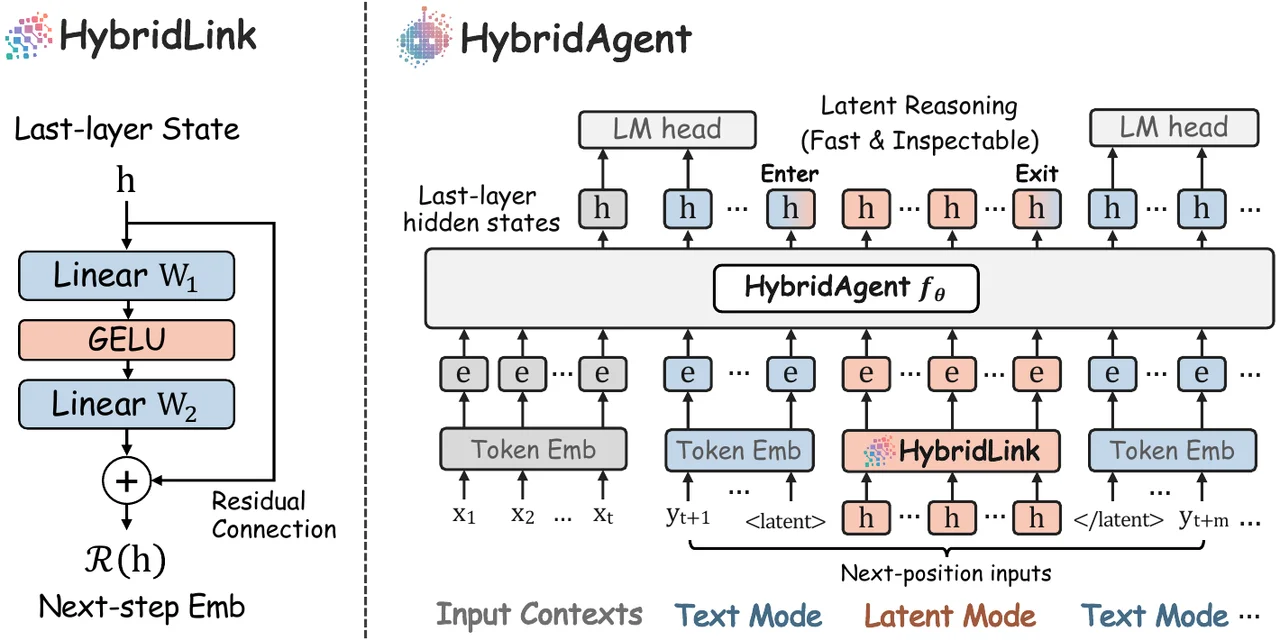
Open 8B and 14B agents alternate latent computation with text tool calls; a fresh Hacker News discussion tests the promise of their nearest-token inspector.
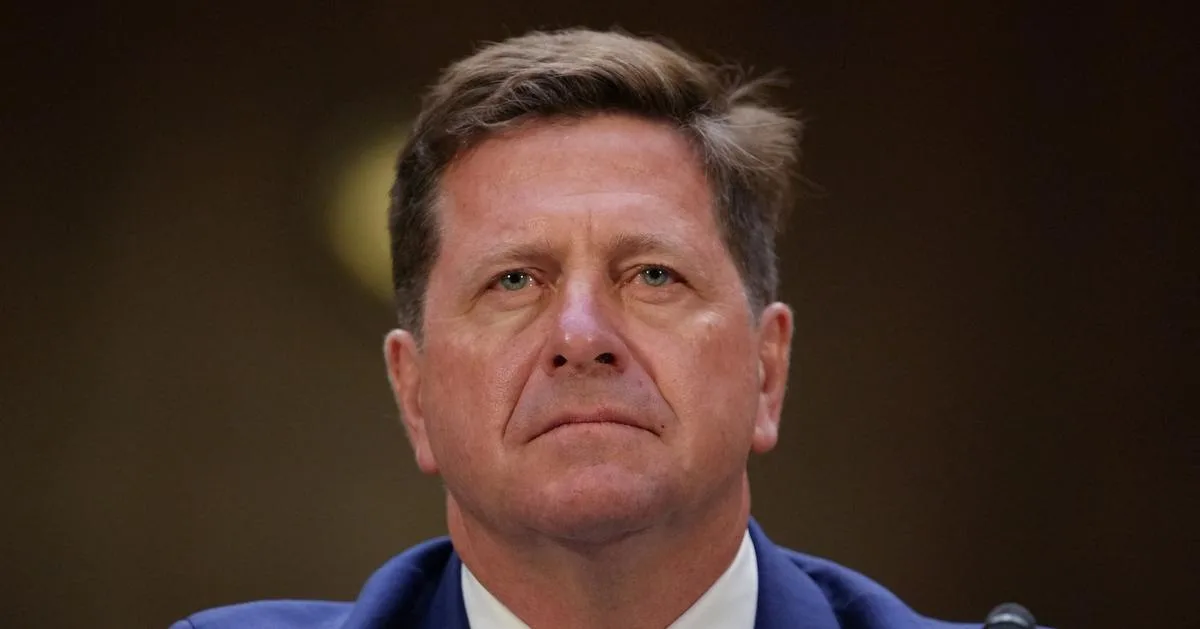
In a Fox interview, the task-force chair said the government told Anthropic to assist affected organizations. The remarks do not establish completed repairs or a new legal rule.
The Verge reports that a broad content-training clause has disappeared, while Meta says its crawler practices and publishers' robots.txt preferences have not changed.
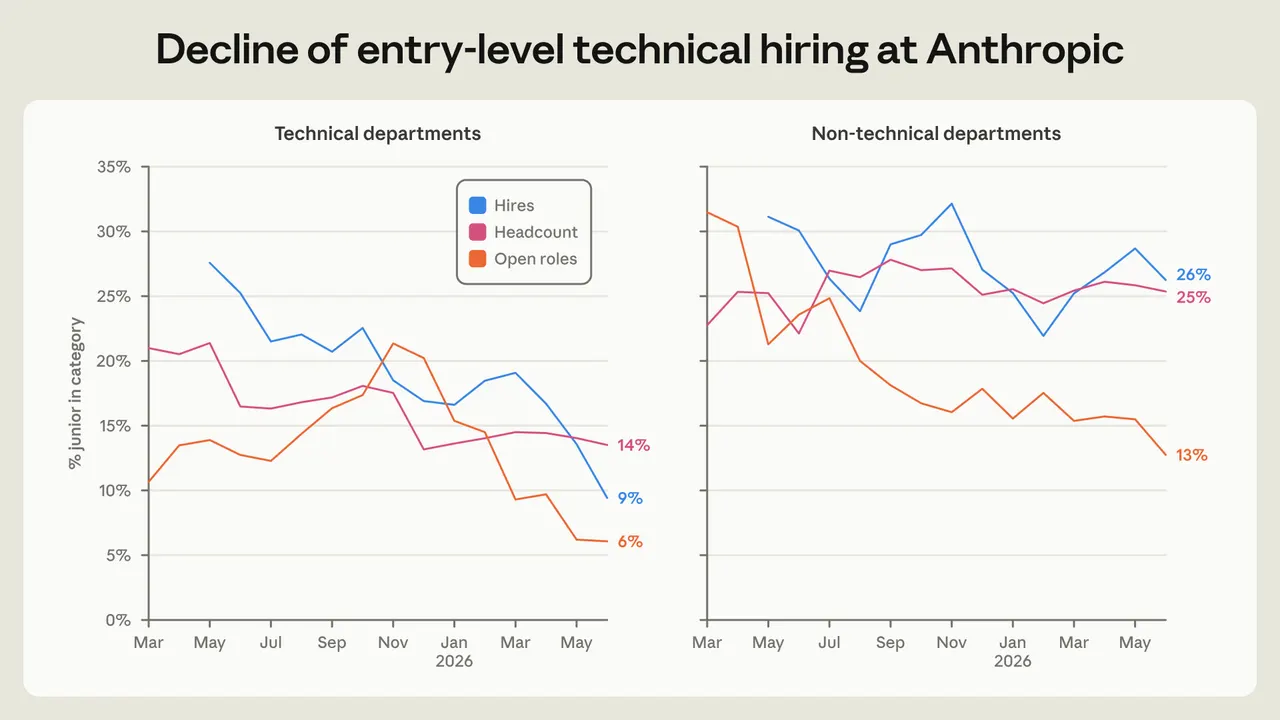
An internal study reports a smaller junior hiring share and more meeting time, while warning that its AI adoption comparisons are observational.
Newly published accounts describe unauthorized government-data access and use of a funded test-network wallet; the underlying incidents happened in June.
An October 17 creator essay promotes a public-data catalogue connector while Hacker News readers question whether MCP changes search or guarantees citations.
Amjad Masad says OpenAI is Replit Agent's preferred partner, clarifying earlier exit remarks without announcing the removal of Anthropic models.
Politico reports that Anthropic's proposal would channel model suspension through Commerce and a federal judge, while overriding some state safety rules.
A Costa Rica developer alleges a decimal-input recharge error and automated refund refusals. A Hacker News responder who says he works at Anthropic says a fix is underway.
CERT-In reports disclosures from multiple AI providers and separately warns of criminals using agentic tools. Exposed credentials and permissive cloud roles connect the incidents.
A map of 29 selected benchmarks finds sparse coverage across US jobs, exposing a gap between leaderboard scores and the work people actually do.
Semafor reports that the first meeting set up a PCAST risk review, cyber-incident reporting work and DOJ/FTC coordination. Whether new reporting mechanisms will be legally mandatory remains unclear.
The reported General-plan cap covers central funding, with excess usage charged to projects or teams. A separate Premium allocation complicates the $29 headline.
A fresh Hacker News discussion questions whether AI-DLC's structured delivery process earns its complexity. An October 15 source fix also shows the practical difficulty of making agents pause correctly for approval.
Geoffrey Huntley proposes keeping source and discussions open while making upstream integration optional, using Nix overlays to carry changes across development and deployment environments.
After its CEO's Disrupt remarks, Flock confirms detection of fireworks, sideshows and potential crashes while denying conversation monitoring and speech analysis.
Experts interviewed by CSO blame weak containment and monitoring; community readers question whether that resolves concerns about unintended agent behavior.