monday.com launches Harmony voice sales agents with a 200ms pitch
The new voice-agent platform targets lead qualification, follow-ups and CRM updates. Its launch claims about speed and sales gains come from monday.com and a named customer.
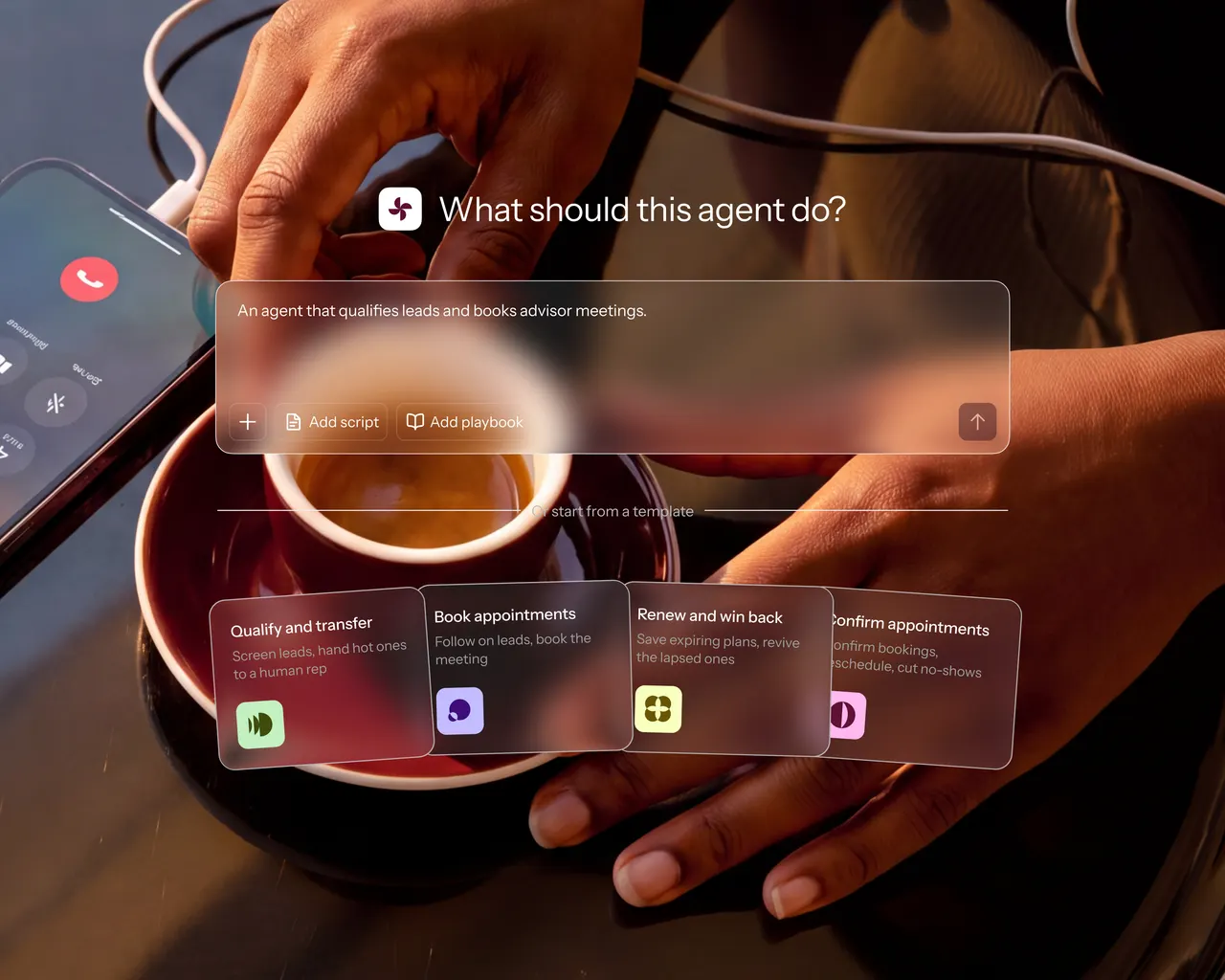
monday.com is putting specialized voice agents on the sales phone line. The company launched Harmony on October 19, pitching a platform that qualifies leads, follows up with prospects, handles objections and transfers promising calls to human representatives with a briefing.
The launch is available to mid-market and enterprise customers in the United States, United Kingdom, Australia and Singapore. Additional markets and languages are planned. That is the concrete availability statement behind the announcement’s broader language about operating in any market without limits.
Small models, live conversations
Harmony says it uses voice technology acquired from OneAI and proprietary, task-specific language models, with individual models dedicated to functions such as capturing data or qualifying leads. The company describes a real-time predictive engine coordinating them and says the compact models run largely on its own infrastructure.
Its headline performance claim is approximately 200 milliseconds from incoming audio to outgoing audio. That figure, and the assertion that conversations sound human, are company claims rather than AITrending measurements. The launch does not publish an independently reproduced benchmark establishing those results across call conditions.
The service combines voice agents with calling infrastructure built on Twilio, including inbound routing, dialing, consent controls and CRM write-back. The practical workflow is an agent reaching a lead, collecting qualification information and passing the conversation or its results into the team’s existing sales process. It is a hosted sales platform, not downloadable model weights or a general-purpose assistant.
What the published plans include
The English pricing page lists Pro at $0.39 per minute of AI voice-agent time, with a $250 monthly platform fee and a custom implementation fee. It says the minute rate varies by voice model. Pro lists up to three agents, ten concurrent calls and 100 calls per day.
Enterprise pricing is custom. Its listed additions include unlimited agents, custom concurrency and volume, hot transfers, API and MCP access, and implementation support. Buyers should therefore check plan entitlements rather than assume every capability described in the launch is included in Pro. CRM connections also need access to the systems whose records the agent will update.
The announcement quotes UK broker Bright Car Finance describing a 9% increase in deals closed in less than a year after using Harmony. That is a named customer’s reported outcome, not a nine-percentage-point conversion gain or a guarantee for other teams. Likewise, built-in consent and compliance controls do not by themselves establish that every customer’s calling campaign meets local rules.
For revenue teams, Harmony’s immediate proposition is faster follow-through on leads already in their pipeline, with telephony, conversation logic and CRM updates in one service. The launch and published fees are verifiable; the speed and revenue promises remain attributed to the people selling and using it.
Related reading
Harness2 turns agent runs into reusable harness edits, drawing a fresh debate
Lead Green opens a GPU energy index that AI assistants can query