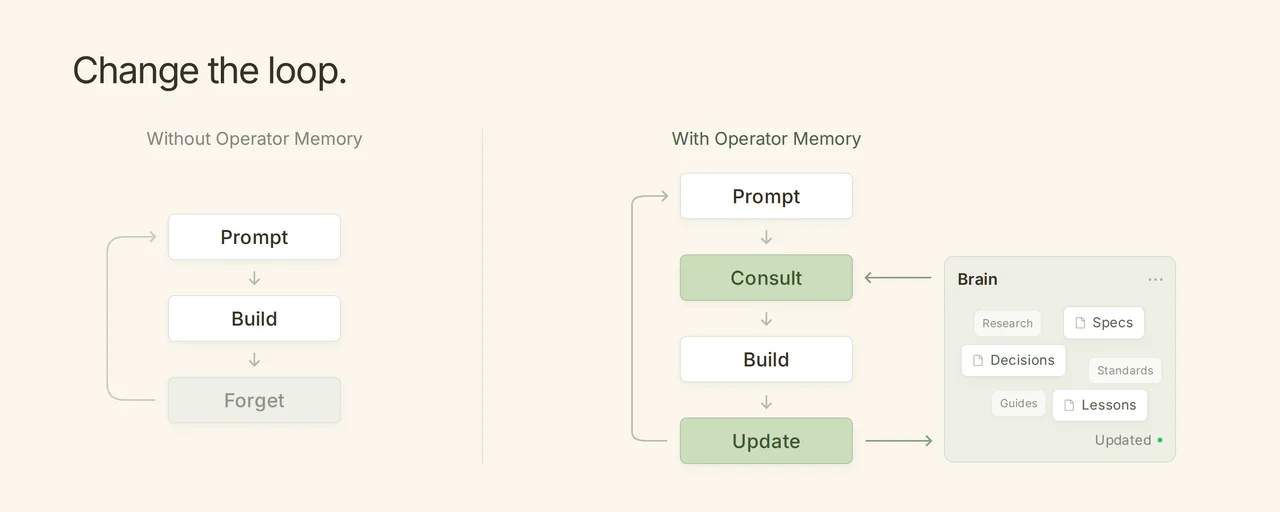
Kiki 0.5.1 lets you rebuild an agent's context without starting over
The open-source workbench says inactive conversations can reload current instructions while keeping their session ID, history, bindings and permissions.
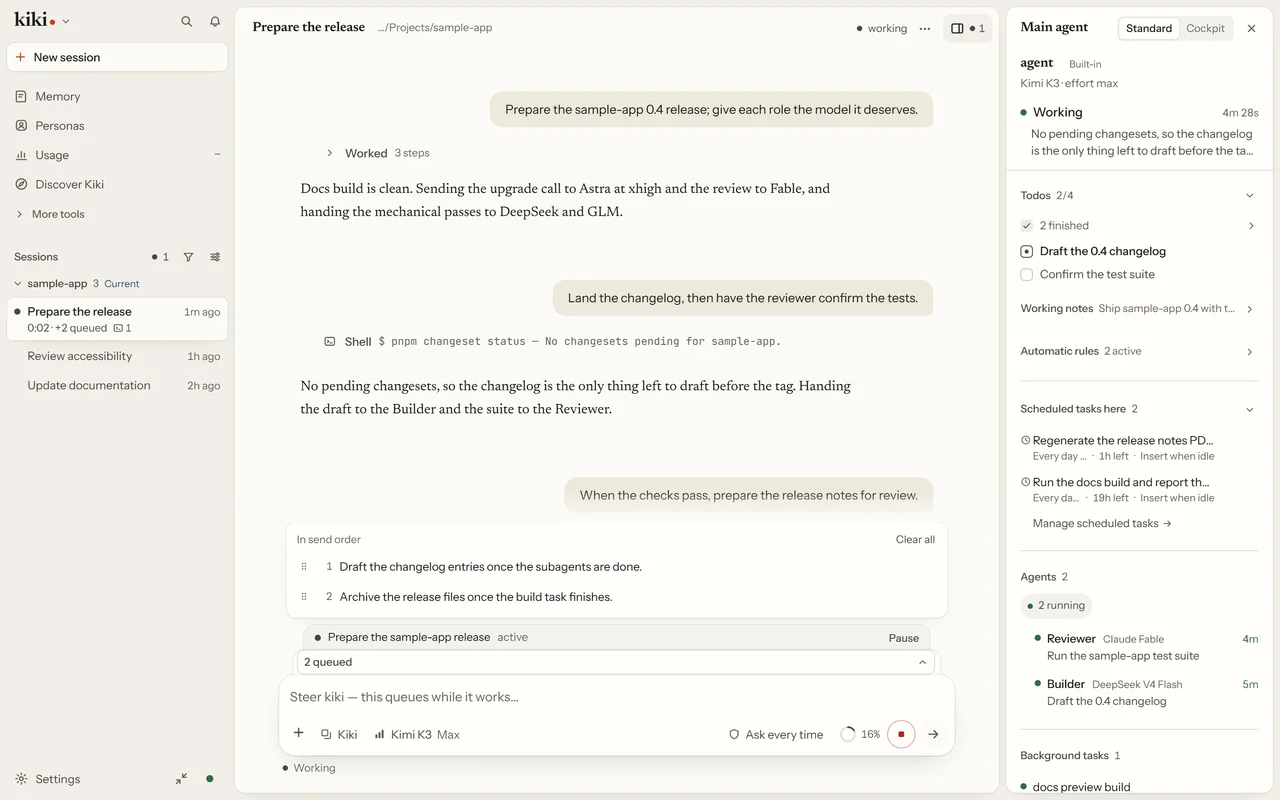
Refreshing an agent’s instructions no longer has to mean creating another conversation. Kiki 0.5.1, released November 4 at 02:04 UTC, adds context rebuilding for an inactive saved conversation. According to the release, it reloads current instruction sources while retaining the same session ID, bindings, permissions and history—and the rebuilding step sends no model request.
That is useful when an agent profile has changed since the session began. The tagged README says a running session keeps the profile snapshot it started with until its context is rebuilt. The feature gives users a way to refresh that context while keeping the conversation’s identity. The release specifies native Kiki execution support for context rebuilding; it should not be assumed to work identically through every external engine.
Memory gets a separate upgrade
The same release says startup automatically imports and validates existing memory in SQLite, preserving original files and the memory on/off setting. Corrected or forgotten memory is removed from later model requests. Ordinary edits remain undoable, while the explicit permanent-forget action clears historical payloads.
An optional Memory Advisor can use another model to recommend relevant entries within the existing context budget. Users choose its model and confirm the destination for each workspace before memory is sent out. This is separate from rebuilding a saved session without a model call; enabling an advisor does involve the selected service.
Kiki is an independently developed, MIT-licensed workbench that began as a Kimi Code fork, rather than a new model. Its desktop, terminal and browser surfaces share a local service, and users bring model accounts, API access or local servers. Those services determine model access and costs.
Version 0.5.1 offers Windows x64, Linux x64 and Intel or Apple silicon Mac desktop packages. The npm route is npm install -g kiki-agent@0.5.1; CLI-only users can choose kiki-agent-lite@0.5.1. It requires Node.js 24.22.1 or newer on the 24 line, or 26.12.1 or newer; Node 25 is unsupported. The release identifies Windows installers as unsigned and Mac packages as unsigned and unnotarized.
The project also reports preserving drafts and reading positions when reconnecting to a verified same-home service. These recovery and memory behaviors are documented changes; AITrending has not independently reproduced them.
Related reading
Agent Board 0.24.2 keeps lookalike agent sessions from stepping on each other
OpenCockpit gives Pi-backed agents a team—and stops children that repeat themselves