Tenstorrent raises $1.5B at a $6.2B valuation, TechCrunch reports
The reported financing backs chips for serving open-weight models and video generation after the inference startup chose to remain independent.
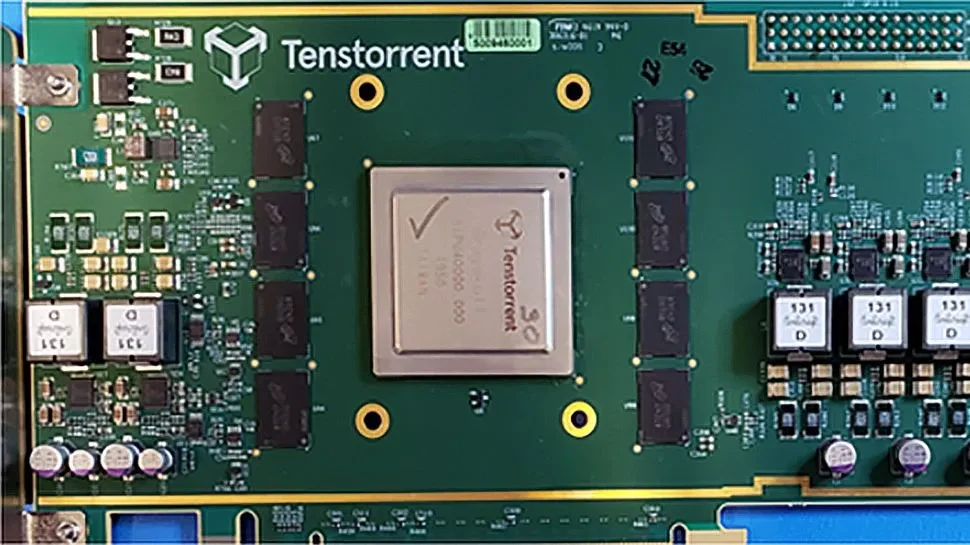
Tenstorrent has raised $1.5 billion at a $6.2 billion valuation, TechCrunch reported on October 19, putting fresh capital behind an alternative supplier of AI inference chips. The report says the money will help scale hardware tailored to serving open-weight AI models and video generation.
TechCrunch names Trace Capital, the new firm launched by Quiet Capital co-founder Ben Mahdavi, and Innovation X as the round’s leaders. Other backers include Cadence Ventures, Eclipse, Fidelity, SanDisk and T. Rowe Price. The reported valuation is more than double the $2.6 billion figure from late 2024 cited in the article.
Capital for serving models
The focus is inference: running models for applications after training. Open-weight models give developers downloadable parameters, but those applications still need hardware, compatible software and an economical serving arrangement. The reported financing targets that infrastructure market; it does not announce a new model or make Tenstorrent’s chip designs open-weight.
The article also says Intel and Qualcomm had reportedly shown acquisition interest earlier this year at valuations of as much as $5 billion. TechCrunch relays CEO Jim Keller’s explanation to Bloomberg that Tenstorrent chose to remain independent and raise more money after demonstrating that its Galaxy servers could run DeepSeek models.
That explanation is attributed to Keller through the report. It establishes the company’s stated reason for pursuing an independent funding path, rather than a measured comparison with NVIDIA hardware. The reviewed article supplies no model-specific throughput, power-use or cost-per-token results for that Galaxy demonstration.
The immediate development is the reported financing and its deployment focus. Whether those funds translate into a more competitive option for a particular inference workload still depends on the resulting products, software support and application-level measurements.