TextFold fixes a Windows upgrade bug that could empty library folders
Version 0.10.14 adds migration for older Windows files, protecting the local library behind its five-level AI reader and agent-reply folding workflow.
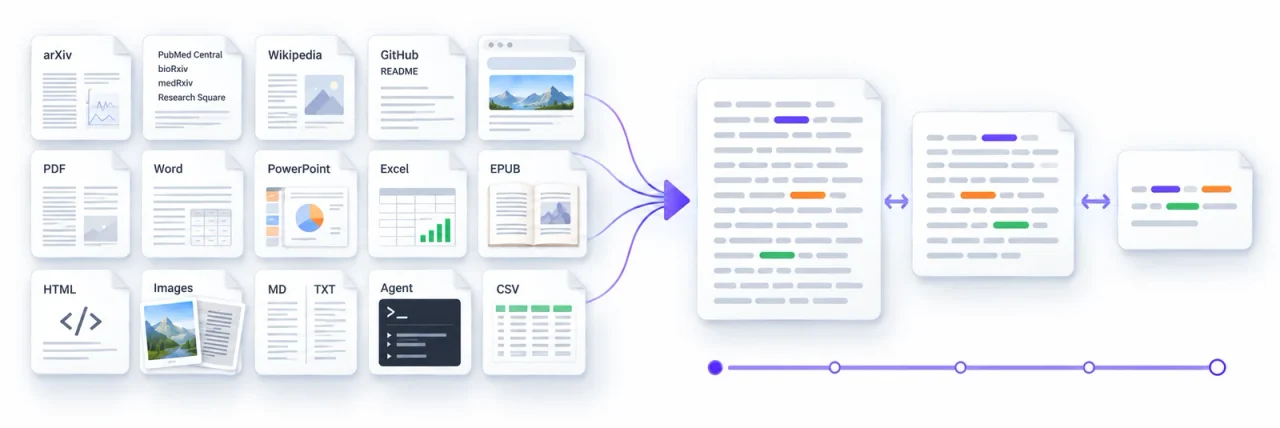
TextFold 0.10.14 addresses a Windows upgrade regression that could stop an existing reading library from opening and put its folder organization at risk. The October 19 release says older files are now read in their original system encoding and saved again as UTF-8.
According to the maintainer’s English release notes, TextFold 0.10.9 and earlier wrote local files using Windows’ system encoding, such as GBK on a Chinese-language Windows installation. Version 0.10.10 switched to UTF-8, so existing titles, translations or notes could trigger a decoding error. A library file that failed to load could also be treated as empty, leaving its folders vulnerable to being lost at the next save.
The fix is a migration for those existing files. The release says papers, translations, notes, folders and settings remain available after updating. It does not establish that folders already overwritten by an earlier version can be recovered; AITrending has not reproduced the migration on an affected Windows library.
Why this reader belongs in an agent workflow
TextFold, formerly PaperFold, lets readers move between full documents and increasingly compact levels of detail. Its separate Claude Code and Pi integrations fold agent replies in place without invoking a second summarizing model. Those integrations predate today’s repair: the README dates Pi support to October 15.
The documented requirements are Claude Code 2.1.287 or later, or Pi 1.2.0 and Node 22.15 or later. The standalone reader has macOS and Windows downloads; Python 3.9+ users can update with python3 -m pip install -U textfold. Document processing can use an existing agent connection or a configured model provider, with that provider’s access and usage costs. A locally running reader does not guarantee that text stays off cloud models.
For existing Windows users, the timely reason to update is library compatibility. For new users, the broader attraction is reading a document or agent response at the level of detail needed, rather than treating every long answer as an all-or-nothing wall of text.
Related reading
engrams 0.11 lets coding-agent sessions move hosts without abandoning the run
Build an AI agent in 300 lines? Harness Engineering 101 gets a v1.1 refresh