Autopilot 2.5 refuses stale file edits and stops deleting session history
The terminal coding harness adds per-session file hashes and puts history cleanup under the user's control.
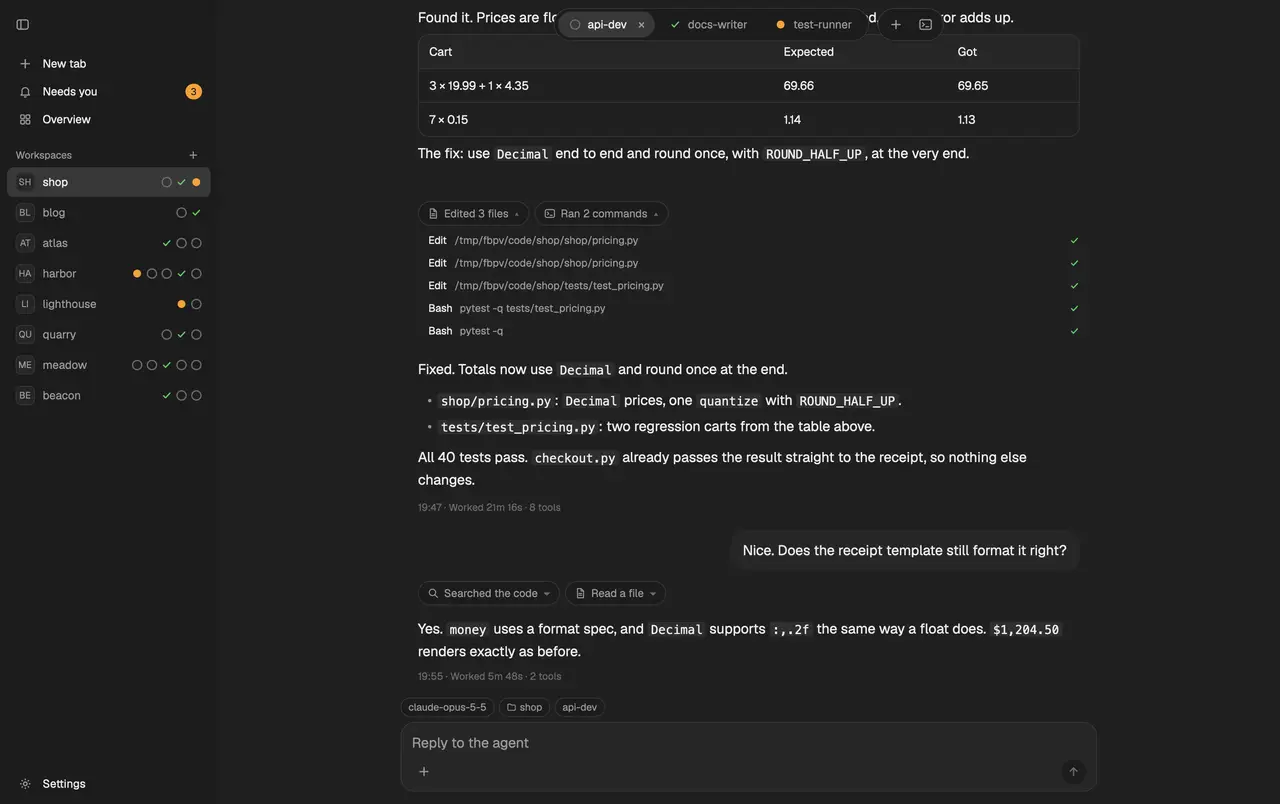
Autopilot 2.5.0 addresses a familiar coding-agent failure: editing a file from an outdated view of its contents. The October 28 release adds per-session file hashes to guard edits and overwrites. Its source rejects an operation when the file has not been read in that session or its bytes have changed since the last read, telling the agent to read it again before retrying.
That gives developers a concrete reason to look at this release when multiple tools or people touch the same working directory. The check concerns the harness’s guarded file operations; it is not a promise that arbitrary shell commands cannot overwrite files or that generated changes are correct. AITrending reviewed the implementation and release notes but did not run a concurrency benchmark.
The second change stops automatic deletion of saved sessions and traces. autopilot history reports counts, storage sizes, locations and the oldest history date. Cleanup becomes an explicit autopilot history prune --older-than <days> command. Startup suggests reviewing history once it reaches 1 GiB. Keeping more history can help later inspection, but also leaves storage management to the user; it is not a backup or encryption guarantee.
Autopilot is a standalone MIT terminal coding harness and SDK, formerly kimiflare, rather than a new model or a Claude Code plugin. Install it with npm install -g autopilot-ai; the documented runtime ranges are Node 22.23.4 within the 22 series, 24.22.1 within the 24 series, or 26.12.1 and later. Windows shells and Unix bash are supported, with Homebrew installation also documented for macOS and Linux.
Users separately configure hosted provider access, such as OpenRouter, OpenAI or DeepSeek, or a local model server. Provider usage can carry its own charges. Plan mode restricts work to read-only tools, Edit prompts for mutations, and Auto approves calls for trusted tasks. Those modes determine permissions; the new file hashes add a separate freshness check before guarded changes.
Related reading
Rexpad puts a coding agent’s live plan beside its terminal
Anfra lets AI-built dashboards show the rows behind a chart