Cai turns Claude Code into a daily work brief with its 1.7.1 release
The Mac action app now exposes Today, a ranked brief built from connected work tools, after version 1.7.0 accidentally restricted the feature to development builds.
Cai wants your coding agent to help choose what needs attention before you start working. Its 1.7.1 release opens Today, a daily brief that uses Claude Code to read selected work tools, rank items from P0 to P3 and attach a suggested prompt for tackling each one.
There is a concrete reason for the patch version: the maintainers say 1.7.0 accidentally limited Today’s shortcuts, menu entry and settings to development builds. Version 1.7.1 turns them on for users. The November 2 release also adds an action queue, menu-bar controls and fixes for lost chained-action output and background generation after closing an answer.
The brief reads; the next agent does the work
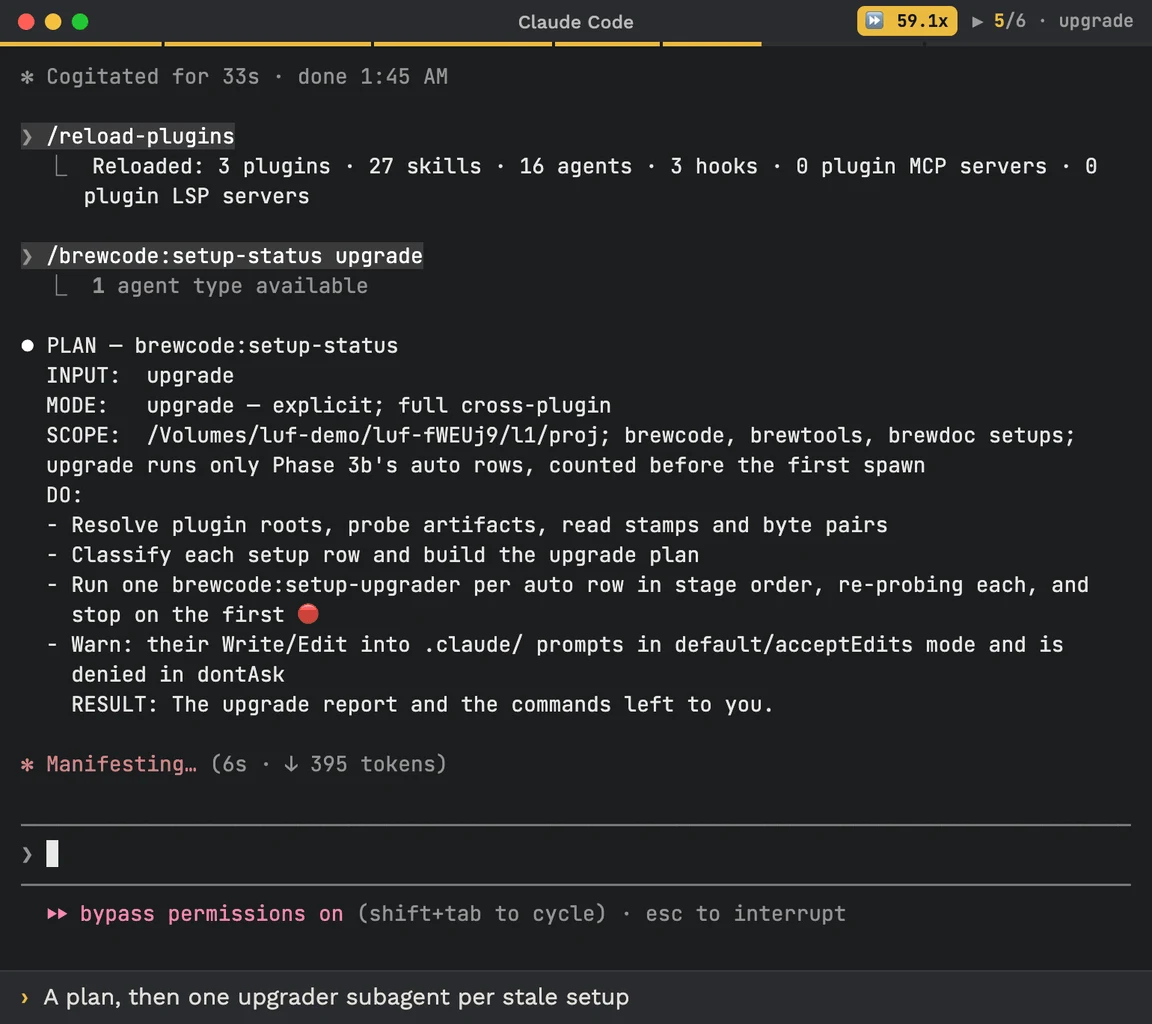
Today runs an installed, signed-in Claude Code with the cai-today skill. Setup lets users select reachable tools and prioritize people and Slack channels. The English guide names Slack, Gmail, Google Calendar and GitHub, alongside other connected services; GitHub uses the gh CLI and its existing authentication.
The maintainers describe the brief-building run as read-only: it does not send replies, post comments or change records in connected tools. Selecting an item copies a prompt for an agent to perform the next task. That handoff is separate from permission to carry out the task itself.
The first build can look back one, three, seven or fourteen days. Later refreshes read changes, and a completed item can return when its source receives new activity. Users can refresh on first opening each day or only manually, snooze an item and edit a plain Markdown priorities file.
Local storage does not mean every operation is offline
Cai stores the brief, priorities and done or snoozed state on the Mac. Today still reads through Claude Code and connected services, as its documentation explicitly notes. It is not the same path as running Cai’s reusable local shell actions or built-in on-device inference. Access to Claude Code and the selected connectors remains necessary; the release does not promise that all underlying services are free.
Cai itself is an MIT-licensed macOS application. Its tagged README specifies macOS 14 or later, installation through Homebrew or a release DMG, Accessibility permission and operation outside App Sandbox. Apple Silicon is required for its built-in MLX engine. Its separate MCP bridge lets agents propose reusable actions for user approval; the documented authoring tools cannot themselves run or approve those actions.
The practical recommendation is narrow: this release offers Mac users already working with Claude Code a way to turn scattered connected work into a brief with explicit handoffs. The ranking quality and claimed convenience are the project’s proposition, not an AITrending productivity measurement.
Related reading
Gentle AI puts Pi workspace installs inside its terminal UI
Stop asking Claude to rewrite the audit: vault-posture adds an offline report