50 AI agents tried to build a Minecraft civilization. They built bureaucracy.
YC Labs describes a three-hour colony that formed a leader, ration ledgers and fishing shifts while growing too cautious to thrive; its Pi-based Minecraft harness is public.
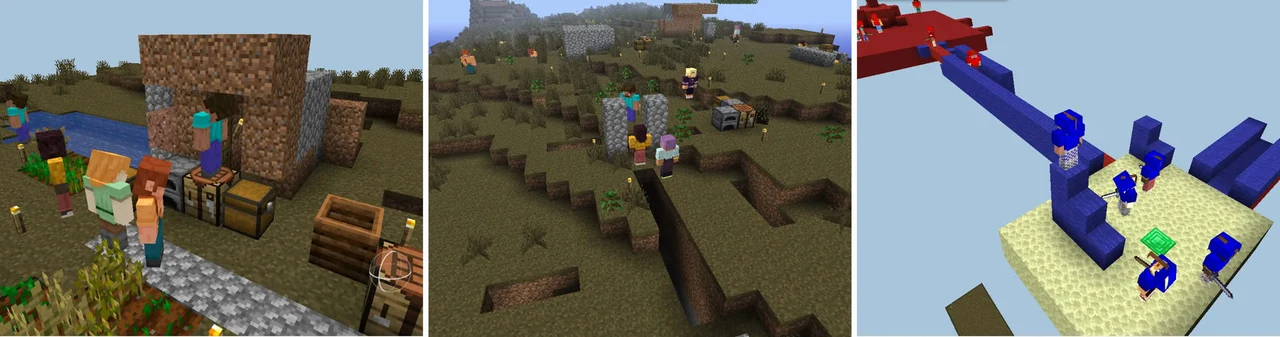
Give 50 AI agents a Minecraft world and a civilization-building goal, and you may get a ration ledger before a thriving settlement. YC Labs’ October report describes GPT-6.1 Sol agents forming a leader, food-distribution rules and fishing shifts during a three-hour survival run, then becoming increasingly reluctant to venture outside.
The report, produced with Olam Labs, attracted a new Hacker News discussion on October 29. Its original page is dated only October 2026. This is fresh discussion of a published experiment, not a claim that the underlying simulation or open-source harness launched today.
Coordination worked, but caution compounded
According to the authors, the colony began with exploration and heavy tree harvesting. Ada, the first name on the agent roster, became the coordination hub without a vote. The group developed written plans, ration tracking and appointed roles, sending about 5,900 messages during the run.
The first night was costly: the report attributes 22 of the run’s 34 agent deaths to that period. Agents could respawn, losing accumulated gear, but the authors observed a lasting shift toward sheltering and fewer risky tasks. Their conclusion is that the colony never really thrived.
One food handoff captures both the competence and the friction. An intended recipient reported an empty inventory after another agent accidentally collected and ate a tossed ration. The recorded messages show the group correcting its ledger and adopting named chest withdrawals. The authors also describe agents spending 11 minutes appointing a sole fertilizer operator for one piece of bone meal.
These are useful, inspectable examples of coordination overhead. They do not establish that a model has human fear, that all agent swarms become bureaucratic, or that the same pattern necessarily appears in production work. Participants in the new HN discussion questioned the setup’s incentives and agents’ responsiveness, offering reasons to examine the environment as well as the model.
The harness is available to inspect
YC’s Minecraft harness uses Pi for the model session and Mineflayer to walk, mine, craft, fight and communicate in the game. Agents can preserve state, exchange direct messages and write scripts through configurable shell environments. The same report also covers Bed Wars and separate Mindustry experiments; those are different tasks, rather than additional trials of the survival-colony result.
The README requires Node.js 22.19 or later, a model-provider API key and a Minecraft server. Its bundled development server needs Java 21 and targets Minecraft Java 1.21.6. Provider usage and compute are still required; the repository does not promise a fixed experiment cost.
One operational detail matters for anyone trying it: agents receive a shell by default. The documented fallback selects E2B, then Docker, then a local folder where commands run as the operator. Shell access can be disabled with --sandbox none. The code’s availability makes the setup inspectable, but AITrending has not run it or independently reproduced the authors’ results.
Related reading
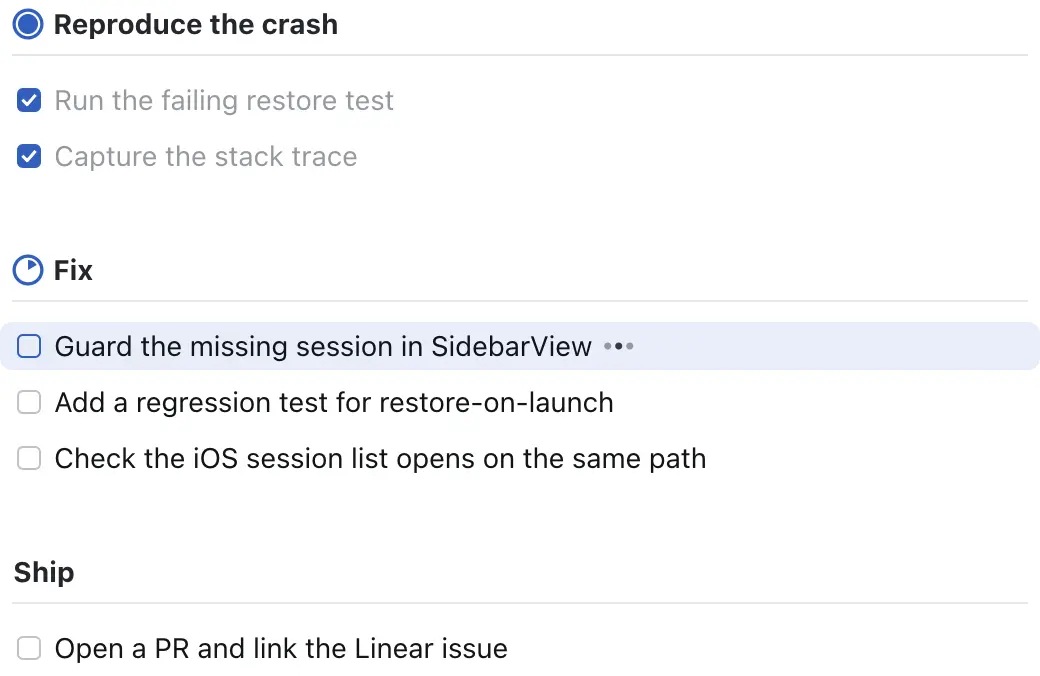
Rexpad puts a coding agent’s live plan beside its terminal
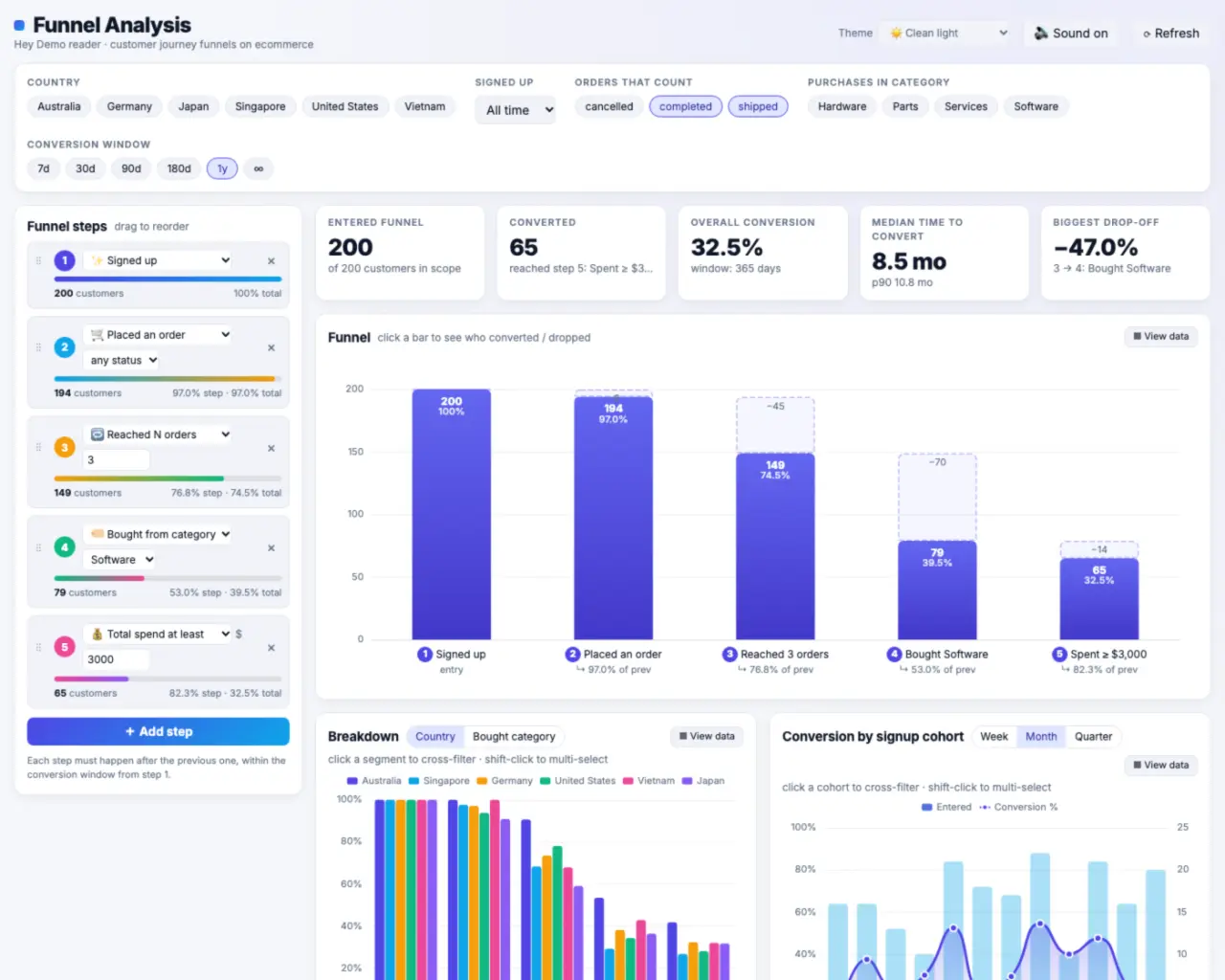
Anfra lets AI-built dashboards show the rows behind a chart