A 1.27 GB Qwen that says yes more often: Unlocked GGUF shows the coding cost
Angronain's new community weight edit targets refusals and thinking loops, with Ollama setup instructions and unusually explicit author-reported tradeoffs.
The AI briefing
55–72 of 800 stories
Angronain's new community weight edit targets refusals and thinking loops, with Ollama setup instructions and unusually explicit author-reported tradeoffs.
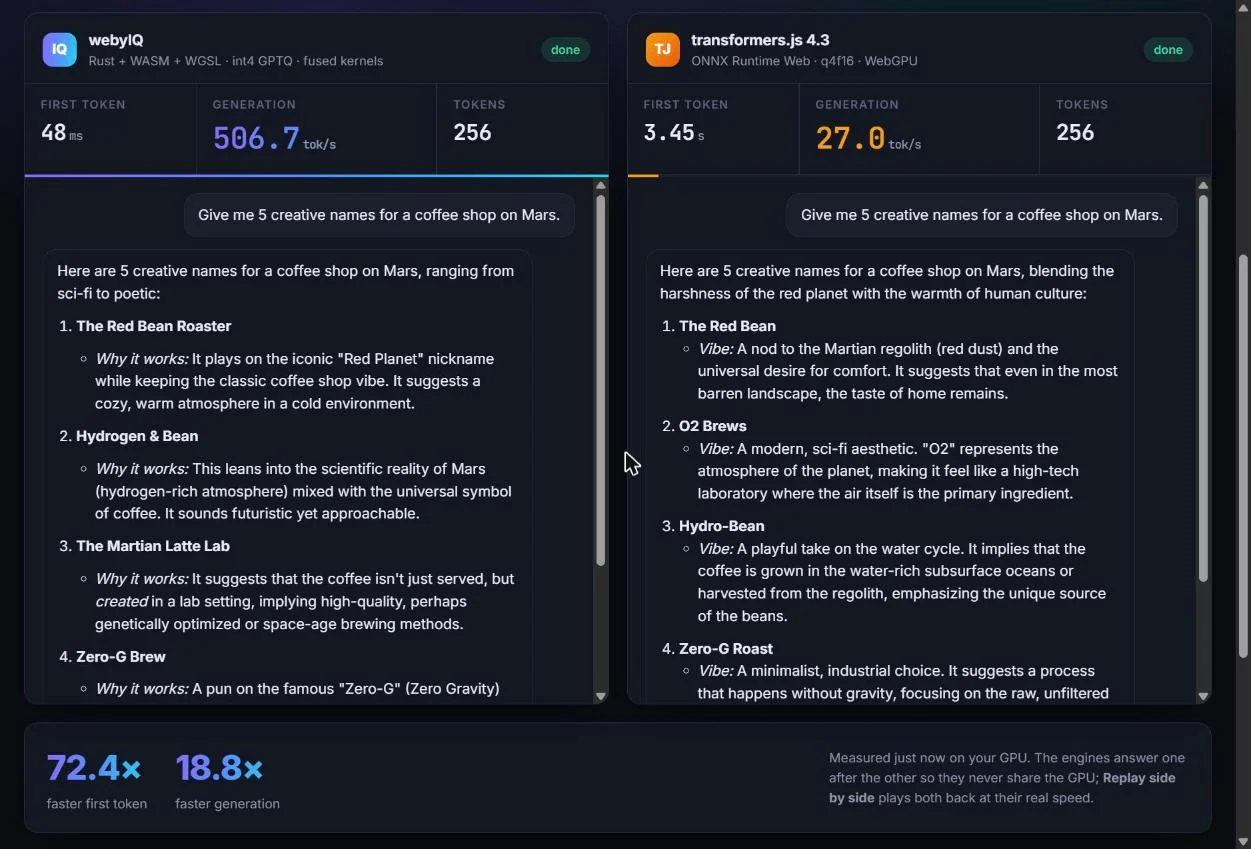
The author's model-specific WebGPU engine pairs a browser chat arena with a local DOM agent, while its headline speed remains a hardware-specific claim.
The image, video and audio inference startup confirms Series E and F rounds, while TechCrunch relays Bloomberg's $1.3 billion latest-round figure.
Adhit's documented workflow turns a reference image into a body skeleton for Krea-2 Turbo, with custom ComfyUI nodes and explicit limits on hands and faces.
A limited US rollout adds themes such as Something Light and Quick Watches, with controls to keep a recommendation or stop seeing it in AI Discover.
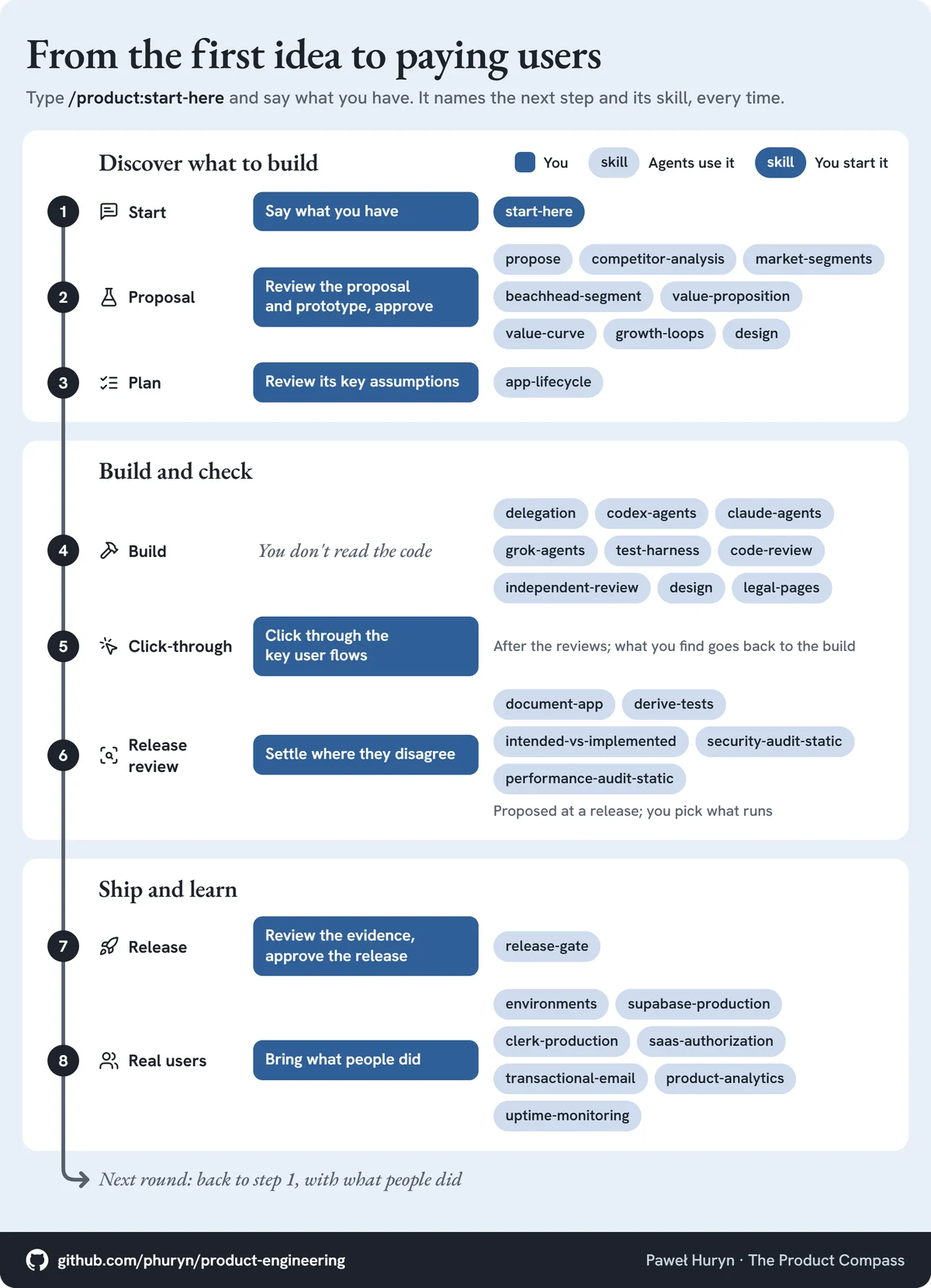
Pawel Huryn's community skill collection adds a job-to-screen map, populated prototypes and a newcomer walkthrough to its documented design workflow.
Version 5.1.60 changes the architect task's instructions from advice to implementation and verification, while restoring reasoning settings from before 5.1.59.
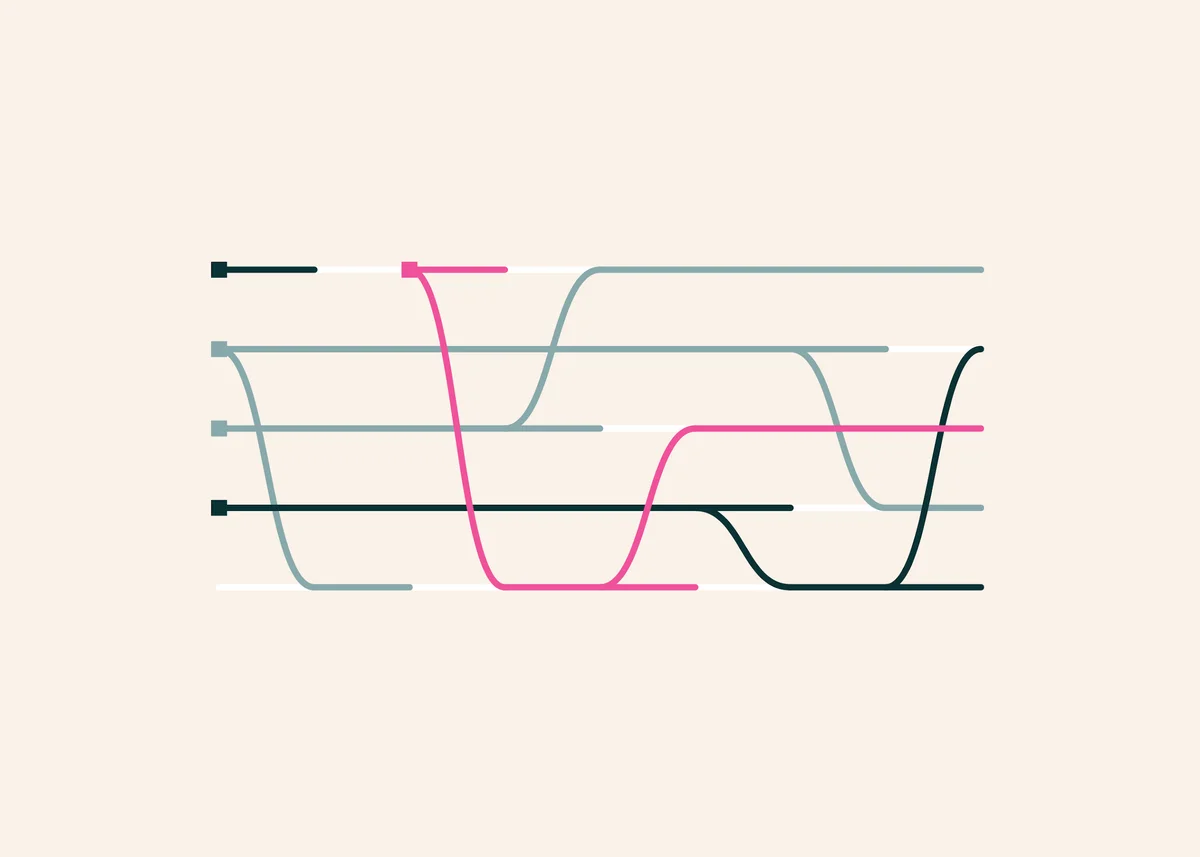
Ai2 reports that four frontier models fall to 13% accuracy or less on its longest, hardest state-tracking problems, while targeted training reveals major architecture differences.
Google plans default-off access for K-12 accounts across its AI products and Search, while Guided Learning launches in Classroom and heads to a limited Search pilot.
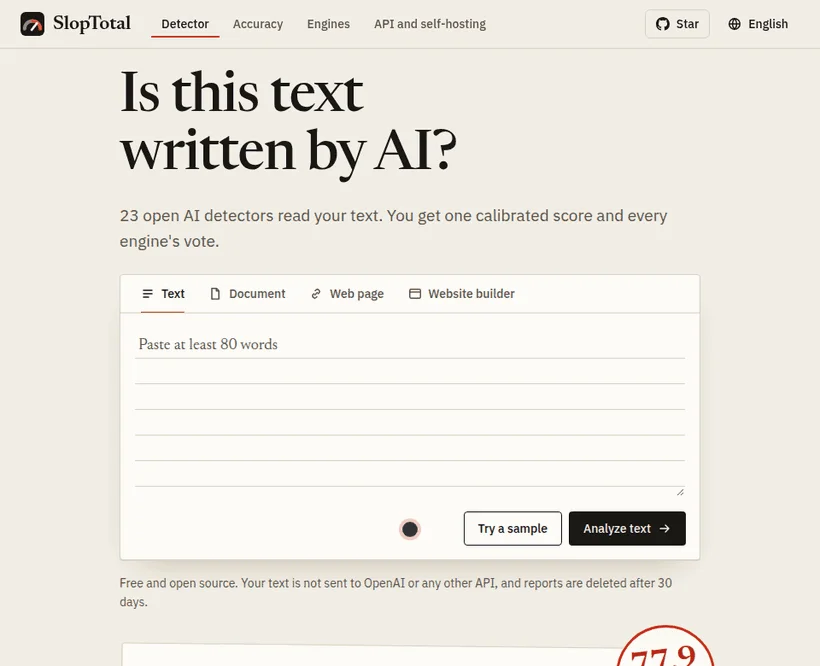
Version 1.3.0 adds CUDA inference and live score ranges; its author reports a 12-text run falling from 319 seconds to 5.3 seconds on an RTX 5070 Ti.
New declarations arrive November 16, with a January 12 deadline for all apps; the rule covers virtual companions offering sexual or romantic content.
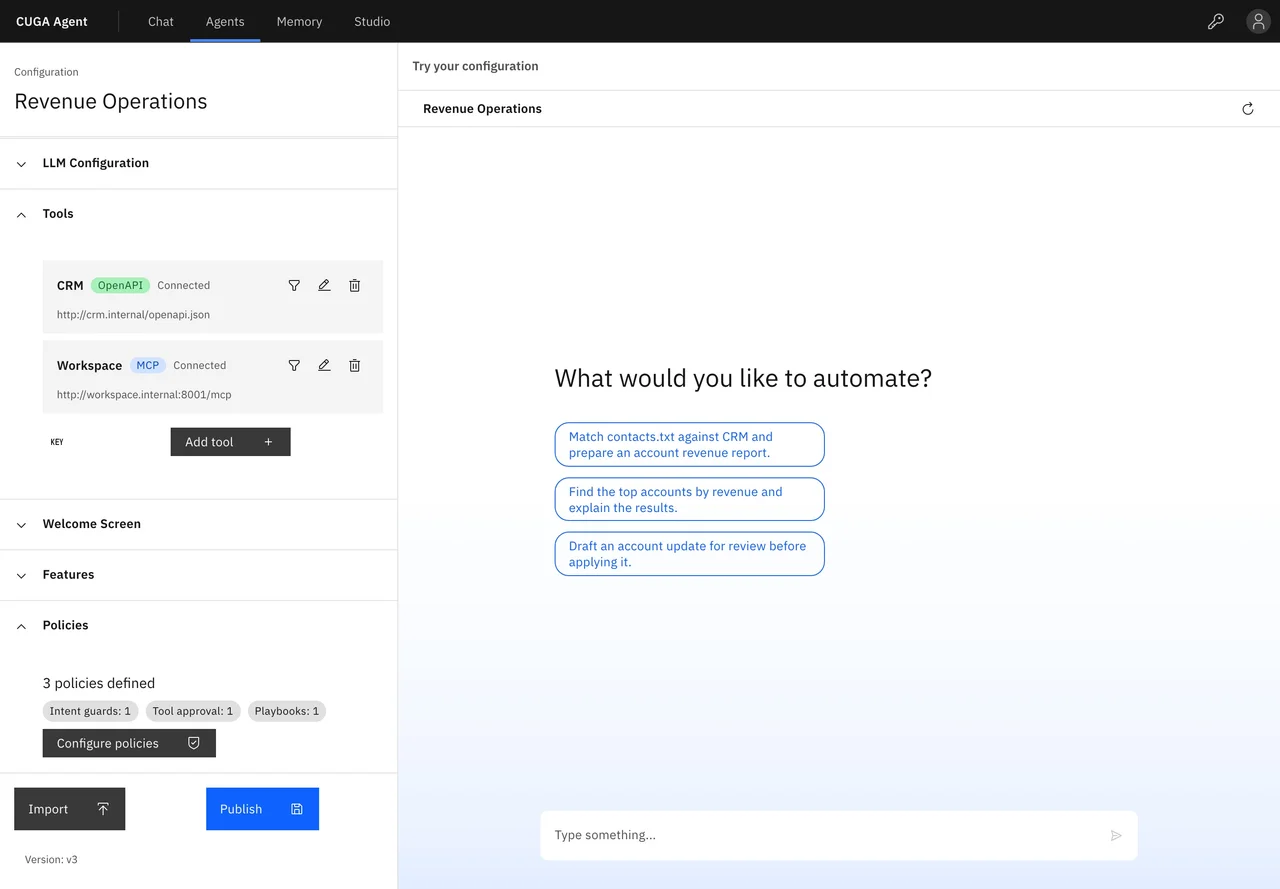
IBM's team reports 73 of 90 AppWorld tasks passed with CUGA, versus 42 with Hermes and 27 with Deep Agents, using the same GLM model but different configurations.
The November 3 launch connects image and video generation to compatible agents, with reusable marketing workflows and a script-review checkpoint before video cloning.
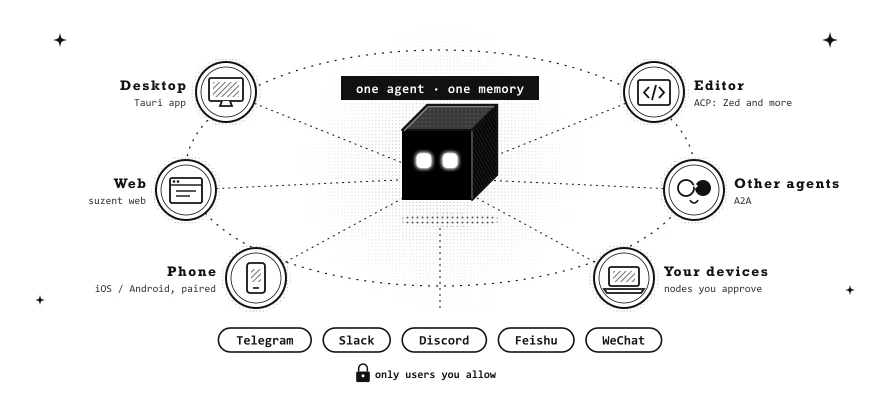
Desktop 0.21.0 and mobile 0.6.0 add multiple-computer pairing, clearer connection management and access revocation, while keeping the phone a preview remote client.
The November 3 community quantization targets consumer cards by caching experts, but its GGUF requires Strata and its smaller-card speed claims come from cache limits on an RTX 3090.
Pensa says its camera-based agent spots shelf problems and prioritizes frontline work, with licensed access now available and offline operation depending on the device.
The memory tool now captures qualifying follow-up instructions and replays them at session start, with explicit limits on what its sentence heuristics recognize.
The analysts argue that routine steps belong on cheaper open-weight models, while warning that retries narrow the headline cost advantage.