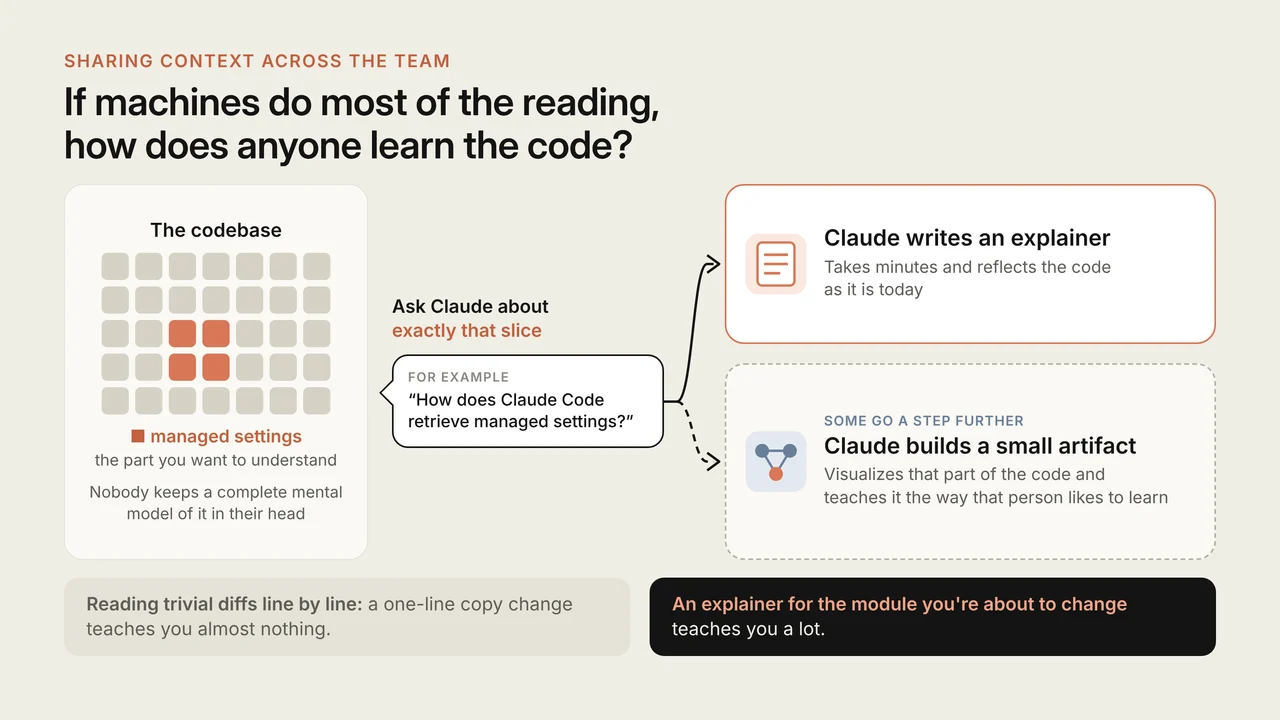
Claude Code's team moved review to agents, then capped the review loop
Anthropic describes risk-based human approvals and a three-round review cap after one pull request went through more than fifty overnight rounds.
The AI briefing
397–414 of 800 stories
Anthropic describes risk-based human approvals and a three-round review cap after one pull request went through more than fifty overnight rounds.
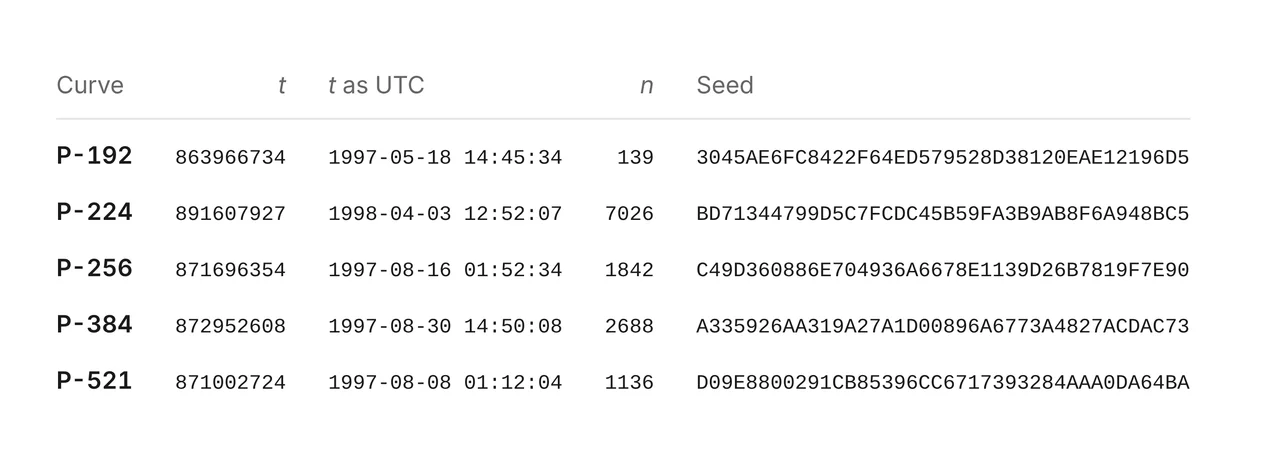
An internal research model reportedly explained the origins of five NIST prime-curve seeds in under half an hour. The finding is about provenance, not broken encryption.
CERT-In reports disclosures from multiple AI providers and separately warns of criminals using agentic tools. Exposed credentials and permissive cloud roles connect the incidents.
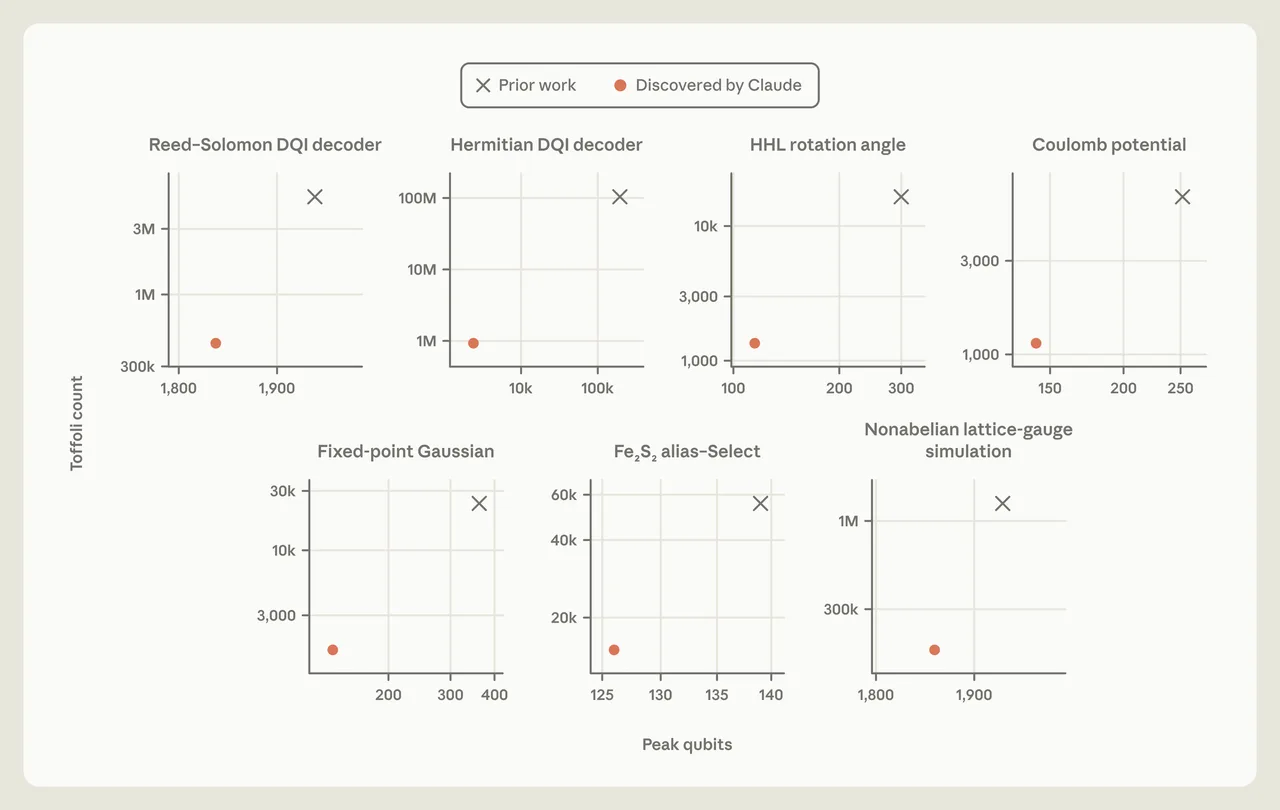
An evaluator-guided study reports better circuit designs across eight tasks, including a new modular-inversion approach and a cheaper quantum decoder.
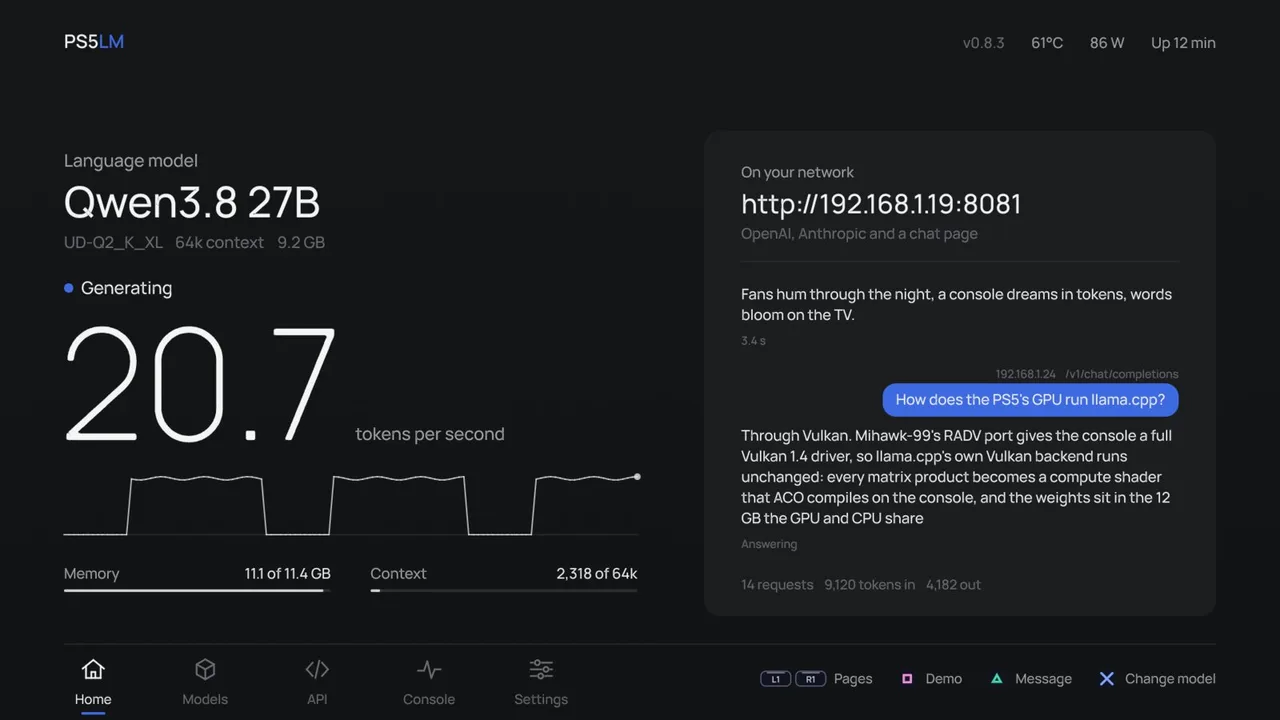
The community llama.cpp port adds typed decision requests and a TV interface, while serving local models to browsers and coding tools on the home network.
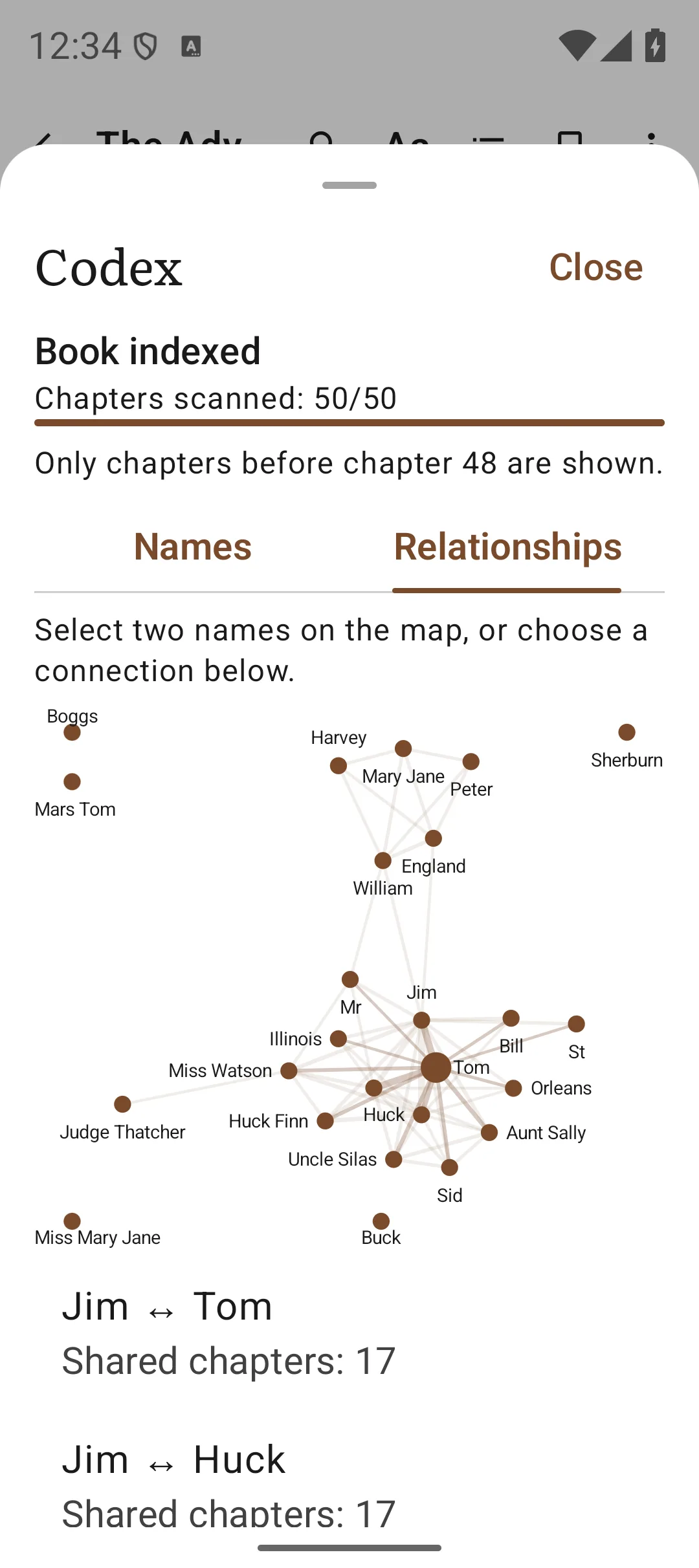
The Android ebook reader pairs an offline character index with profiles and recaps sent to your chosen model, plus translation through local servers.
A map of 29 selected benchmarks finds sparse coverage across US jobs, exposing a gap between leaderboard scores and the work people actually do.
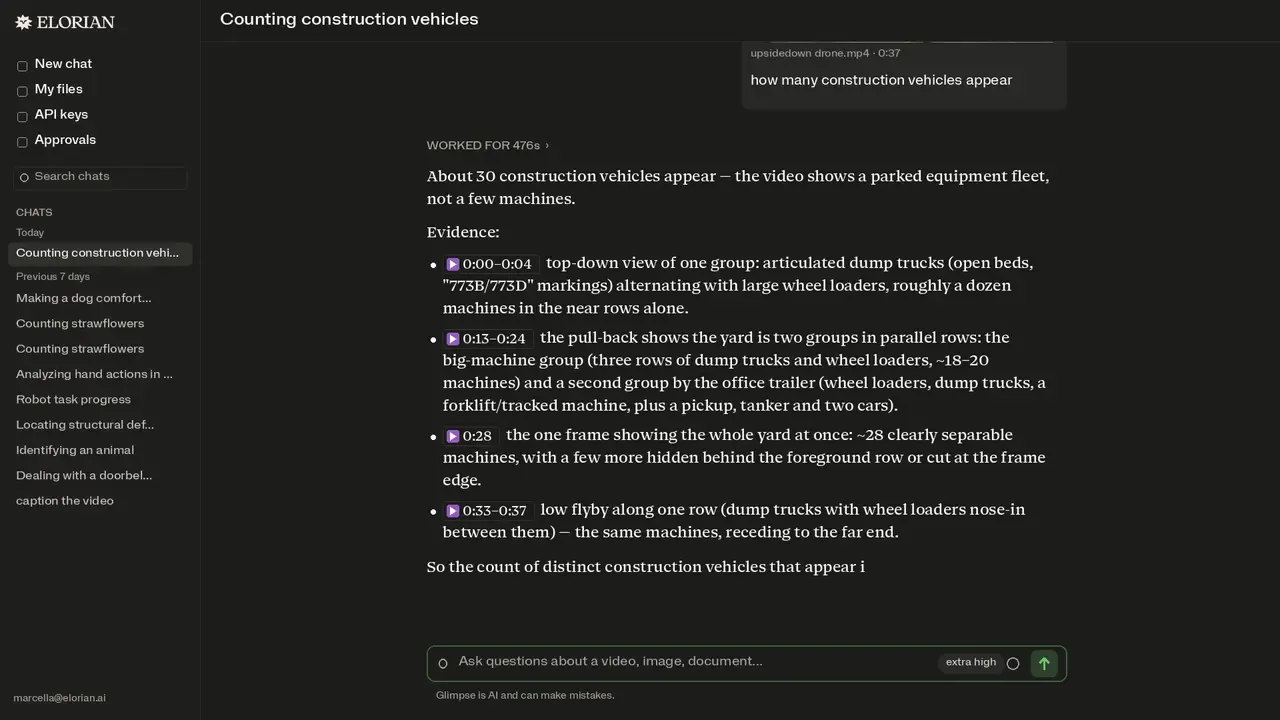
The visual model preview can revisit image regions and video moments. Elorian reports selected wins over GPT-6 Astra, with published prices of $0.60 input and $3 output per million tokens.
Dualverse's research community gets a fresh Show HN discussion, pitching shared problems, agent-written papers and automated review to people running their own agents.
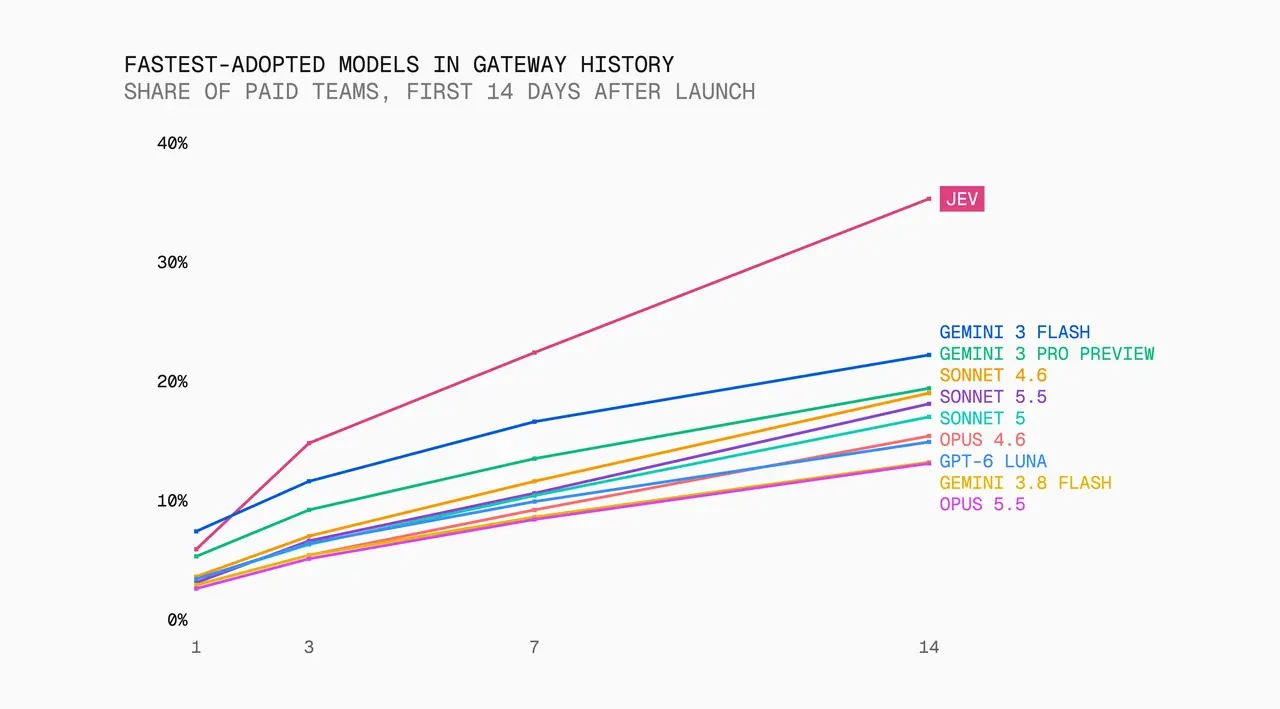
Vercel says Jev reached 35.3% of paid teams in its first 14 days, nearly twice Sonnet 5.5's reach. Broad trial and a large inference bill are different measures.
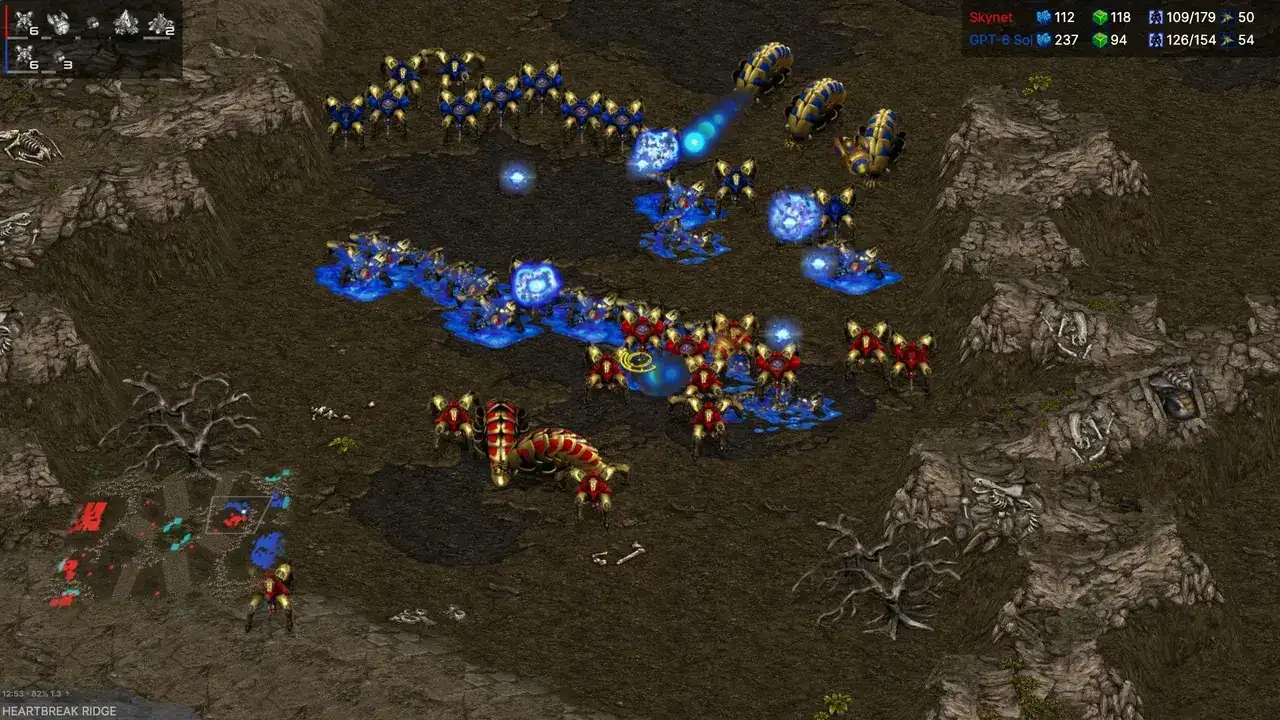
The refreshed benchmark puts flagship models in their own coding CLIs. GPT-6 Astra leads the author's results, but the strongest human-written bots still dominate.
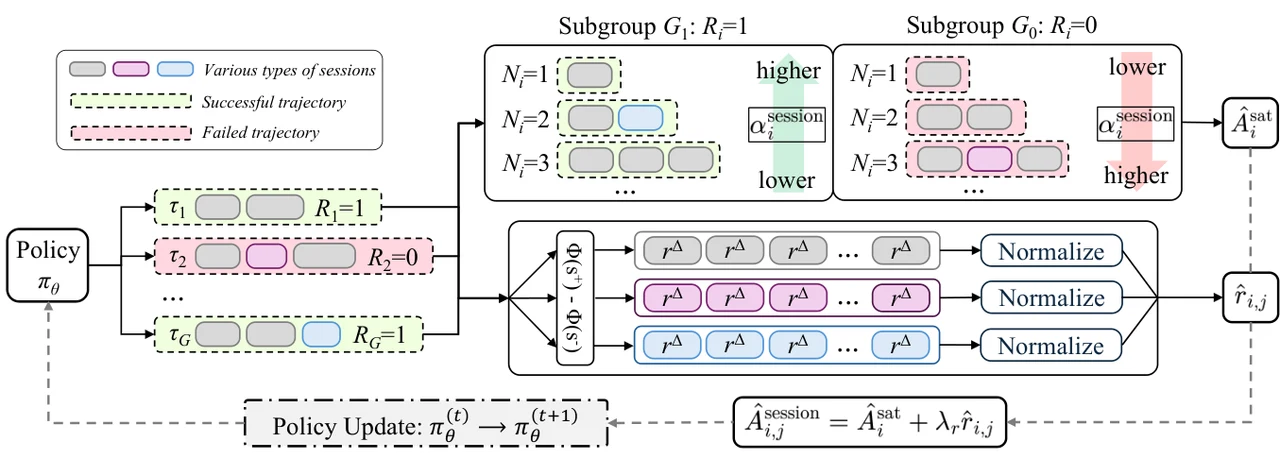
An October 15 preprint trains a Qwen3.5-4B agent across context compaction and subagent forks, reporting higher BrowseComp accuracy with fewer sessions than a broadcasting baseline.
Version 1.11.0 enables built-in screencast tools by default and adds heap-analysis controls plus an optional file-navigation restriction that is not a sandbox.
Reflection's October 5 preview becomes a public weight release, with BF16, FP8 and NVFP4 checkpoints, serving recipes and a companion coding-agent harness.
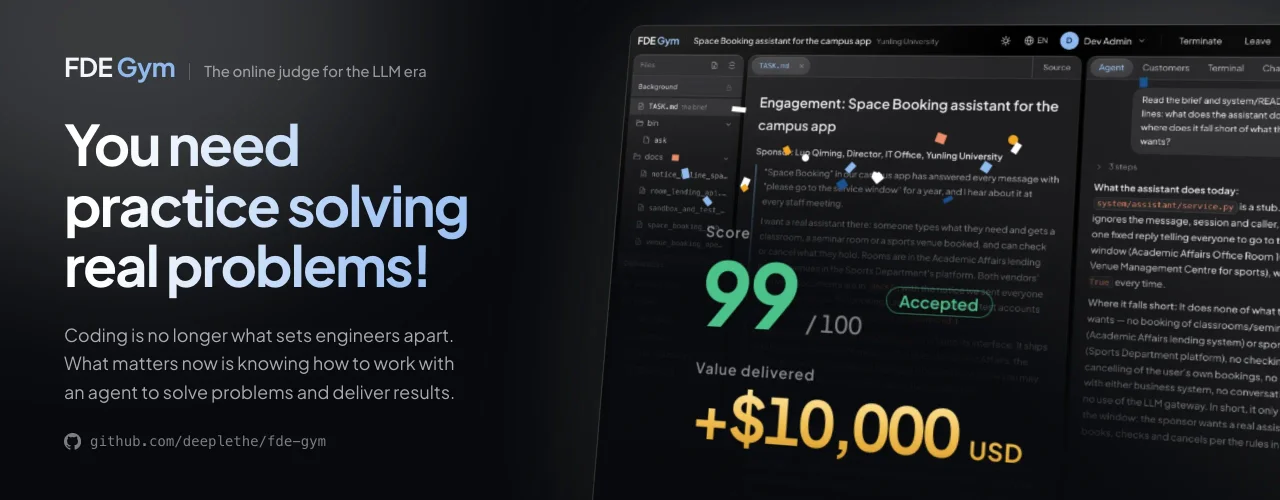
The new benchmark asks agents to uncover unstated customer constraints and improve working systems. Three scenarios are public, while most benchmark tasks remain gated or held out.
Version 6.17.0 puts each serving engine on a private Docker network after maintainers identified direct access that could bypass the keyed gateway.
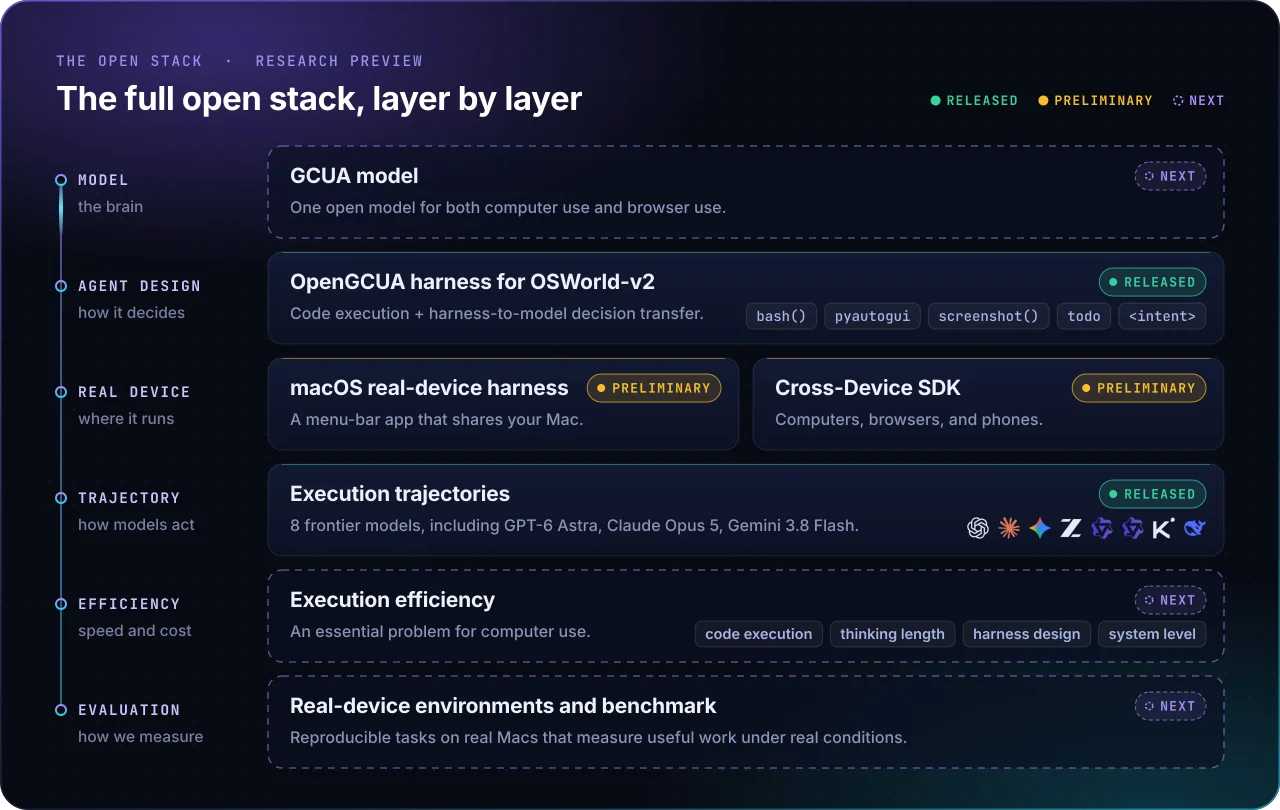
Tongyi-MAI's first research preview releases computer-use code and eight-model trajectories, plus a preliminary macOS harness and Cross-Device SDK. Its own GCUA model is still planned.
The model server integrates Xoscar actor-message authentication, but upgrading alone leaves the legacy unauthenticated transport enabled. HTTP API login does not protect actor ports.