MOSS-Image gets an 8.8 GB community build with a ComfyUI recipe
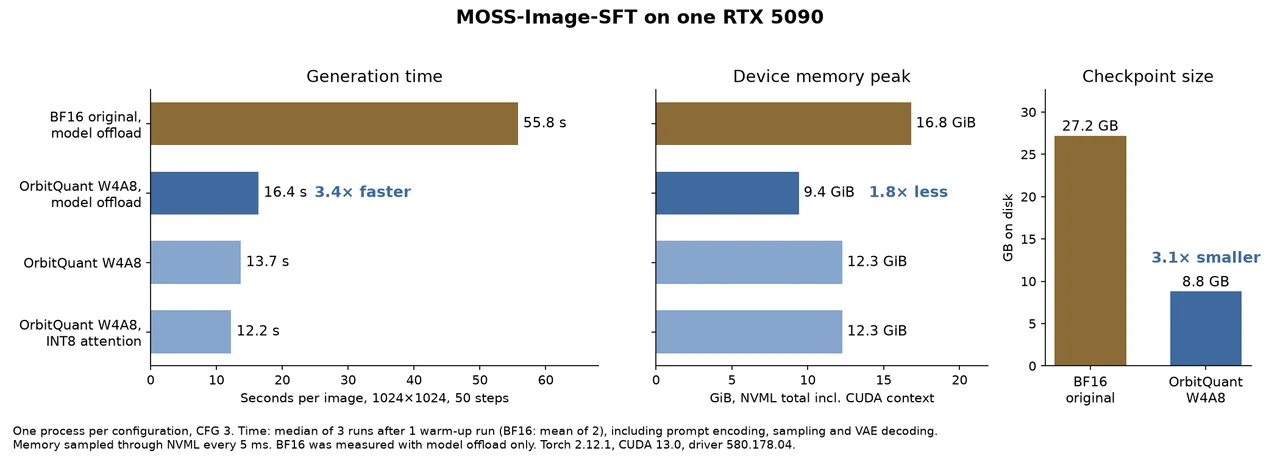
WaveCut's W4A8 conversion quantizes both the transformer and text encoder; the author reports a 9.4 GiB offload peak on one RTX 5090, with text-rendering tradeoffs.
The AI briefing
199–216 of 314 stories
WaveCut's W4A8 conversion quantizes both the transformer and text encoder; the author reports a 9.4 GiB offload peak on one RTX 5090, with text-rendering tradeoffs.
Version 1.38.3 of the Pi and Oh My Pi extension preserves argument fragments arriving on final stream chunks and updates its OpenCode Zen model catalog.
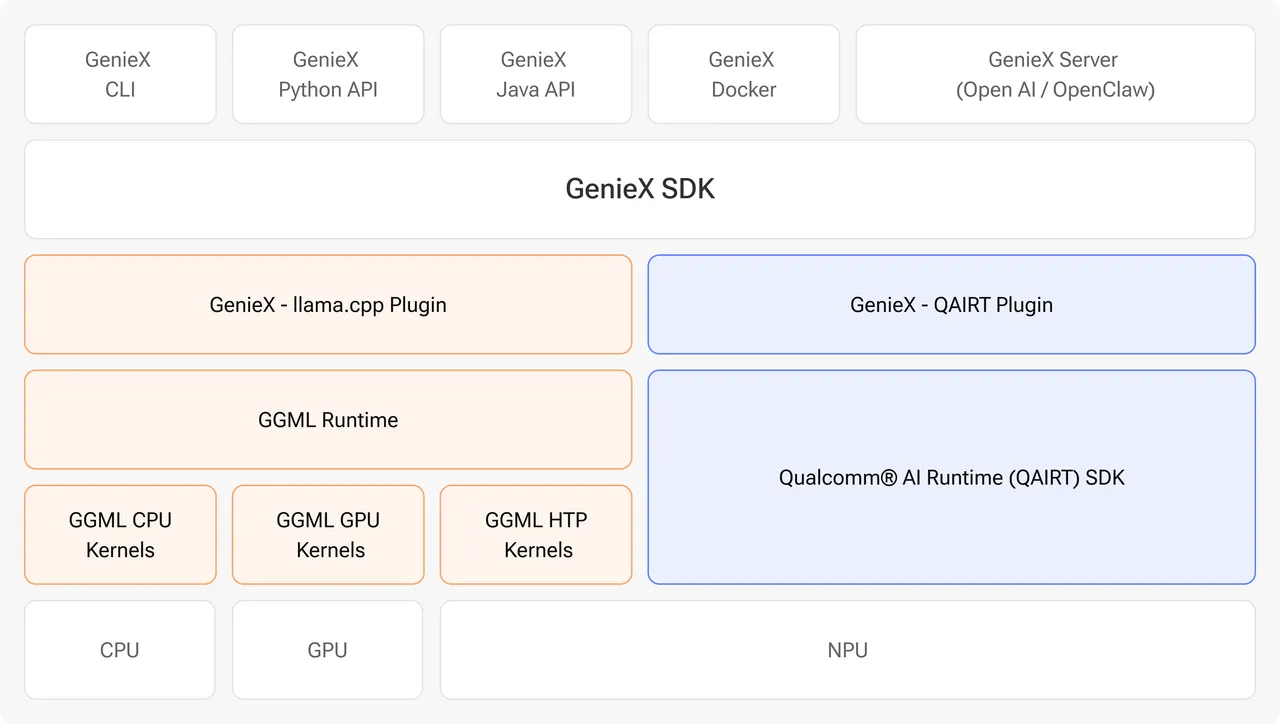
Qualcomm's local inference runtime packages a Microsoft-signed Hexagon catalog and loader fixes, with no certificate import required for the release on Windows on Snapdragon.
A new mixed-precision conversion brings Microsoft's compact coding model to Ollama and llama.cpp, with an author-reported perplexity comparison and clear limits on what it proves.
The self-hostable search app packages Better Auth and an opt-in crawl4ai backend, with unusually explicit documentation of what still leaves your server.
BlockRun's wallet-equipped agent fixes shell parsing and resend approvals that could release a payment hold too early, according to its v3.49.9 notes.
The agent-facing robotics workshop adds gravity compensation, lift-before-move paths and honest failure reports for simulated arms, while keeping real-hardware limits explicit.
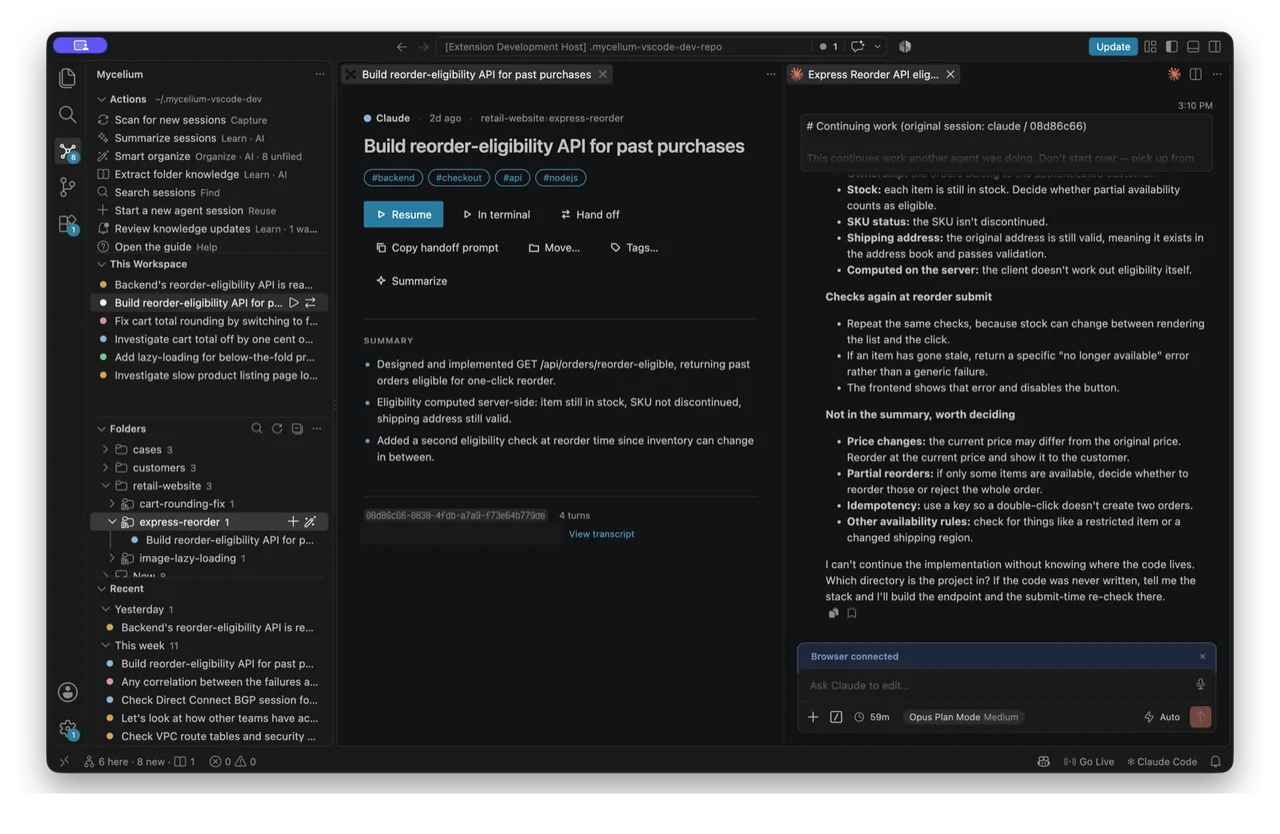
The local coding-agent session organizer adds confirmed record deletion, blocks recapture of deleted sessions and lets VS Code users accept staged knowledge updates in a batch.
The OpenClaw management harness updates GPT-6.1 Sol authentication, waits for shutdown before replacing gateways and promotes its Railway-tested OpenClaw version.
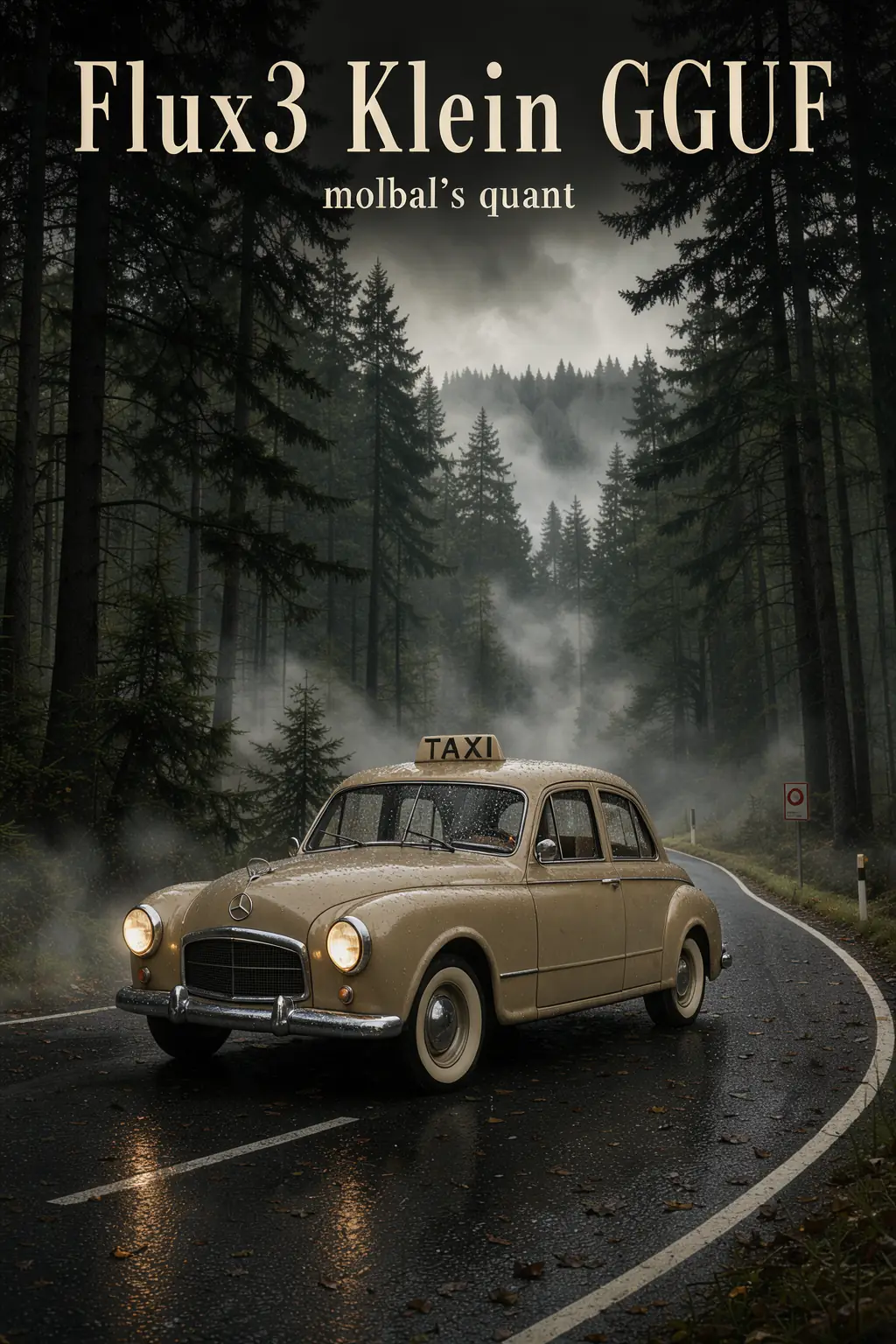
Molbal published distilled and base GGUF checkpoints with ComfyUI workflows, giving local image creators another quantized route into Klein.
Anthropic describes risk-based human approvals and a three-round review cap after one pull request went through more than fifty overnight rounds.
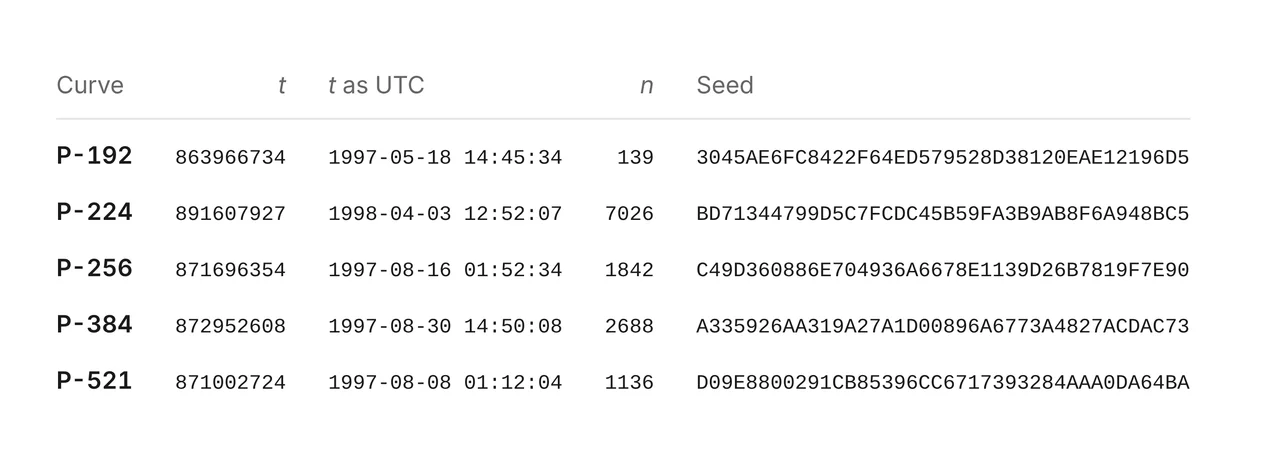
An internal research model reportedly explained the origins of five NIST prime-curve seeds in under half an hour. The finding is about provenance, not broken encryption.
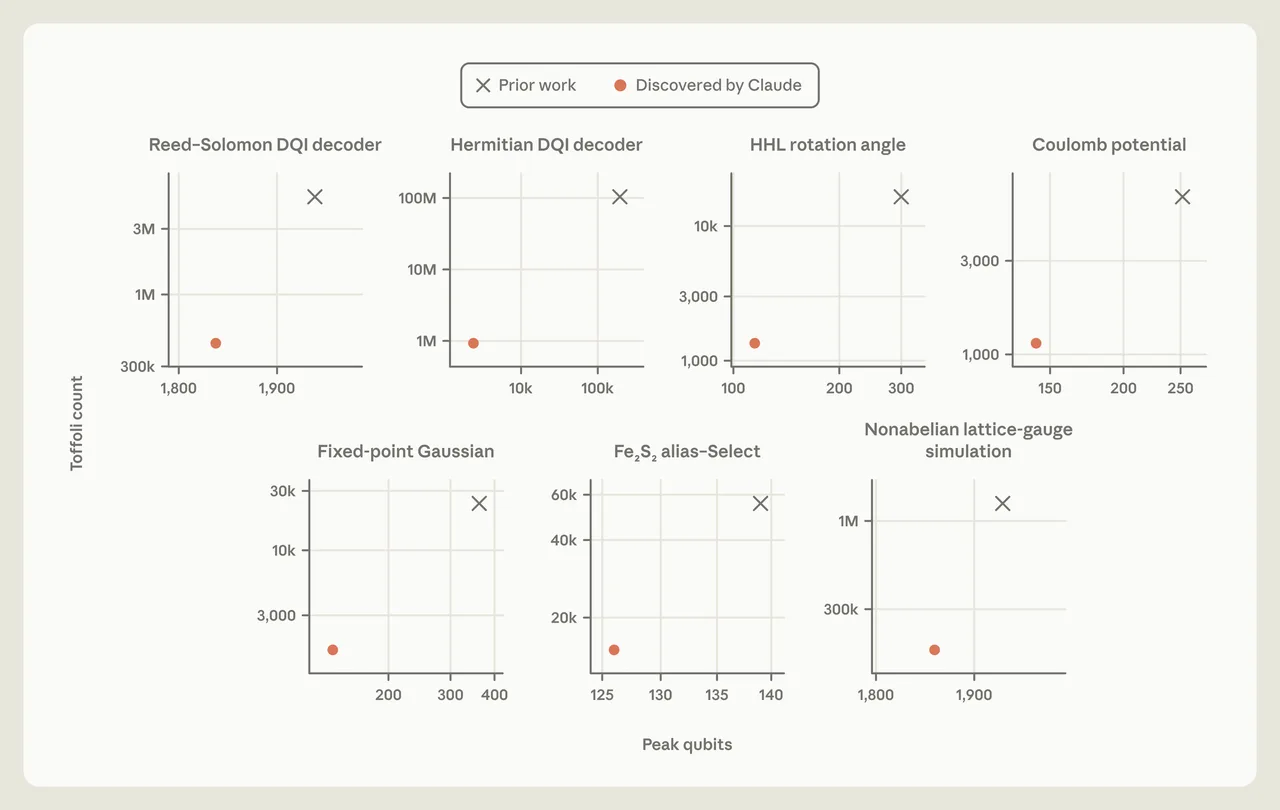
An evaluator-guided study reports better circuit designs across eight tasks, including a new modular-inversion approach and a cheaper quantum decoder.
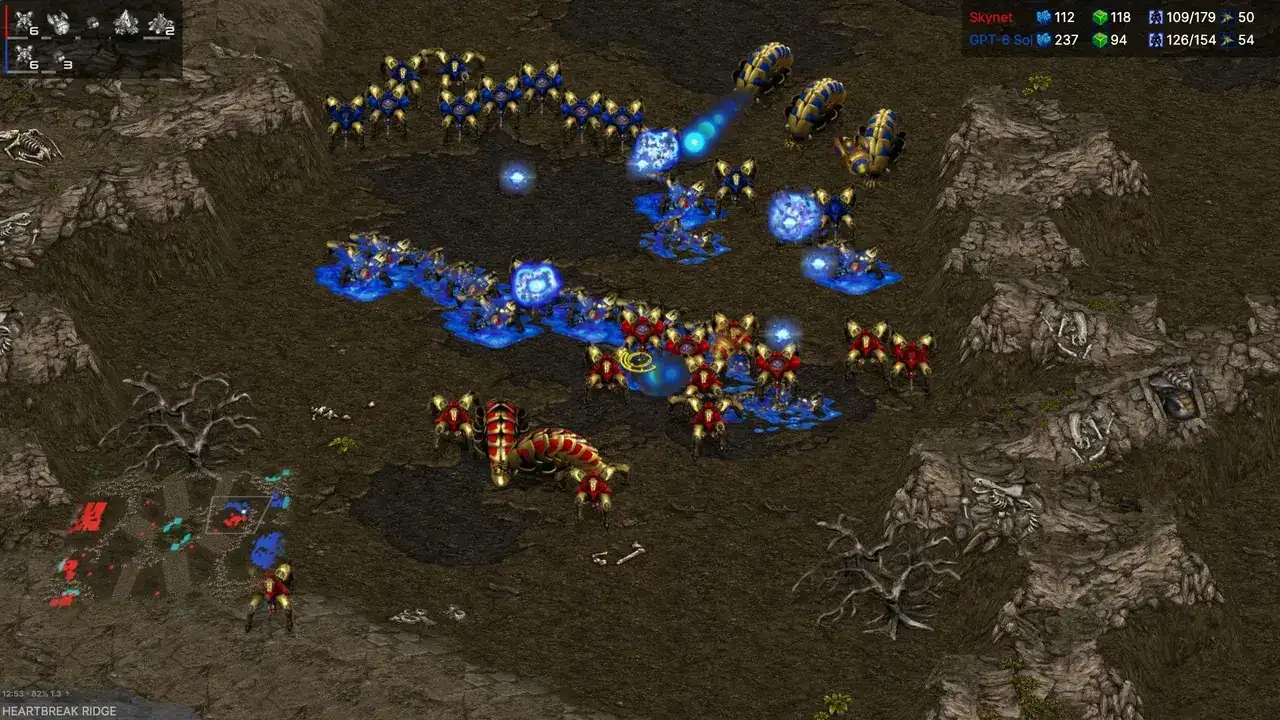
The refreshed benchmark puts flagship models in their own coding CLIs. GPT-6 Astra leads the author's results, but the strongest human-written bots still dominate.
Version 1.11.0 enables built-in screencast tools by default and adds heap-analysis controls plus an optional file-navigation restriction that is not a sandbox.
Version 6.17.0 puts each serving engine on a private Docker network after maintainers identified direct access that could bypass the keyed gateway.
The model server integrates Xoscar actor-message authentication, but upgrading alone leaves the legacy unauthenticated transport enabled. HTTP API login does not protect actor ports.
The 5.1.34 source tag includes fixes for task descriptions, pane titles and worktree paths reaching shell or tmux expansion. Package-index availability for this version was not confirmed during review.