StepFun's agent-first phone moves from preorder to its first sales window
Decrypt reports a 3,999-yuan China launch with Amoo built into Step AOS, combining local commands, cloud tasks and partner-platform execution.
The AI briefing
109–126 of 264 stories
Decrypt reports a 3,999-yuan China launch with Amoo built into Step AOS, combining local commands, cloud tasks and partner-platform execution.
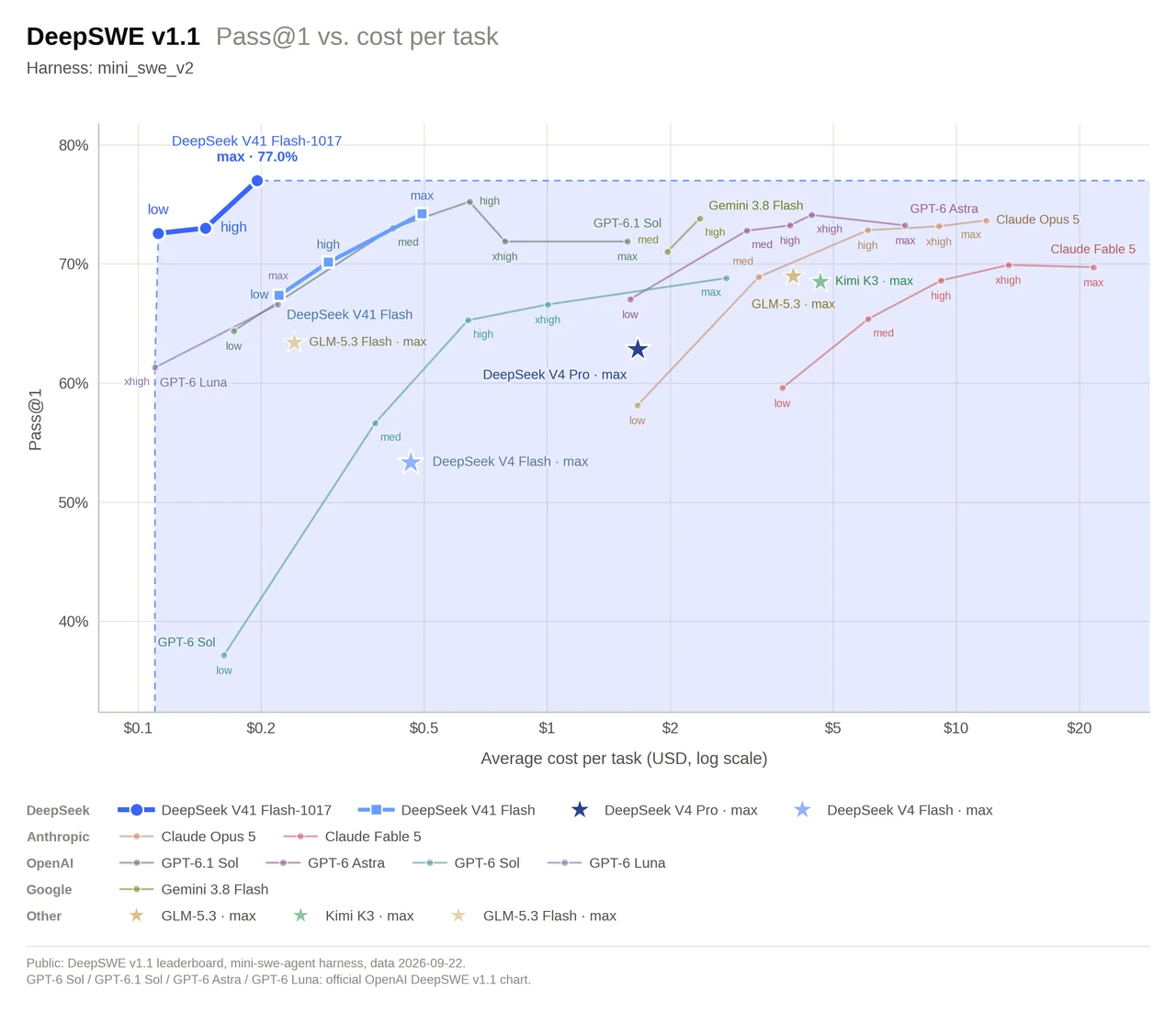
The October 17 checkpoint ships with MIT-licensed weights, higher author-reported coding scores and a recommendation to update the harness alongside the model.
Beyond Compression Ratios publishes agent-run logs in which one compression condition used 17% more prompt tokens than raw tool output on real-server test tasks, with slightly fewer correct answers.
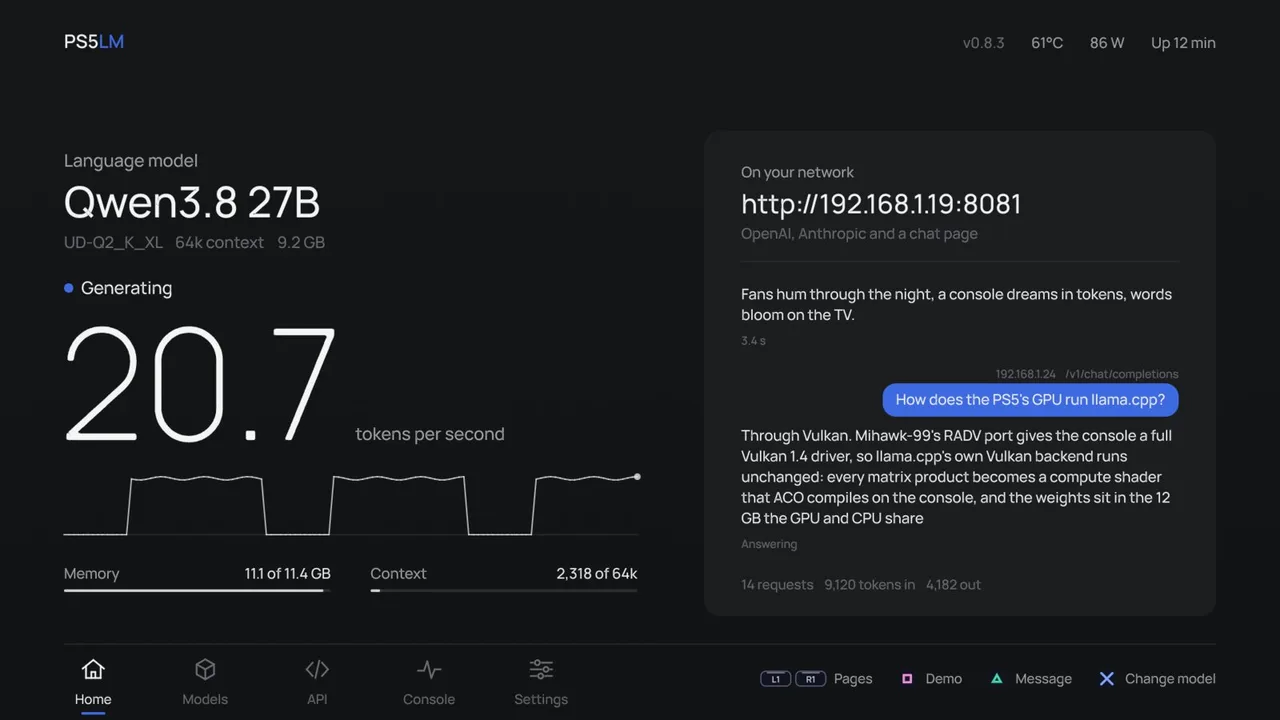
The community llama.cpp port adds typed decision requests and a TV interface, while serving local models to browsers and coding tools on the home network.
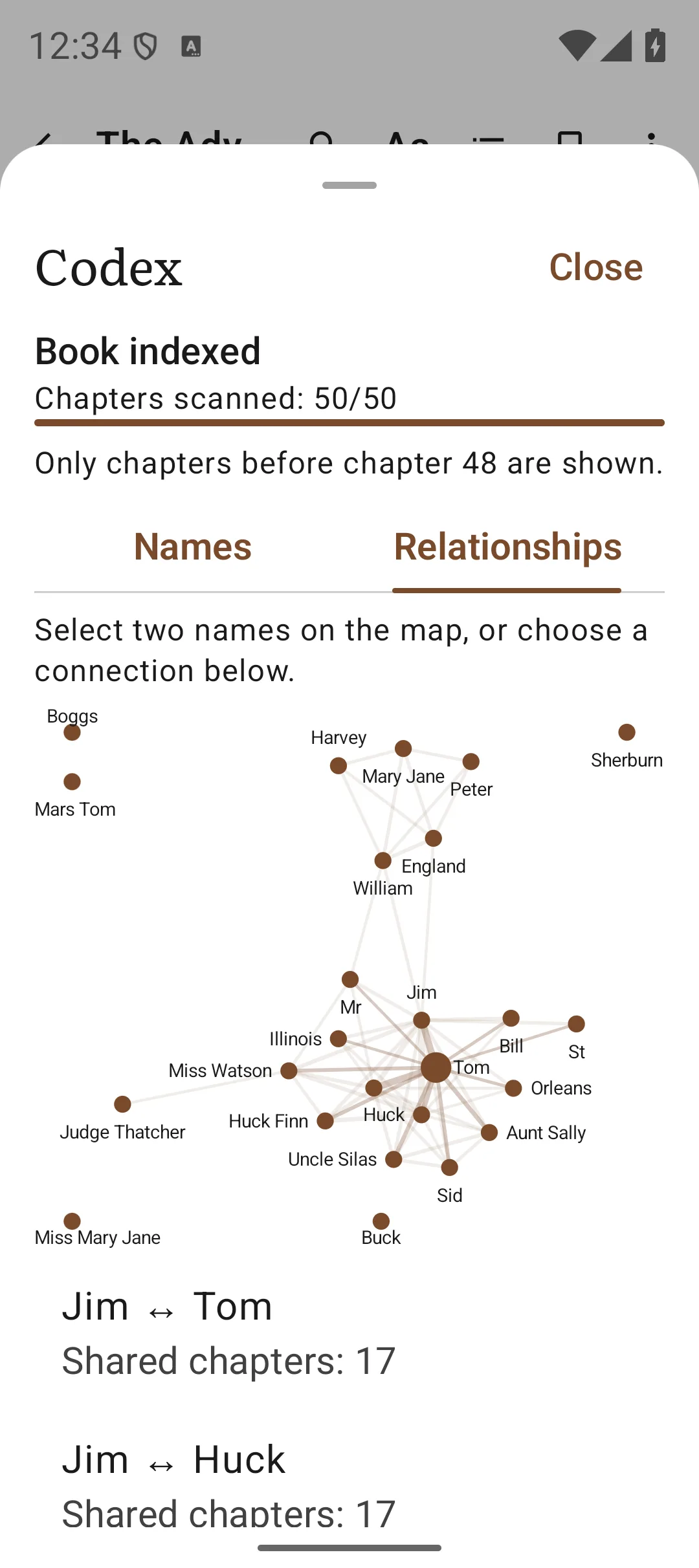
The Android ebook reader pairs an offline character index with profiles and recaps sent to your chosen model, plus translation through local servers.
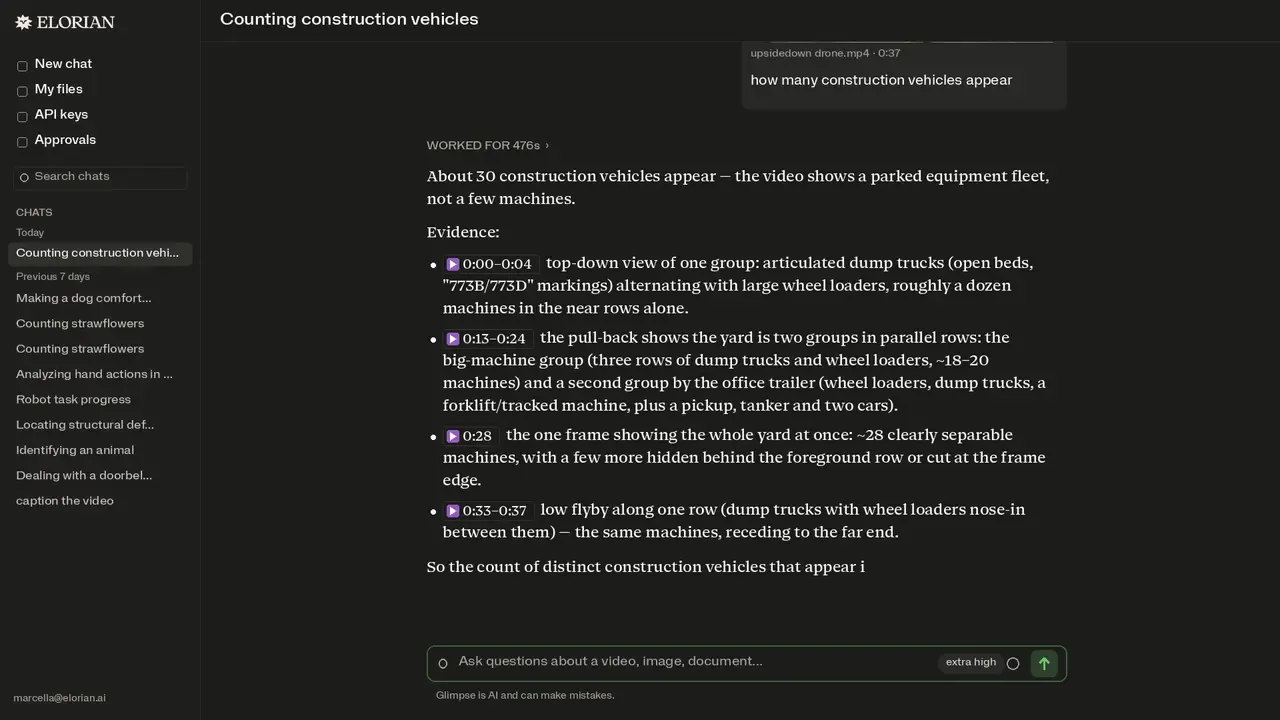
The visual model preview can revisit image regions and video moments. Elorian reports selected wins over GPT-6 Astra, with published prices of $0.60 input and $3 output per million tokens.
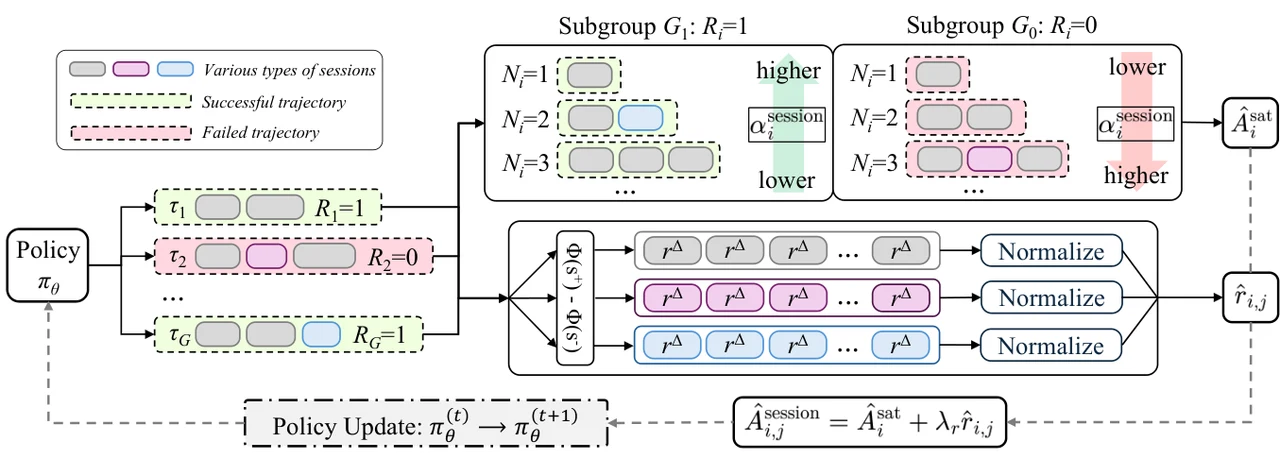
An October 15 preprint trains a Qwen3.5-4B agent across context compaction and subagent forks, reporting higher BrowseComp accuracy with fewer sessions than a broadcasting baseline.
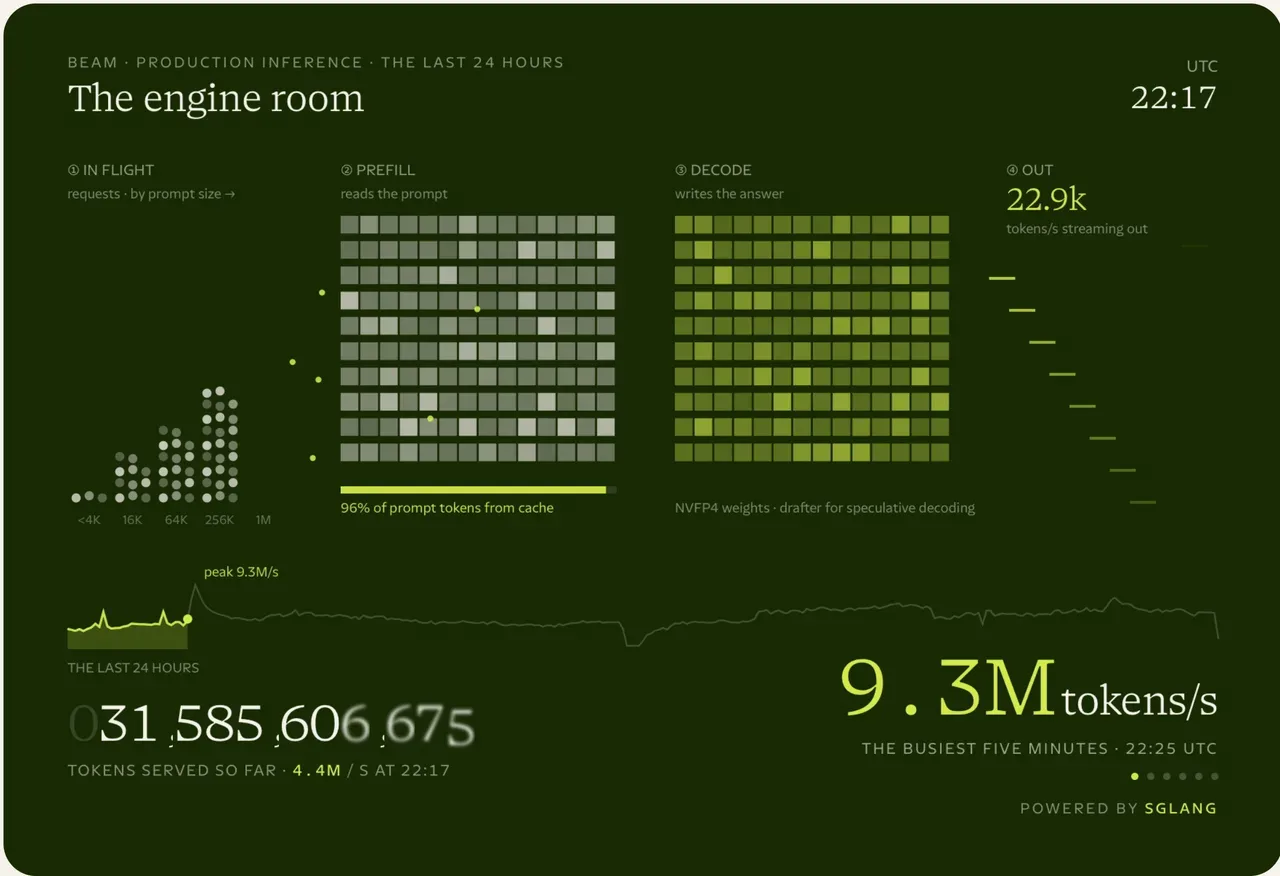
Reflection's October 5 preview becomes a public weight release, with BF16, FP8 and NVFP4 checkpoints, serving recipes and a companion coding-agent harness.
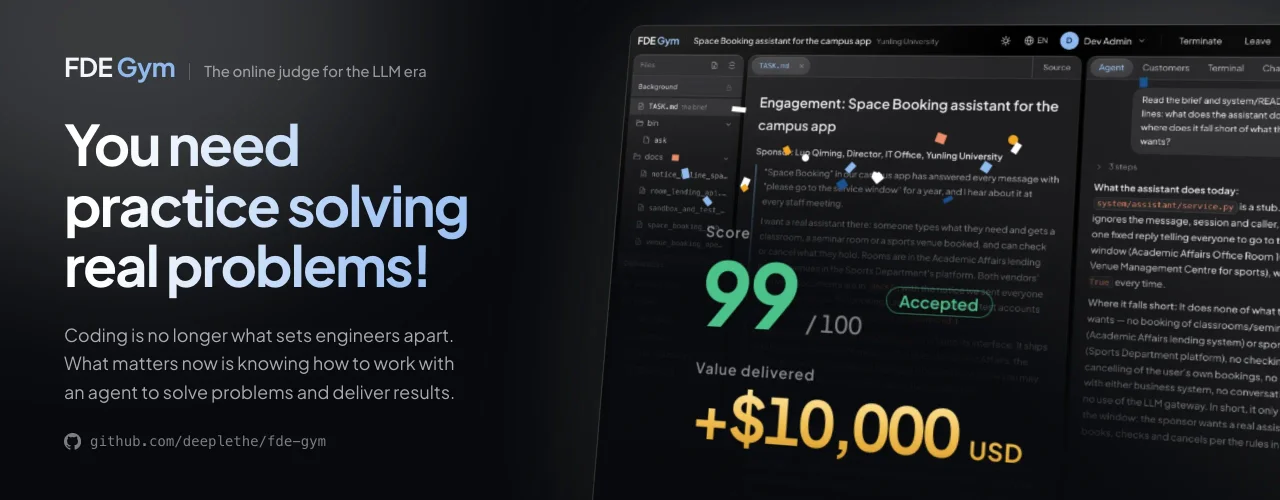
The new benchmark asks agents to uncover unstated customer constraints and improve working systems. Three scenarios are public, while most benchmark tasks remain gated or held out.
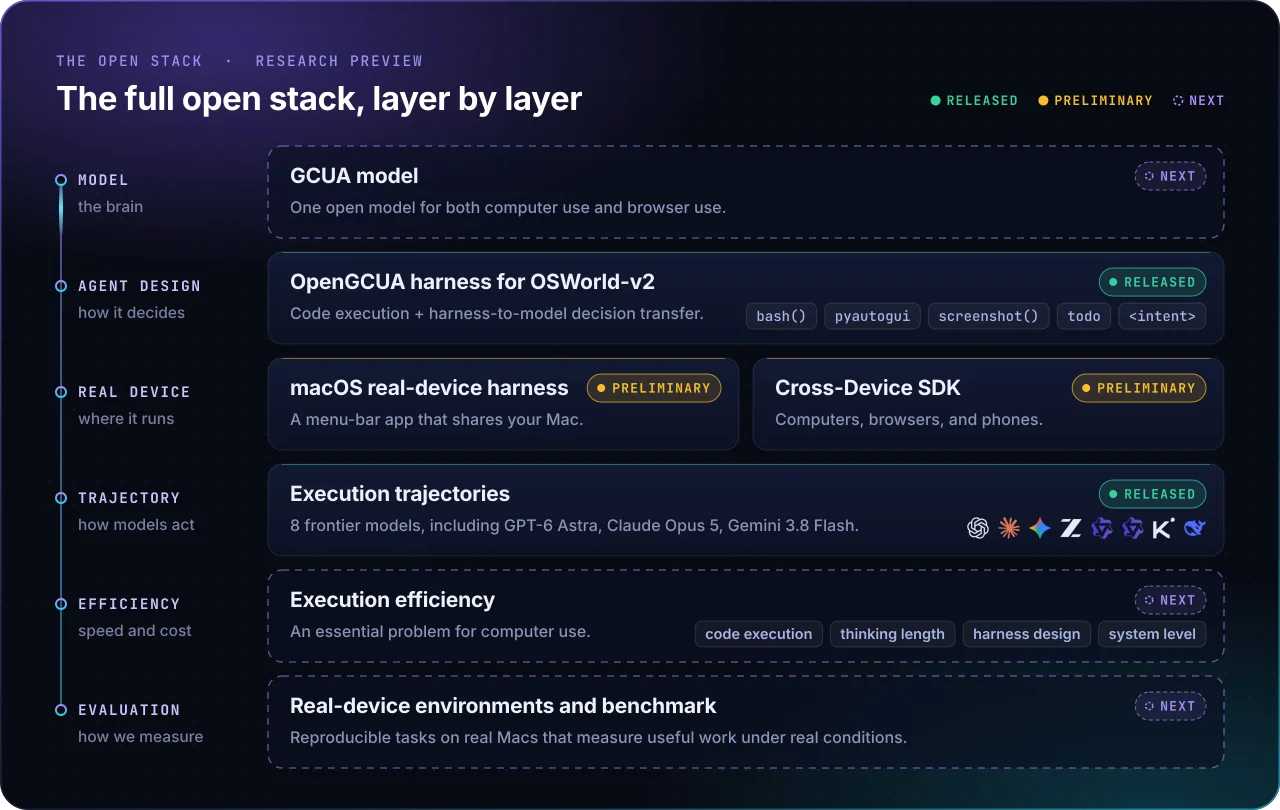
Tongyi-MAI's first research preview releases computer-use code and eight-model trajectories, plus a preliminary macOS harness and Cross-Device SDK. Its own GCUA model is still planned.
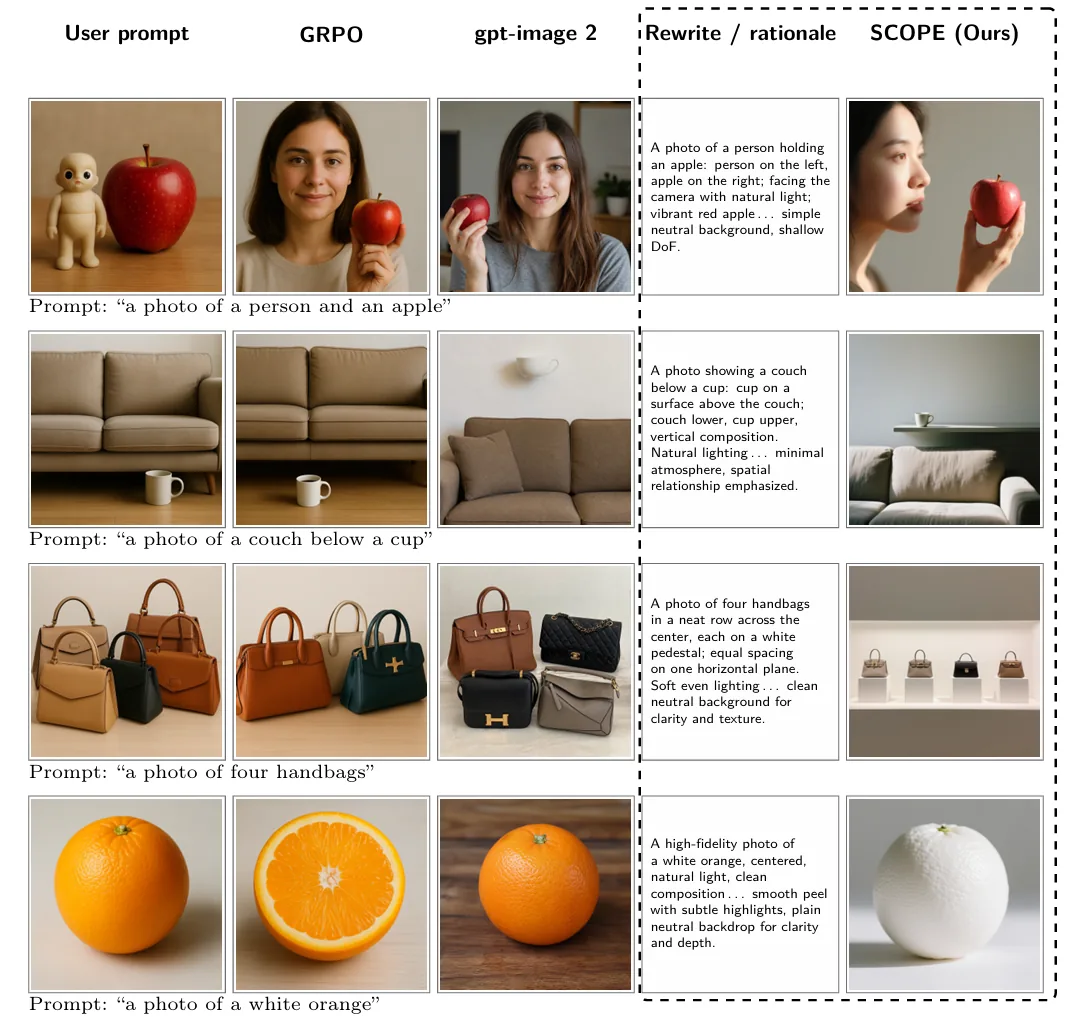
Researchers report average relative gains of 9.48% on GenEval and 7.62% on T2I-CompBench over vanilla GRPO by training a prompt rewriter. Public code is available, but the documented setup is substantial.
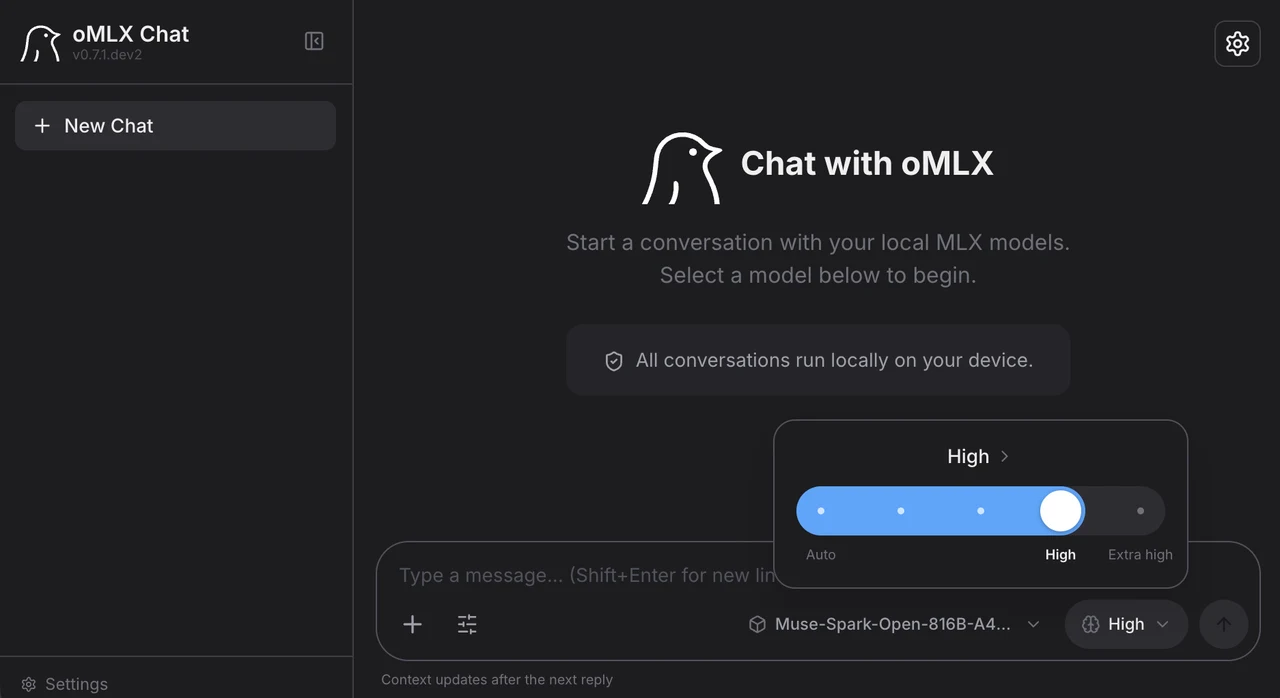
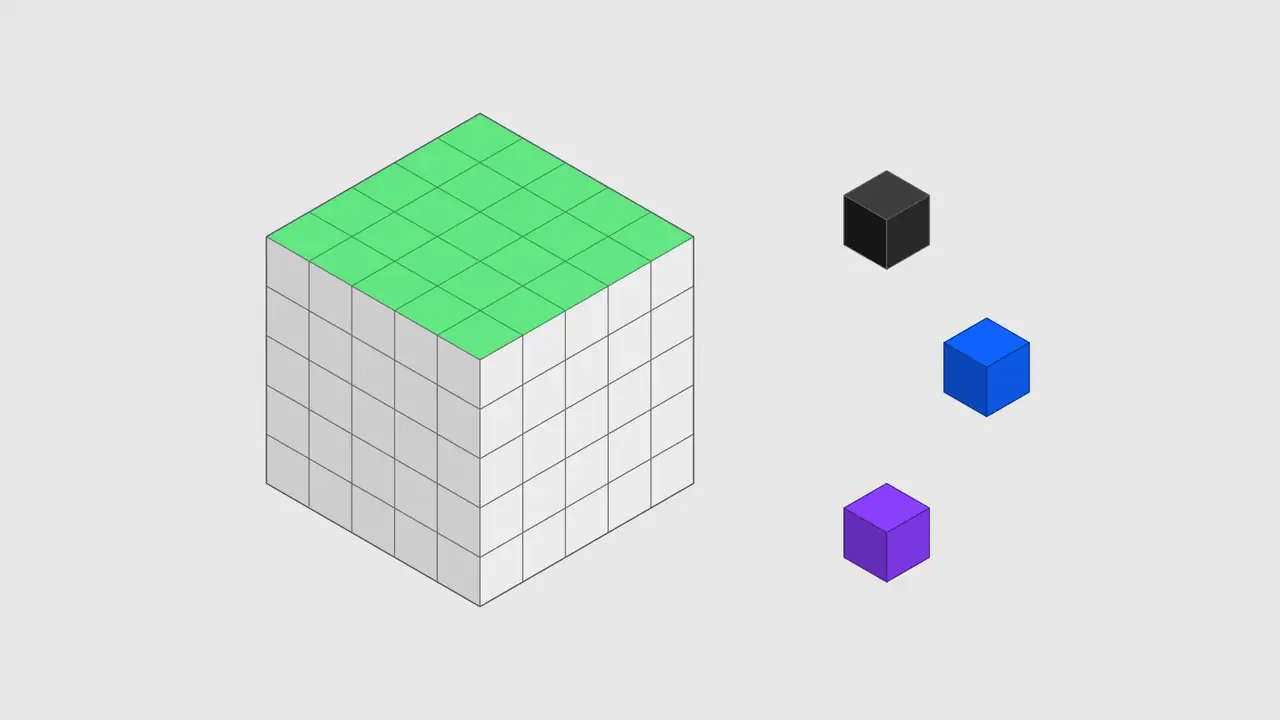
Hugging Face reports 18 tokens per second for a two-bit quantization on an M3 Ultra. Meta's new open-weight model takes multimodal inputs, but the memory bill and custom license remain substantial.
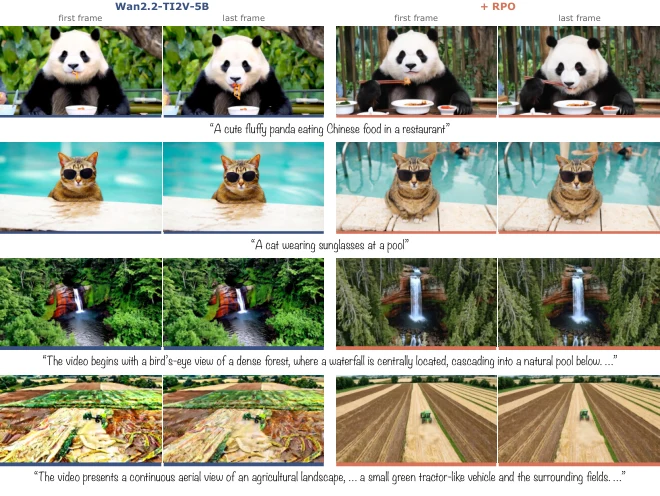
NUS and ByteDance researchers move exploration inside attention while keeping the generator's sampler intact. Wan2.2 results use 24.1 H100 GPU-hours; code is still planned, and the comparisons are not compute-matched.
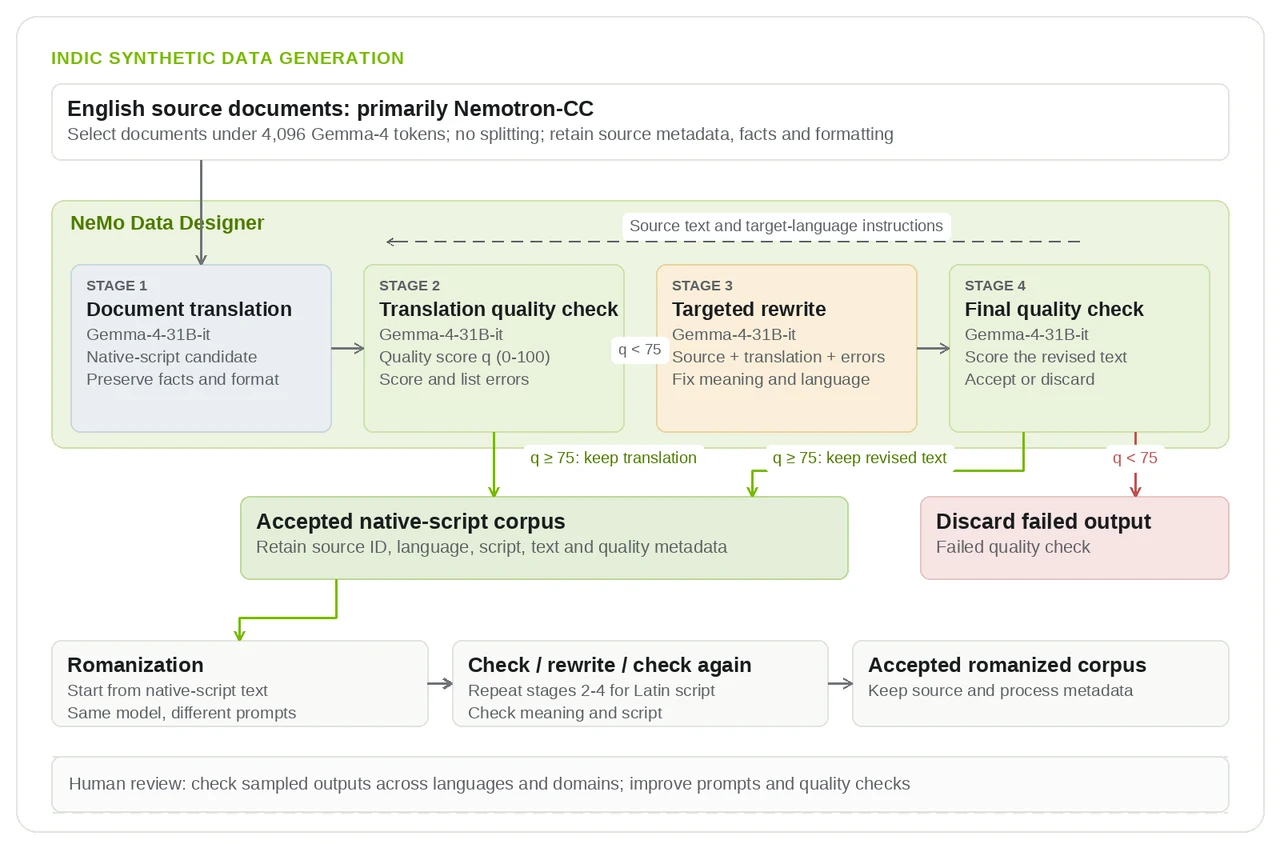
NVIDIA and AI4Bharat describe synthetic training data for 22 Indian languages and a reusable translation pipeline. The corpus is still listed as releasing soon; the public plugin can already be inspected.
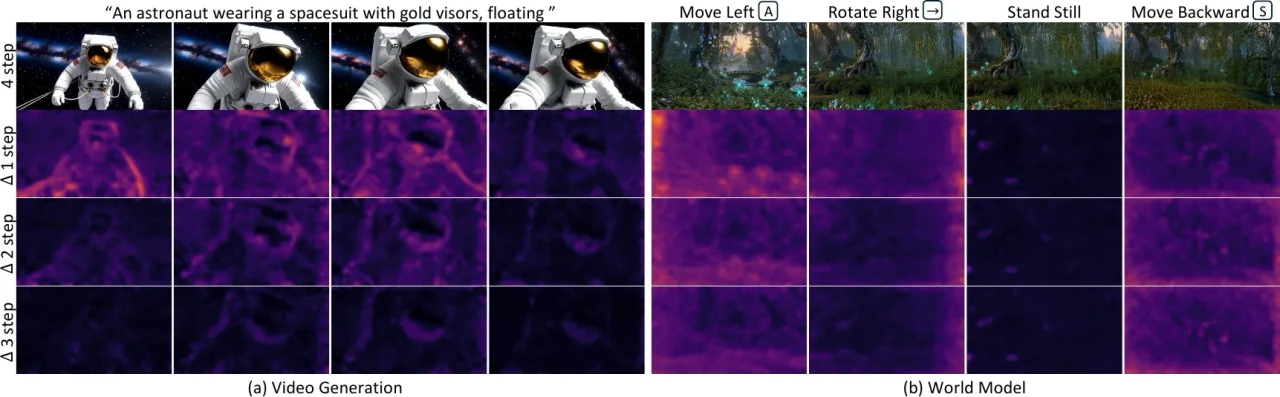
KAIST AI and NAVER AI Lab researchers report matching LongLive's four-step video quality with about 1.7 denoising steps per token on one H100. Their implementation is still under internal review.
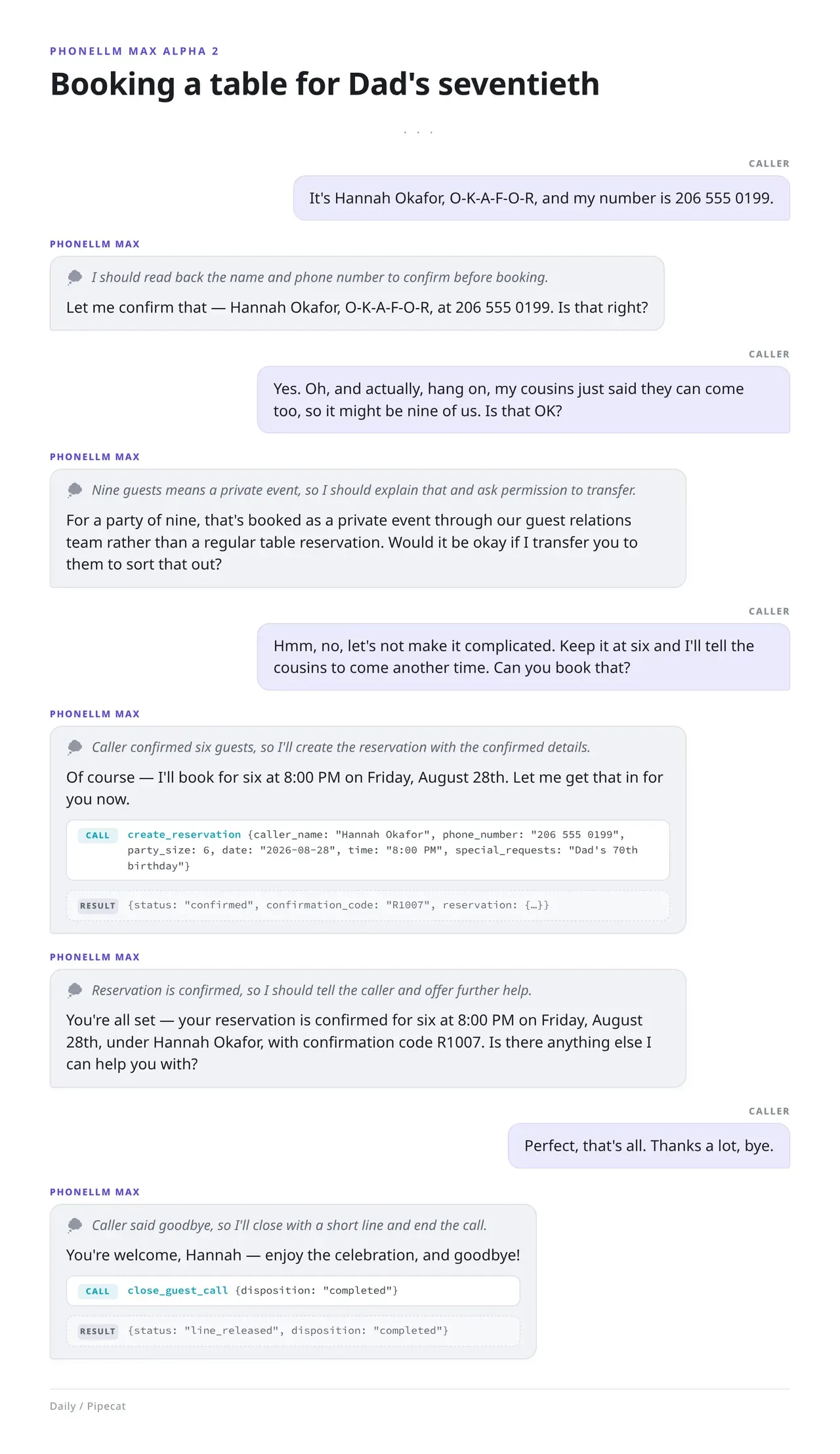
Pipecat's new downloadable text models target phone-agent tool calls, with Flows training and a single sentence of reasoning in Max. Mini also gets FP8 and NVFP4 options.
IBM's 8B and 30B checkpoints combine a chat base, Decision and Guardian adapters, and an English speech encoder, with cache reuse as the efficiency pitch.
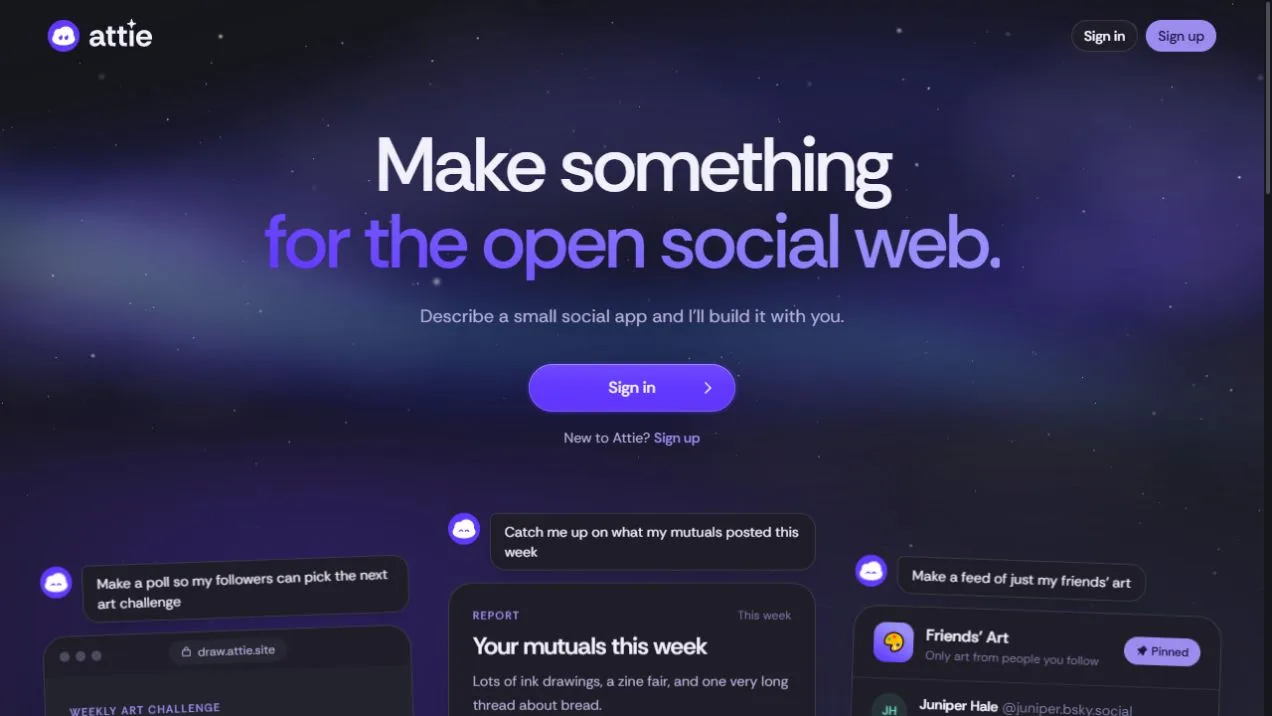
Bluesky's experimental AI feed builder now makes small social sites, with Bluesky sign-in for participation and a link creators can share anywhere.