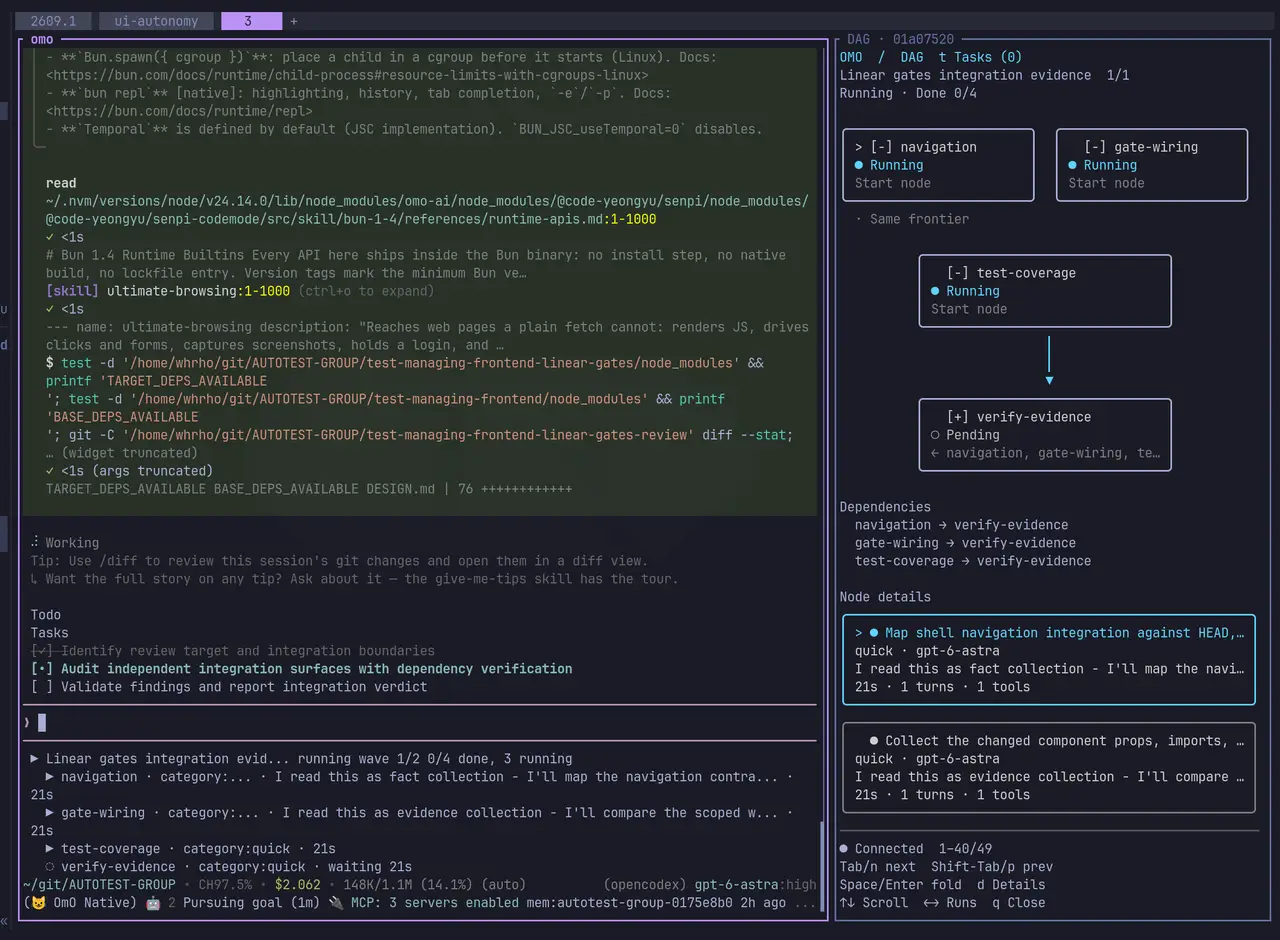
Build an AI agent in 300 lines? Harness Engineering 101 gets a v1.1 refresh
The 16-chapter community guide adds a real MCP caching example and an AI usage disclosure as readers debate its presentation on Hacker News.
The AI briefing
307–324 of 800 stories
The 16-chapter community guide adds a real MCP caching example and an AI usage disclosure as readers debate its presentation on Hacker News.
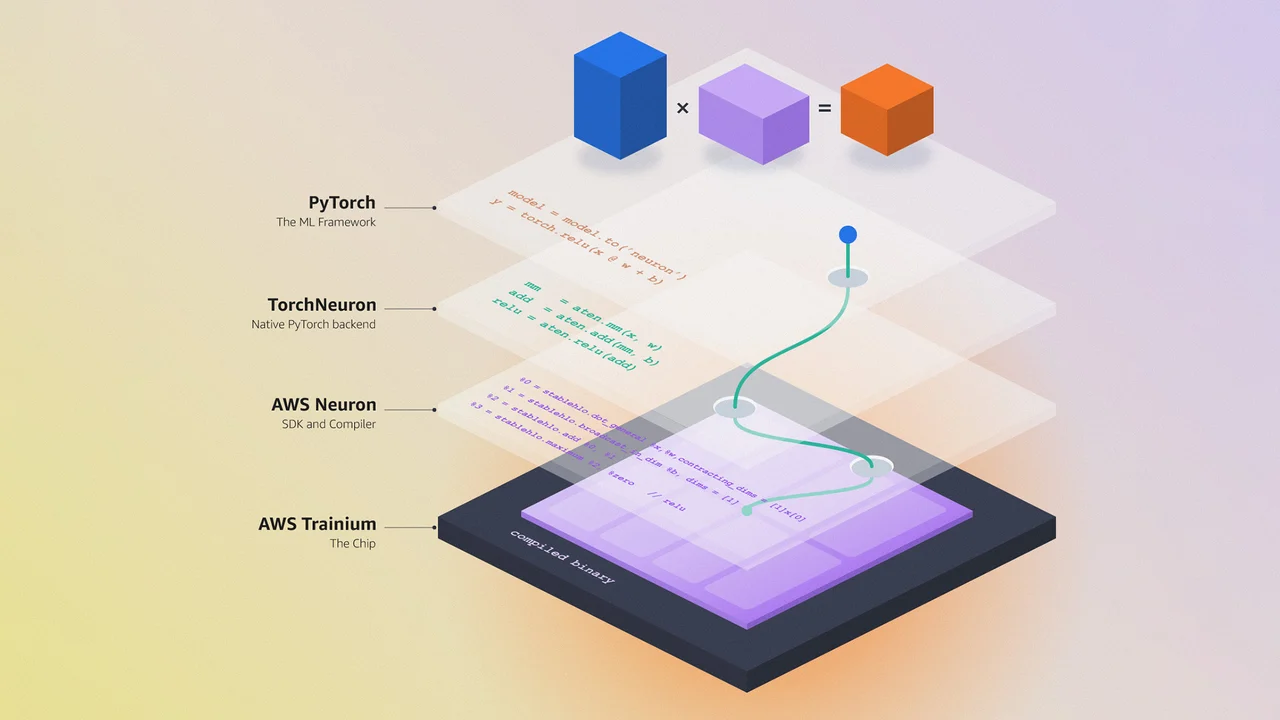
AWS pitches a simpler route off hardware-specific code, while Hugging Face recommends using its standard libraries directly on the new neuron backend.
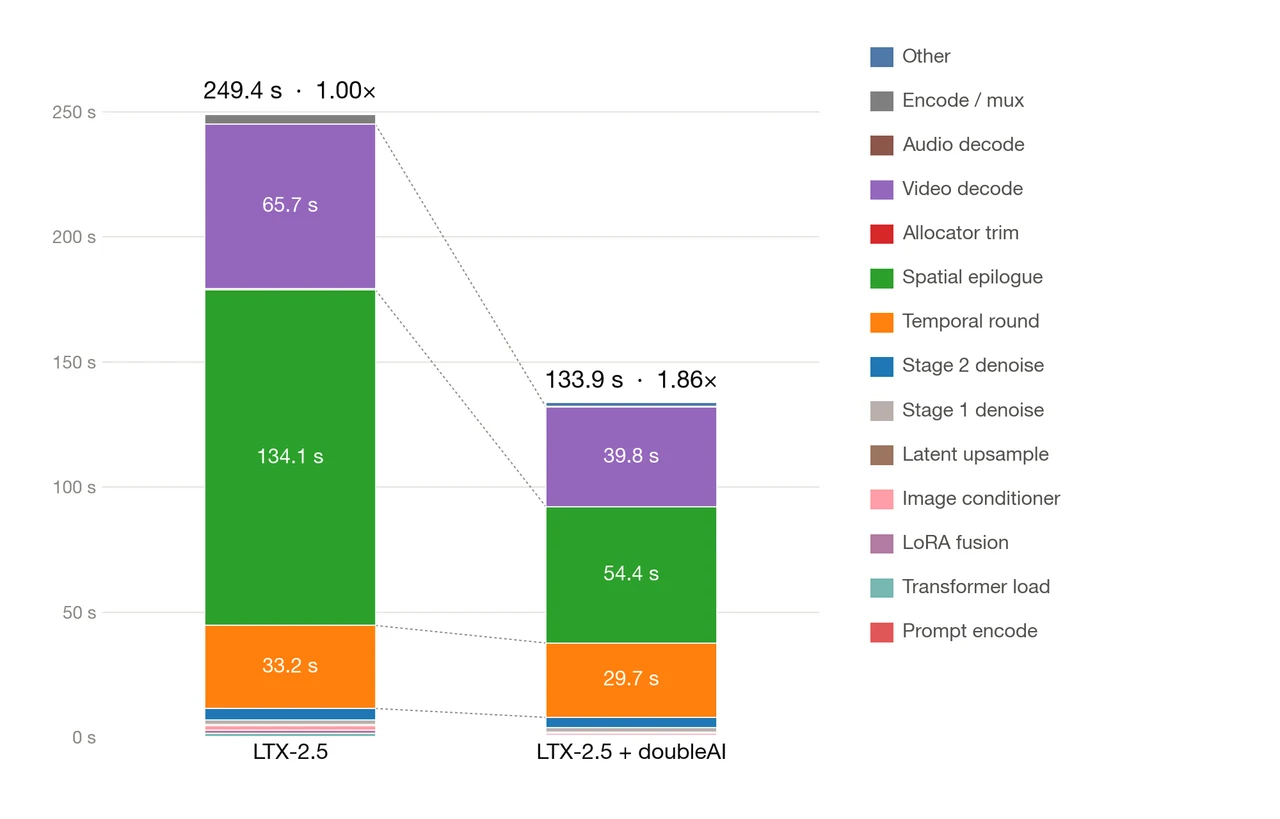
doubleAI's October 19 demo cuts a five-second 4K clip from about 250 to 134 seconds on two B200s, alongside its pitch for code that improves while running.
OpenCode says 1.4% of Console users were affected; TechCrunch reports provider-key remediation and refunds, while the attack's motive remains disputed.
The community bot's new release connects AI requests to playback, queues and volume, with persistent listening preferences and reminders that survive restarts.
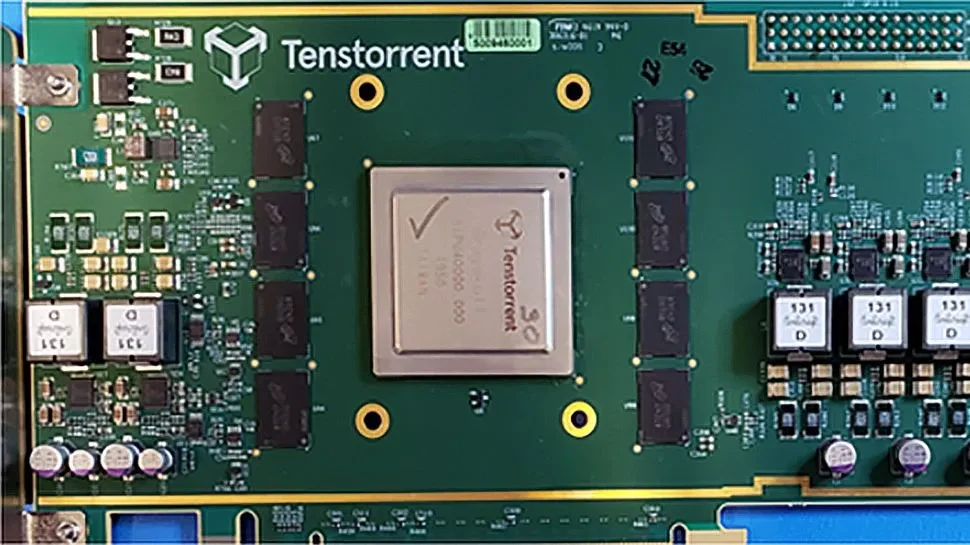
The reported financing backs chips for serving open-weight models and video generation after the inference startup chose to remain independent.
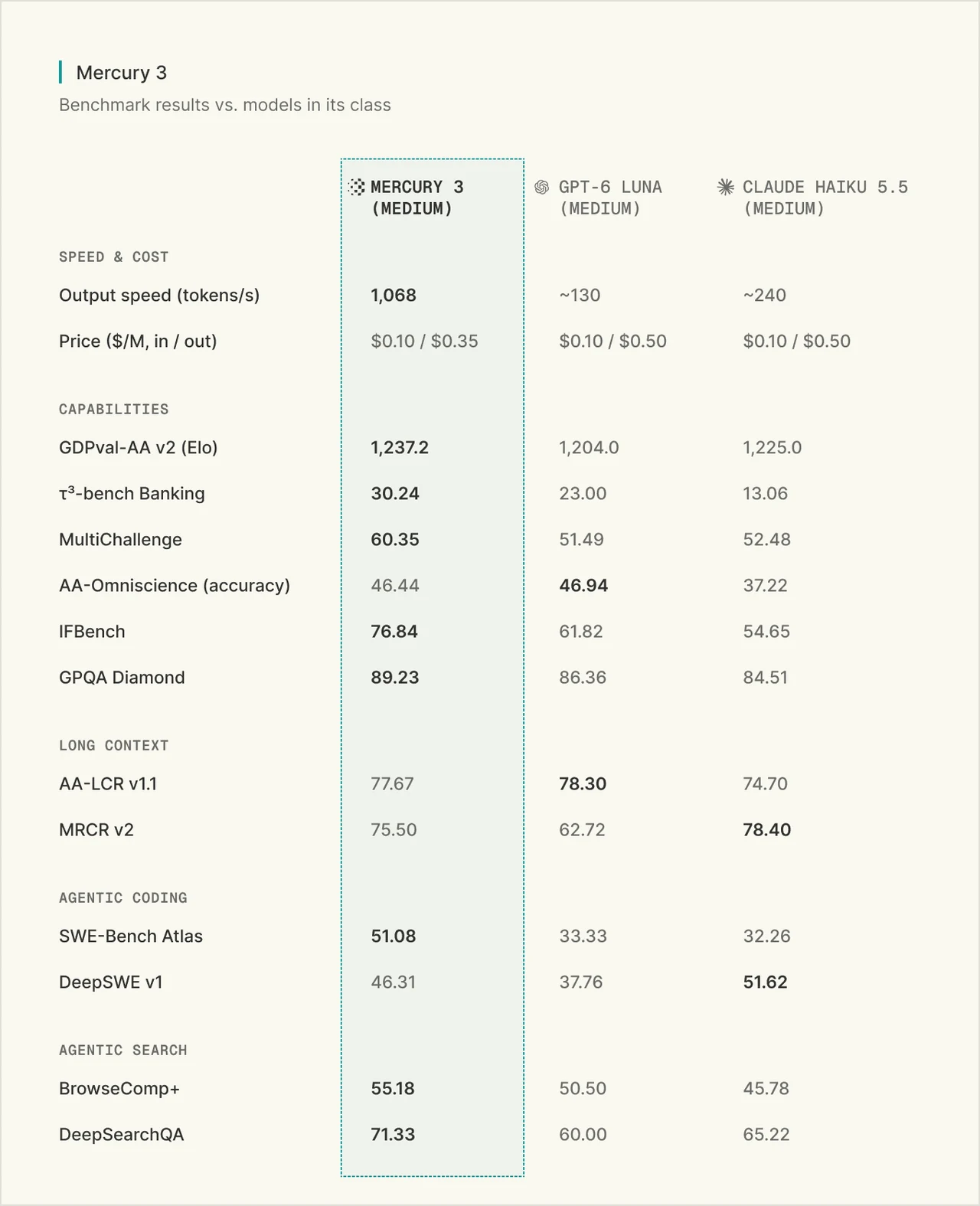
Inception's diffusion model is available through its API and partners, with a 50% introductory discount. Its speed and quality comparisons remain company-reported results.
Comfy-Org's downloadable Base/SFT package has a documented folder layout and multiple precision options, with actual October 17-18 uploads behind the latest attention.
SKALE Labs' new dataset describes 51 resolved rounds and 204 agent entries, opening the decisions behind a live prediction-market benchmark while preserving its changing rules and operator disclosures.
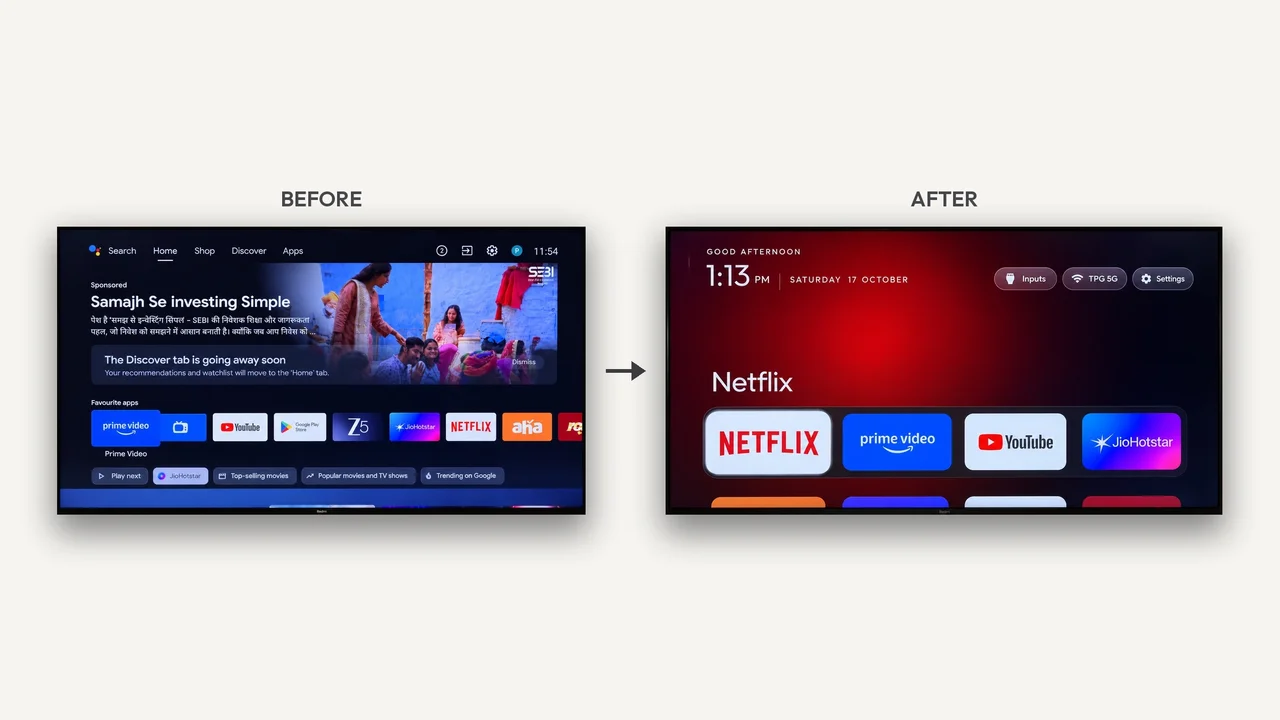
CleanYourTV and dumbtv turn TV cleanup into a coding-agent workflow, with local debugging access, replacement launchers and important limits to restoration and compatibility.
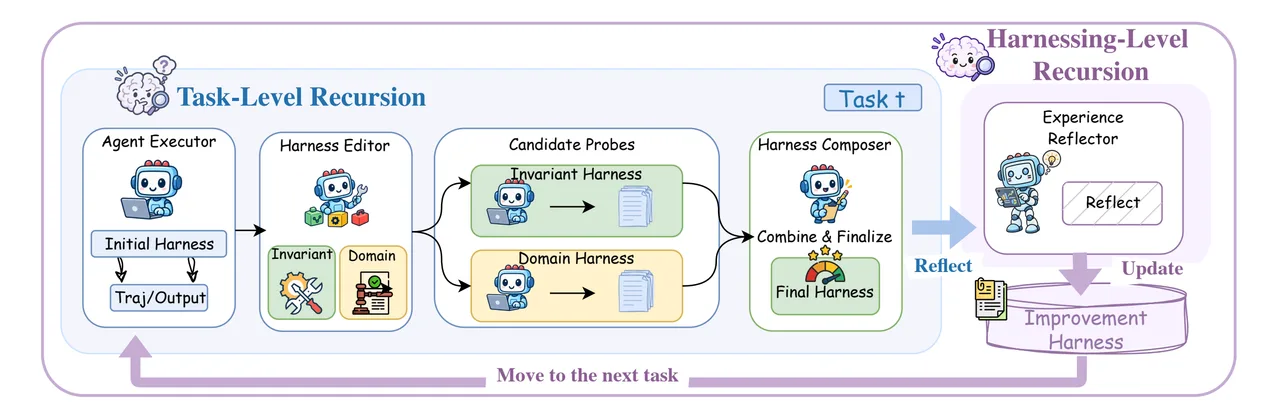
Google Research's framework proposes, probes and combines changes around a fixed model. Its documentation also records a benchmark-rubric access problem that experimenters need to control.
The Katonic-funded project packages public GPU measurements into a dated dataset, JSON API and local MCP tools, with an explicit warning that busy-server figures are energy floors.
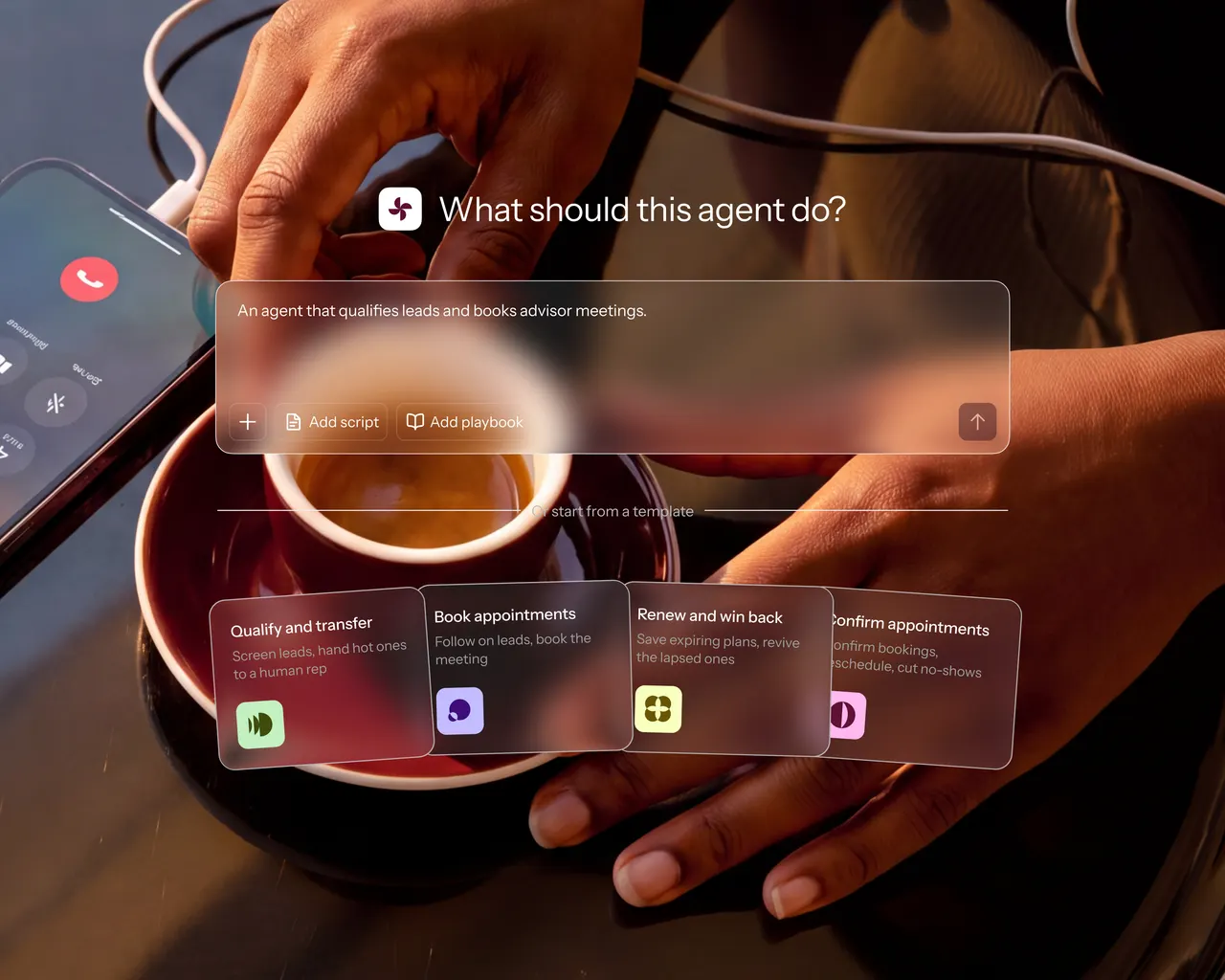
The new voice-agent platform targets lead qualification, follow-ups and CRM updates. Its launch claims about speed and sales gains come from monday.com and a named customer.
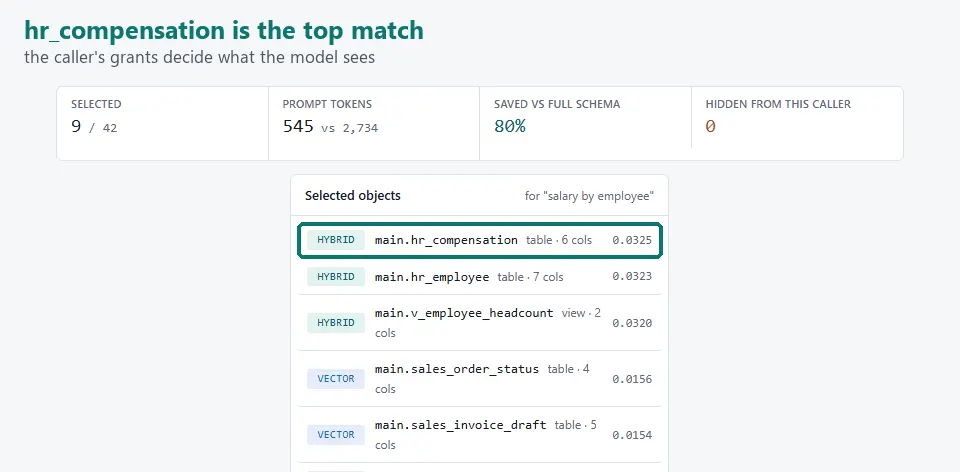
The community SQL-agent tool adds OAuth to its HTTP transport, taking identity and roles from signed tokens before choosing which database schema reaches a model.
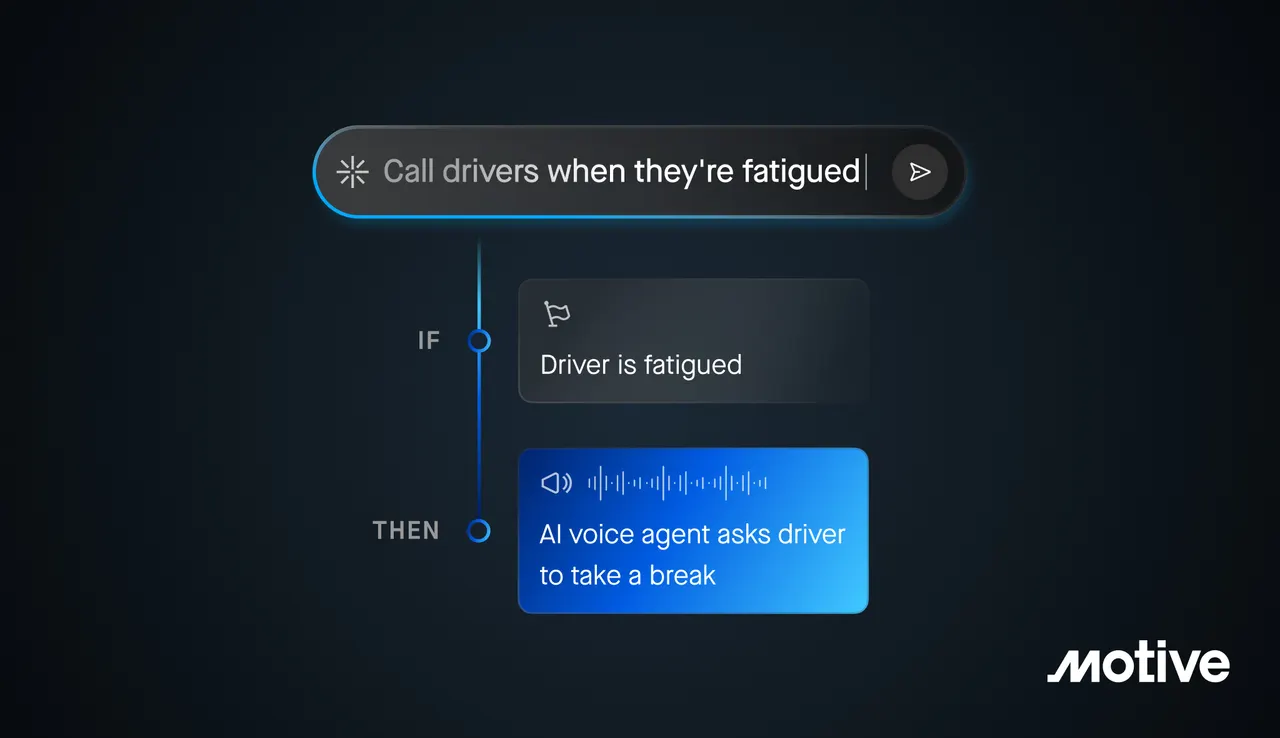
Motive customers can configure fleet triggers and actions now. The more ambitious voice-agent outreach and plain-language goal setting have later rollout dates.
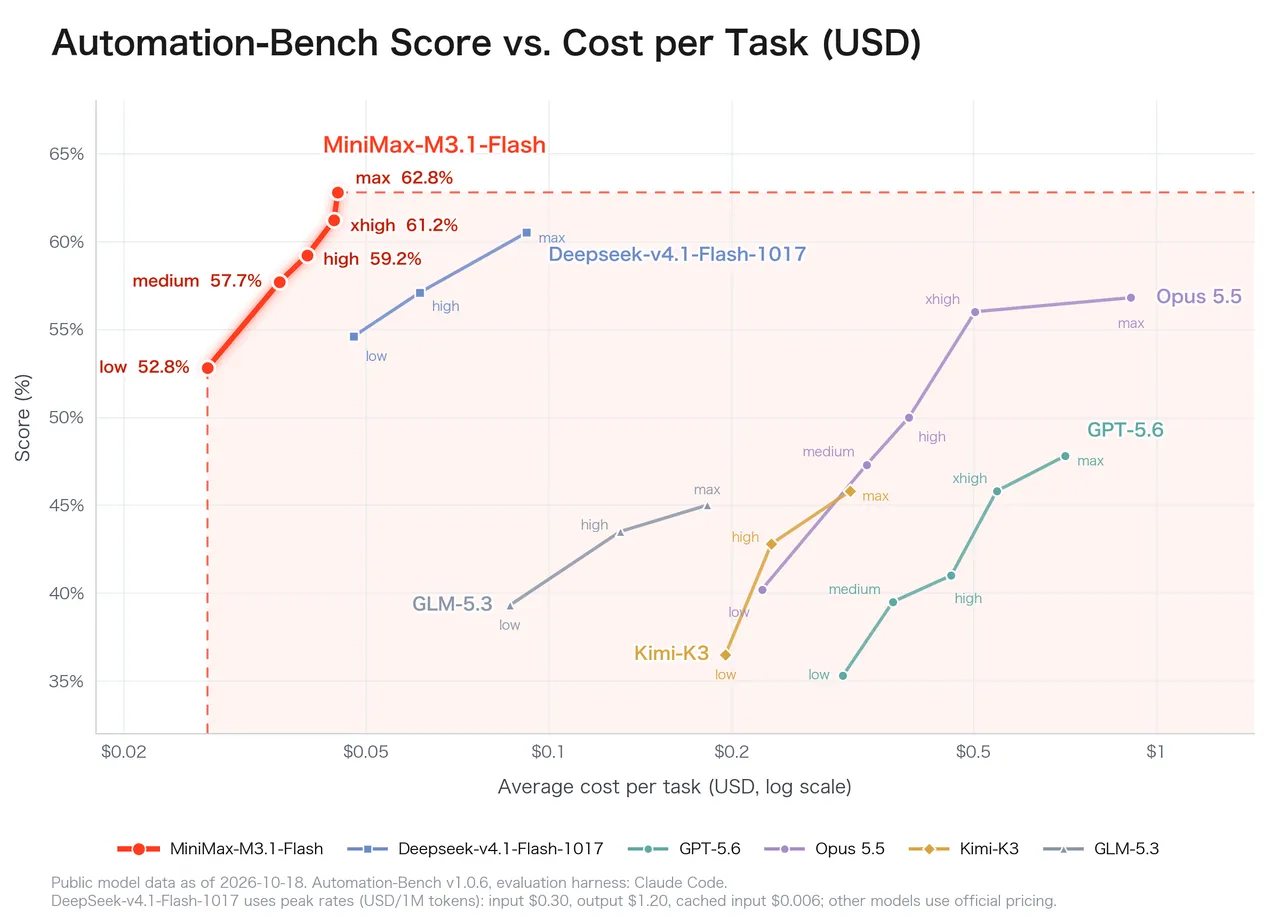
MiniMax launches its agent-focused Flash model at $0.15 input and $0.60 output per million tokens, identifies the anonymous preview, and says weights will follow later.
A new browser guard page exposes the 321M preview and its 140M sibling, with local WebAssembly inference and a documented speed-versus-accuracy tradeoff.
The standalone agent replaces a total continuation ceiling with an inactivity rule, while the release also promises durable queued input and a smaller memory-recall index.