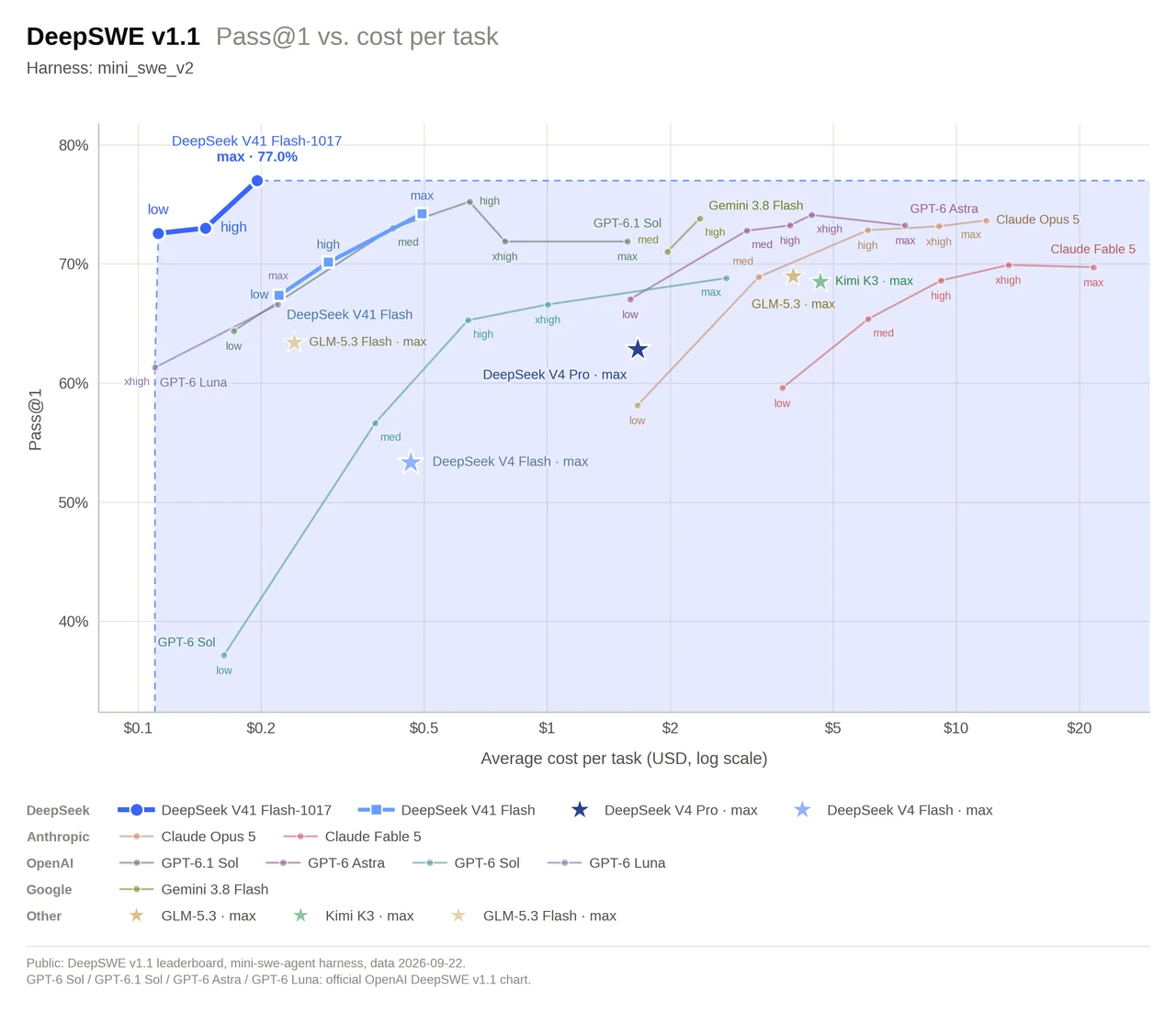
DeepSeek V4.1 Flash
An MIT-licensed DeepSeek V4.1 checkpoint for fast multimodal text generation.
- By
- DeepSeek
- Access
- Not recorded
- License
- Not recorded
- Deployment
- Not recorded
Signal 512k downloads
multimodalself-hosted 2 sources
131 entities · 20 projects · 21 tools · 67 models · 23 news
An MIT-licensed DeepSeek V4.1 checkpoint for fast multimodal text generation.
Mistral AI's compact realtime speech model for low-latency transcription workflows.
Qwen's Diffusers-compatible model for text-to-image generation and image editing.
Meta's open-weight Llama 4 Scout mixture-of-experts instruction model.
Meta's larger Llama 4 Maverick mixture-of-experts instruction checkpoint.
Free and open-source CapCut replacement that supports MCP servers.
H Company's 27B agent model combines graphical interfaces, code, MCP and APIs; its downloadable checkpoint carries a noncommercial license.
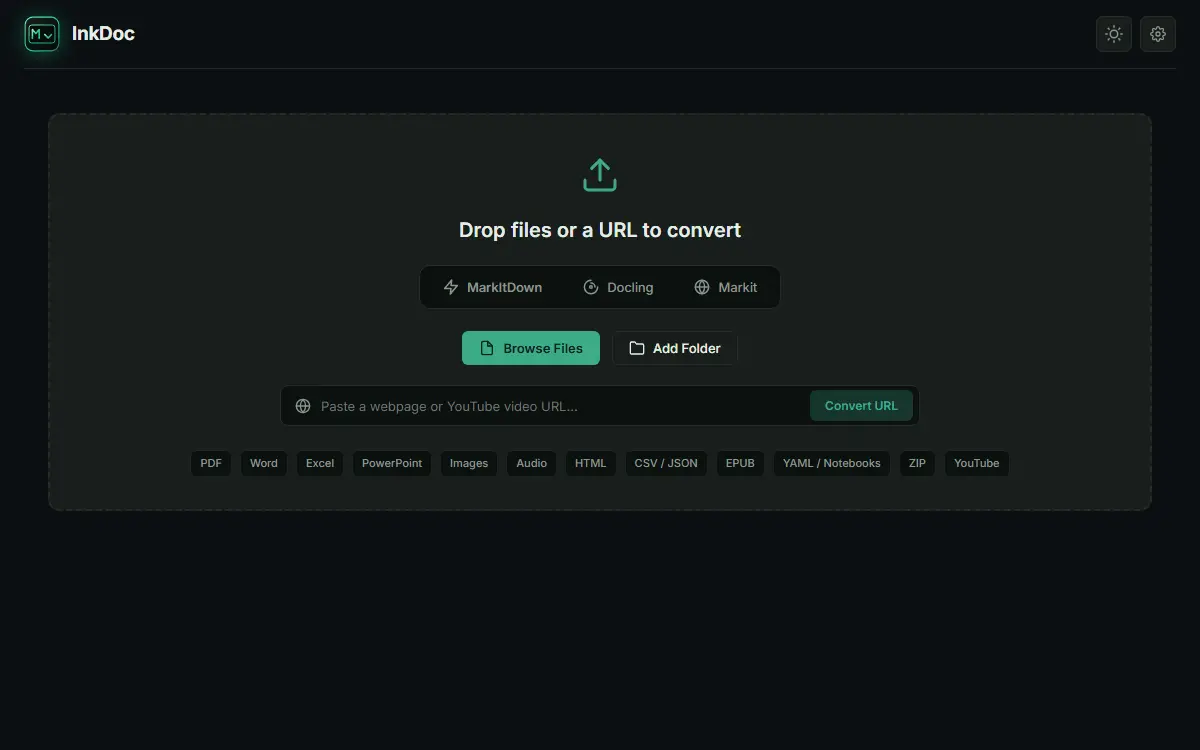
An MIT-licensed desktop document-to-Markdown workbench with a local REST API, multiple extraction engines and original-page comparison.
A compact English speech-recognition model with a 163 MB packed download and local MLX, PyTorch and Core ML execution options.
A public test-input export for multimodal agents making 3D mechanical assembly decisions, GUI actions and bounded minimal-rework choices.
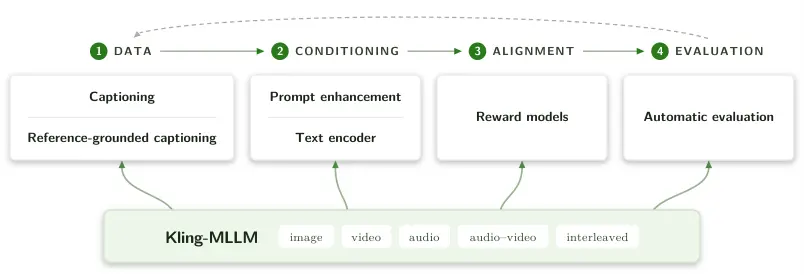
Kling Team’s November 3 technical report explains how multimodal understanding connects training captions, prompt enhancement, text encoders, reward models and video evaluation.
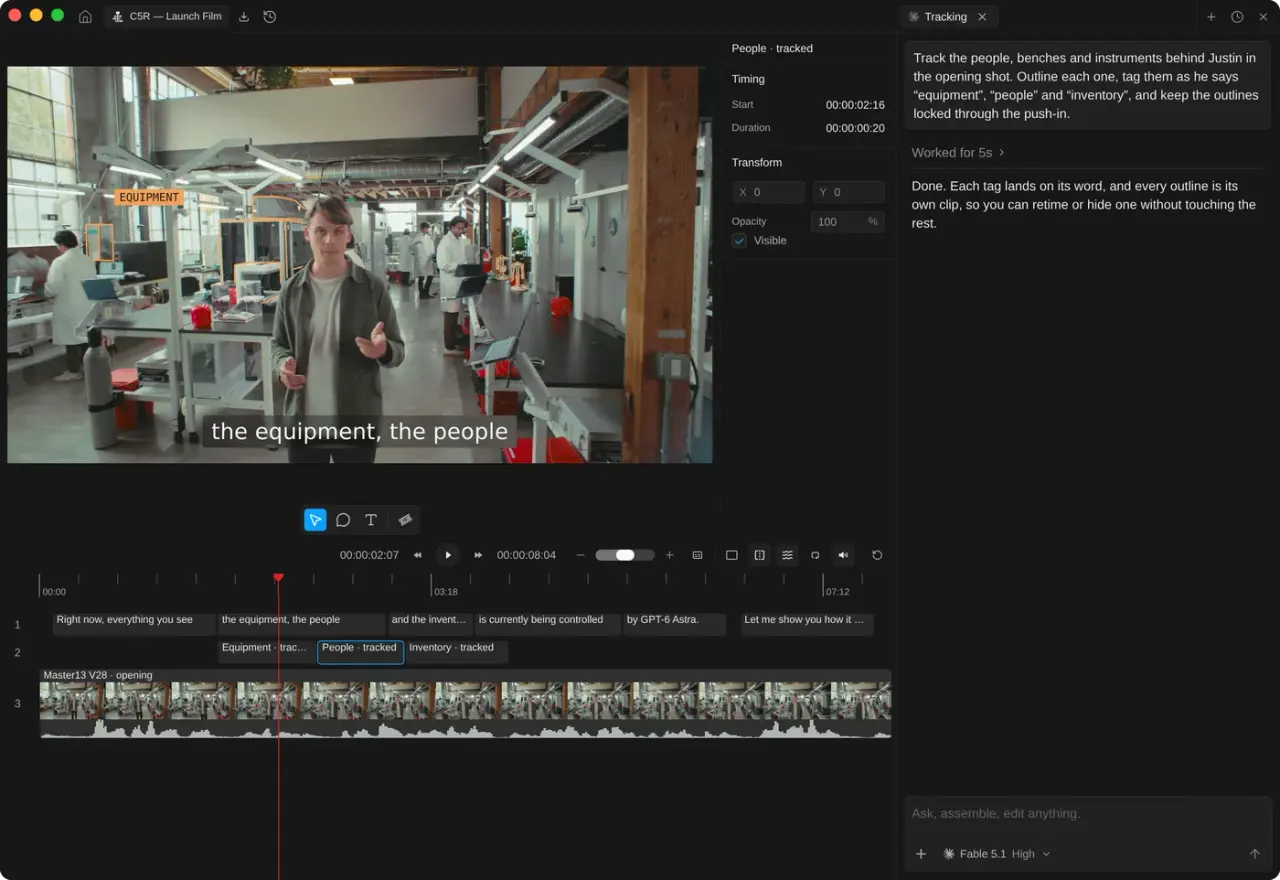
A desktop video editor that connects teams, footage, review notes and coding agents through an editable shared timeline and local MCP server.
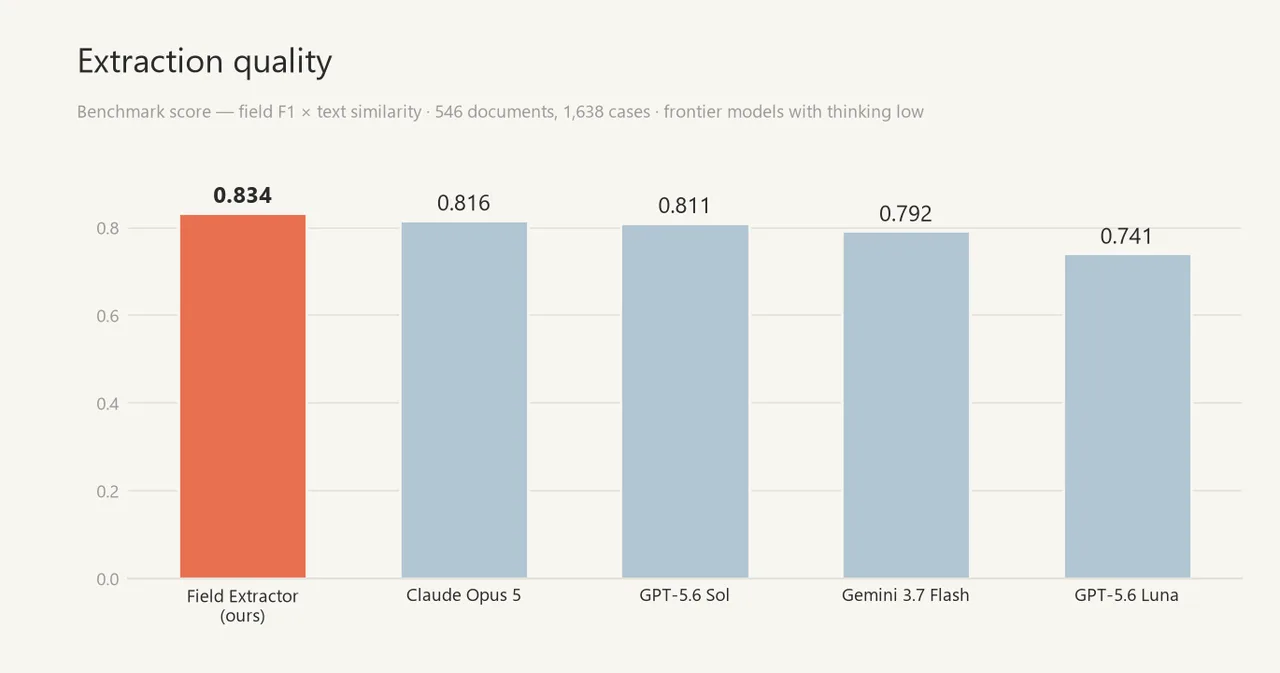
Dharma-AI's reported 2B document model extracts typed JSON fields from page images, with open or schema-directed requests through its documented API.
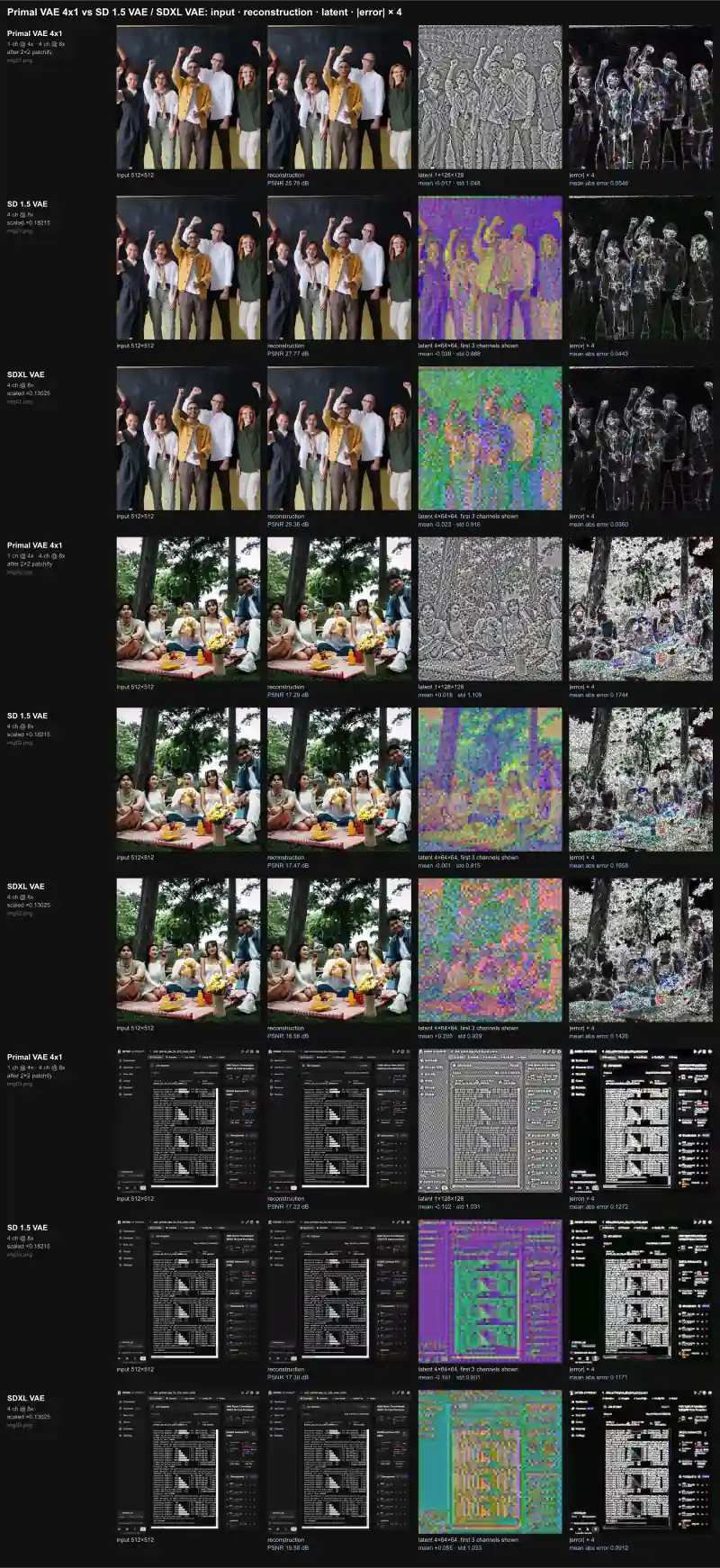
Ostris's deterministic image autoencoder family uses shallow spatial compression and patching to produce latent layouts for diffusion research.
A community Android assistant with on-device Qwen-derived inference, English and Greek support, and optional phone actions.
Community GGUF quantizations of a refusal-ablated LFM3-Omni-2B derivative, distributed for safety research and red-teaming.
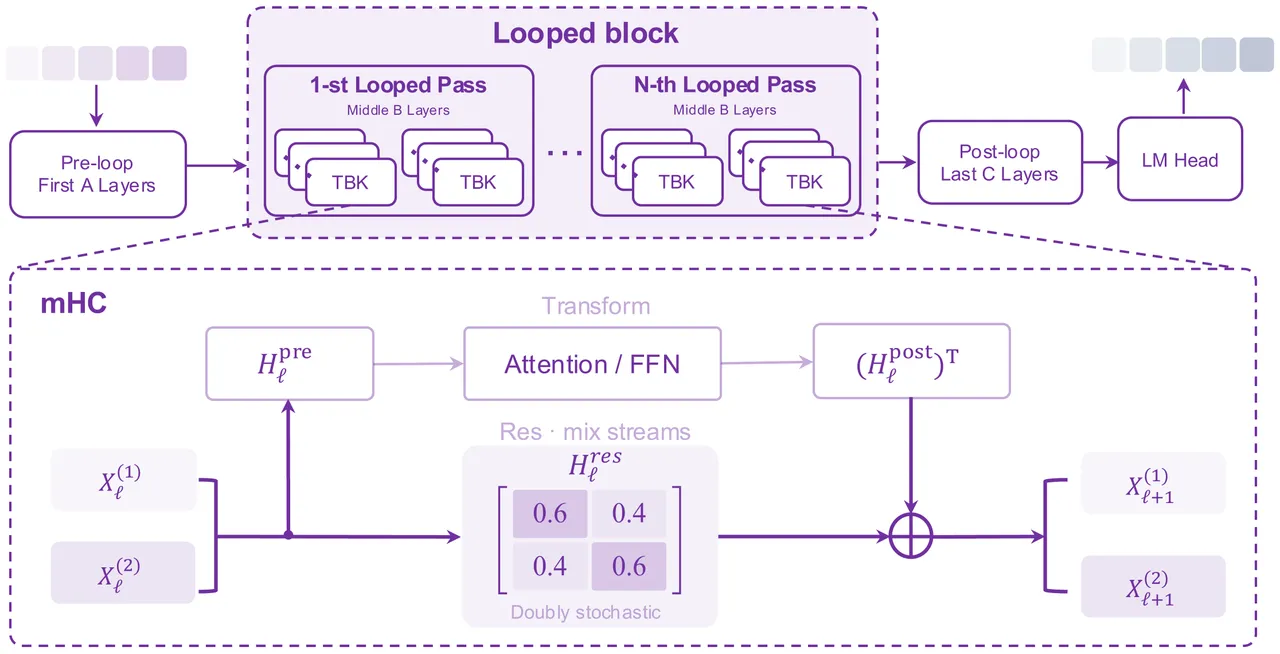
SenseNova's open-weight multimodal preview reuses a shared decoder block to perform 56 layer executions with 32 distinct layers.
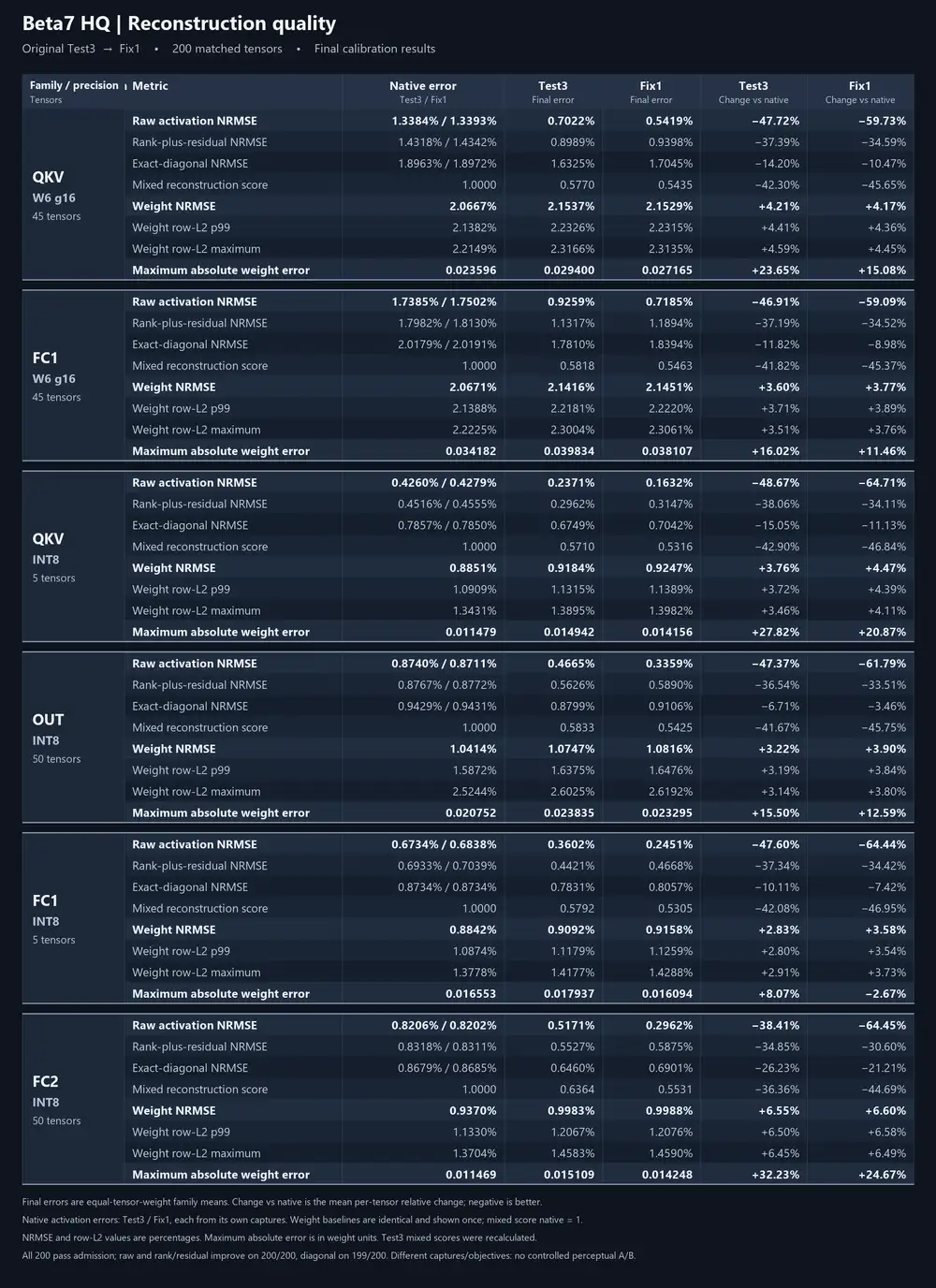
LokkenJP's community activation-guided quantizations of TenStrip's MiniMax H3-based 10Eros Max video model, including Beta7 fix1 HQ and an older compact checkpoint.
abenzerps's community Qwen-Image-2.1-Turbo conversion package offering GGUF, Safetensors and MLX weights with separate text encoders and a VAE.
Loova's commercial MCP integration for calling image and video models and reusable marketing-asset workflows from compatible agents.
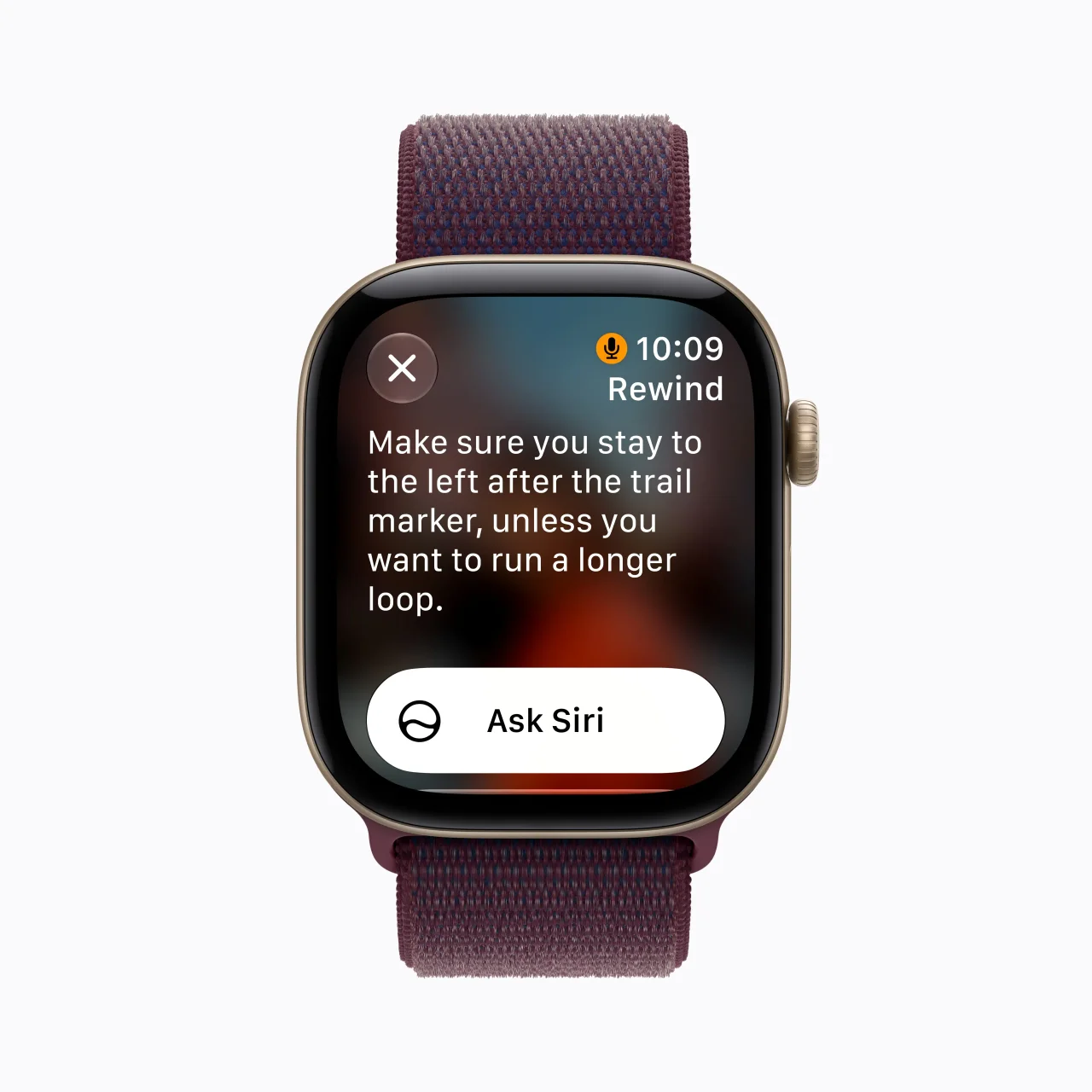
TechCrunch reports developer testing of Apple Watch conversation rewind and recap features, while Apple documents opt-in controls, compatible devices and privacy limits.
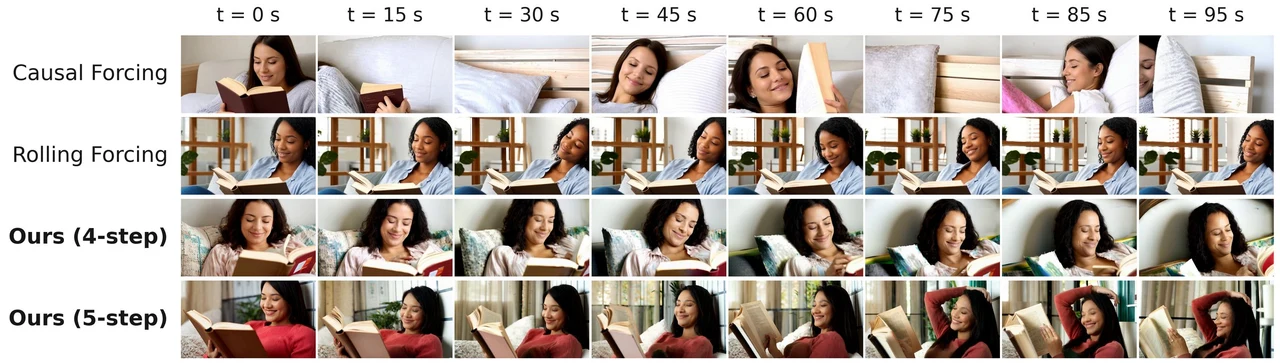
A research framework for continuous video generation with released 1.3B few-step checkpoints and a multi-GPU WaveRT streaming runtime.
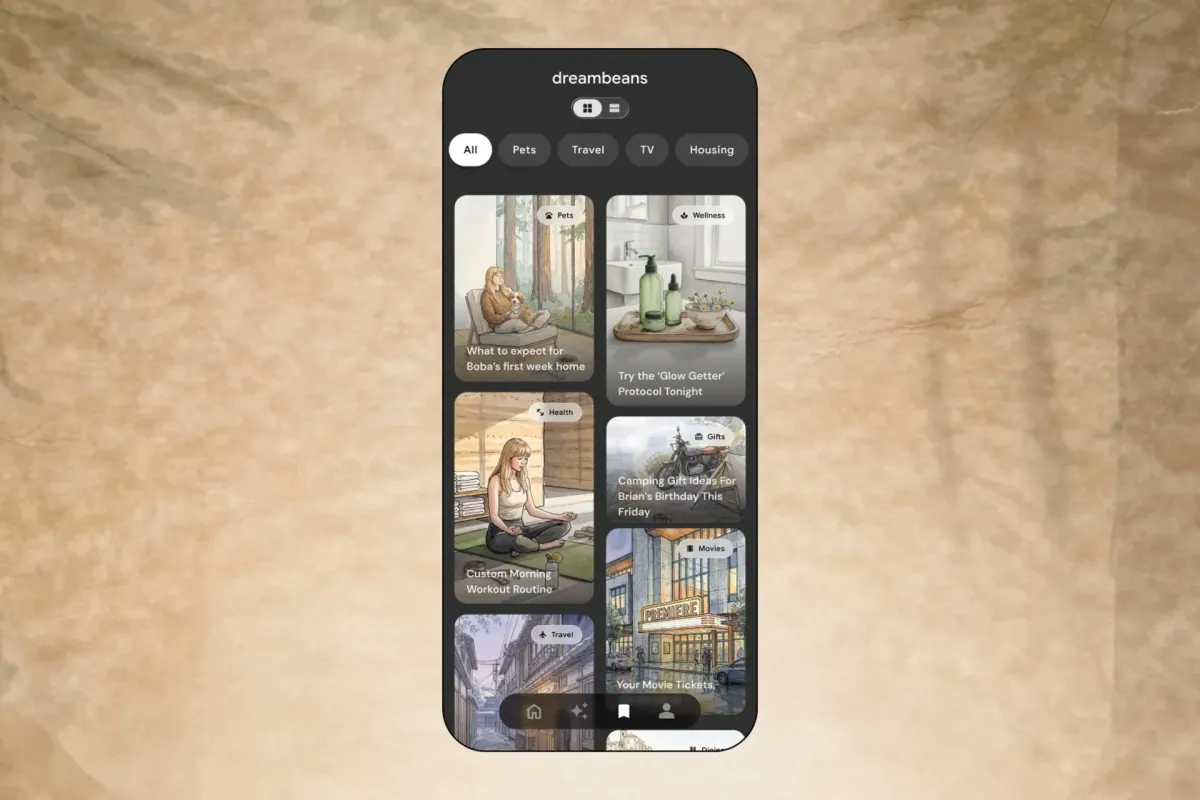
Google Labs' experimental Android and iOS app creates illustrated daily stories using personal context from the Google services a user chooses to connect.
InterpreticAI's 1.86 GB IQ3_XXS quantization targets browser and mobile inference, with author-reported losses in general capability and more degenerate answers.
A community Python script that copies a ComfyUI NVFP4 safetensors file while clearing full-precision matrix-multiplication flags in its quantization metadata.
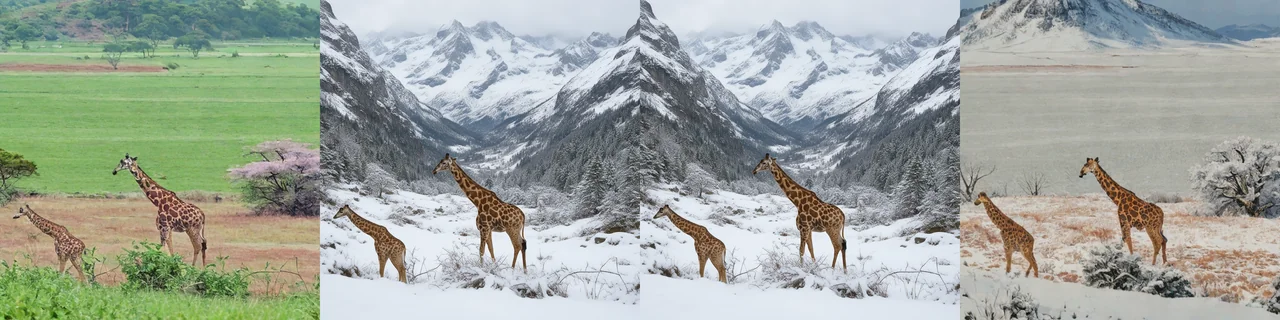
Akhaliq's community LoRA for two-step image editing on Bria Fibo 2.0 Edit Turbo, with author-declared non-commercial terms and numerical evaluation pending.
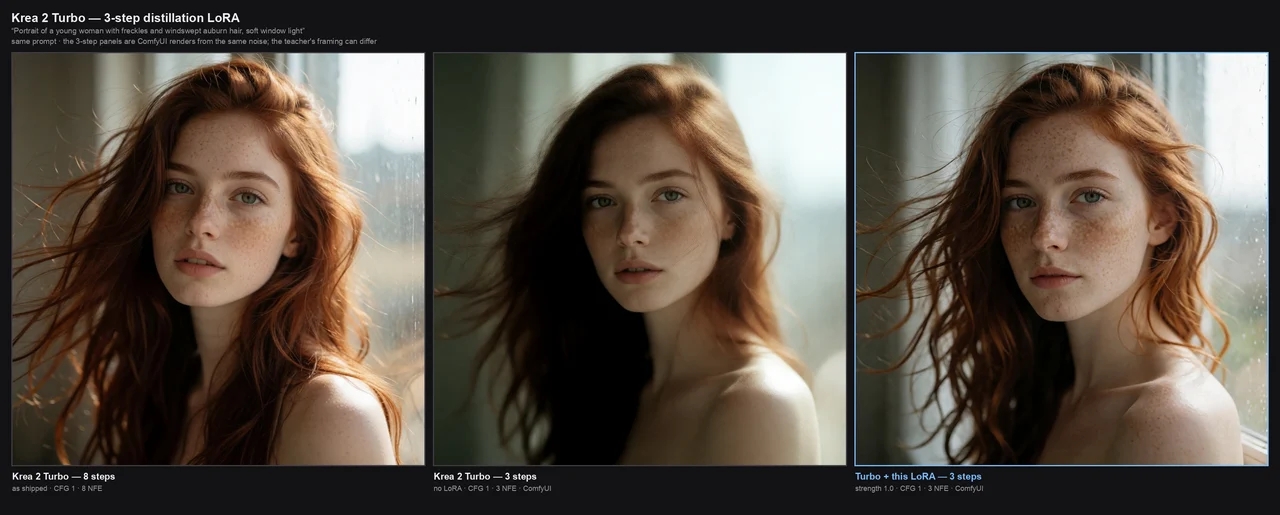
lvladikov's community distillation adapter reduces Krea 2 Turbo sampling from eight steps to three, with stock ComfyUI and diffusers files.

WAS's community model patches combine Pika H3 Flex adapters with four-step MiniMax H3 PTD files for a ComfyUI workflow producing video and audio.
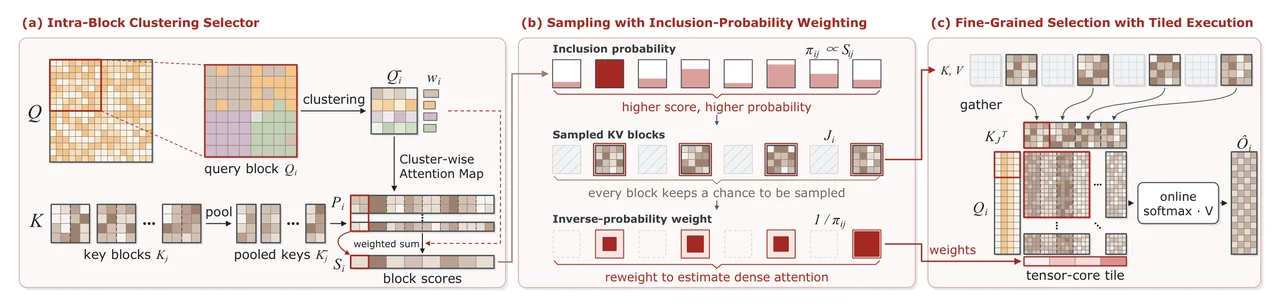
Training-free sparse attention research for video diffusion, with public kernels targeting NVIDIA Hopper GPUs.
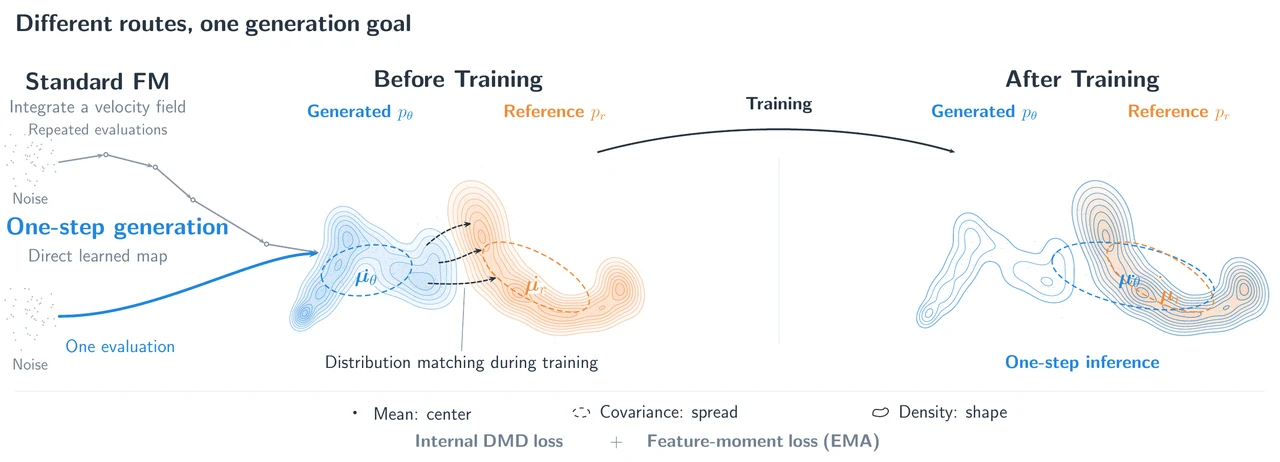
Image-generation research combining internal distribution matching with the generator's own EMA feature statistics for one- and two-evaluation sampling.
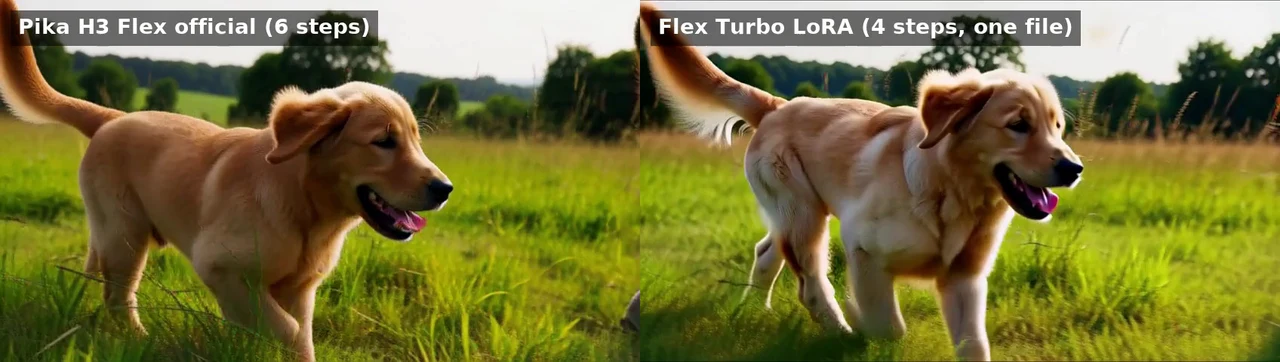
akhaliq's community fusion of Pika H3 Flex and LightX2V MiniMax-H3 Turbo adapters, offered as four-step and eight-step LoRAs for local video with audio.
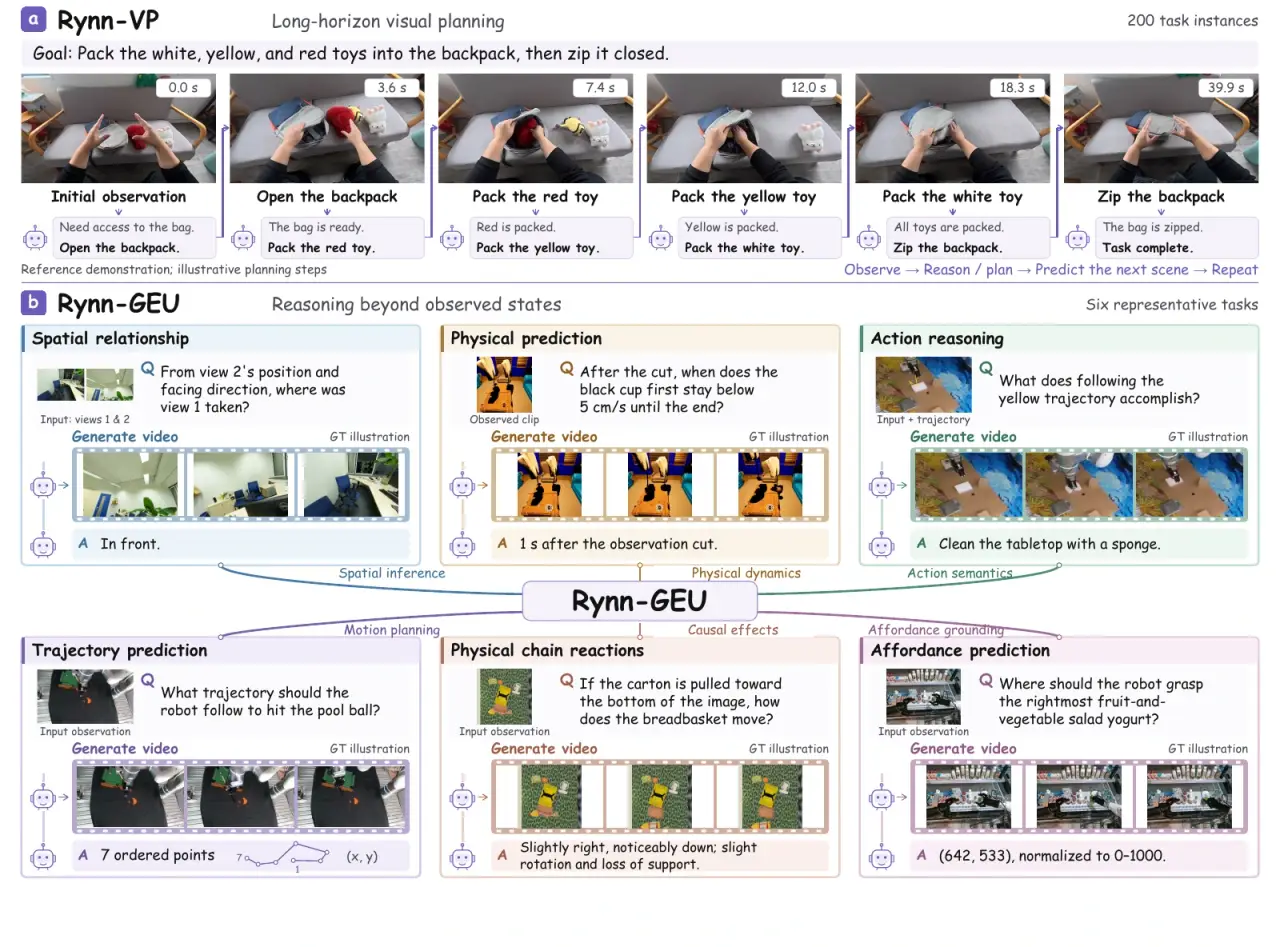
A research evaluation package pairing multi-turn embodied-understanding questions with source images and stored rollout videos across ten task subsets.
A community mixed-precision MLX checkpoint of Qwen3.8-Flash-Next, including vision, n-gram embeddings and an MTP head, re-quantized on October 29.
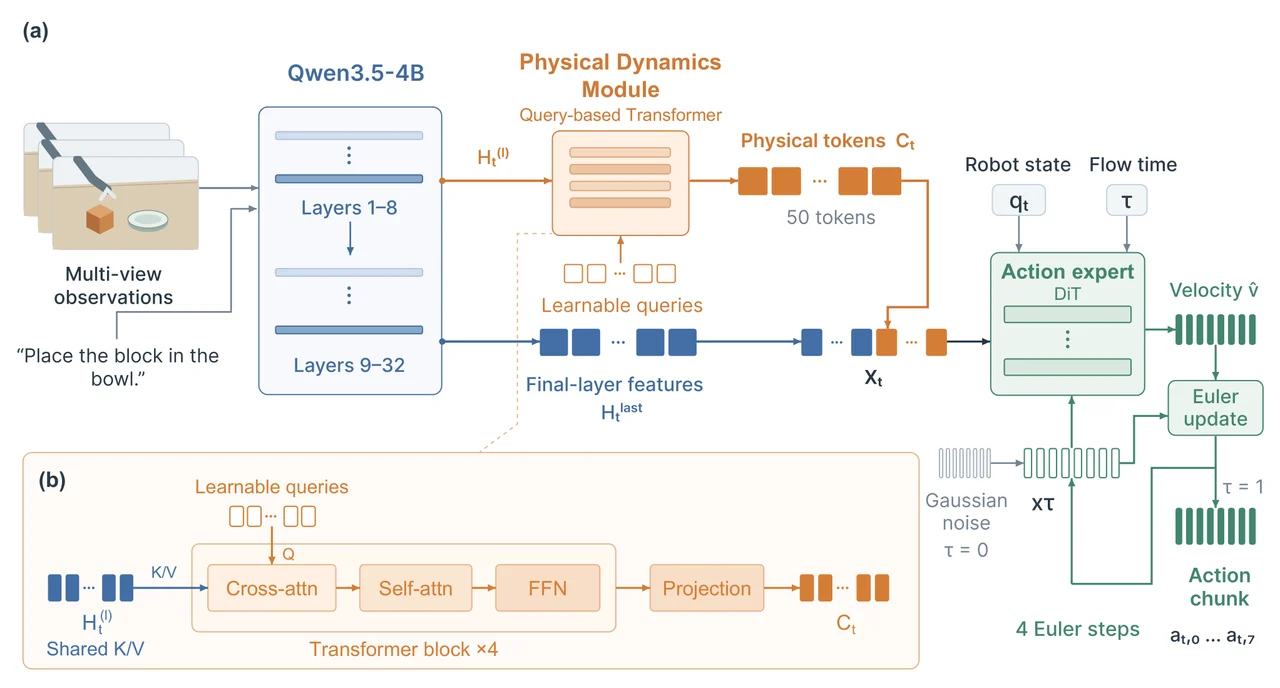
A robotics research framework that learns future physical features during training and removes the auxiliary video model at execution.
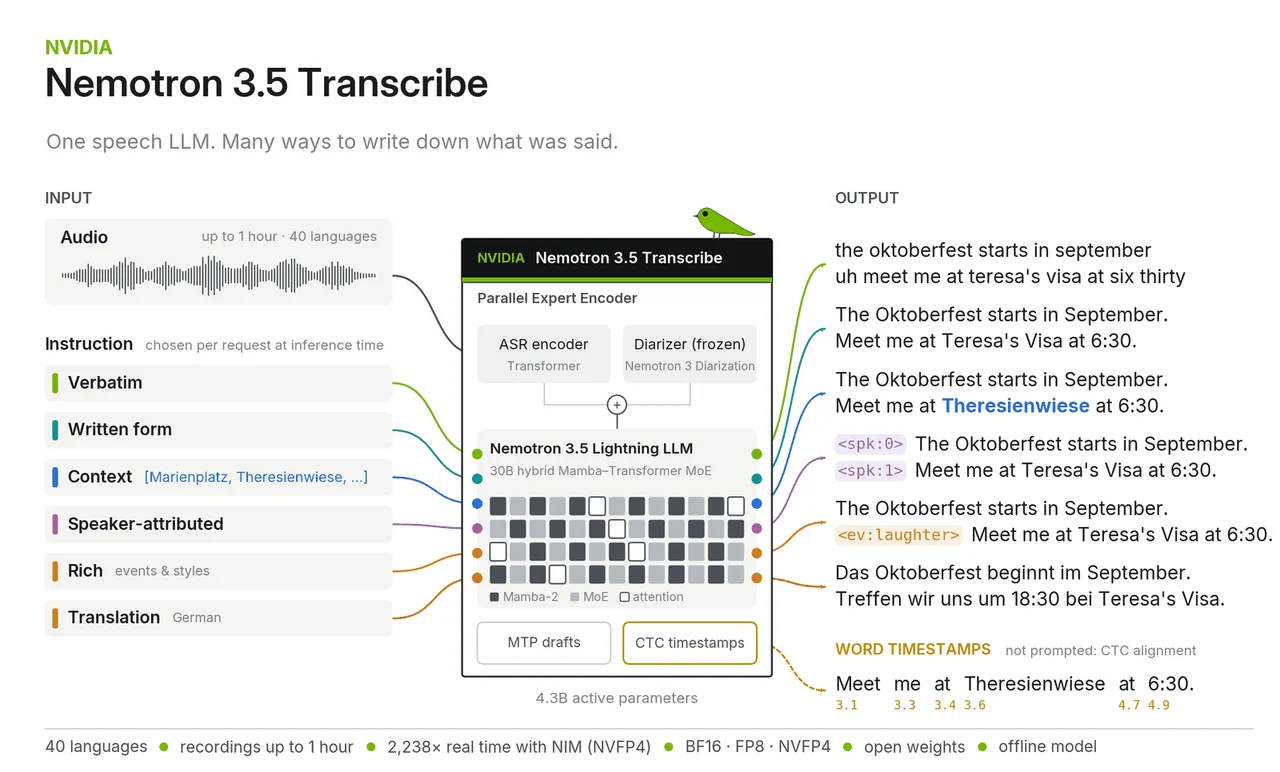
An open-weight model for prompted recorded-audio transcription, translation, speaker attribution and English audio questions.
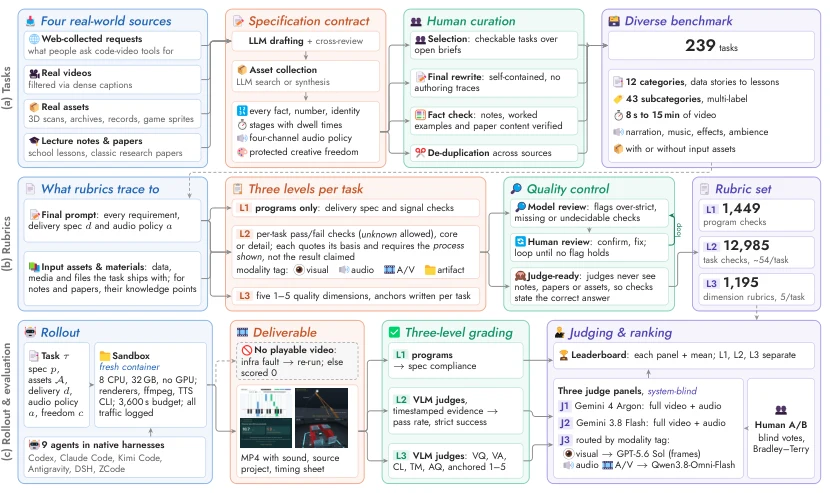
A research benchmark testing whether complete coding-agent systems can deliver rendered videos from natural-language briefs within one hour.
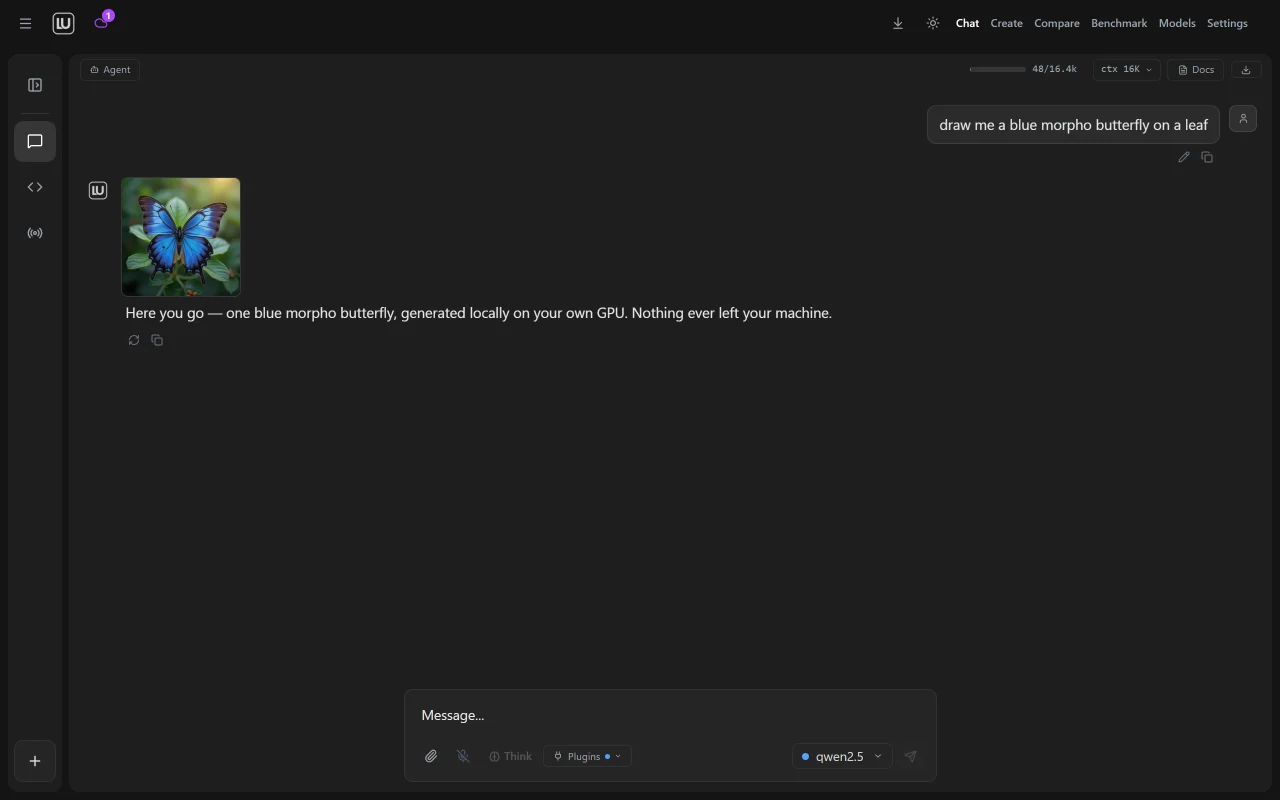
An AGPL-3.0-only desktop AI studio combining local chat, media generation and agent workflows, with optional cloud services.
Ruach Studio's music-generation fine-tunes of YuE2-3B, with merged GGUF and safetensors weights including dedicated ComfyUI checkpoints.
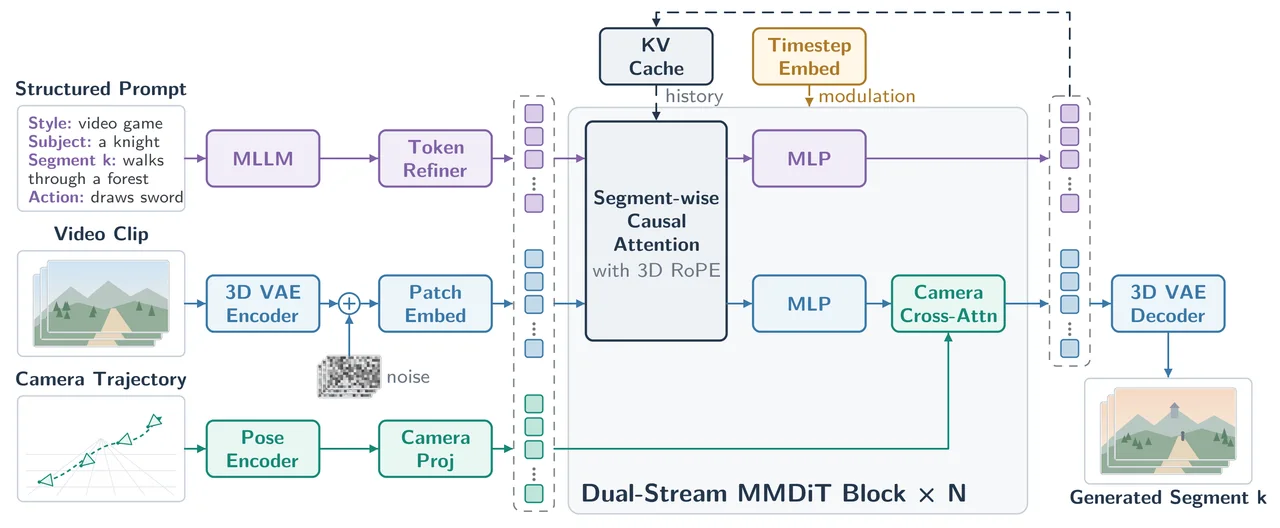
Tencent Hunyuan's interactive video world model, with multi-turn text instructions, camera control, downloadable weights and a documented single-GPU inference configuration.
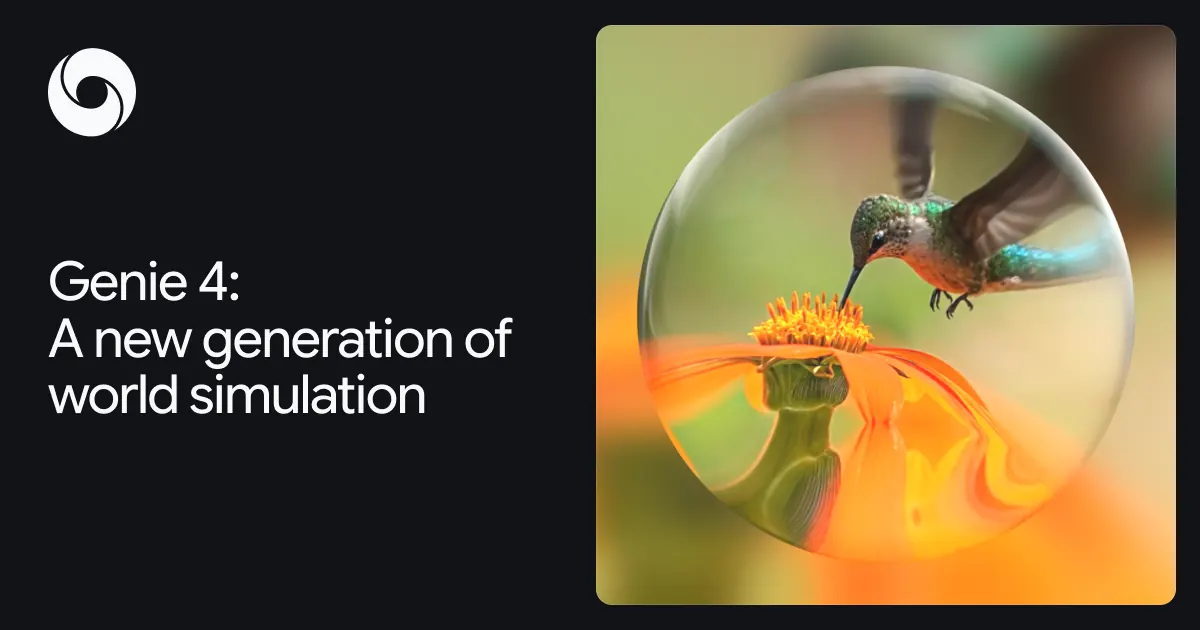
Google DeepMind's experimental interactive world model with native audio, live text steering and Gemini-guided simulation.
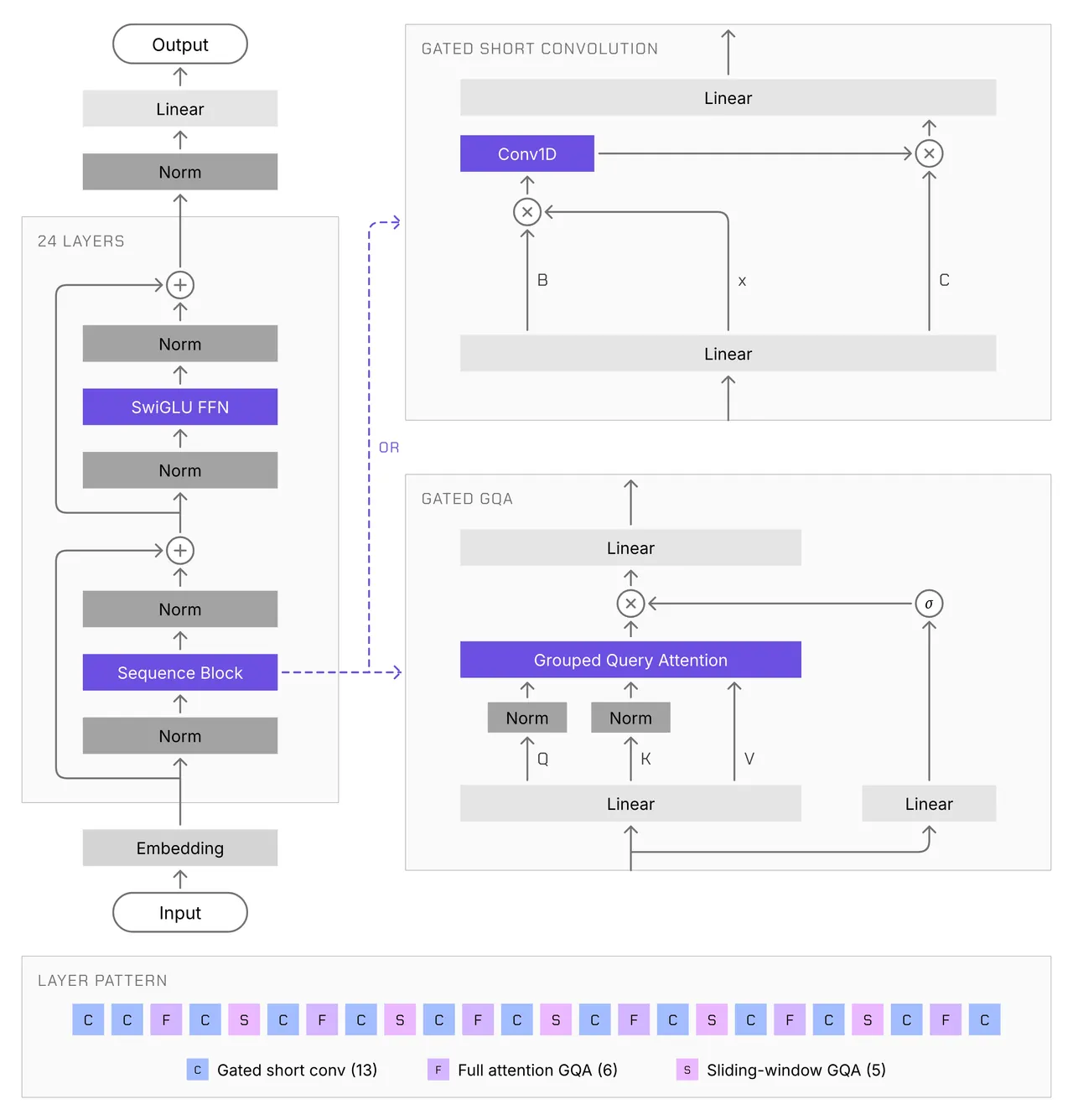
Liquid AI's compact open-weight family for local text agents, vision, audio, multimodal interaction and structured decisions.
An unofficial instruction-editing LoRA for MOSS-Image-SFT with public checkpoints, comparisons and ComfyUI workflows.
OrcaRouter's 27B security-focused vision-language model, distributed as GGUF files with MTP and optional DFlash drafting.
The company describes a speech-trained, full-duplex model, with demonstrations available before broad public access.
The creator post names Wonder Studios and director Dev Walker; the clip is a creative collaboration, not a completed feature film.
OpenAI's October 26 model for computer use, visual reasoning and writing, with standard API prices of $1 input and $5 output per million tokens.
Community Qwen3-VL-8B research checkpoint pairing a language-model LoRA with a gated residual Q-Former on image tokens and an MM-Vet ablation runner.
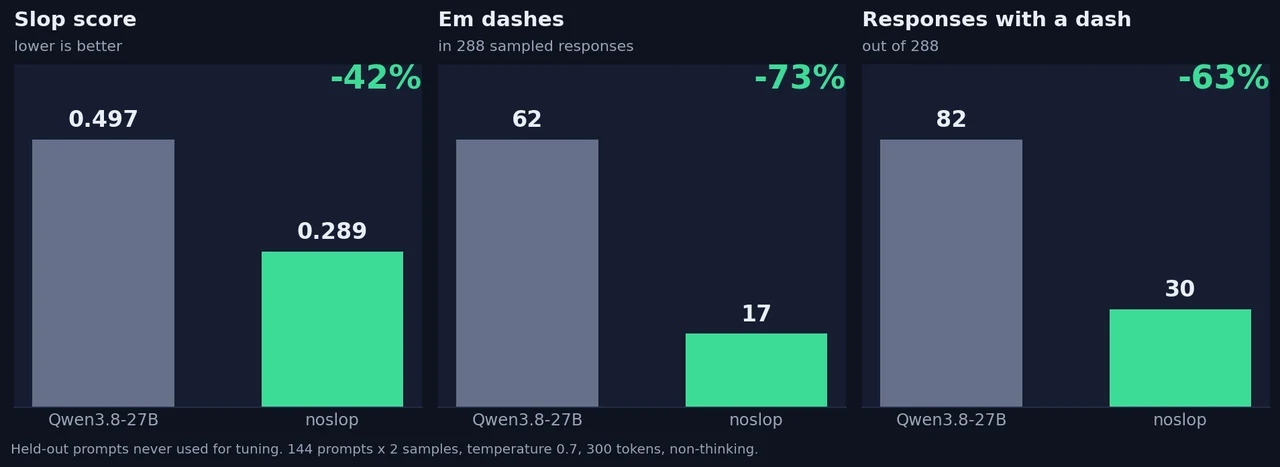
RefinedNeuro's community Qwen3.8-27B weight modification targets formulaic English prose, with author-reported writing evaluations and downloadable GGUF builds.
Community Hugging Face ZeroGPU app for MOSS-Image text-to-image generation with Base/SFT selection and four character LoRAs.
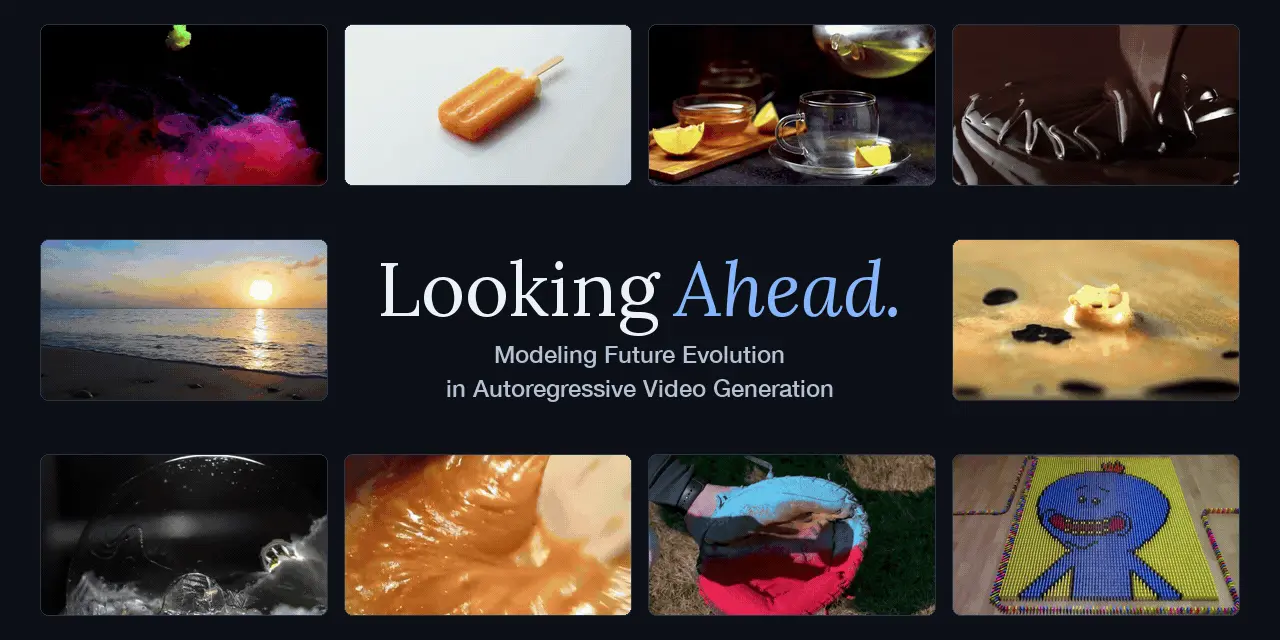
Future Chunk Prediction research with released Wan-based video generation checkpoints, teacher-forcing baselines, training code and demo data.

MOSS-Image-SFT on Apple MLX, progressing from a contributor fork to a native MFlux pipeline with an MLX Qwen3.5 text encoder and complete community quantized packs.
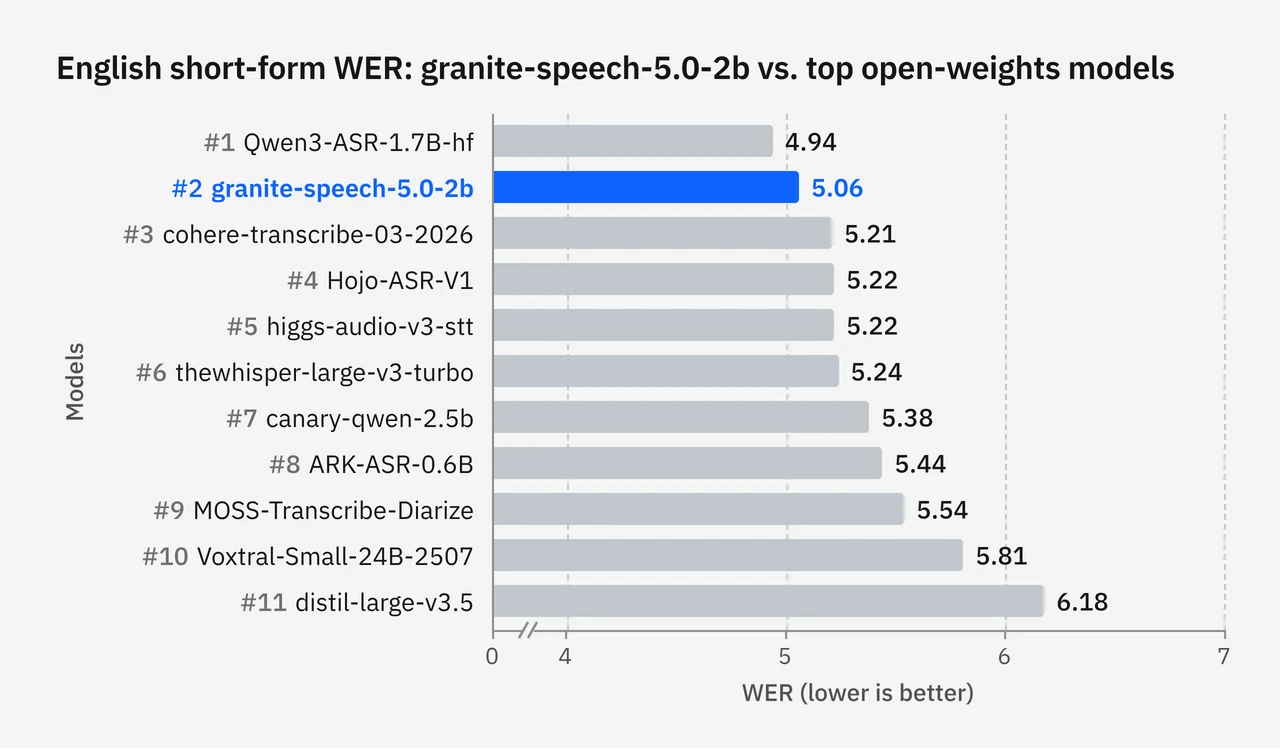
IBM's Apache 2.0 speech-language model for multilingual transcription and translation, with language prompts and keyword lists of up to 2,000 terms.
A community GGUF conversion of Google's Gemma 4 12B QAT model, rebuilt as MXFP4 after its author identified an earlier mislabeled hybrid.
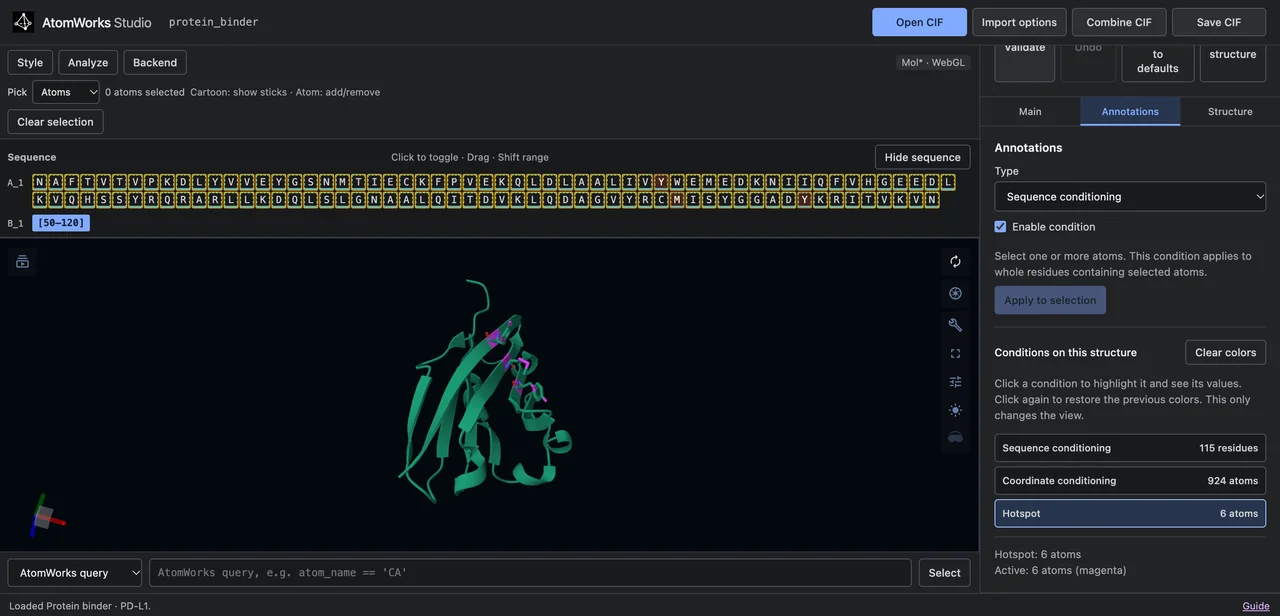
A joint protein-sequence and all-atom structure generation model from the University of Washington's Institute for Protein Design and NVIDIA GenAIR.
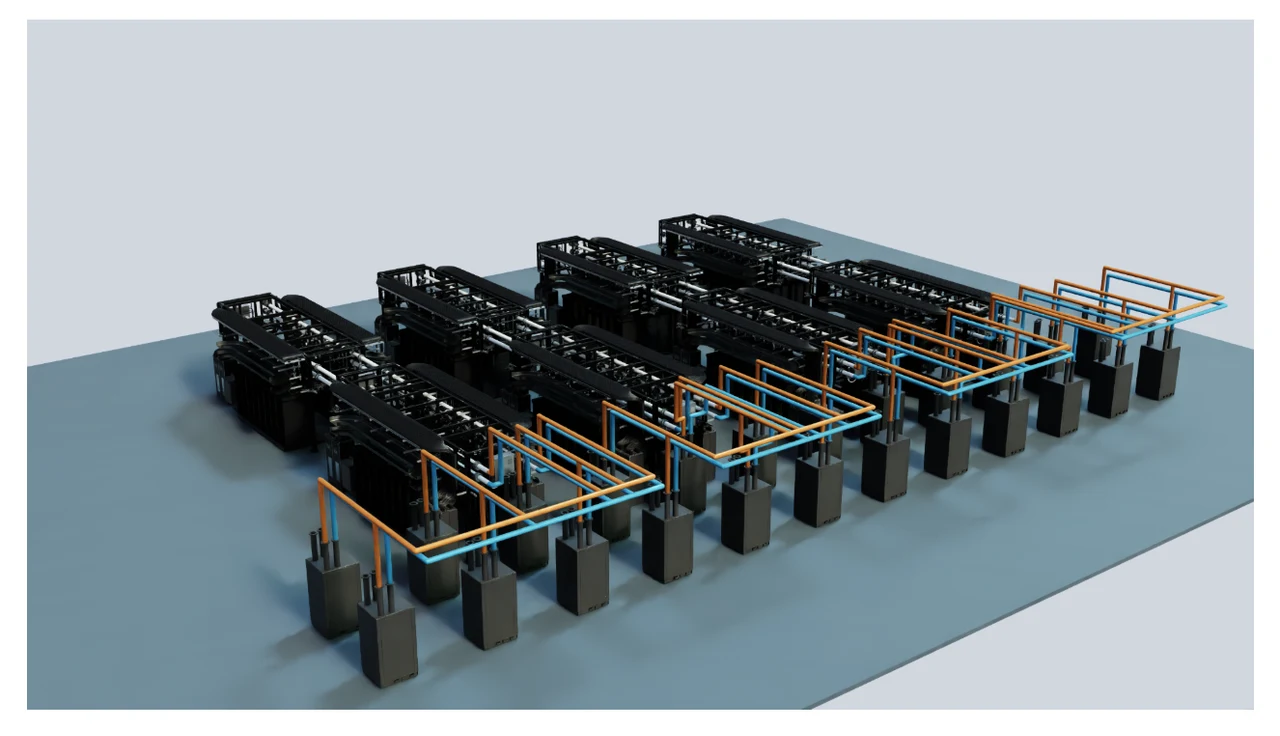
NVIDIA's Hugging Face library and reviewed catalog workflow for versioned OpenUSD assets used in robotics simulation and AI-factory digital twins.
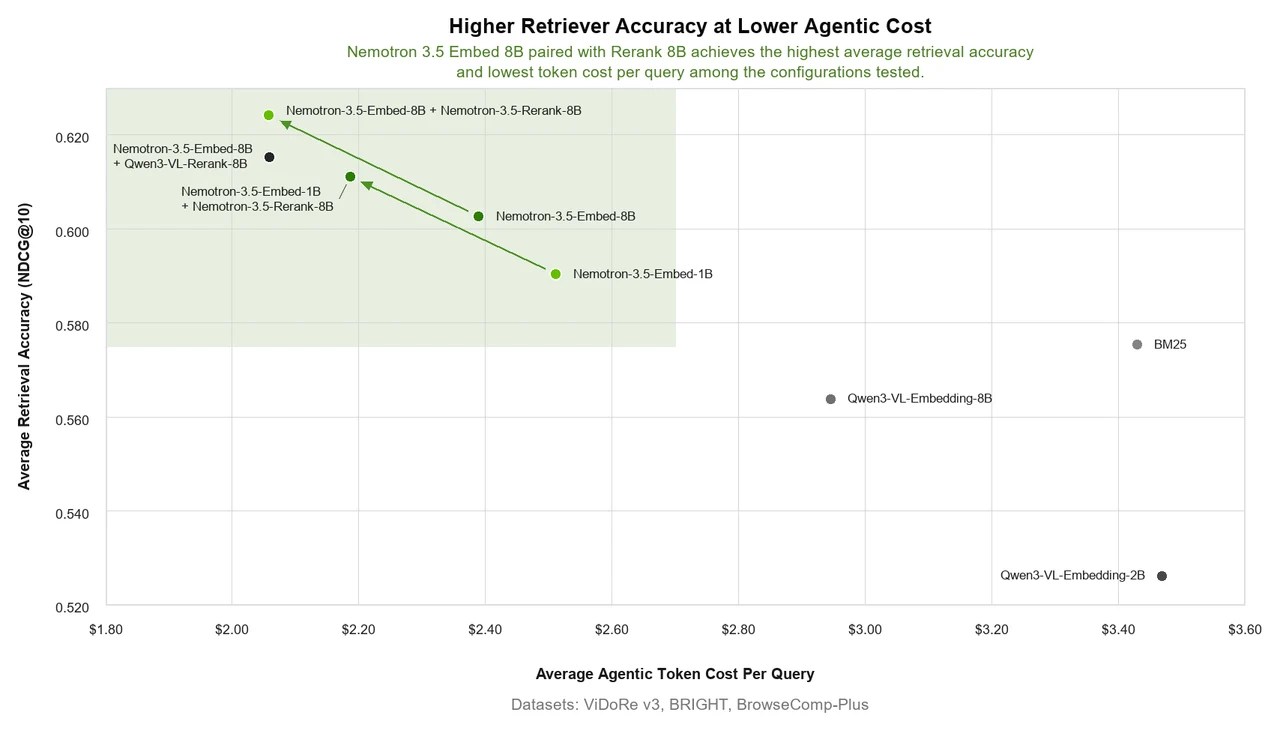
NVIDIA's October 2026 family of multimodal embedding, reranking and document parsing models for retrieval systems and AI agents.
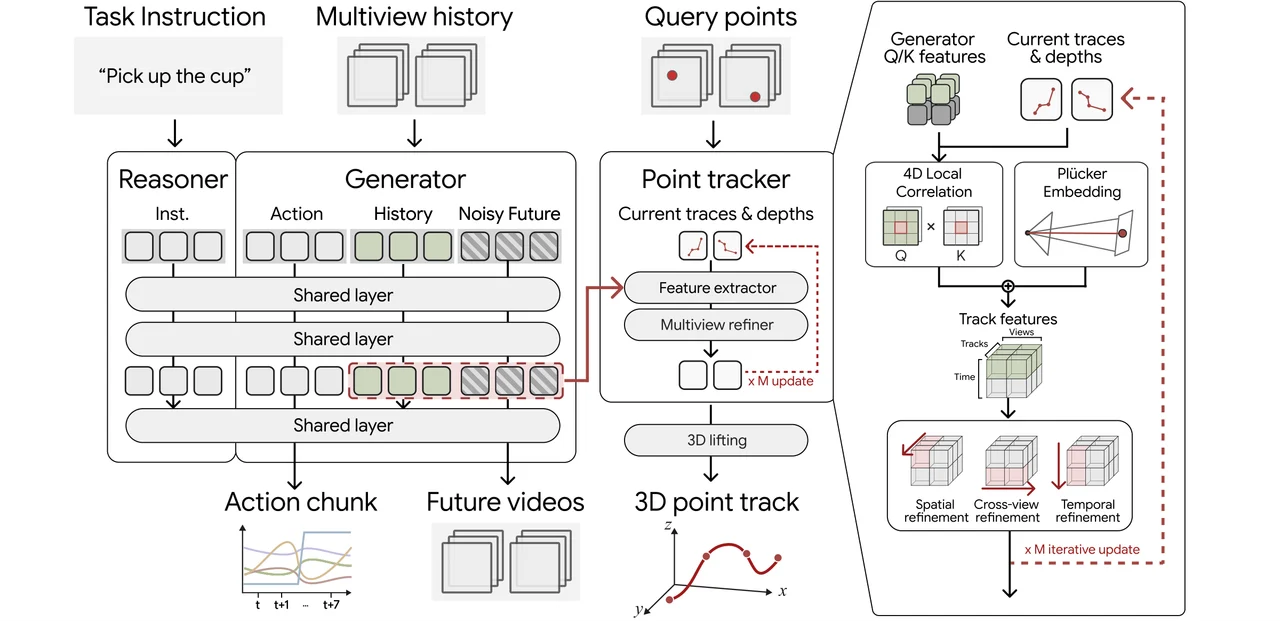
A Cosmos3-based research system that jointly forecasts multi-view videos, persistent 3D point trajectories and optionally robot action chunks.
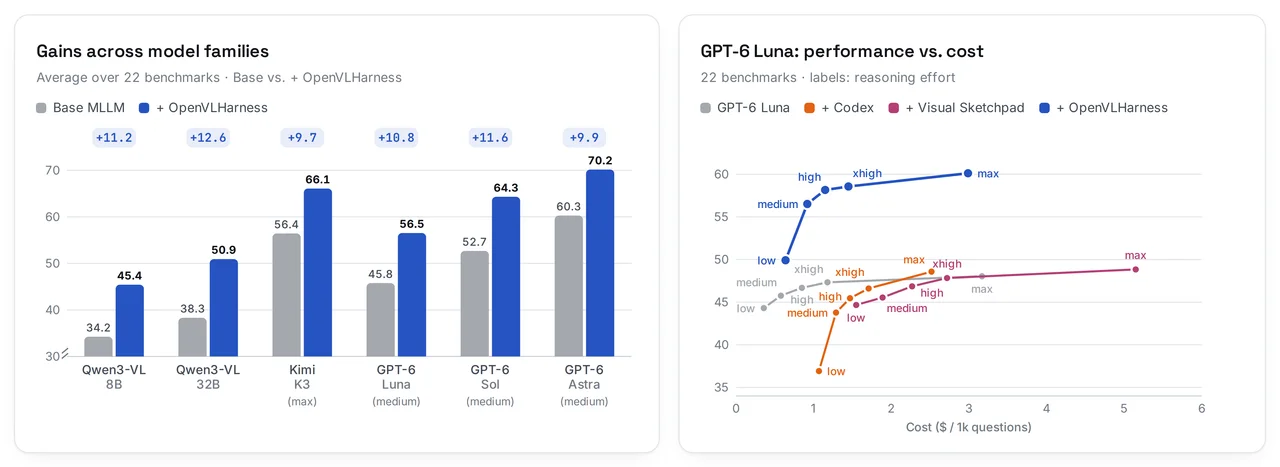
An MIT-licensed, training-free multimodal agent harness that combines perception, web search and Python with reusable evidence memory for each question.
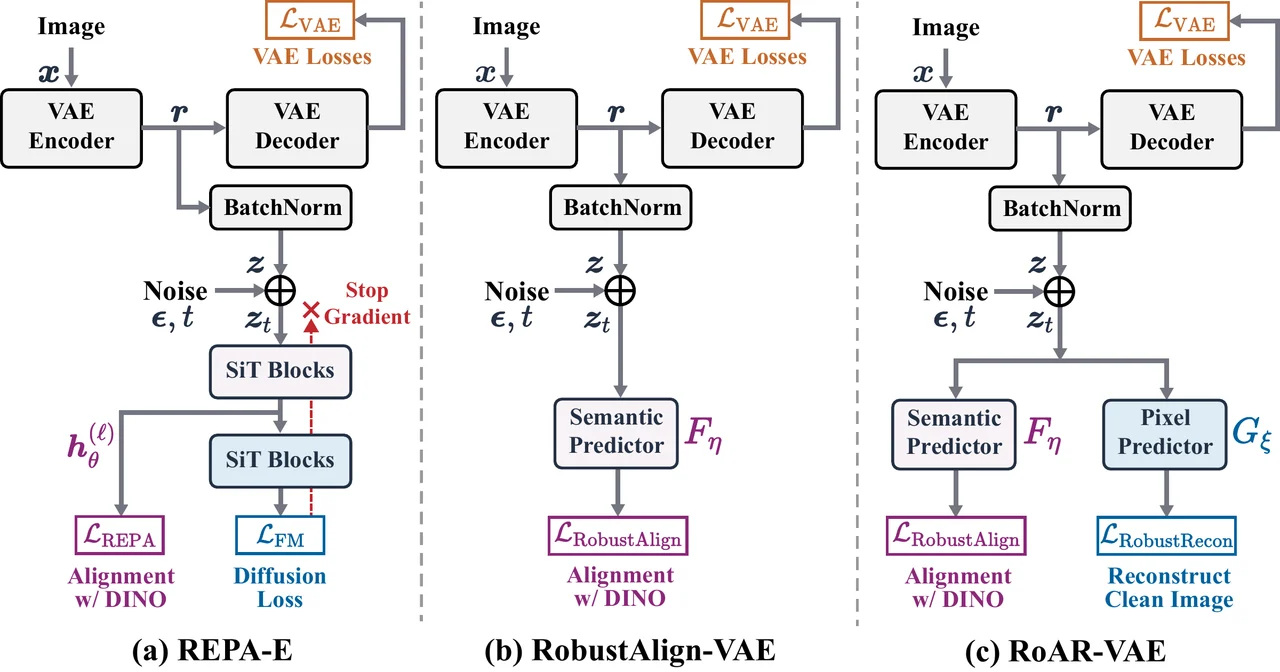
A Tsinghua and Microsoft Research visual-tokenizer recipe that predicts semantic features and clean images from noisy latents to improve downstream diffusion training.
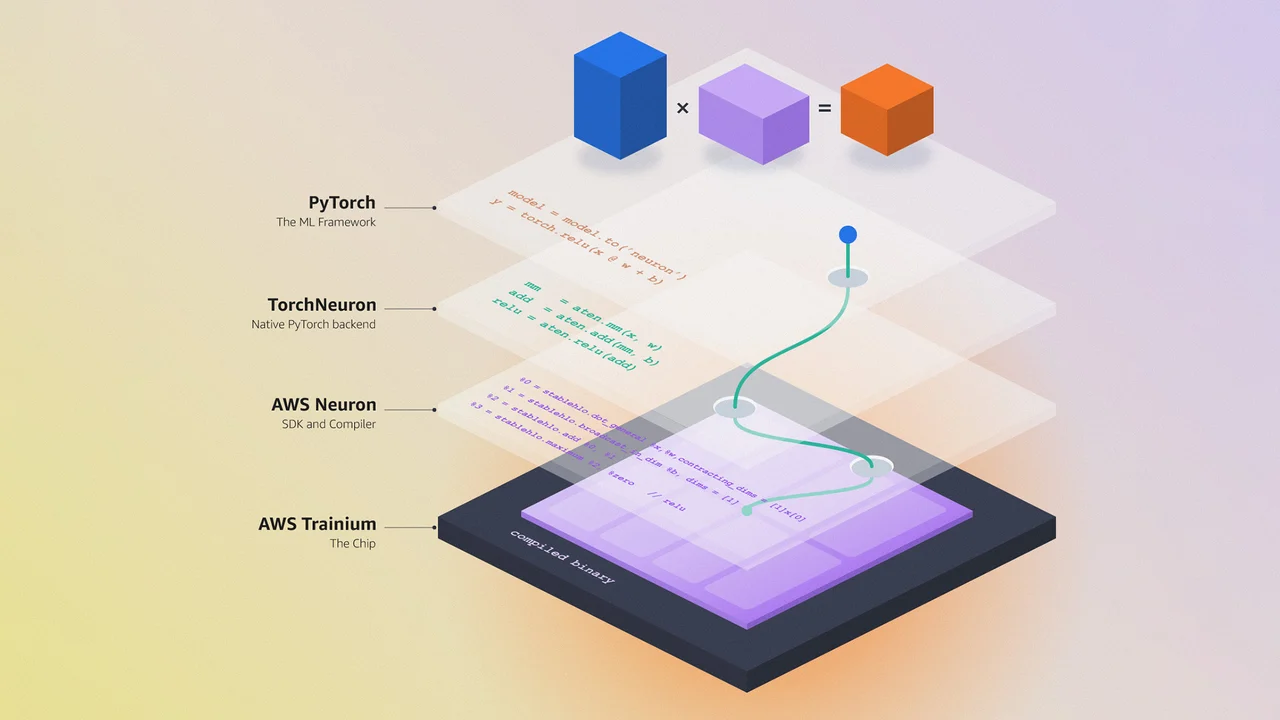
AWS's native PyTorch backend for Trainium, announced with direct Hugging Face library support and an October 20, 2026, public beta.
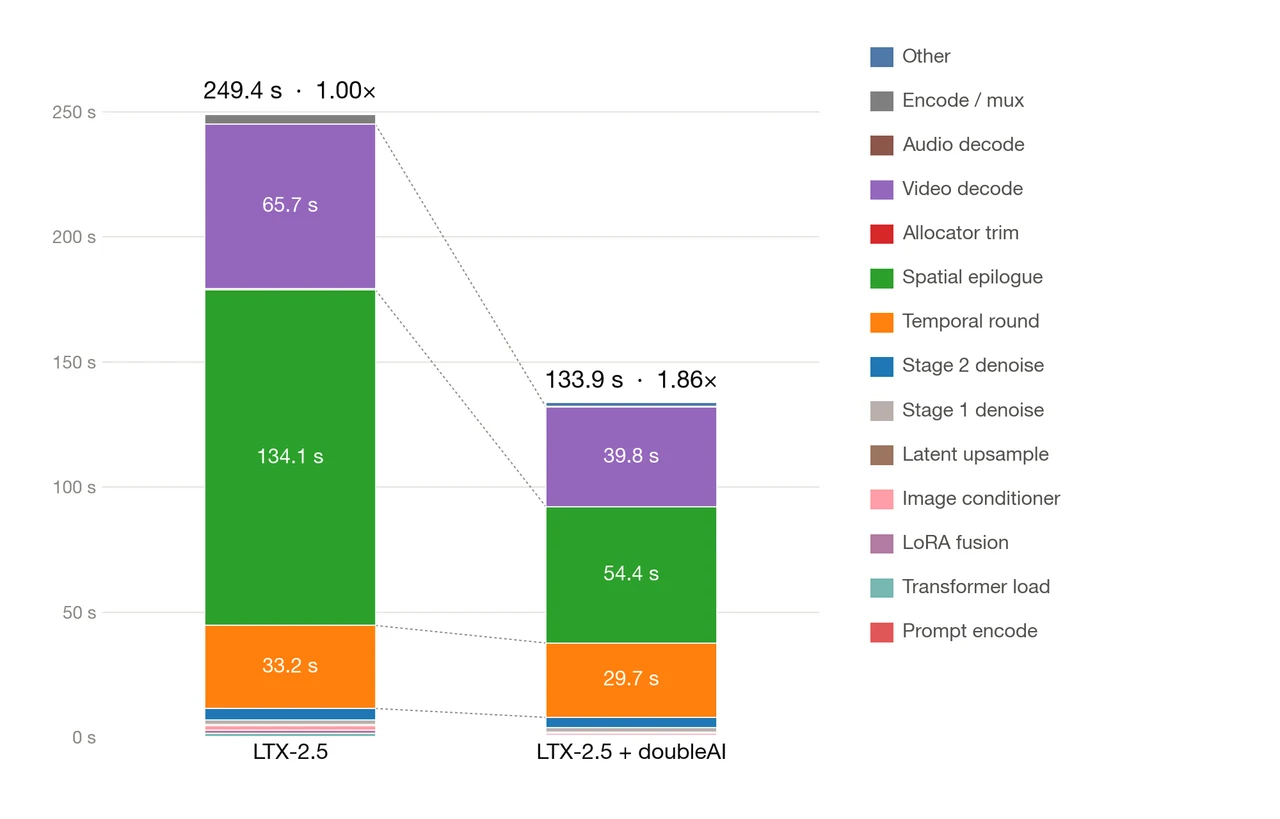
doubleAI's performance engineering system, presented as a Code Execution Model that inspects running programs and proposes hardware-specific optimizations.
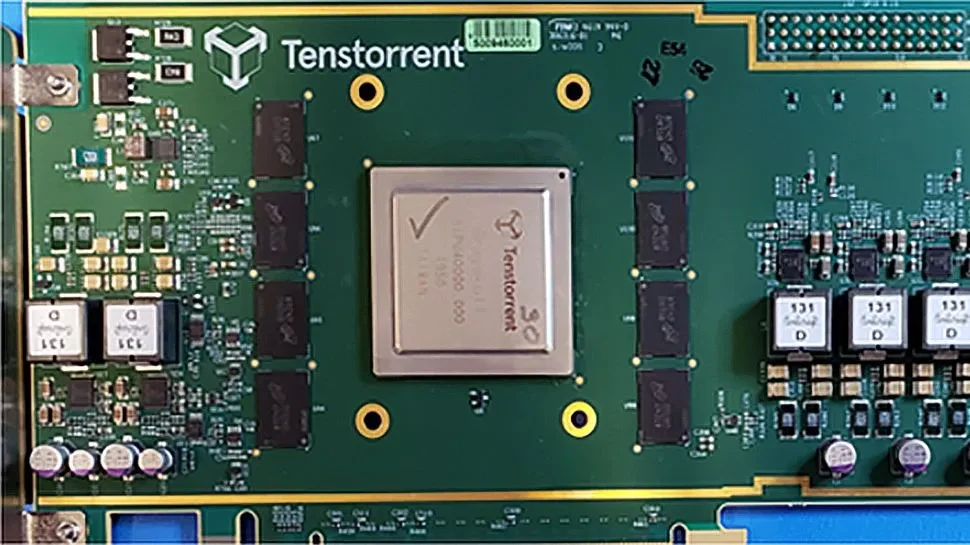
TechCrunch reports a $1.5 billion Tenstorrent financing at a $6.2 billion valuation to expand chips for open-weight inference and video generation.
Comfy-Org's component packaging of MOSS-Image Base and SFT, with BF16 and int8 diffusion weights, Qwen3.5 text encoders and FLUX.2 VAE files.
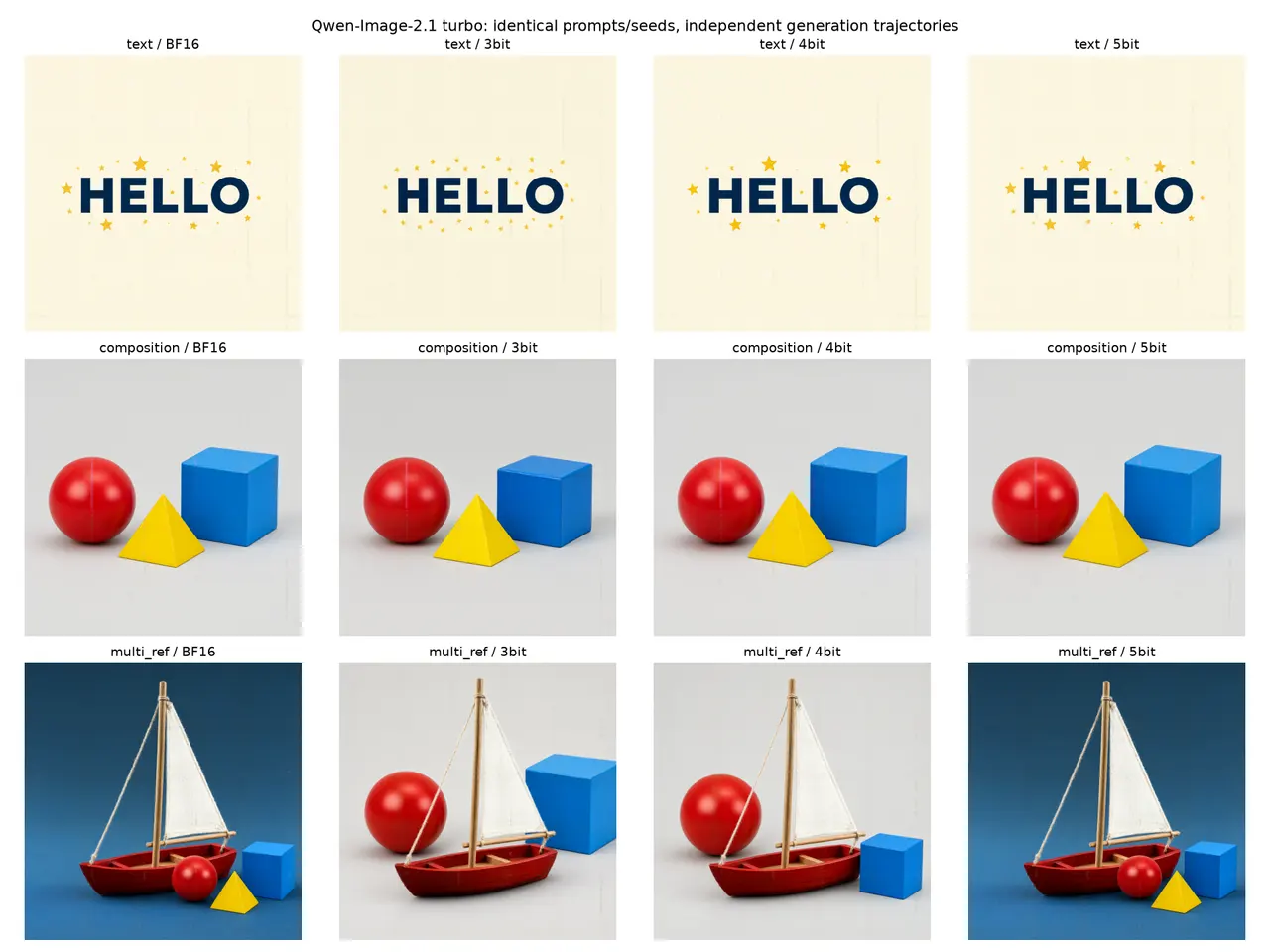
Community 3-, 4- and 5-bit EXL3 diffusion Transformer checkpoints for a custom AMD ROCm image-generation runtime.
A local-first AI video studio with a canvas, storyboard and timeline, using models and providers the user connects.
Lodestones' work-in-progress community distillation of MOSS-Image-Base, with a standalone LoRA route and an eight-evaluation data-space sampler.
Local Inference Lab's alpha Qwen3.8 Flash Next package with prepared kernels and execution graphs for the Flare runtime on GB202 Blackwell hardware.
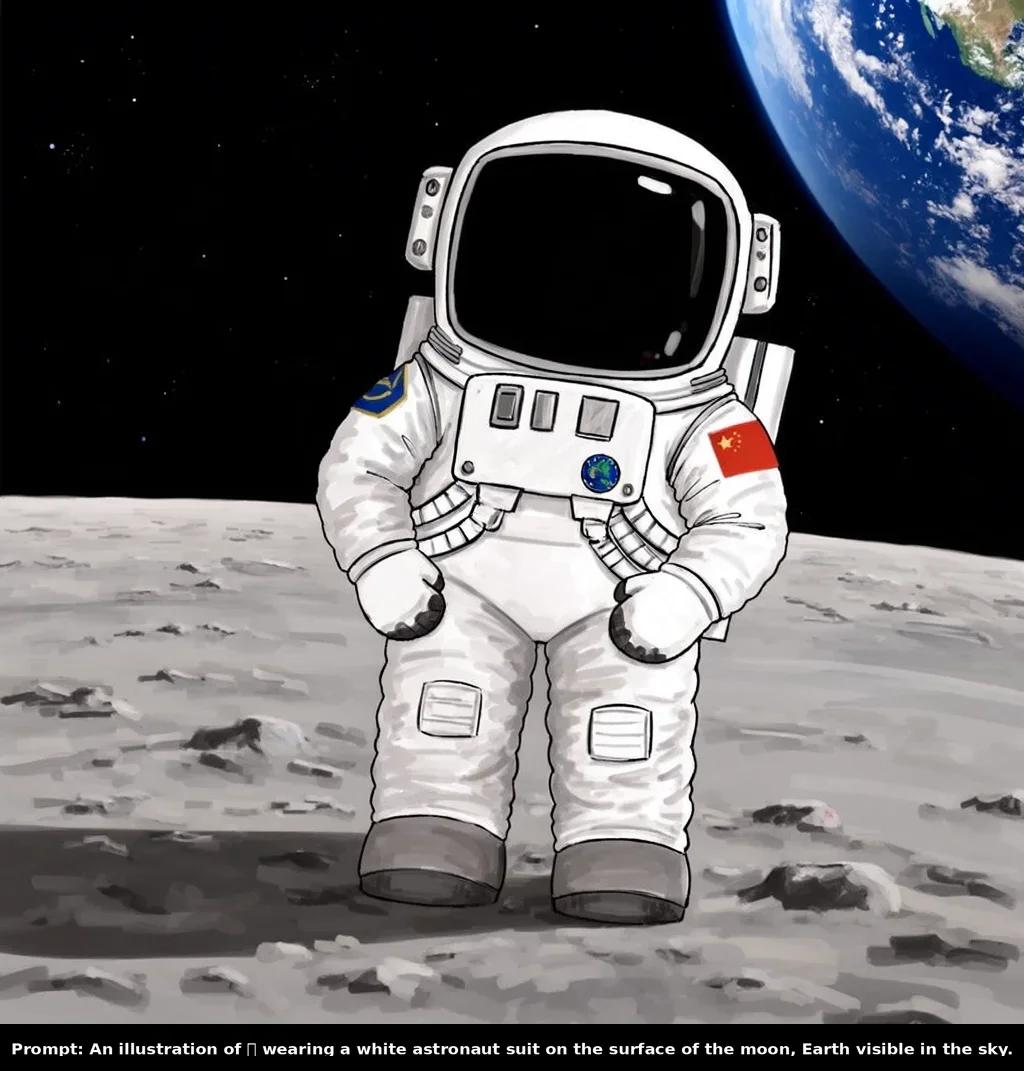
SimpleTuner's public journal comparing MOSS-Image Base and SFT concept-training runs, with recipes, adapter checkpoints and validation previews.
StepFun's agent-centered smartphone, reported to run Step AOS 1.0 with the Amoo agent and a mix of local and cloud task execution.

Akhaliq's community four-step distillation of MOSS-Image-SFT, with downloadable adapters, a merged transformer and a public Gradio demo.
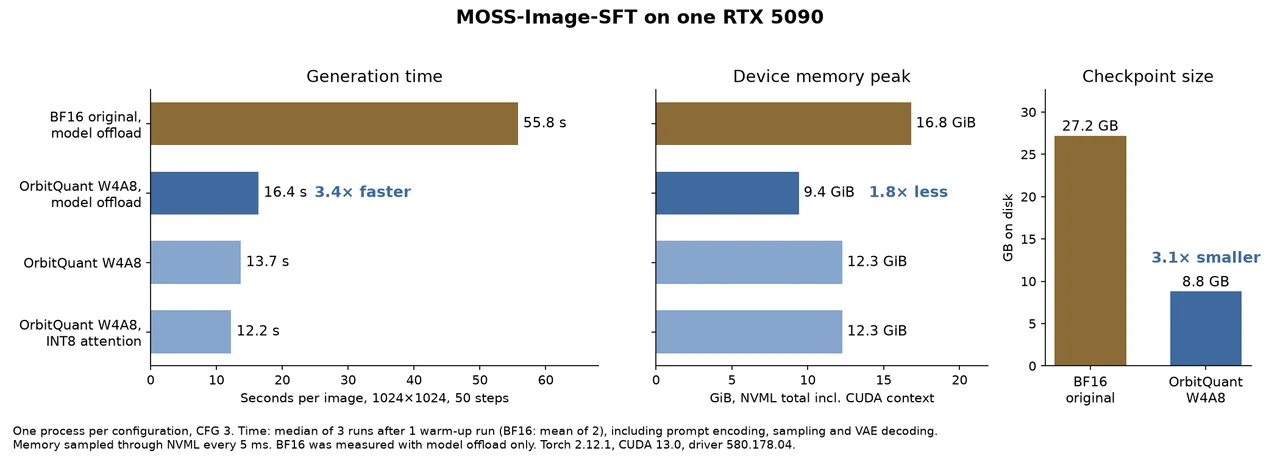
WaveCut's community quantization of MOSS-Image-SFT, packing the image transformer and text encoder into an 8.8 GB bundle for a documented Linux and ComfyUI workflow.
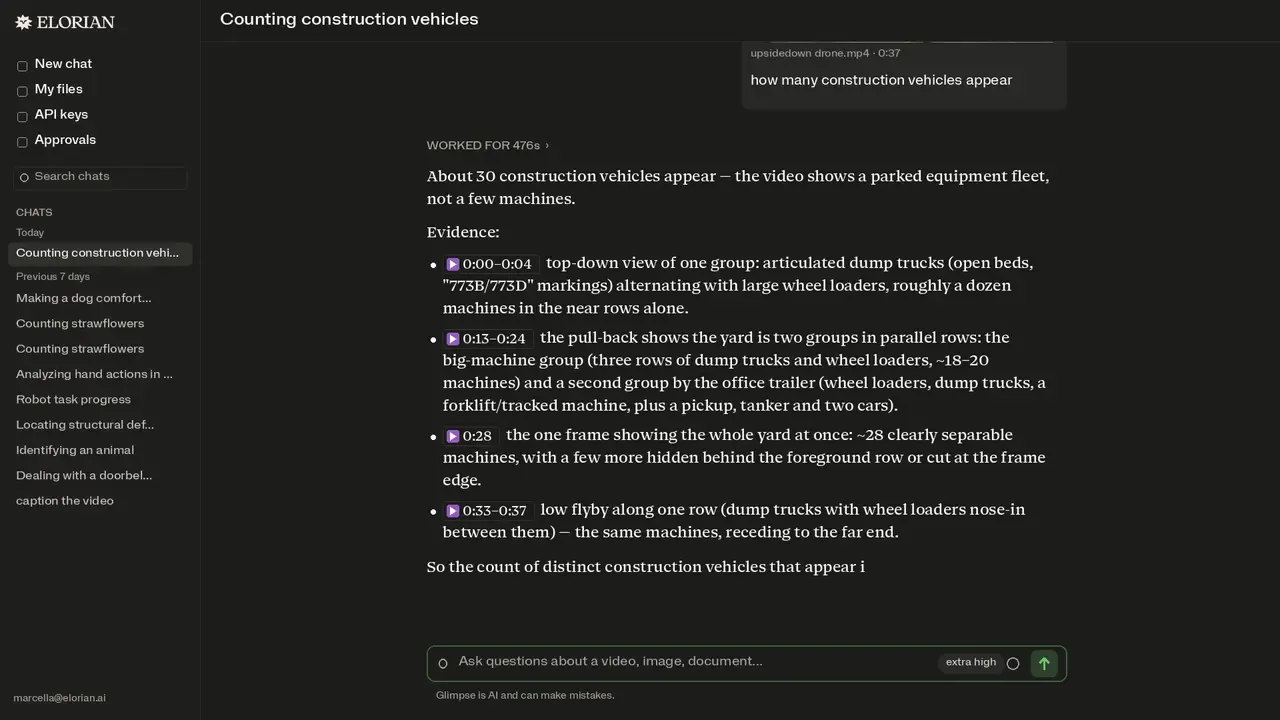
Elorian's visual-thinking research preview, designed to revisit images and video during reasoning and use multimodal tools.
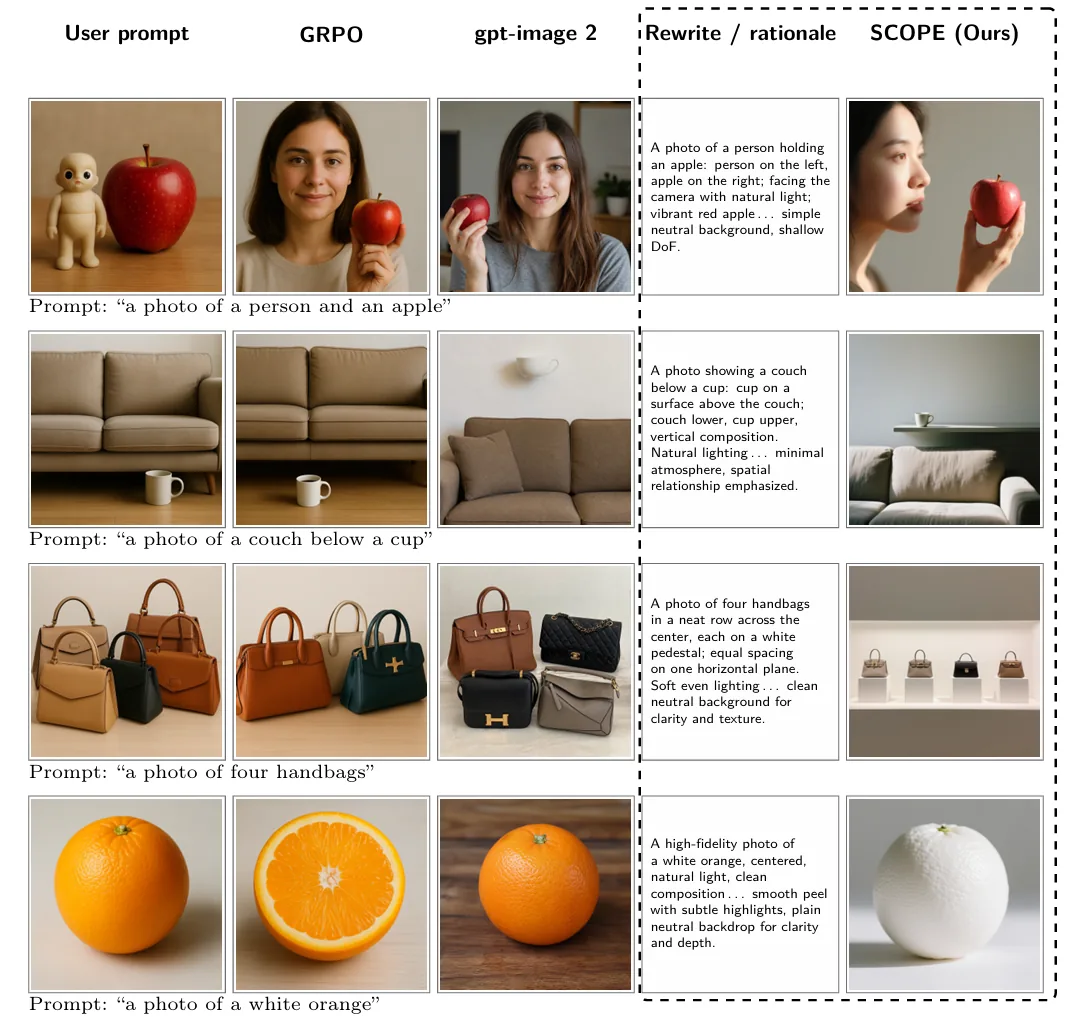
A research training objective that assigns semantic-span credit to a Qwen3-8B prompt rewriter for frozen text-to-image generators.
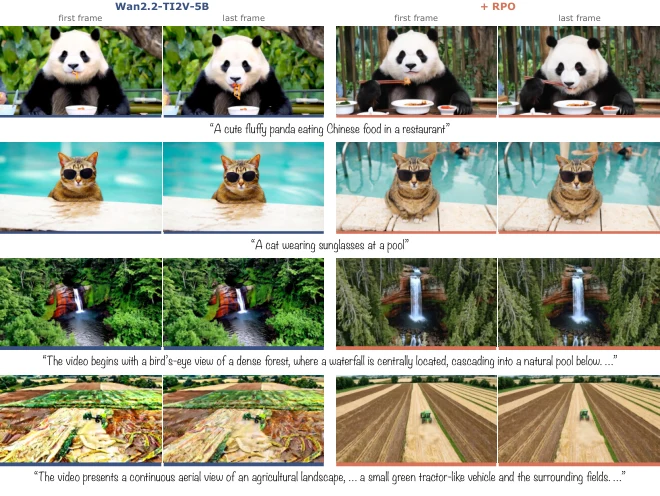
A research method that explores temporary attention routes during reinforcement learning of image and video generators, then restores dense attention at inference.
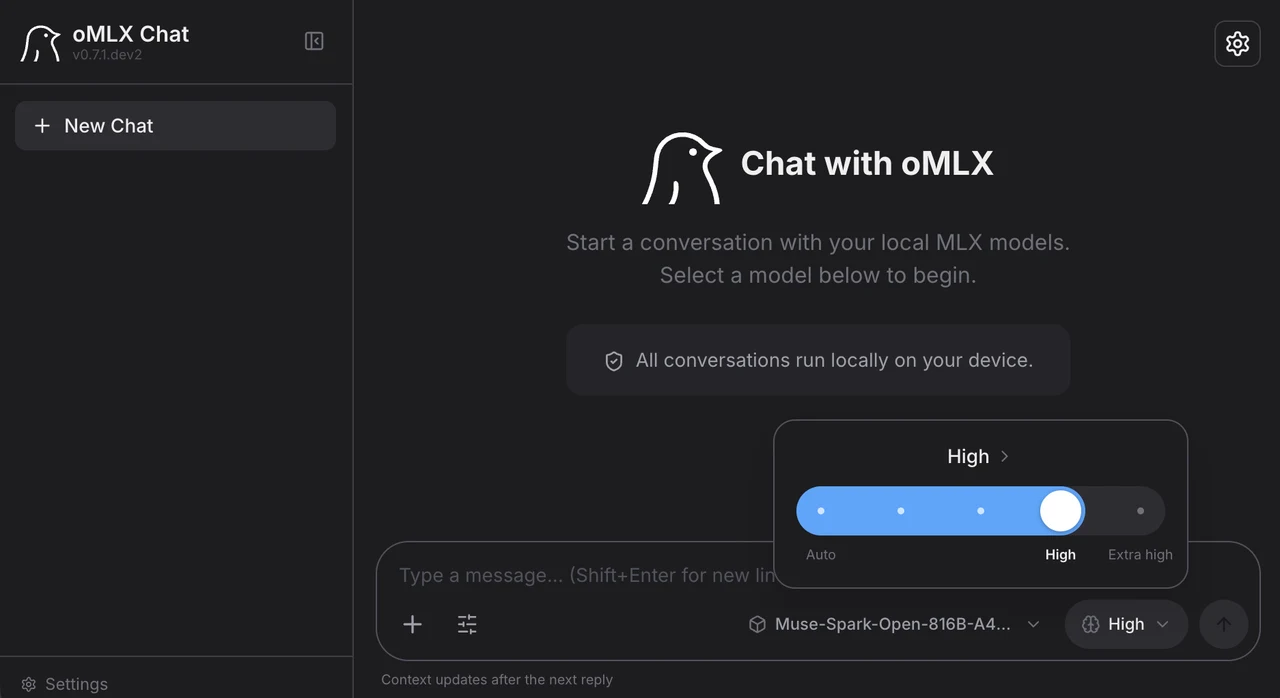
Meta's 816B-total, 42B-active mixture-of-experts model for coding and agentic work, with multimodal inputs and community GGUF quantizations.
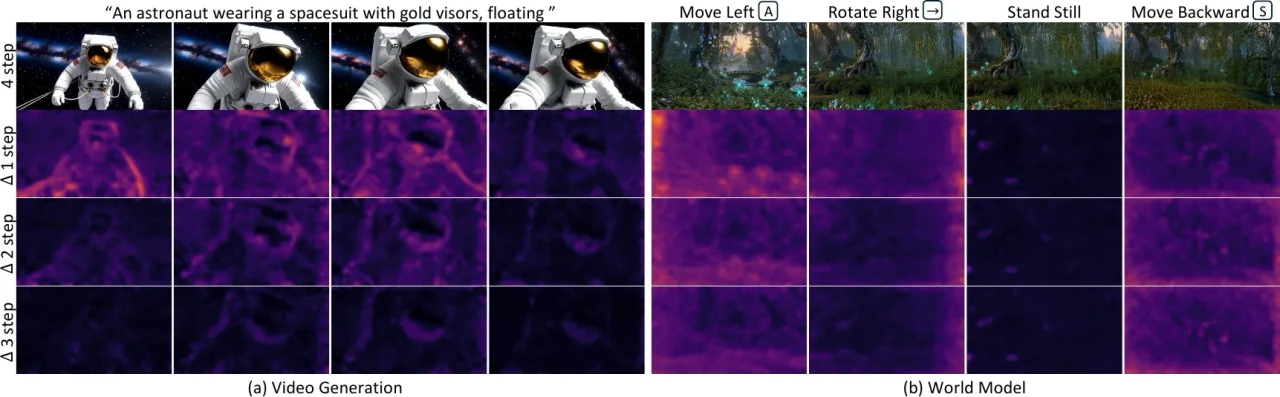
A video-generation research method that accepts converged token drafts early and spends further denoising computation on the remaining tokens.
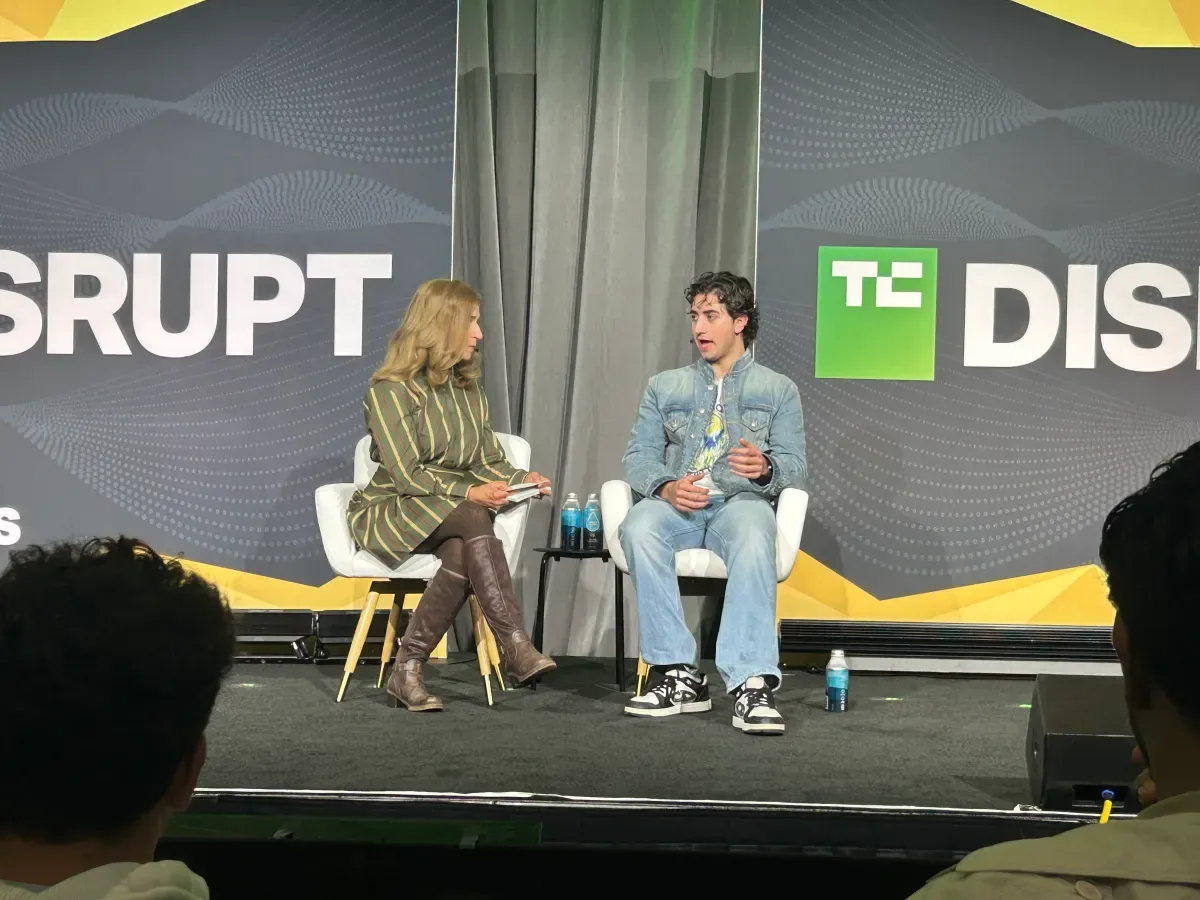
An AI-assisted calorie-tracking app whose founder described its influencer-led growth strategy at TechCrunch Disrupt in October 2026.

A self-hosted single-developer dashboard for applications, coding-agent orchestration, personal knowledge and creative media workflows.
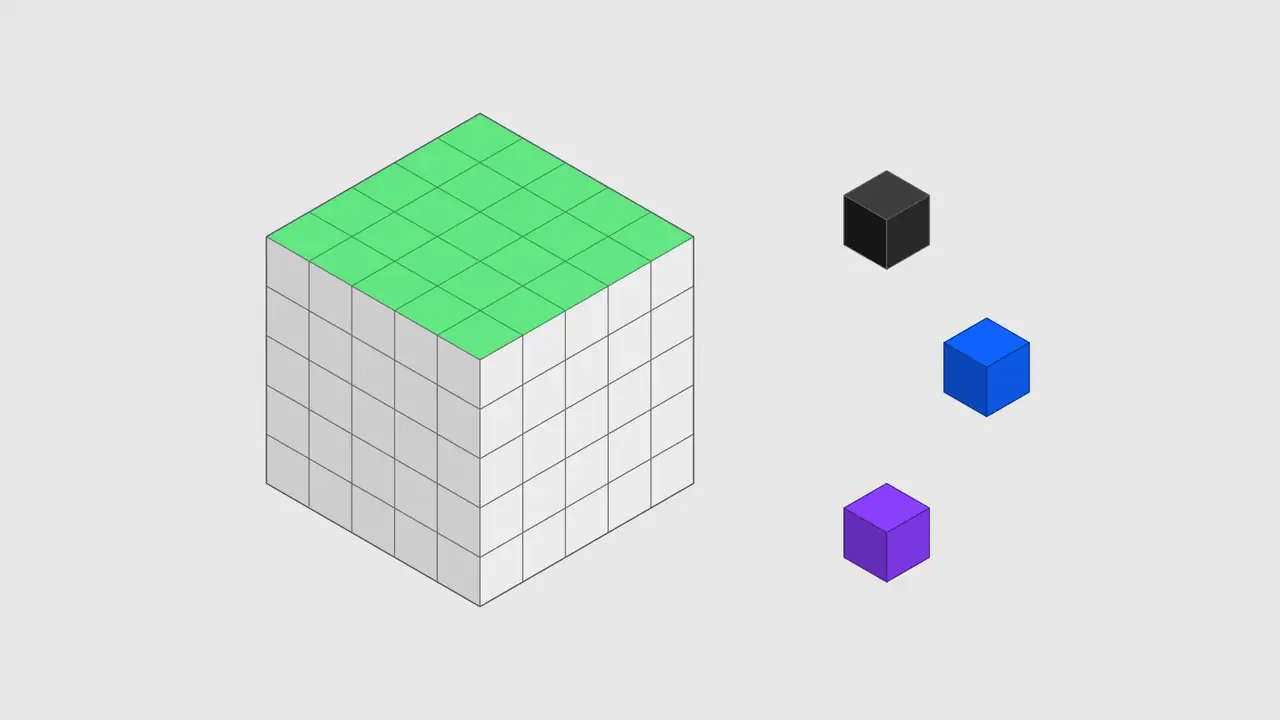
IBM's modular 8B and 30B checkpoints combining Granite chat, Decision and Guardian activated LoRA adapters, and an English speech-to-text encoder in one serving endpoint.
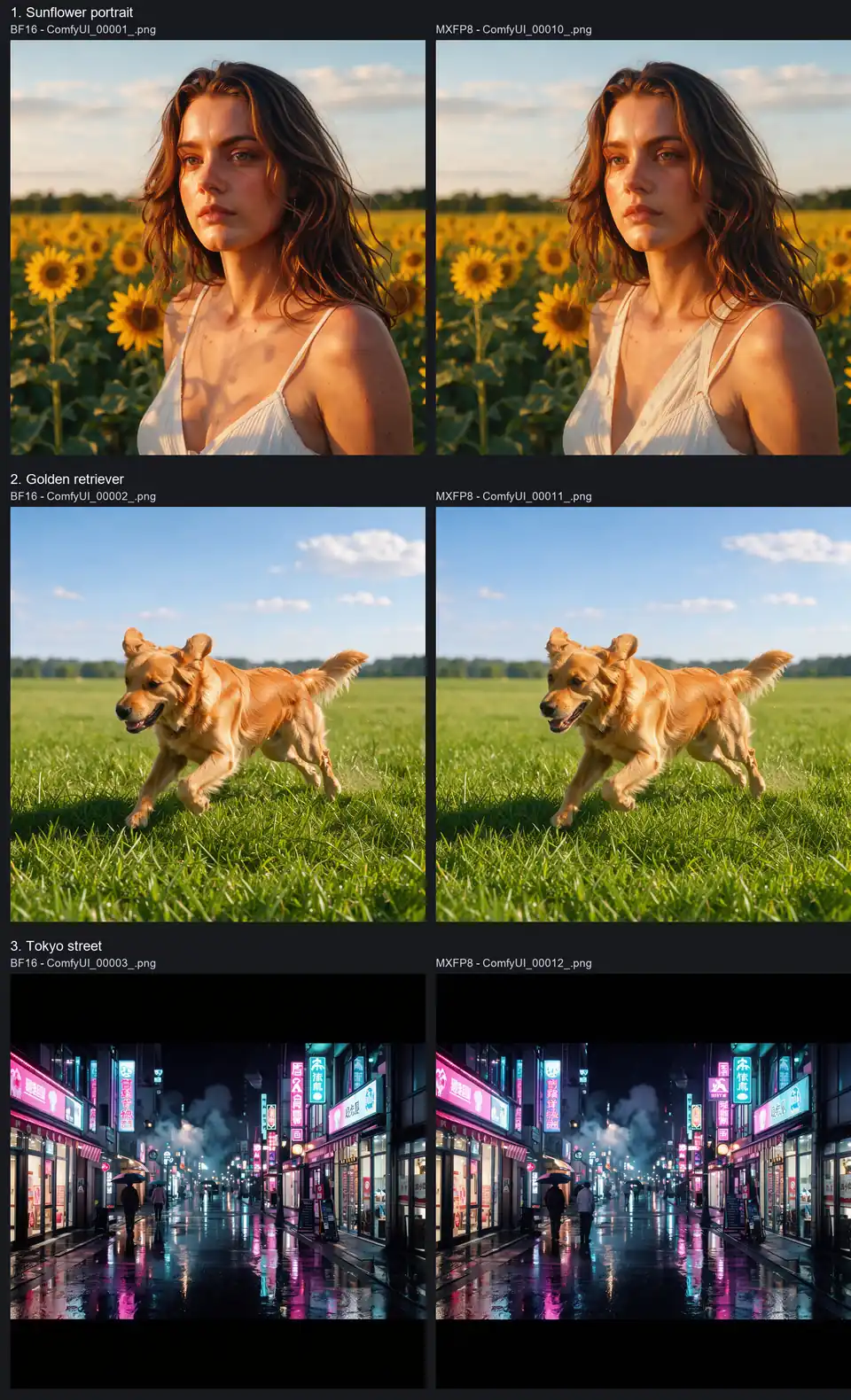
A community MXFP8 conversion of the distilled FLUX 3 Image Klein transformer for ComfyUI, with laptop timings, paired samples and a compatibility patch.
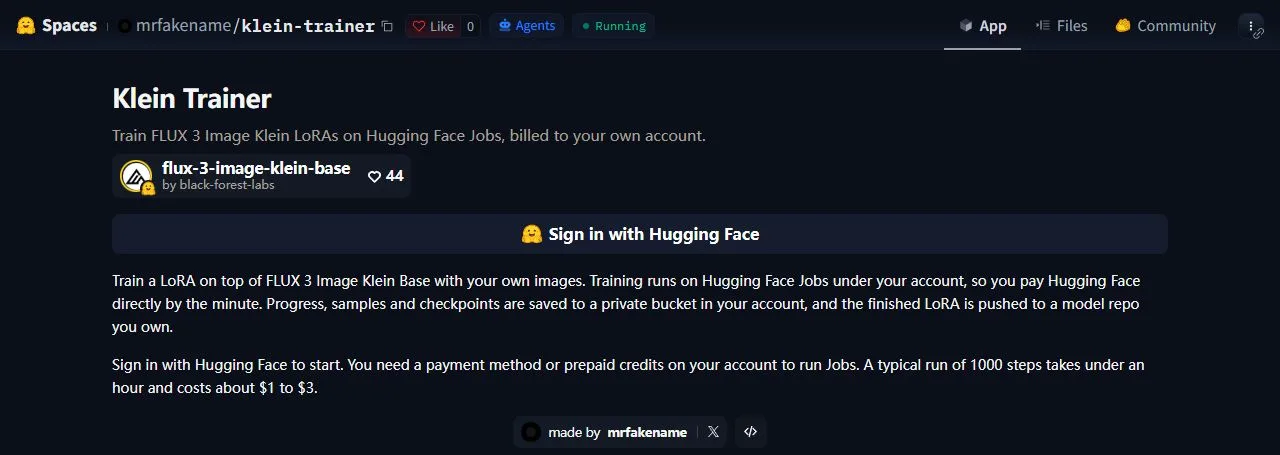
A community Hugging Face Space that launches FLUX 3 Image Klein Base LoRA training on paid Hugging Face Jobs under the signed-in user's account.
lethalbeats' community EmbeddingGemma 2 quantization with a 73.82 MB weight file, a custom CPU PyTorch loader and author-reported multimodal inference.
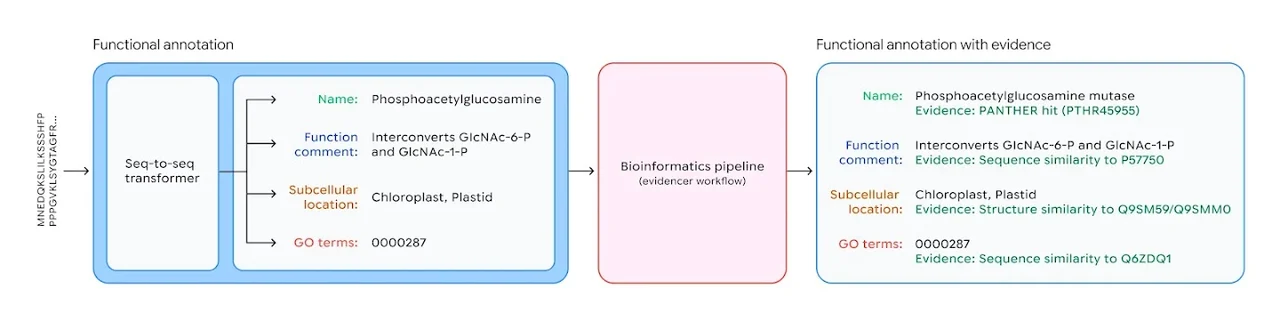
Google's agentic development platform, now demonstrating biological research workflows and an embedded Biomolecular Structure Viewer shared between scientist and agent.
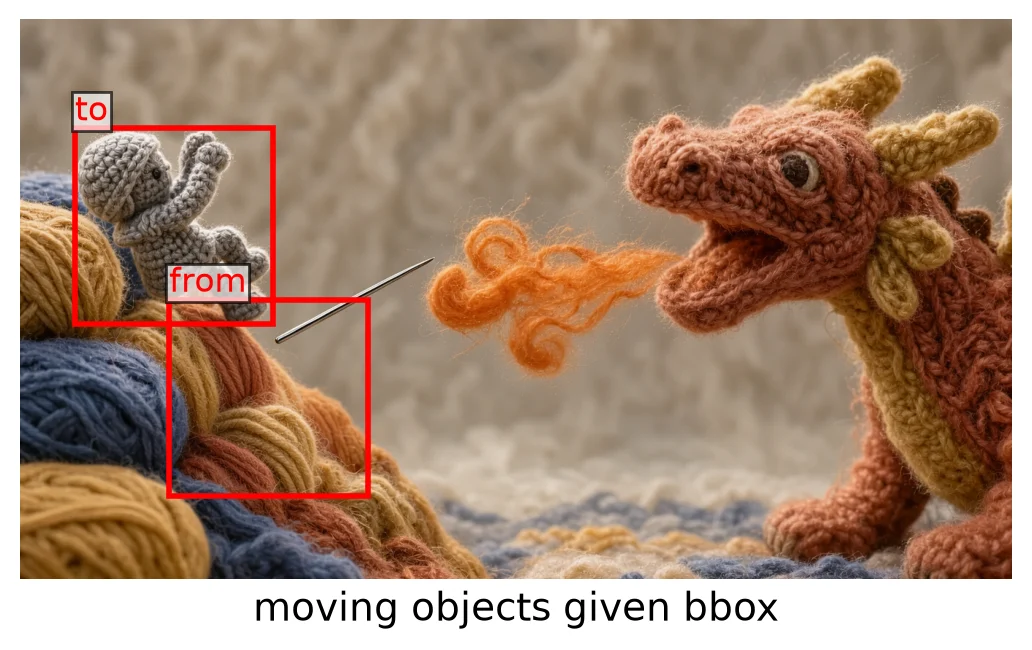
Black Forest Labs' downloadable image-generation and editing model, with a 5.6B image transformer, multiple references and prompt-based layout boxes.
Community native NInfer conversion of Prism ML's ternary Bonsai 2 27B, with vision and speculative-decoding components for the RTX 3090 fork.
Source-available desktop meeting and interview assistant with on-device transcription, local or cloud model choices, and an overlay interface.
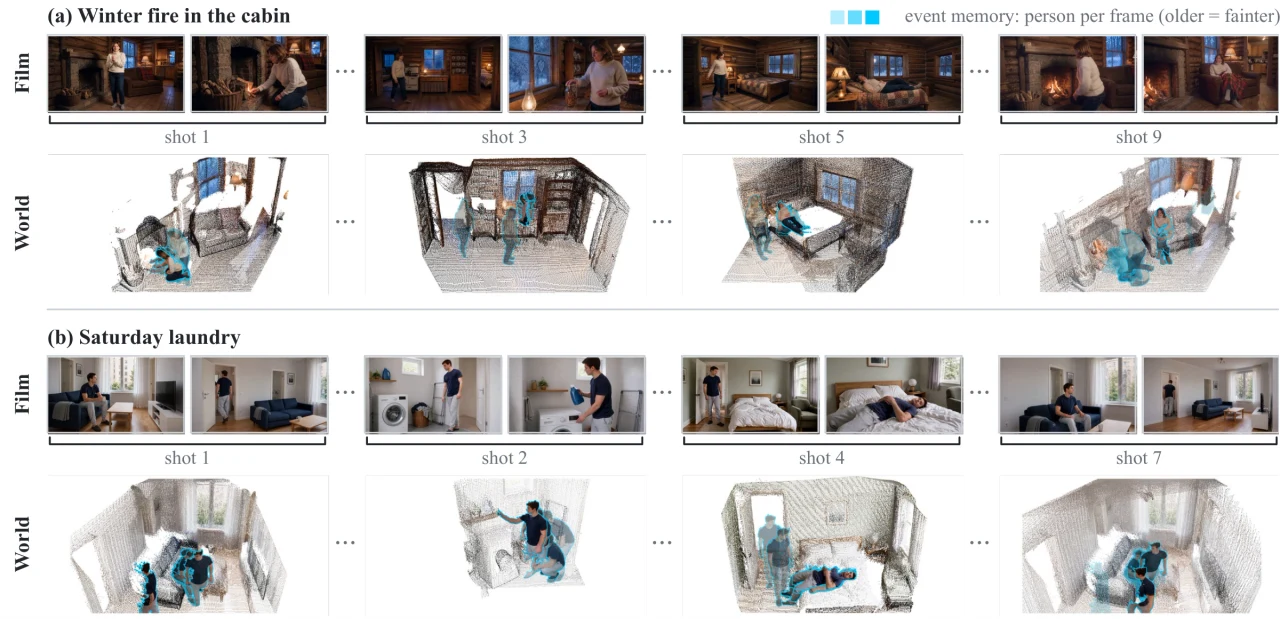
An agentic video-generation framework that keeps static scene geometry and time-indexed event observations in a persistent world state.
Aman Rusia's October 14 visual comparison of bicycle-riding pelicans prompts an English community argument about creative variety, generic prompts and model evaluation.
A music streaming platform planning an optional search filter for fully AI-generated tracks, albums and associated artists.
A compact aesthetic photo-cropping model built on Qwen3.5-0.8B, with downloadable task weights and a public interactive demo.
A community speech hub combining Hausa, Igbo and Yoruba synthesis, voice cloning and transcription in one Hugging Face Space.
A JoyFox conversational model for character roleplay and shared storytelling, released with BF16 weights and Q4-Q6 GGUF builds.
A local inference server tuned for Qwen3.8-Flash-Next on AMD Strix Halo, with optional NPU models.
Datalab's downloadable CPU-focused OCR package combines a small recognition model with document layout and reading-order output.
OpenBMB's open-weight multimodal model family includes a 35B-A3B mixture-of-experts variant and a smaller 1B variant.
LAION's experimental text-to-speech continuation with public interim checkpoints, reference-voice controls and a listening demo.

A community INT8 quantization of Anima Turbo v1.1 for local anime and illustration generation with Nunchaku.
An experimental pattern-first music workstation with an LLM composition assistant and an MCP bridge for agent control.
Speridlabs' open-weight pixel-space image model, now with a four-step Turbo checkpoint.
AtomicChat's community GGUF release pitches local Qwen image generation without refusals and records more than 100,000 Hugging Face downloads.
PYMNTS cites a Wall Street Journal report that Amazon is discussing a roughly $7 billion Decart purchase, with no completed deal confirmed.
PolyAI and Otter executives discuss reasoning latency, recognition errors and disclosure requirements for voice-based automation.
Google released a Mac meeting-notes app that uses on-device Gemma models for transcription, document search, and meeting assistance.
Liquid AI released two downloadable decision models for text, images and audio, with edge-device speed and benchmark claims that still need independent testing.
OpenAI began a staged ChatGPT rollout of GPT-6 with interactive, model-composed interface elements for answers and task-specific tools.
Google opened a dedicated SynthID Detector site for wider watermark checks on supported images, video and audio, following an earlier limited test.
Xreal disclosed $1,279 and $1,499 Aura configurations and opened preorders to existing deposit holders, with Gemini built into the Android XR system.
Google launched an experimental browser-game creator for US adults that turns text prompts into playable games; Unity Spark integration remains in testing.
Abu Dhabi's Technology Innovation Institute announced Falcon-Emirati, an Arabic speech-recognition model and an Arabic document-reading model.
Google released Nano Banana 2.1 as a stable image generation and editing model with updated controls, documented limitations and lower listed 1K output pricing.
Google's 740-million-parameter open multimodal embedding model for local search and retrieval across text, code, images, video and audio.
MIT-led researchers developed an interactive tool for selectively repairing AI-generated 3D models before fabrication.
Legato began selling AI-assisted hearing glasses for adults with up to moderate hearing loss in the United States.
A Tokyo court recognized a voice actor's publicity rights in a dispute over an unauthorized AI imitation used for a TikTok account.
Google launched Guided Vision in Gemini Live to provide spoken descriptions and camera-framing cues on compatible Android devices.
OpenAI is rolling out image-based clothing previews and saved product Favorites in ChatGPT, according to TechCrunch.
Researchers reported improved reconstruction of viewed images from high-resolution fMRI scans; thought and dream decoding remain unproven goals.
Cloudflare made AI Search generally available with native image retrieval, OCR for scanned PDFs and larger file support.
ElevenLabs offered employees a chance to sell vested shares in a $300 million tender priced at a $22 billion valuation.
Anthropic's September 28 Sonnet release targets faster coding and knowledge work at the same base token prices as Sonnet 5.
OpenAI's September 29 model for coding, computer use and professional work, with standard API pricing of $2 input and $10 output per million tokens.
Amazon's next-generation speech model for conversational and realtime voice experiences.
A higher-capability Amazon Nova model for complex multimodal enterprise workloads.
Cohere's multimodal Command A model for enterprise image and document understanding.
A lightweight Gemini tier designed for cost-sensitive, high-volume inference.
A Gemini Pro model for complex multimodal reasoning and production applications.
A fast Gemini model for multimodal, high-throughput and interactive applications.
OpenAI's realtime model family for low-latency voice and interactive multimodal sessions.
Google DeepMind's Gemini 3.8 Flash and 3.8 Flash Cyber, announced September 2026.
Google DeepMind's Gemini 3.8 Live and 3.8 Live Extended Thinking.
Google's open model family designed for capable, efficient multimodal applications.