ZCode
Z.ai's coding agent harness. Powerful, intelligent, extensible.
- By
- Z.ai
Signal 5.9k stars
coding-agentsai-agents 3 sources
164 entities · 26 projects · 88 tools · 27 models · 23 news
Z.ai's coding agent harness. Powerful, intelligent, extensible.
Use ChatGPT as the planning brain while keeping the Codex harness.
An agent-first linter for Tailwind design systems.
An open-source coordination protocol that catches intent conflicts between parallel coding agents.
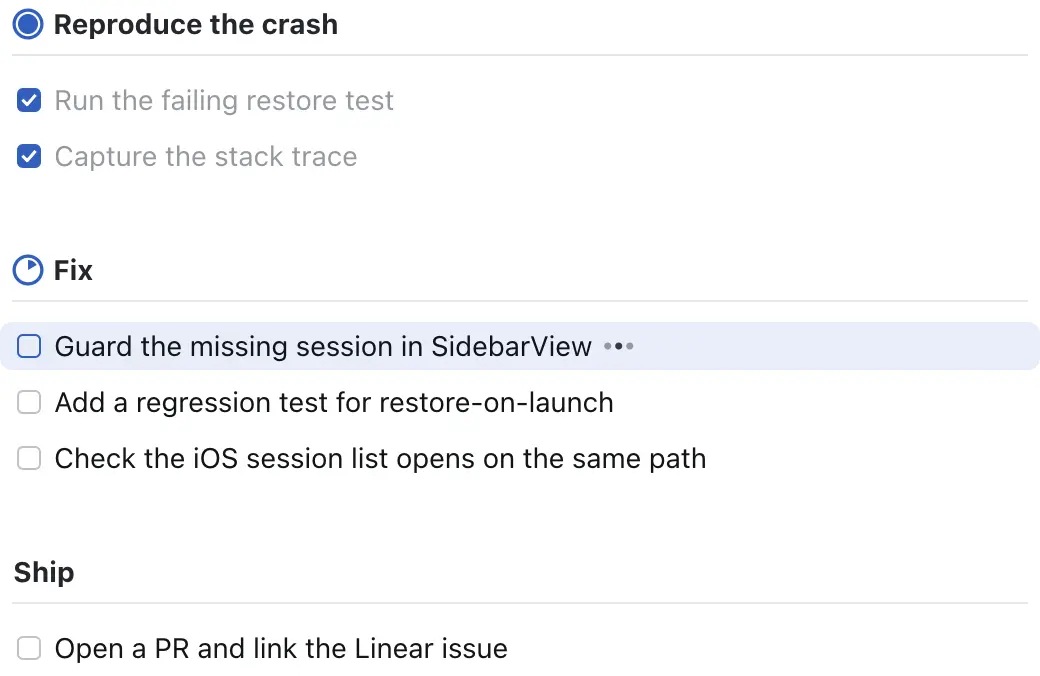
An MIT-licensed CLI and bundled agent skill that render live task checklists beside coding agents in Rex terminal panes.
A November 2026 practitioner debate about unintended edits, test integrity and the human review cost of inexpensive coding agents.
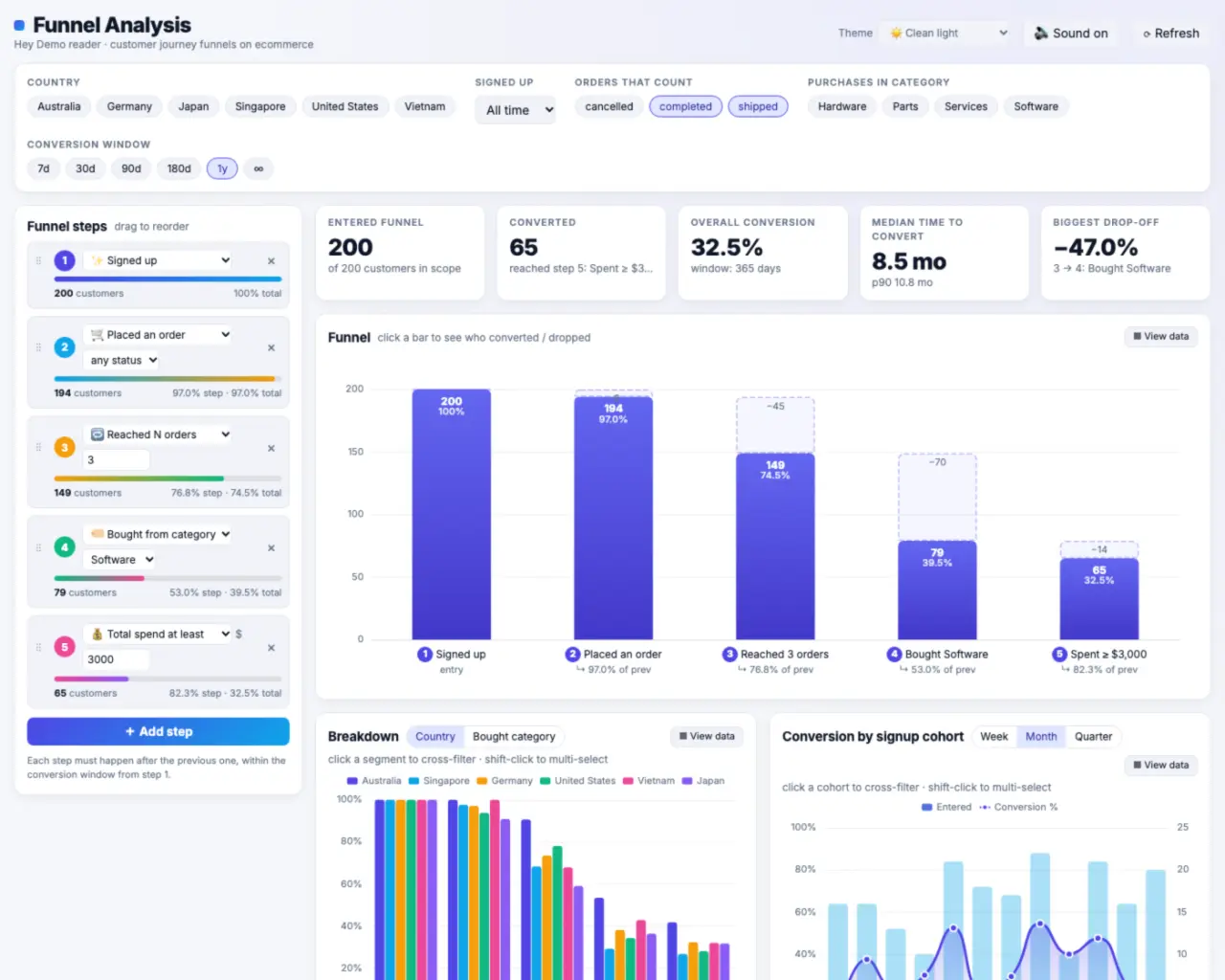
An Apache-2.0 framework for coding agents to build custom BI apps on reviewed models, metrics and a warehouse-backed server.
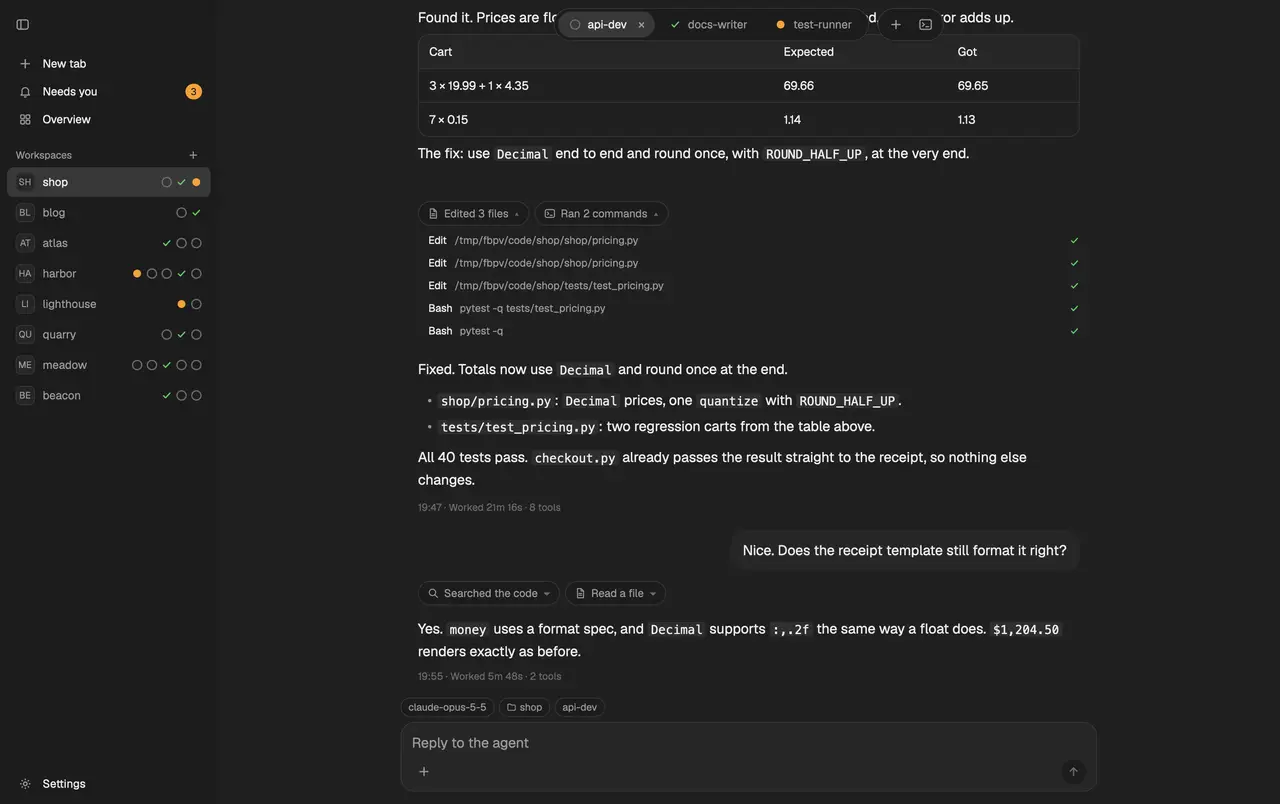
An unofficial Herdr reading view for coding-agent sessions, available as a Herdr app mod and a separate native Mac app.
A Bloomberg-attributed report, relayed by TechCrunch, that Apple reduced daily engineering AI usage allowances and is considering further limits.
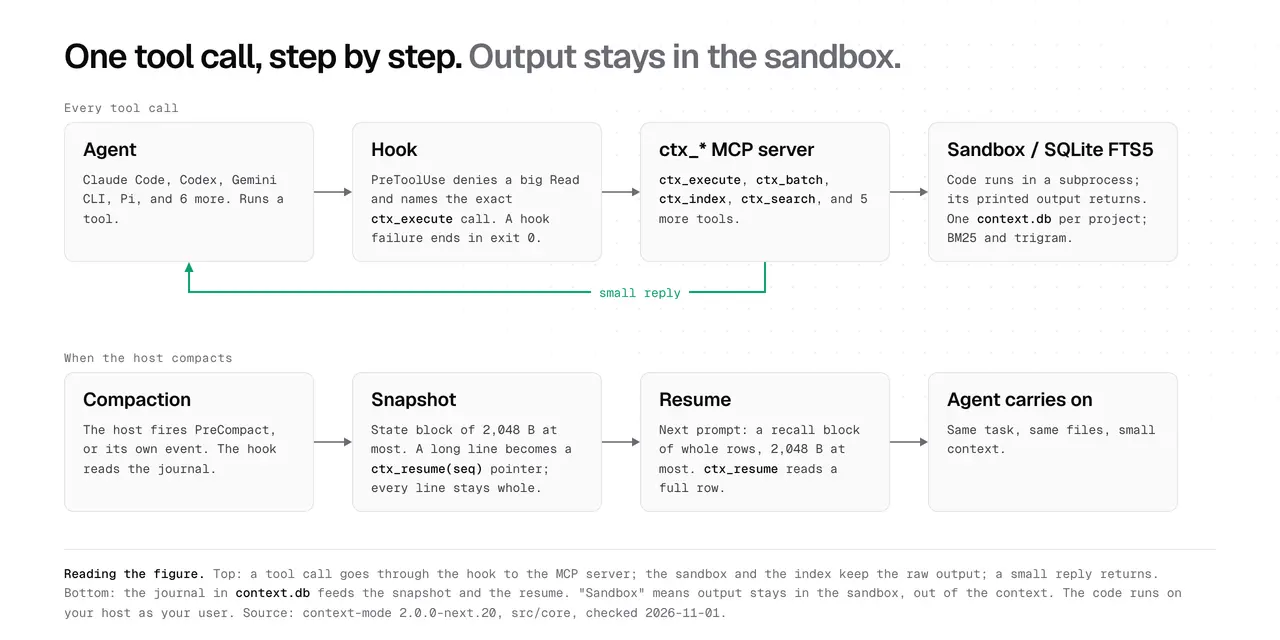
A local source-available coding-agent plugin that indexes tool output and returns selected context, with hooks for multiple host harnesses.
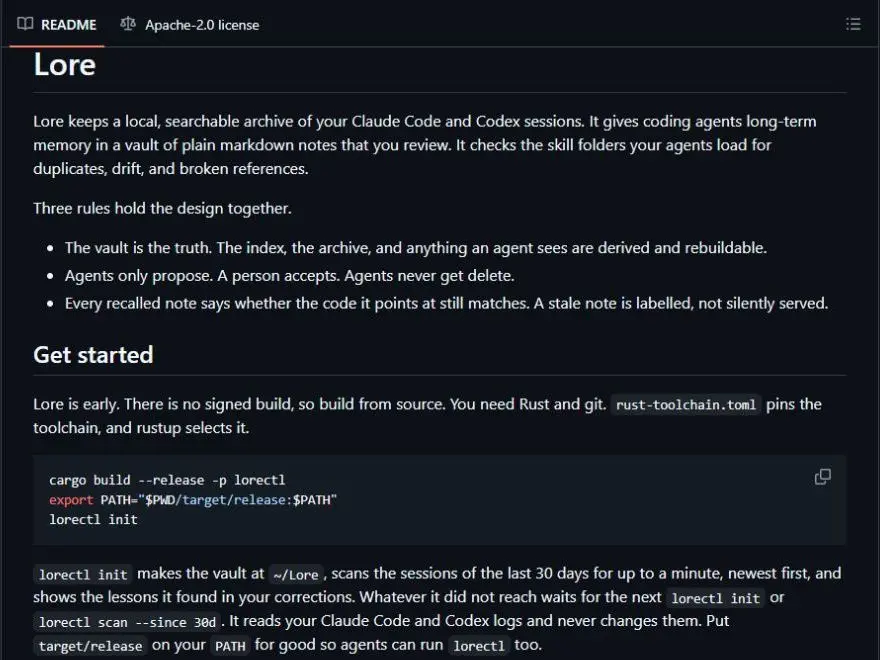
A local Claude Code and Codex session archive with a reviewed Markdown memory vault, MCP search and read-only skill-folder checks.
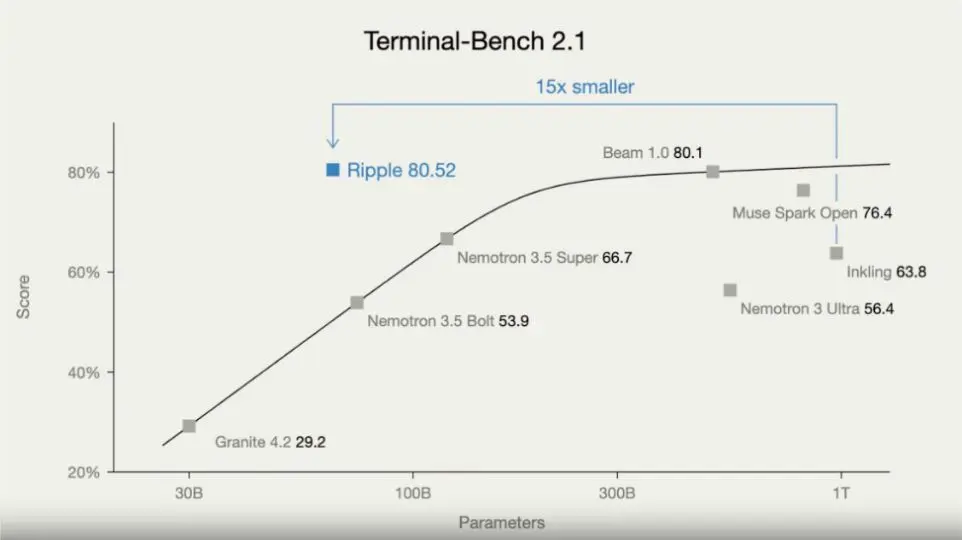
A dense 65B open-weight model with BF16, NVFP4 and base checkpoints; Ricursive reports strong agentic coding results and up to one million tokens of context.
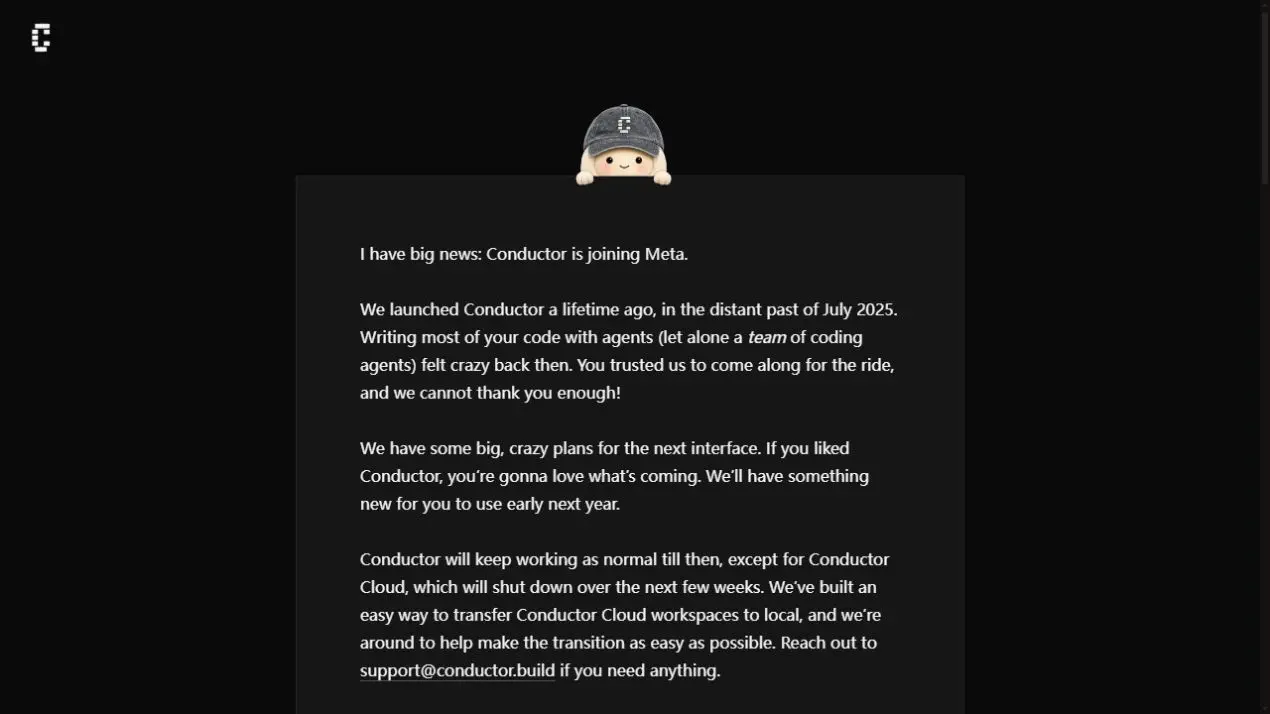
A coding-agent workspace joining Meta, with a November 2026 cloud shutdown and local-app updates planned through early 2027.
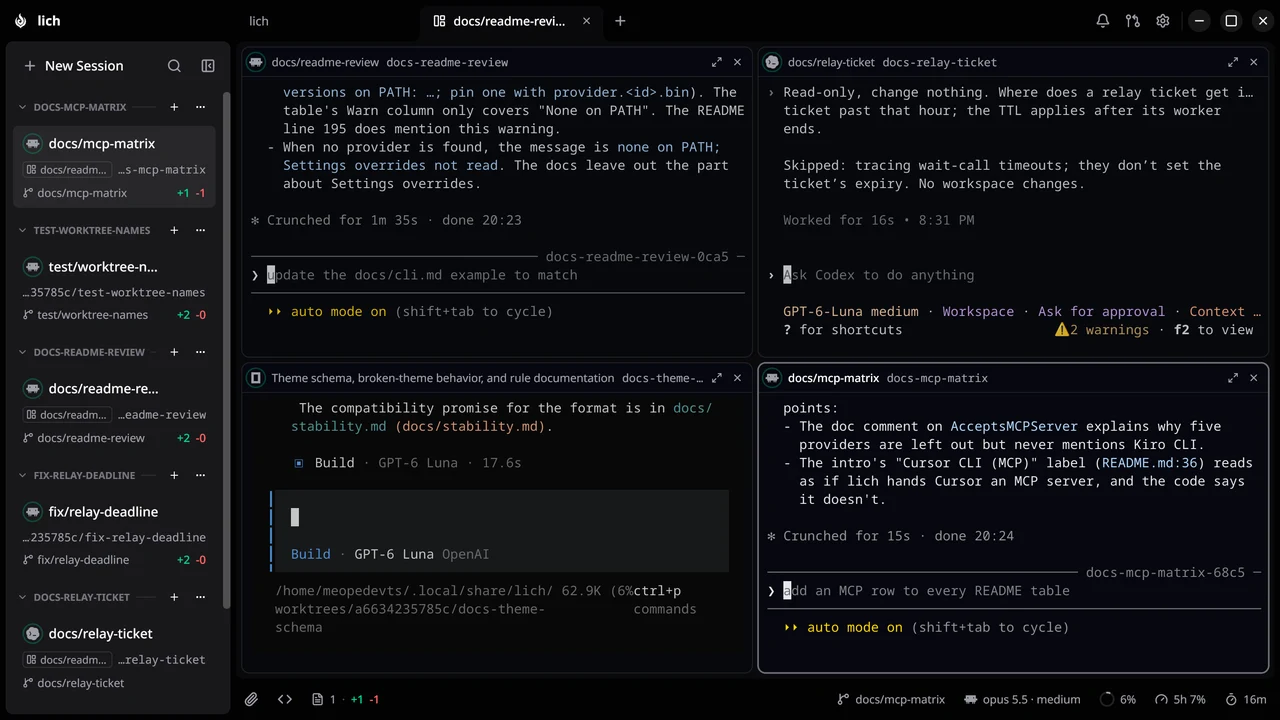
An independent desktop workbench for installed coding-agent CLIs, with session panes, Git worktrees, review and browser workflows.
Independent command-line utilities for searching, resuming and porting coding-agent sessions, alongside workflow helpers.
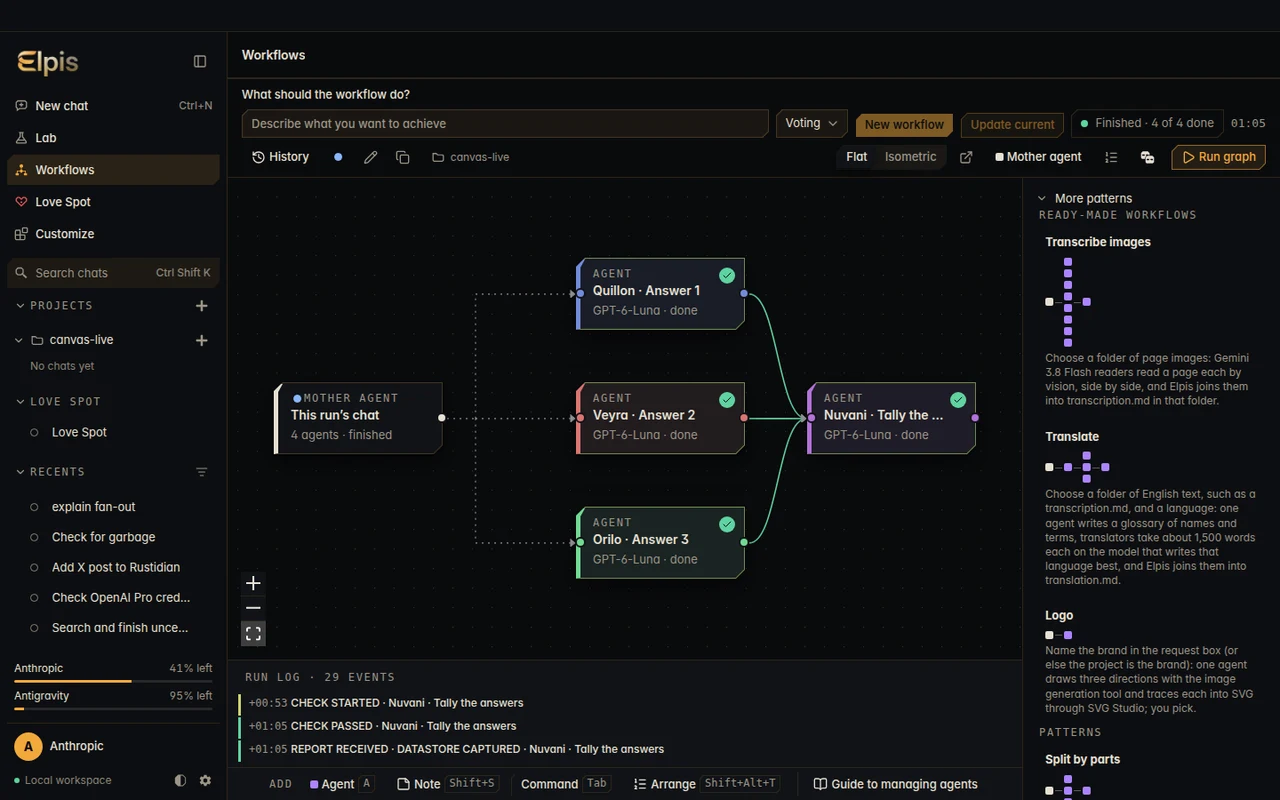
A Linux coding-agent harness built on Codex CLI, with desktop and terminal apps, a context ledger and editable teams of agents.
Activeloop's cloud-backed shared memory and session-capture integrations for coding agents, with local proactive teammate recall in Claude Code.
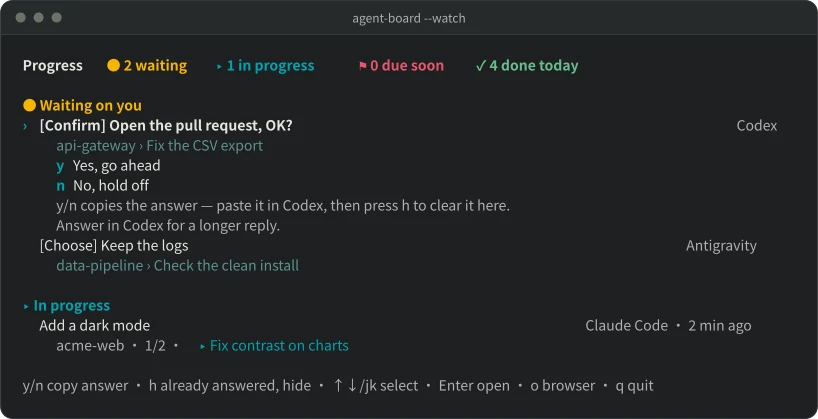
A local dashboard that collects coding-agent progress and questions in Markdown, with host integrations and optional connected-session messaging.
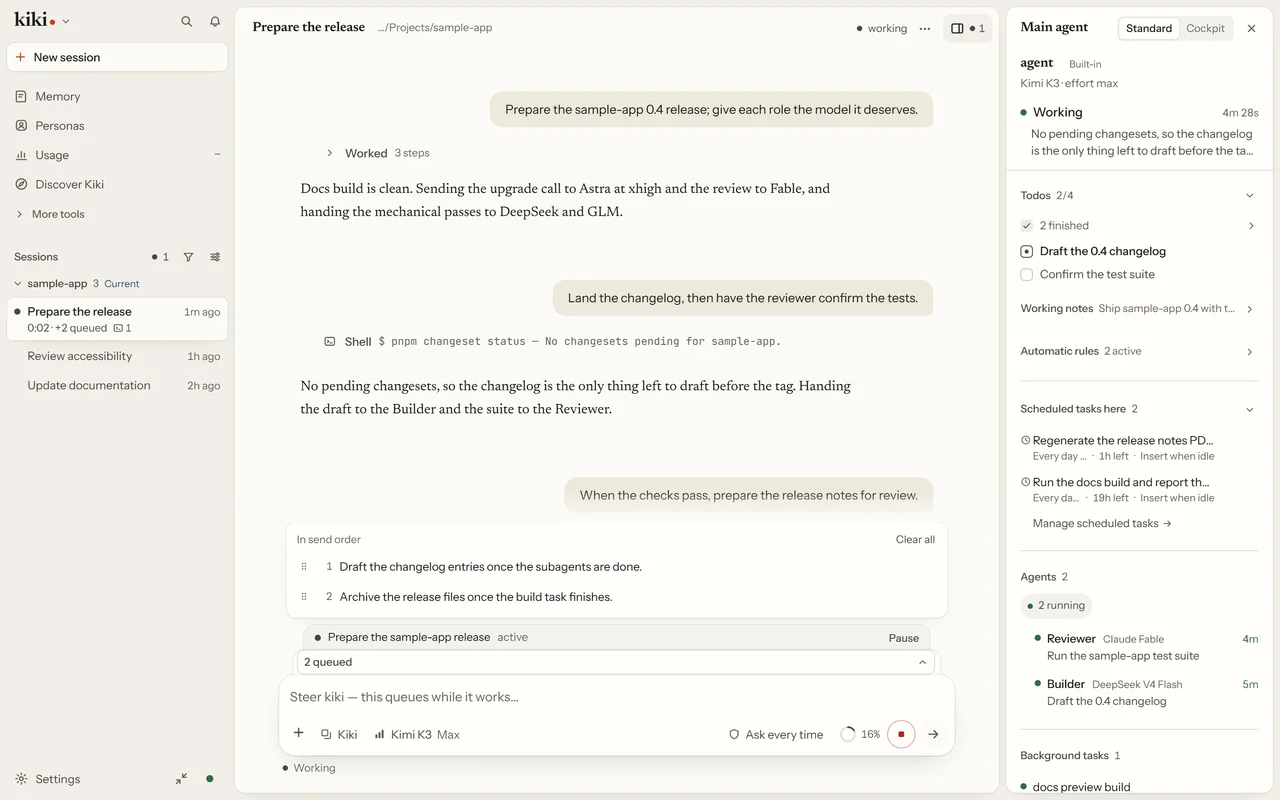
An open-source agent workbench with desktop, terminal and browser interfaces around a shared local service, supporting multiple model providers.
A local web workbench for Claude, Codex and Pi-backed model sessions, with project tabs, terminal and browser tools.
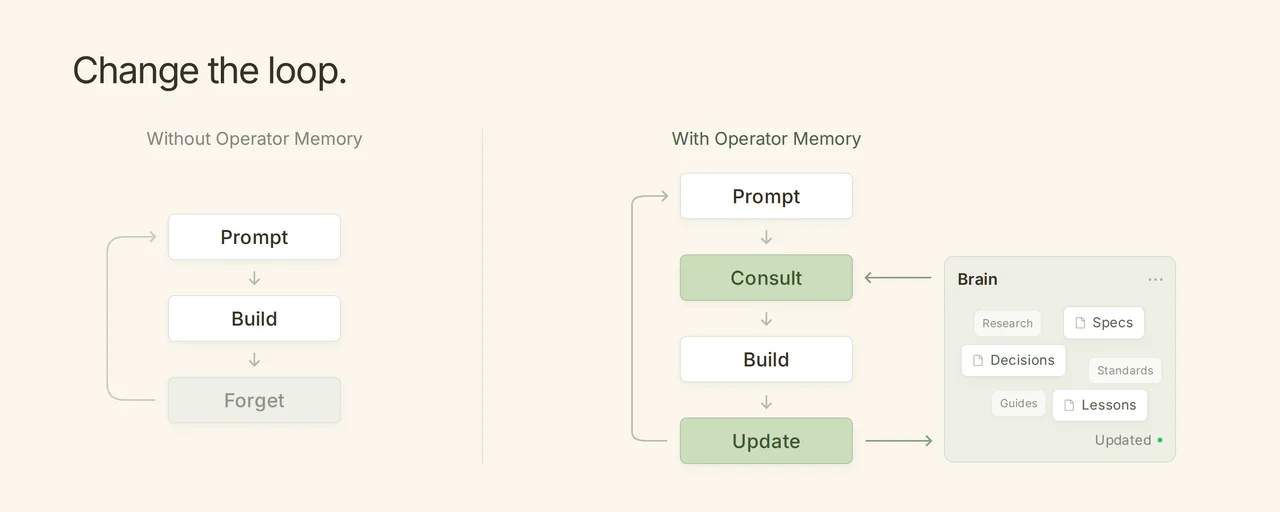
A community Markdown context and memory plugin for existing coding-agent harnesses, with private, shared and personal knowledge partitions.
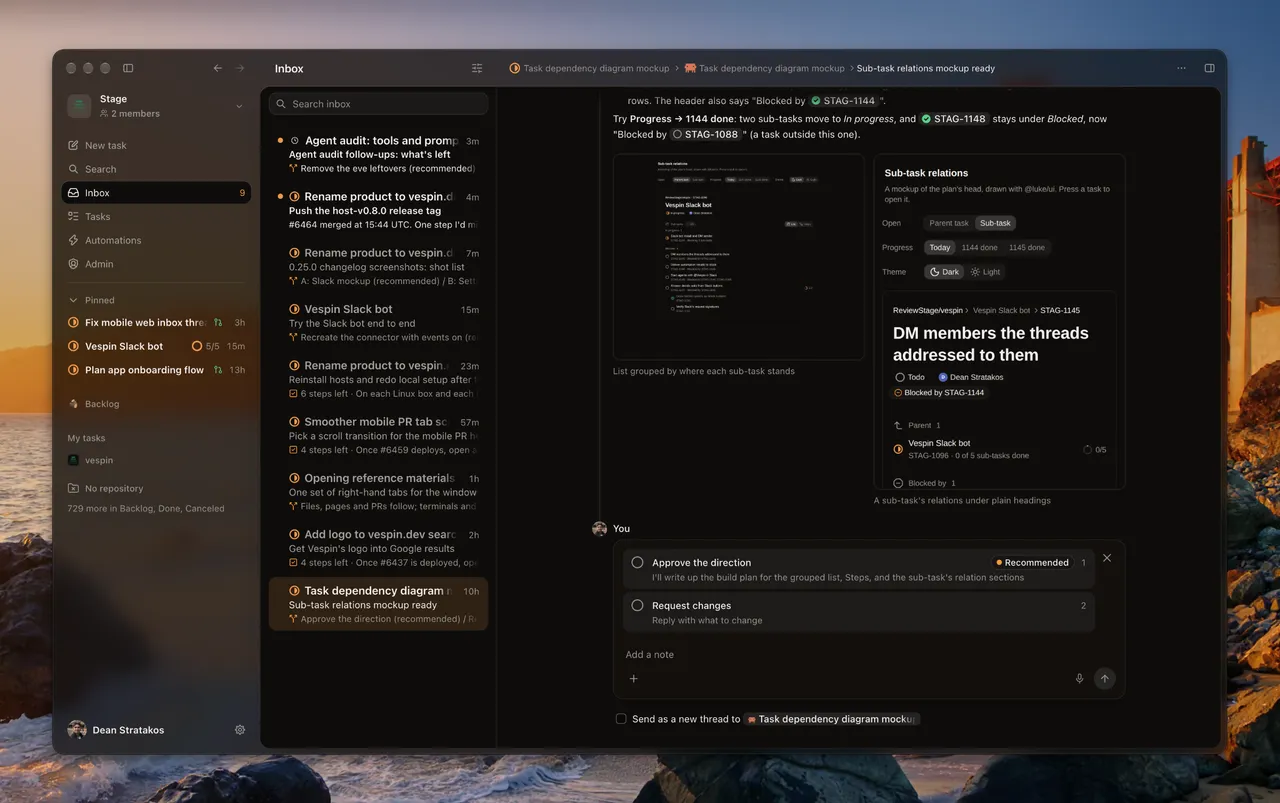
A community inbox and task workspace for coding agents running Claude Code or Codex, with GitHub and Slack integrations.
A community MCP server for website design references, browser capture, structure analysis and evidence-based design workflows.
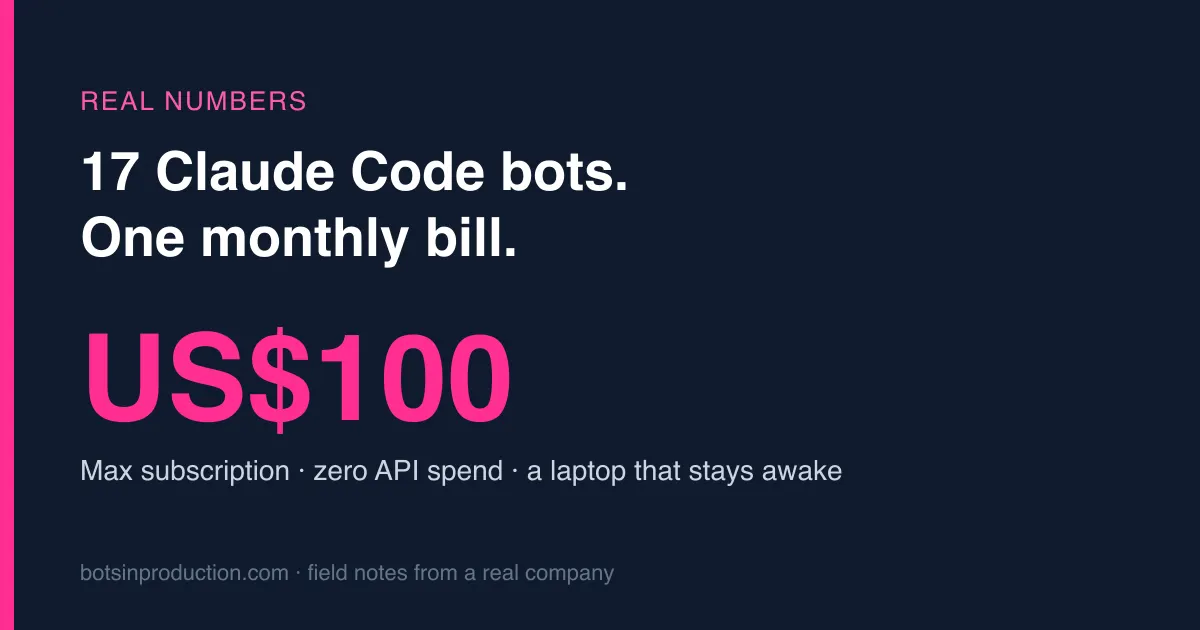
An operator's English field notes on running business automations with Claude Code and Python at an unnamed Korean B2B company.
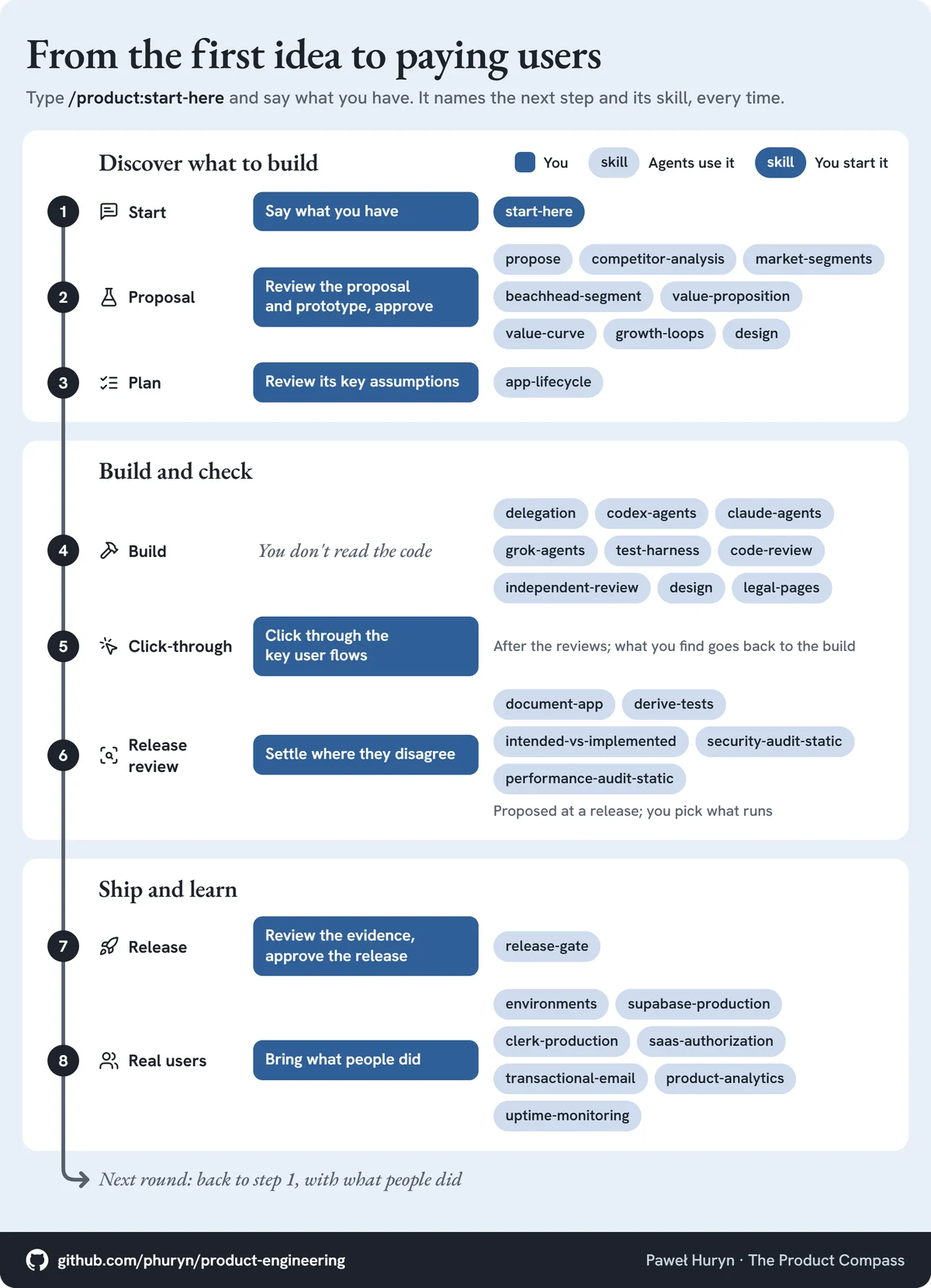
Pawel Huryn's MIT-licensed community collection of agent skills for product decisions, design, implementation, review and running applications.
BoxyFit's community TQ2_T quantization of Groot-65B-A6B, using the Strata runtime and an expert cache to target consumer GPUs.
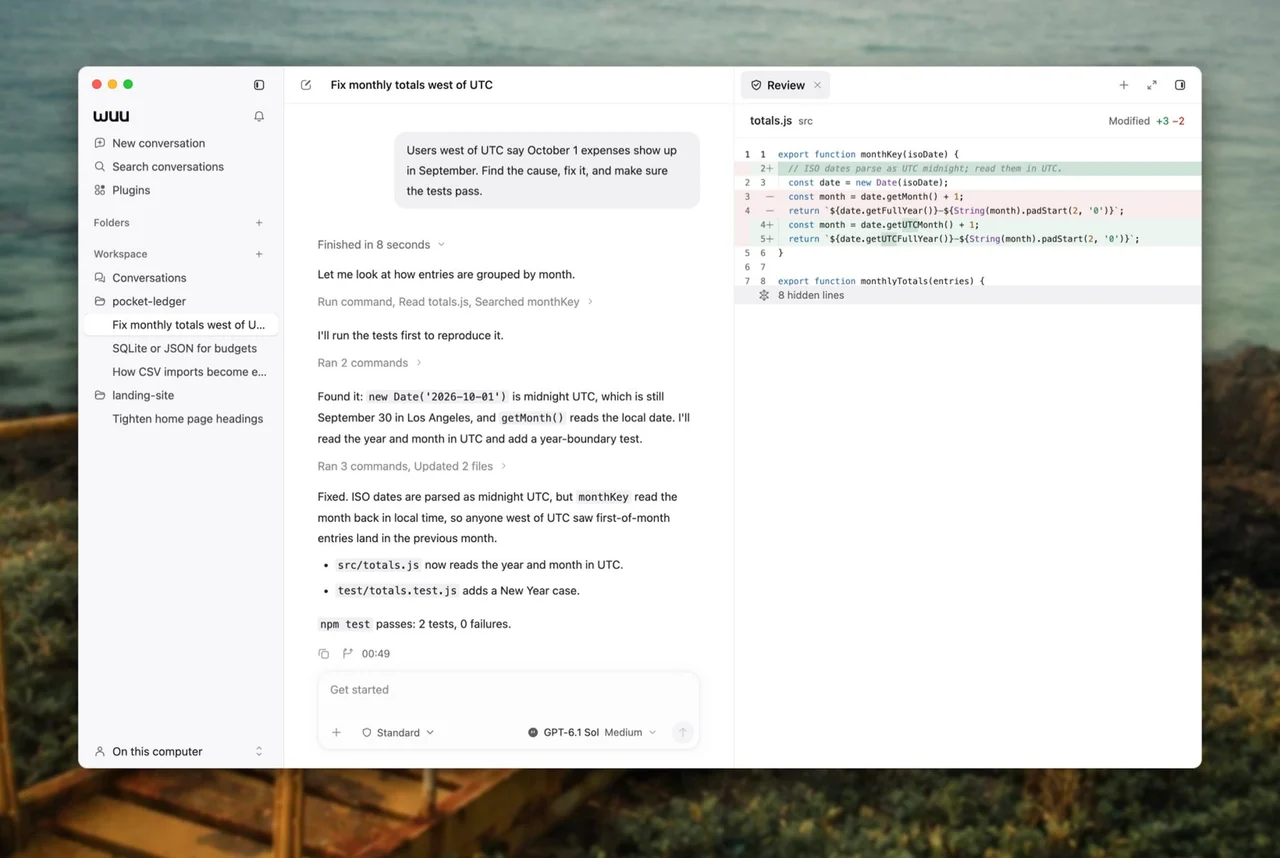
An MIT-licensed desktop application and coding-agent harness with local project tools, Git diff review, model connections and external agent engines.
A community-maintained repository of purported system prompts, tool instructions and related documents from commercial AI assistants and coding agents.
A community command-checking hook for coding agents, with v0.16.0 fixes for OpenCode v2 shell coverage and Oh My Pi verdict handling.
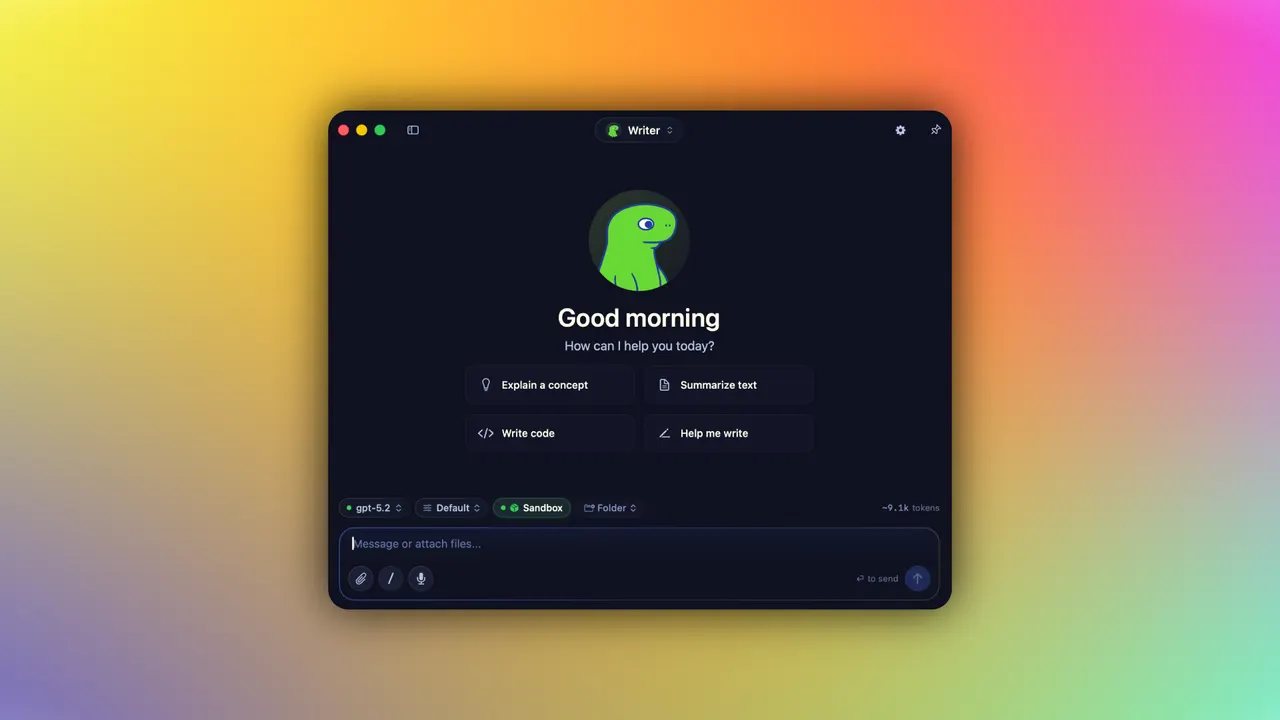
A Mac agent workspace with local and cloud models, tools and memory; version 0.25.31 adds native reasoning tiers and improves long tool-chain compaction.
A preview skill and local guide-search CLI supplying coding agents with web-platform patterns, accessibility advice and browser compatibility guidance.
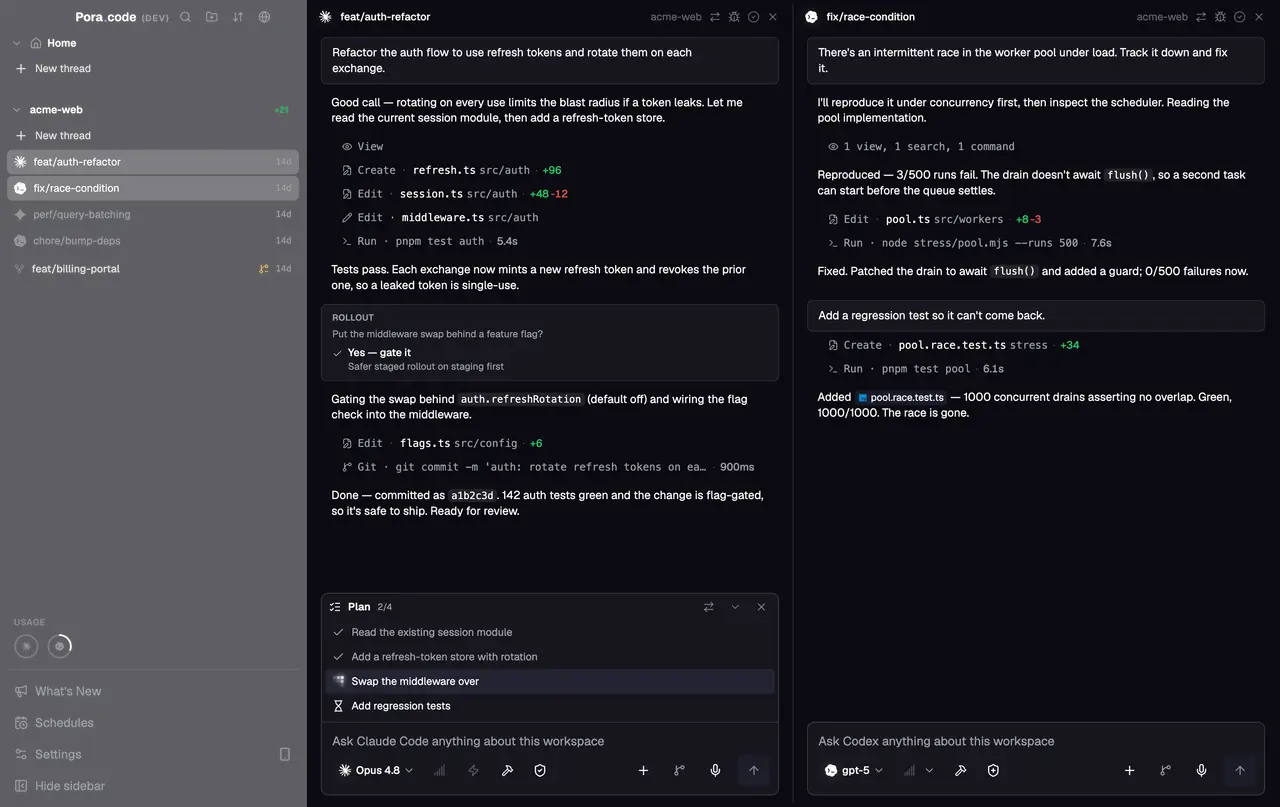
An Apache-2.0 desktop workspace for multiple coding agents, with split terminal and chat sessions, MCP controls and browser integration.
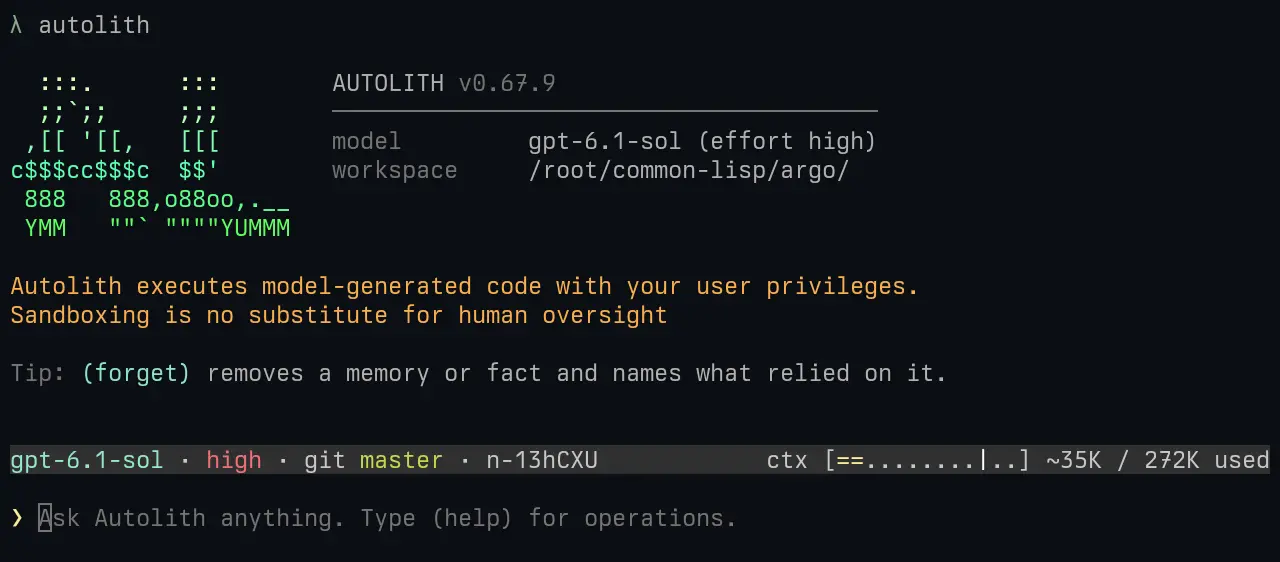
An ISC-licensed terminal agent running inside a live Common Lisp image, with self-modification, provider connections and persistent sessions.
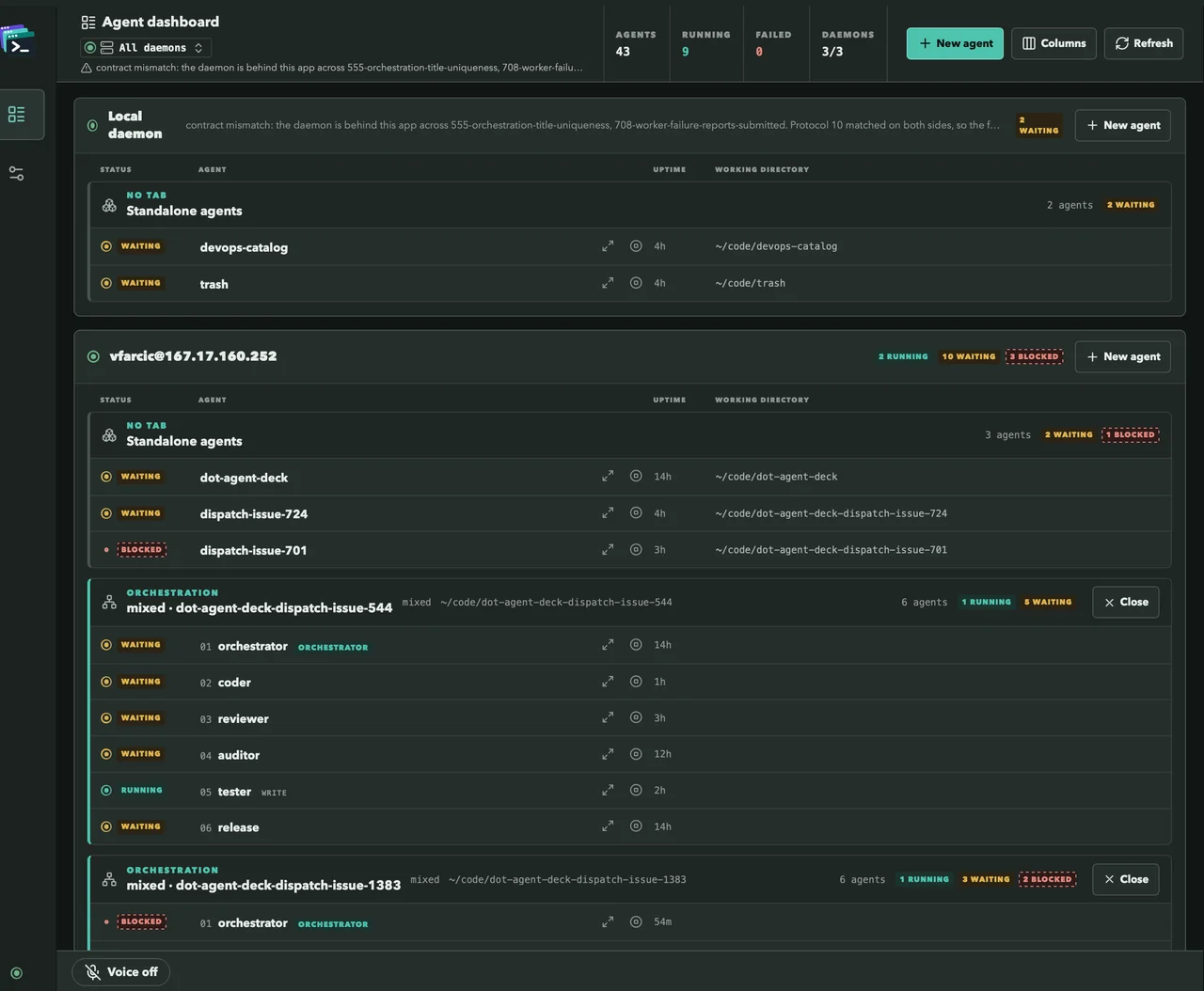
An MIT-licensed daemon, terminal dashboard and optional desktop client for monitoring and orchestrating multiple coding-agent sessions.
Standalone command-line tooling for Composio tool execution, connected accounts, developer projects and event listeners alongside coding agents.
An MIT-licensed headless coding-agent harness that preserves complete UTF-8 input, tool output and session history in its own transport.
An MIT-licensed DeepSeek Harness research bundle that routes authorized GitHub requests into separate coding-agent ticket sessions for one repository.
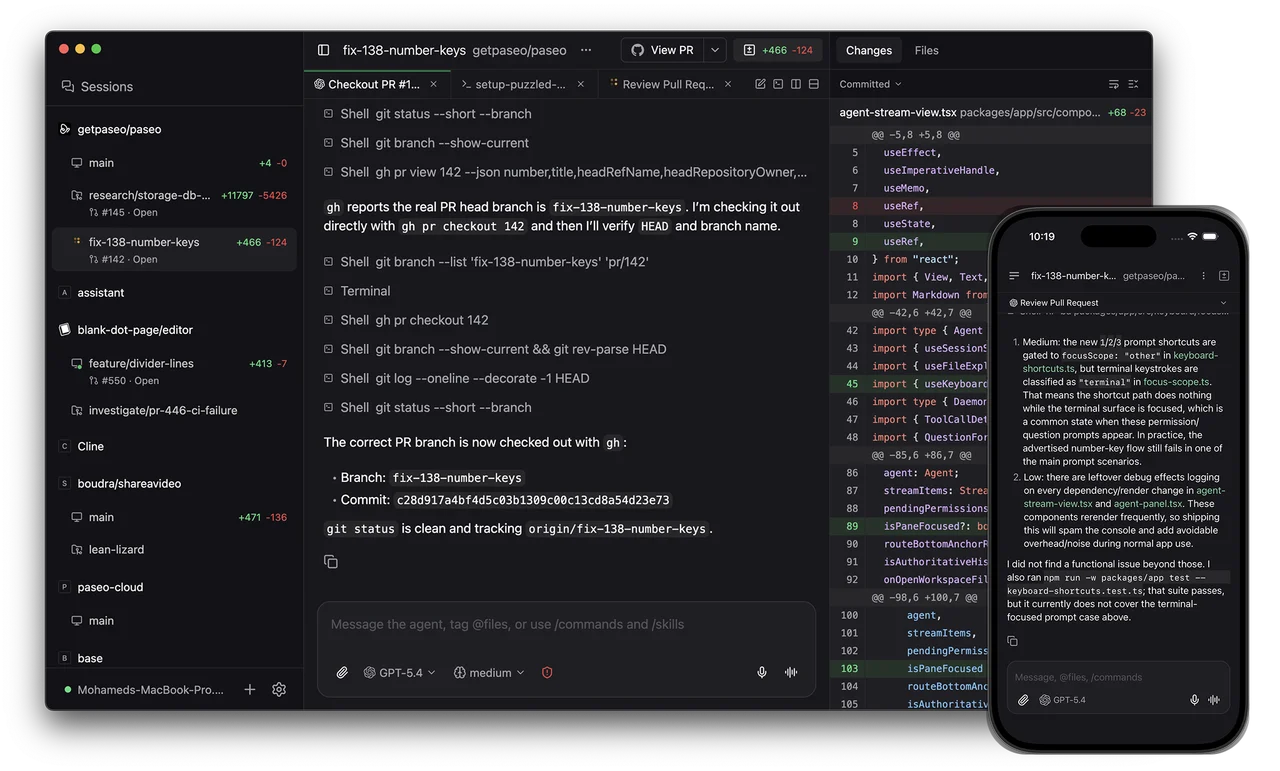
An Apache-2.0 development environment connecting desktop, mobile, web and CLI clients to coding agents managed by a local daemon.
Cursor disclosed a maliciously modified Claude Code 2.1.313 extension distributed through its extension marketplace on October 29, with attempted SSH access and persistence.
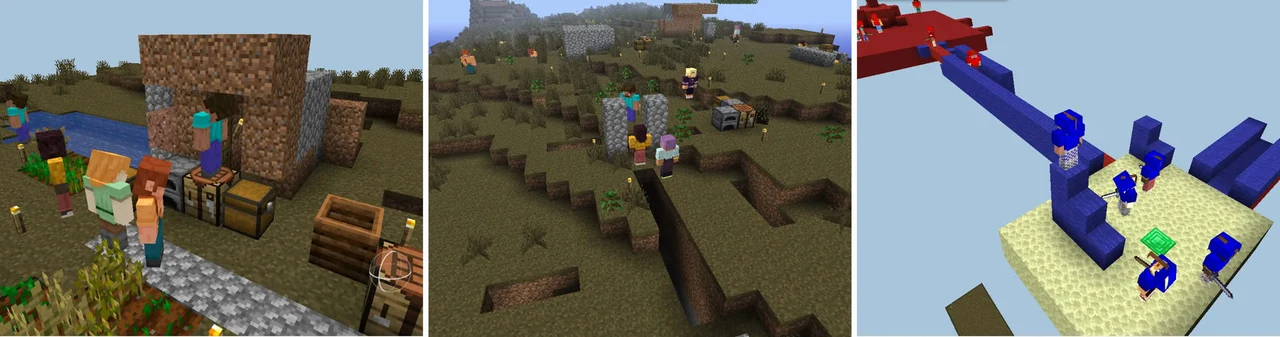
YC's Pi-based harness lets model-backed agents play Minecraft through Mineflayer, exchange direct messages, keep state and use configurable shell environments.
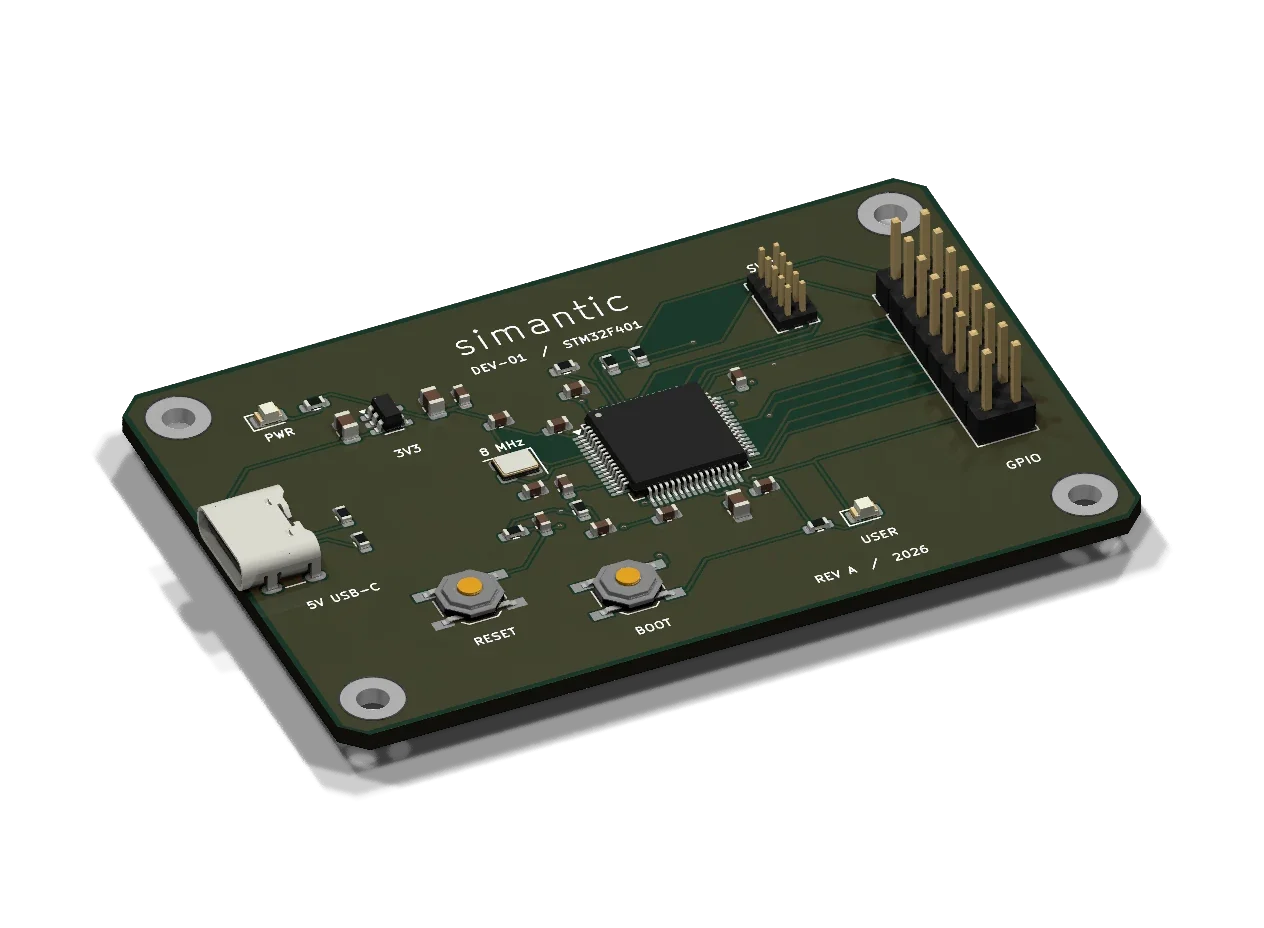
Firmware simulation tools and a GitHub reviewer that let engineers and AI agents run embedded code against virtual microcontrollers.
A shared workspace for running coding agents across local, remote and managed runtimes, with team conversations and an input-request Inbox.
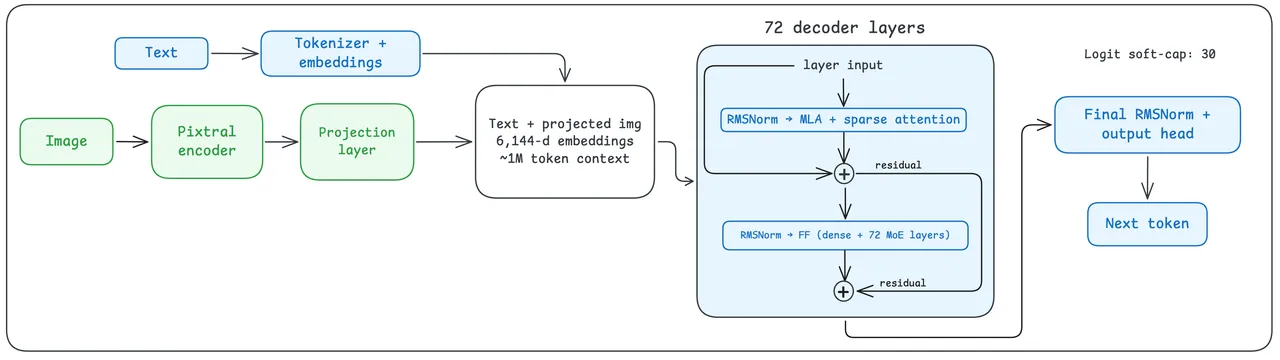
Le Chonk is Mistral's open-weight multimodal mixture-of-experts model for text and image input, with text output and configurable reasoning effort.
Community reports and discussion about Claude account email entering model context and allegedly appearing in external request headers.
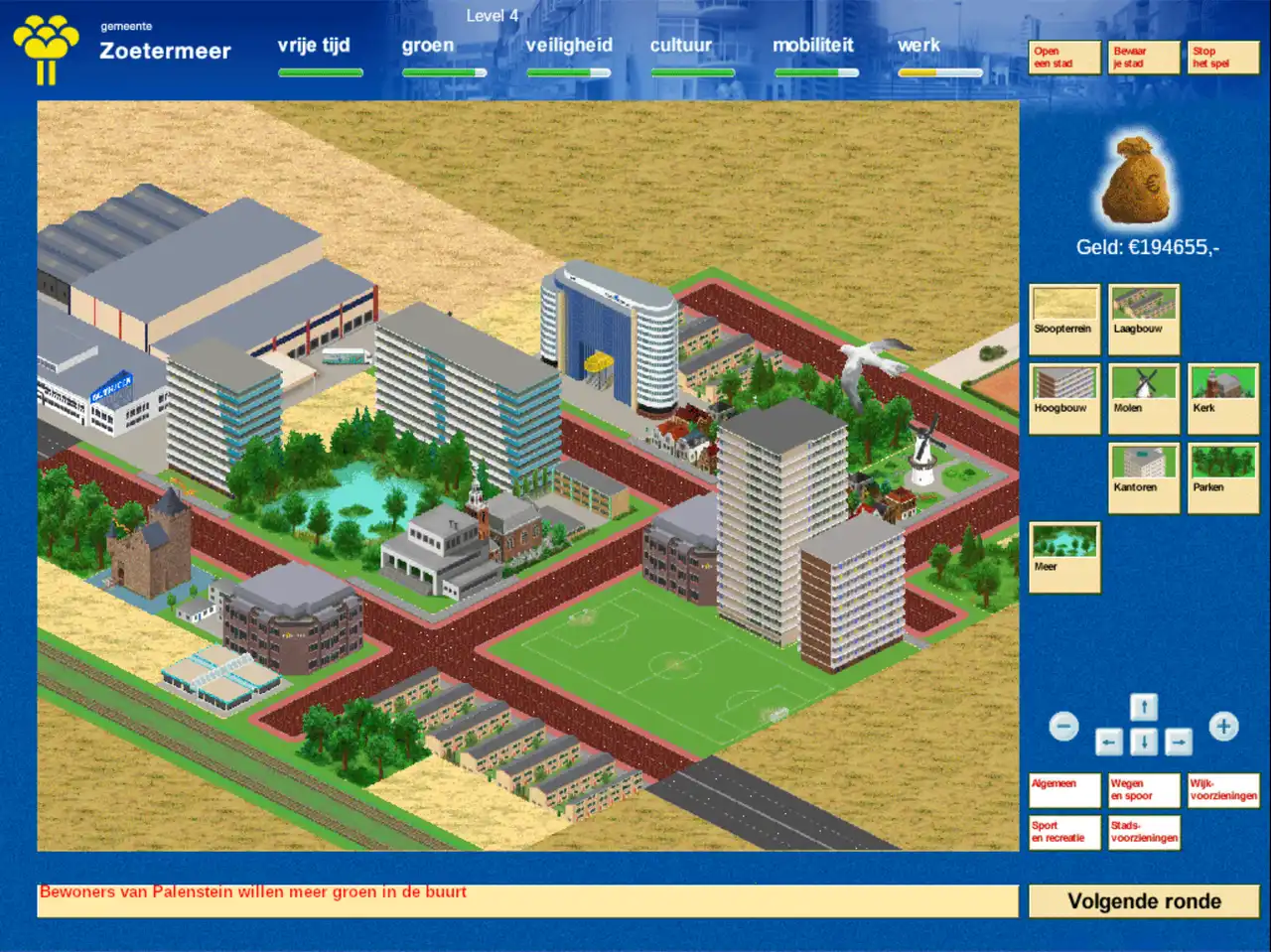
Bouke van der Bijl's Claude-assisted reconstruction and browser port of an early-2000s municipal city-building game.
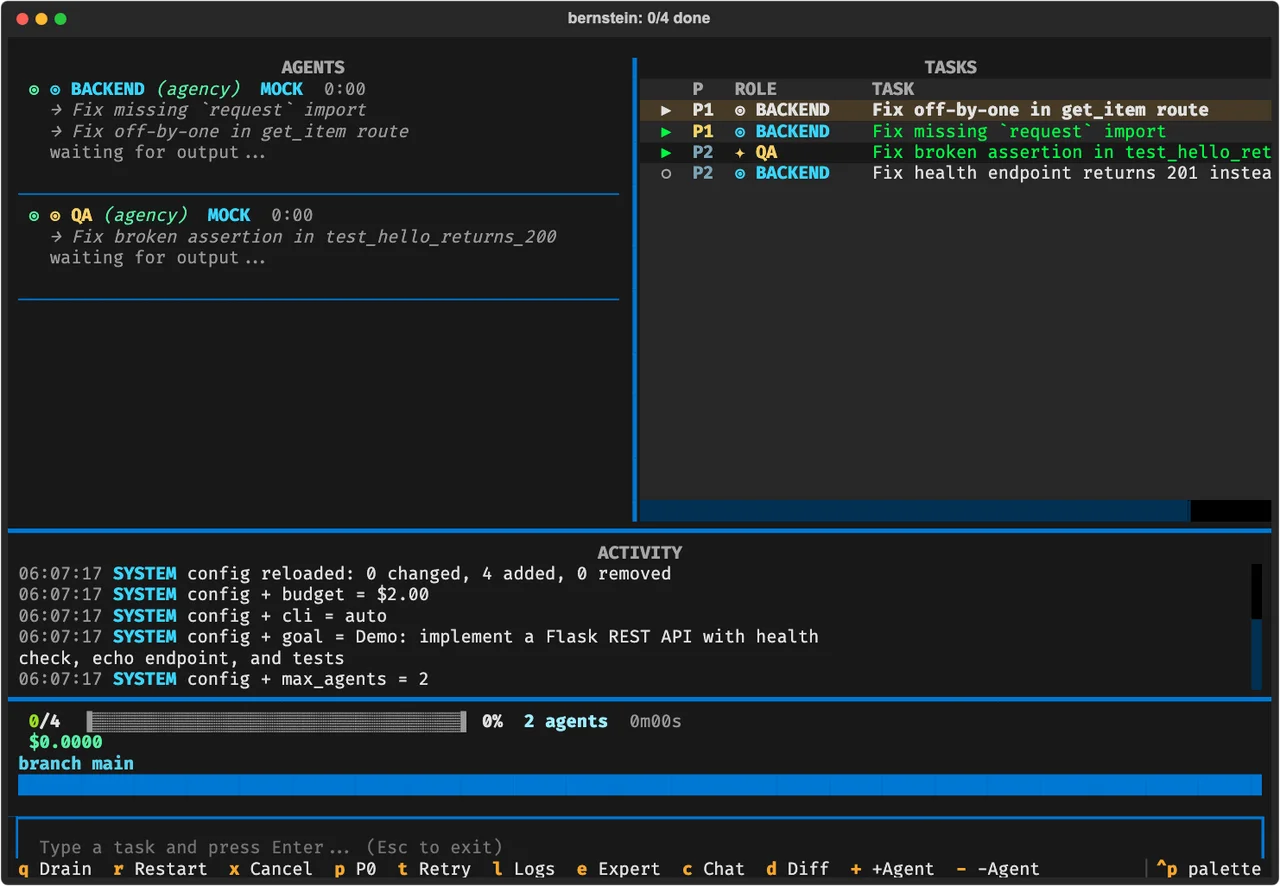
An Apache-2.0 governance and orchestration layer for CLI agents, combining deterministic scheduling, worktree-based coding tasks and offline-verifiable run records.
A MIT-licensed Pi extension and local MCP server for web search and page extraction, with configurable providers and explicit hosted-fetch permissions.
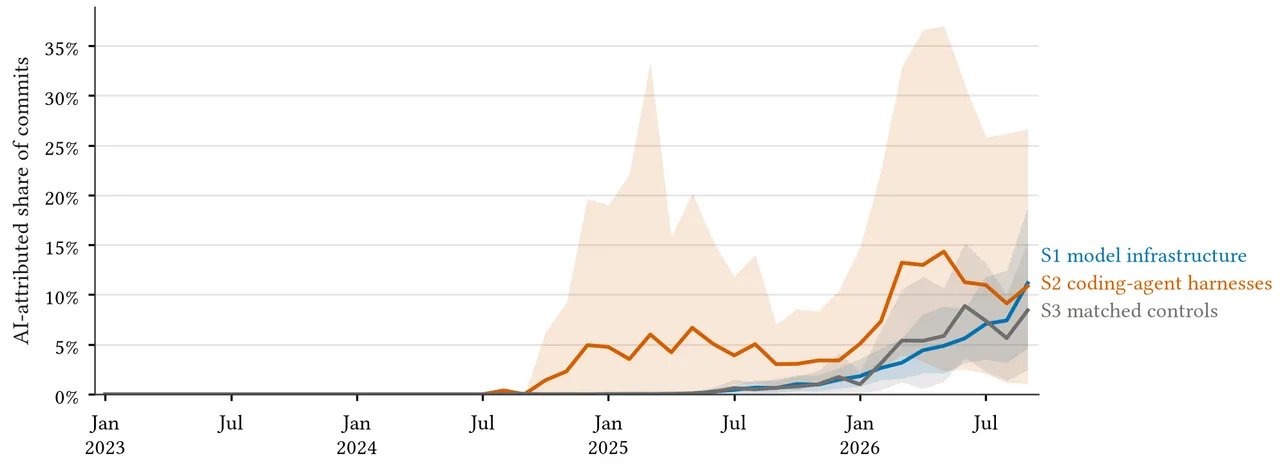
An open research project and command-line scanner measuring disclosed AI attribution in public Git history, with aggregates from a 96-repository study.
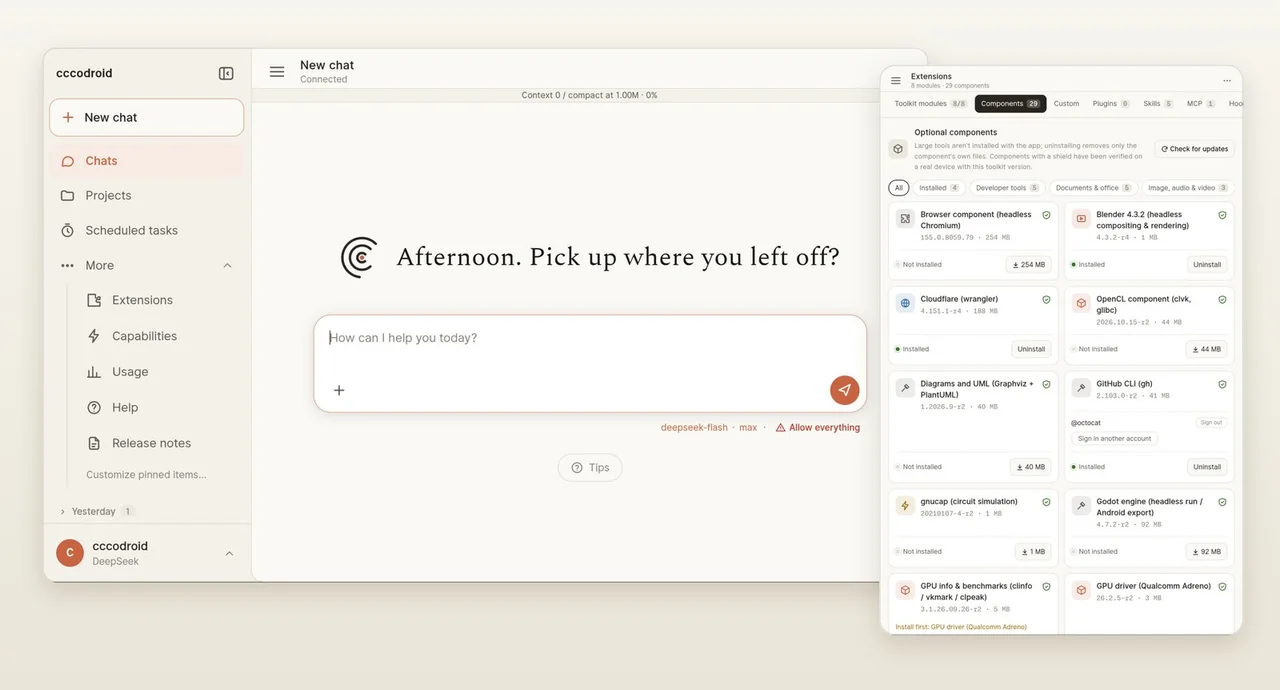
A third-party Android launcher for running the official Linux arm64 Claude Code client locally on a phone, with cloud model inference.
A community HTTP proxy that archives coding-agent history verbatim and manages prompt masking and recall in front of compatible model servers.
A community Python workstation CLI combining infrastructure tools, model-assisted code review and GitHub roadmap workflows.
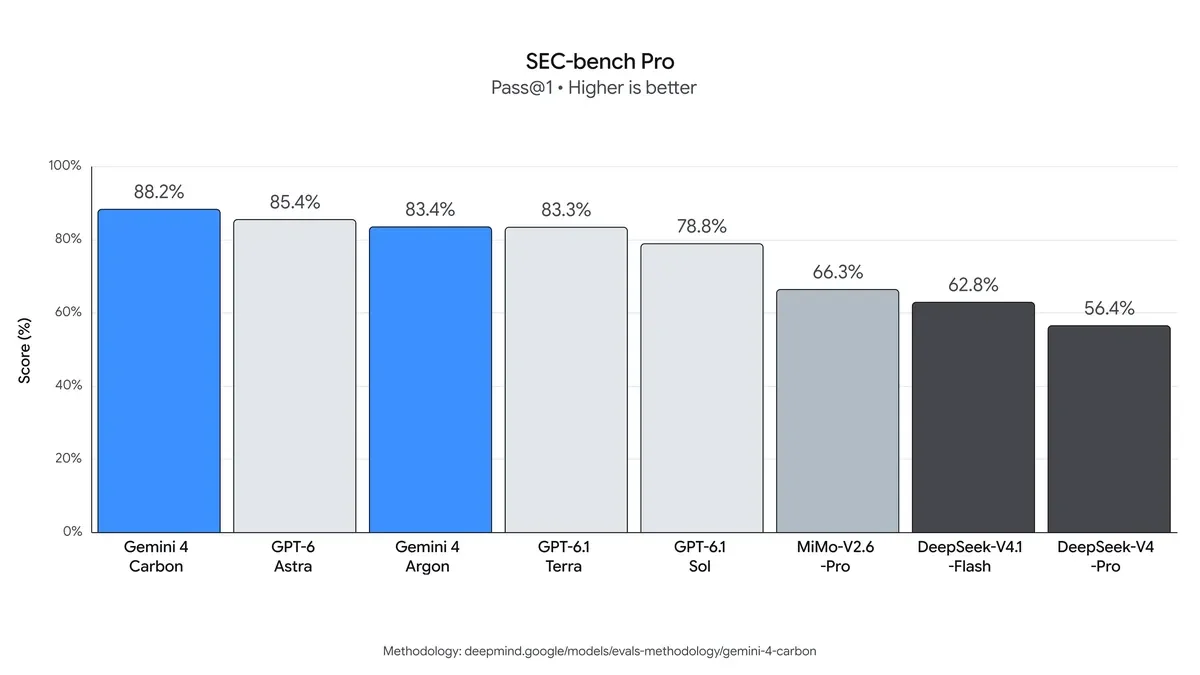
Google DeepMind's frontier model announced October 28, with phased access for selected cyber defenders before broader product availability.
A community configuration and workflow toolkit for coding agents, with terminal management of the separate Pi-based Gentle Shell workspace.
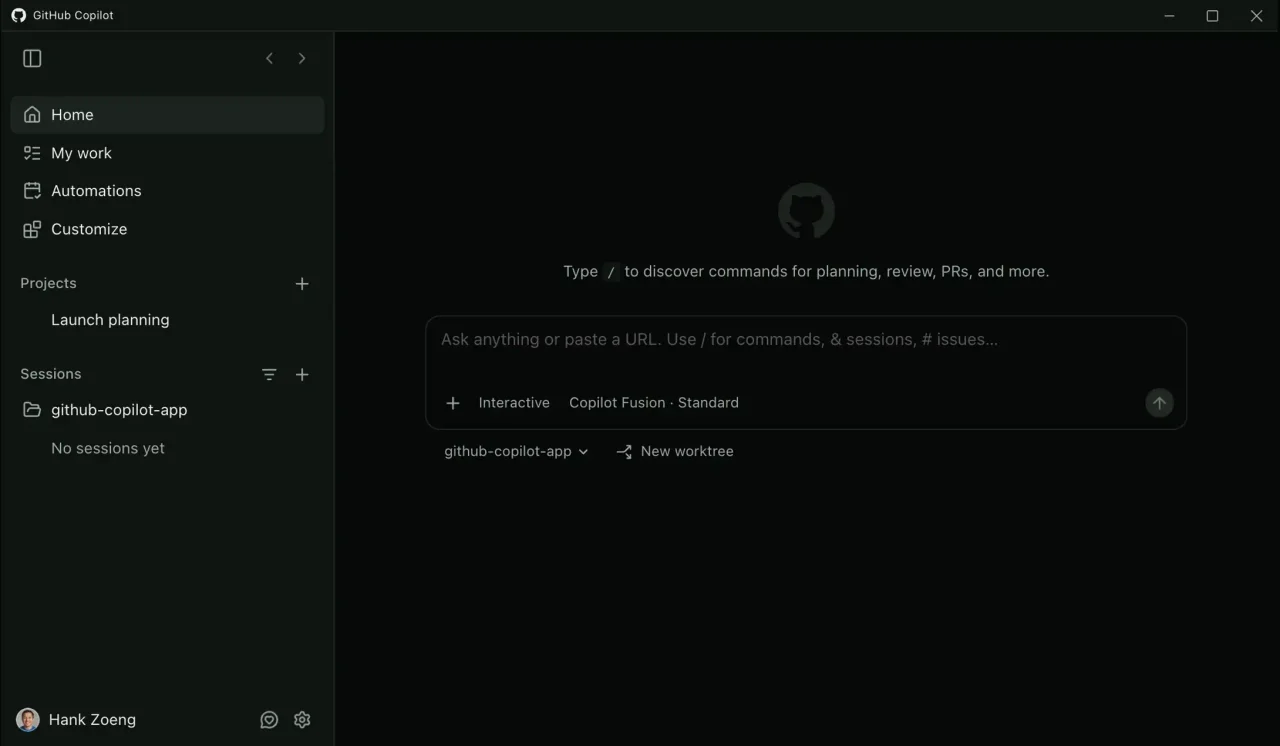
GitHub's agent workspace for repository sessions, projects spanning repositories, recurring automations and model orchestration.
An MIT terminal coding harness and SDK with selectable model providers, permission modes and persistent local sessions.
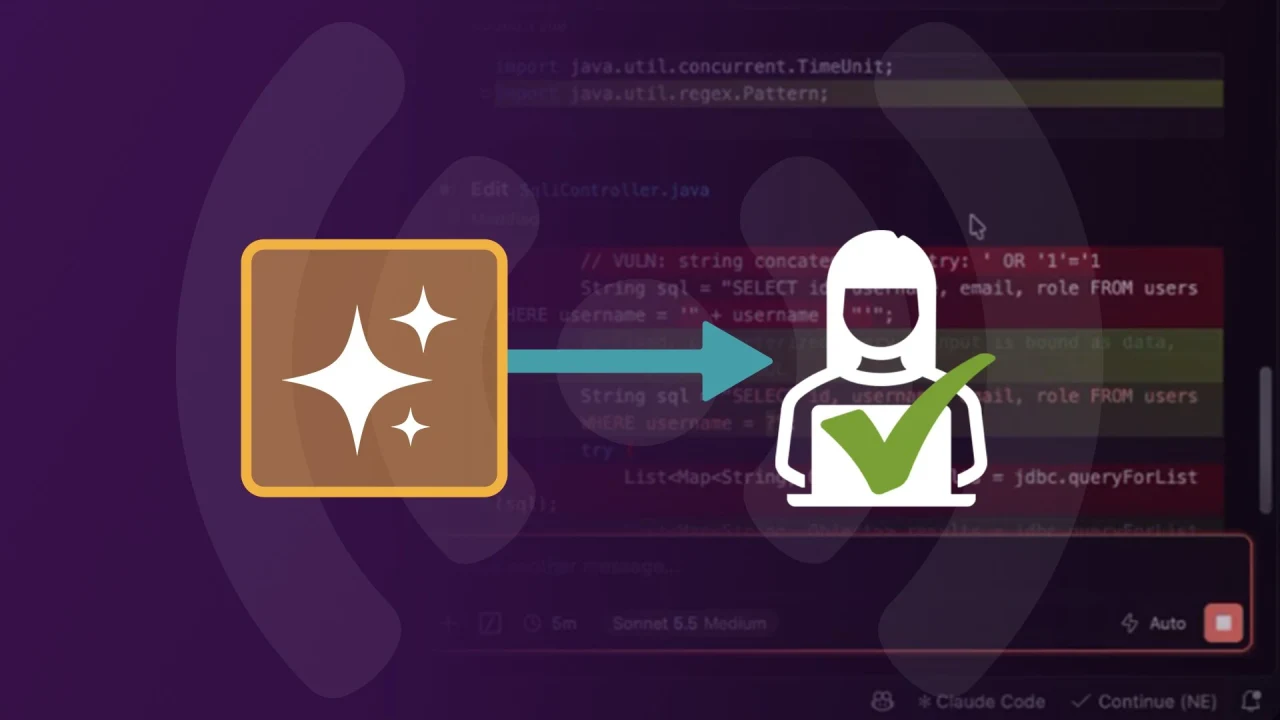
An announced application-security agent that combines deterministic scans, AI-assisted fixes and human approval, with a Claude Code plug-in for Coverity users.
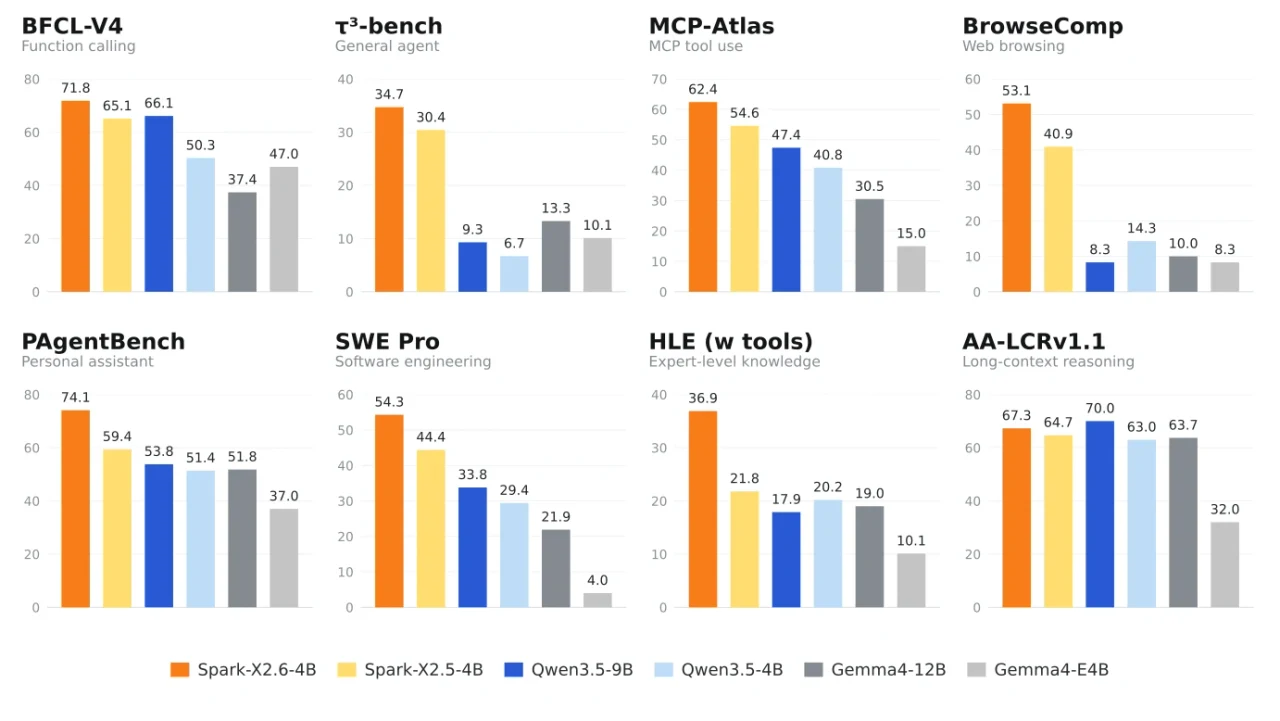
An Apache-2.0 compact text model for local agent workflows, with configurable thinking budgets and multiple documented inference runtimes.
A host-agnostic CLI that lets coding agents author and execute JSON mobile UI scenarios through mobile-mcp.

CCORE's independent Qwen3.5-4B fine-tune for general coding and interactive Three.js scenes, available as preview GGUF builds.
A self-hosted Linux service that turns authorized ready GitHub issues into sandboxed Claude Code or Codex runs.
A Git-compatible code forge combining agent-scored Trails, regional repository hosting and coding-session memory.
The model card positions the 33B checkpoint as a teacher for future distillation and reports strong, but mixed, agent benchmarks.
ISTA-DASLab's mixed-precision GGUF builds of DeepSeek V4.1 Flash 1017, with a documented Strata runtime path and substantial disk requirements.
OpenAI's October 26 model for computer use, visual reasoning and writing, with standard API prices of $1 input and $5 output per million tokens.
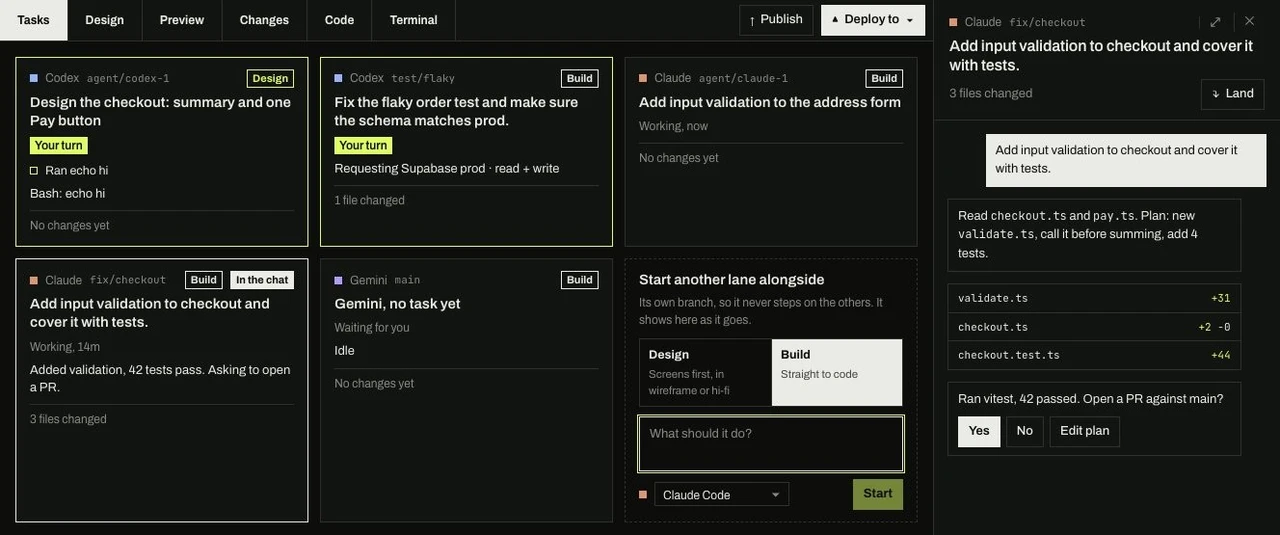
Desktop workspace for existing coding-agent CLIs, with isolated task branches, review tools and scoped access requests. Version 0.4.17 bundles Ponytail coding guidance.
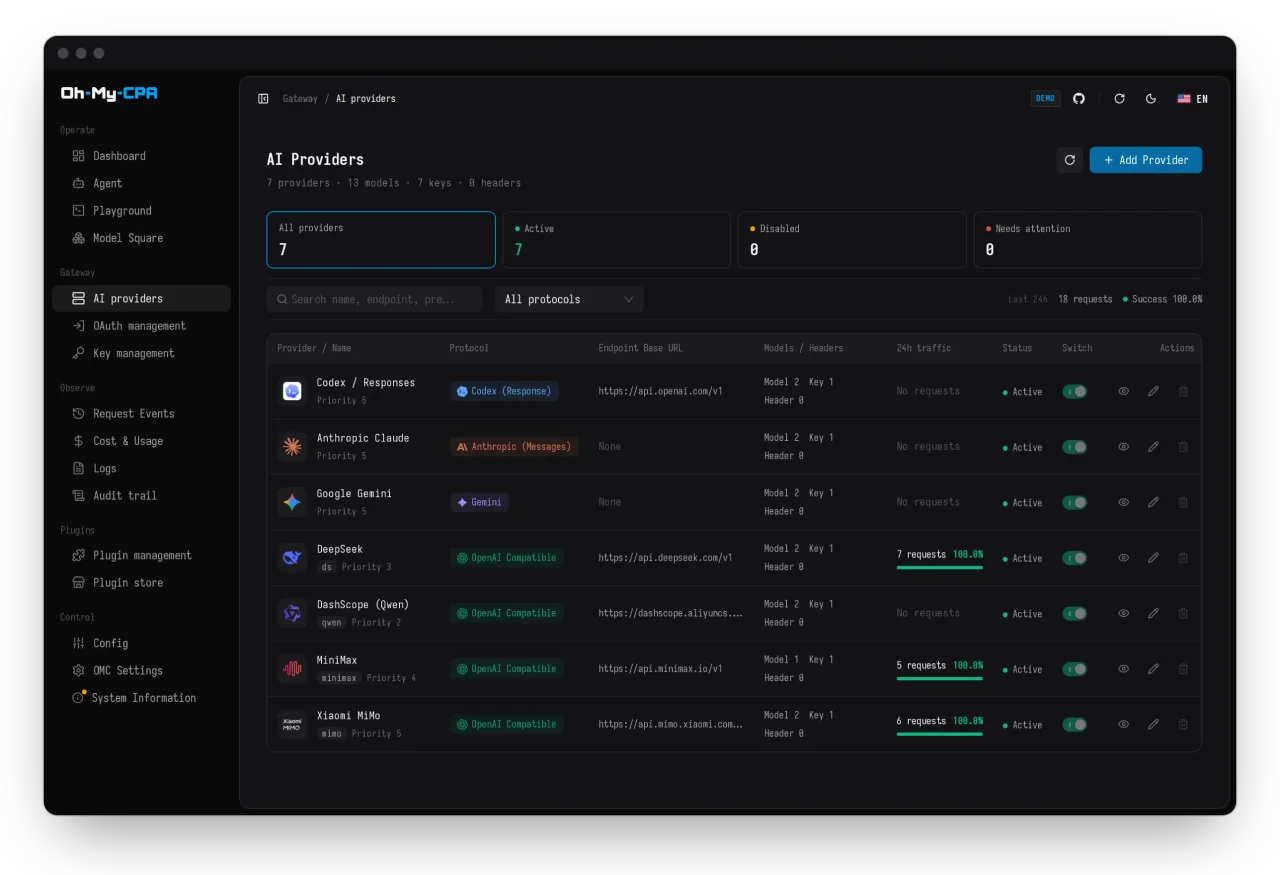
Self-hosted provider, credential and usage management console for CLIProxyAPI v8+, with an embedded web interface and MCP access.
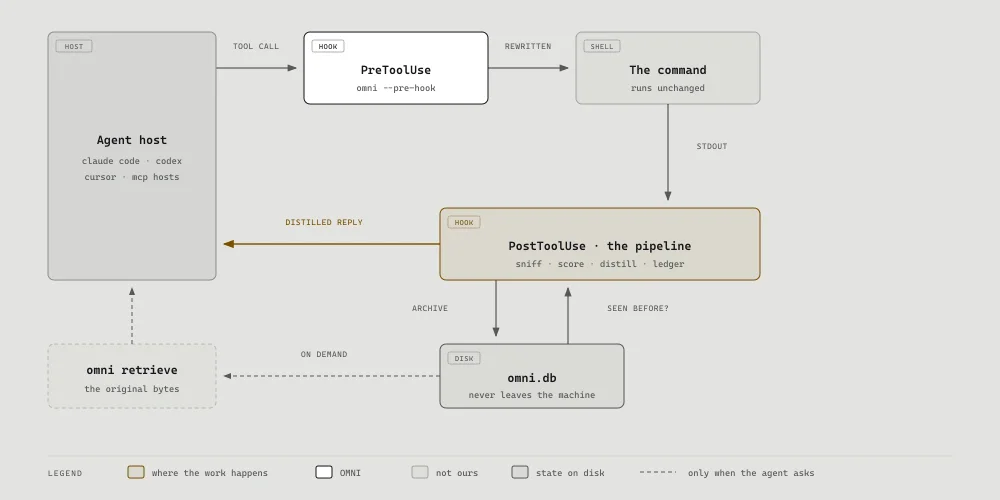
Local Rust utility for reducing coding-agent tool output, retrieving archived content and inspecting Claude Code transcript spending.
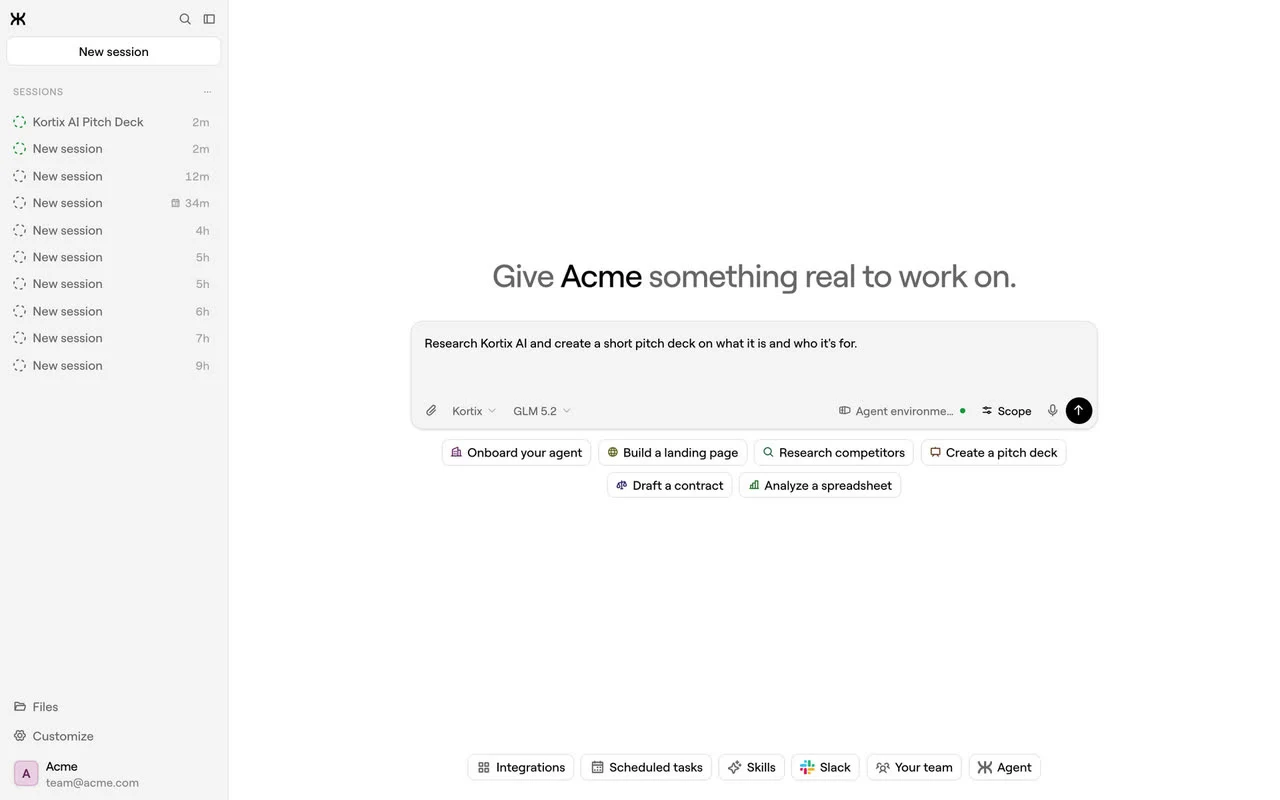
Source-available team agent platform with isolated session sandboxes, configuration in Git, human-reviewed change requests and pi or OpenCode harnesses.
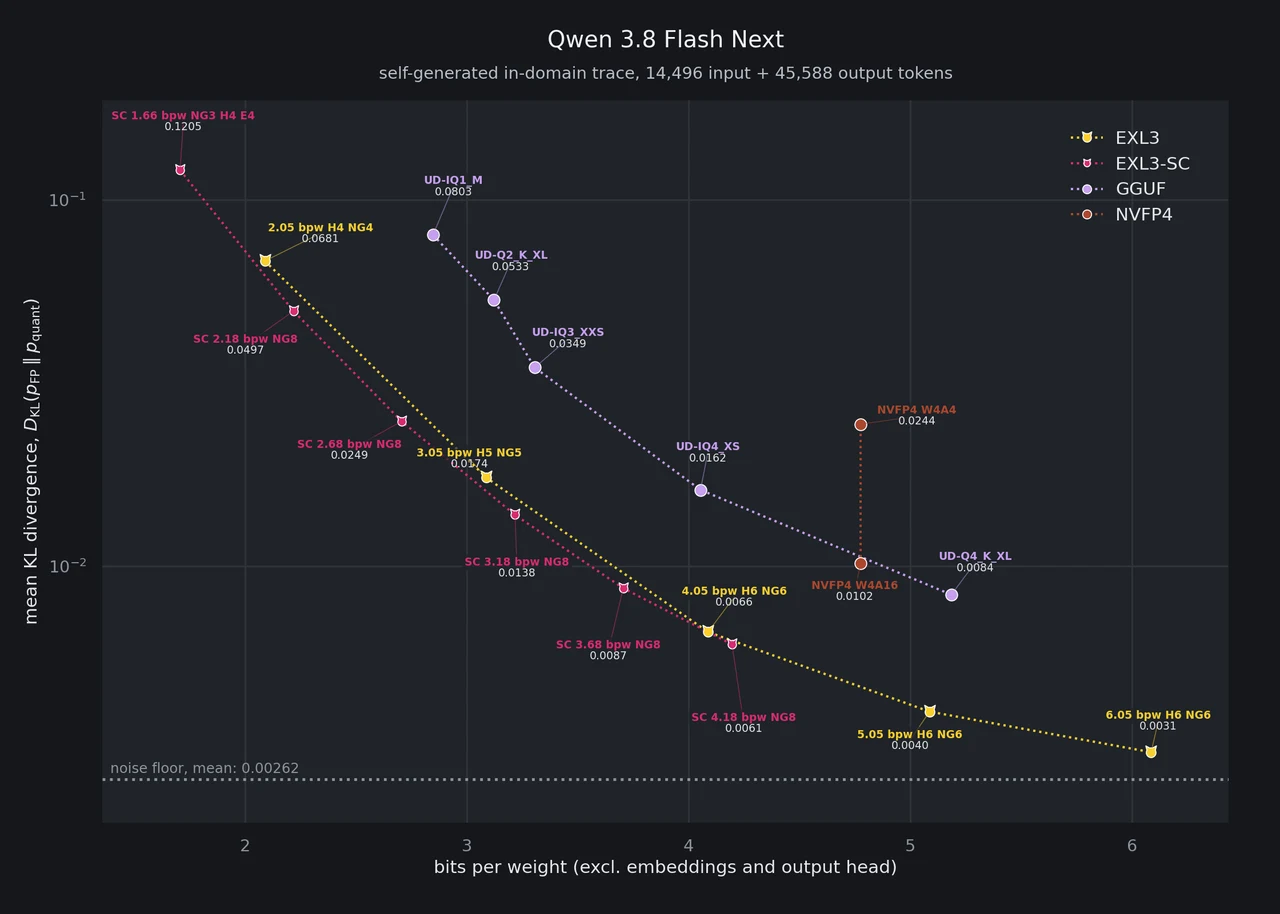
Community EXL3 quantizations of Qwen3.8-Flash-Next, including a self-calibrated 1.66bpw branch whose author claims single-RTX-5090 agentic inference with a 64K quantized cache.
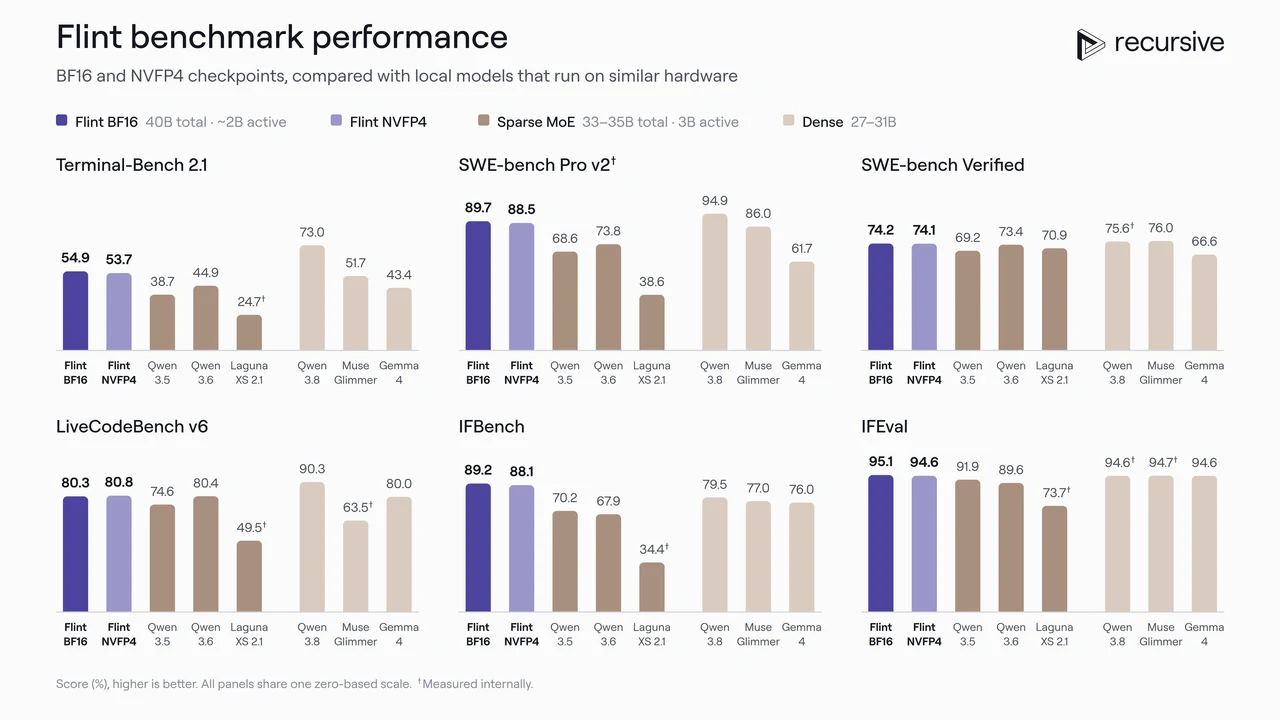
Apache-licensed coding model with 39.8 billion total parameters and about 2.5 billion active per token, with a dedicated local inference engine and PI/OpenCode recipes.
A game matching-decompilation tracker whose maintainer disabled its public index and new project submissions while preserving existing project tracking and historical pages.
An MIT-licensed cross-harness session capture and reviewed memory system for coding agents, with local and optional hosted routes.
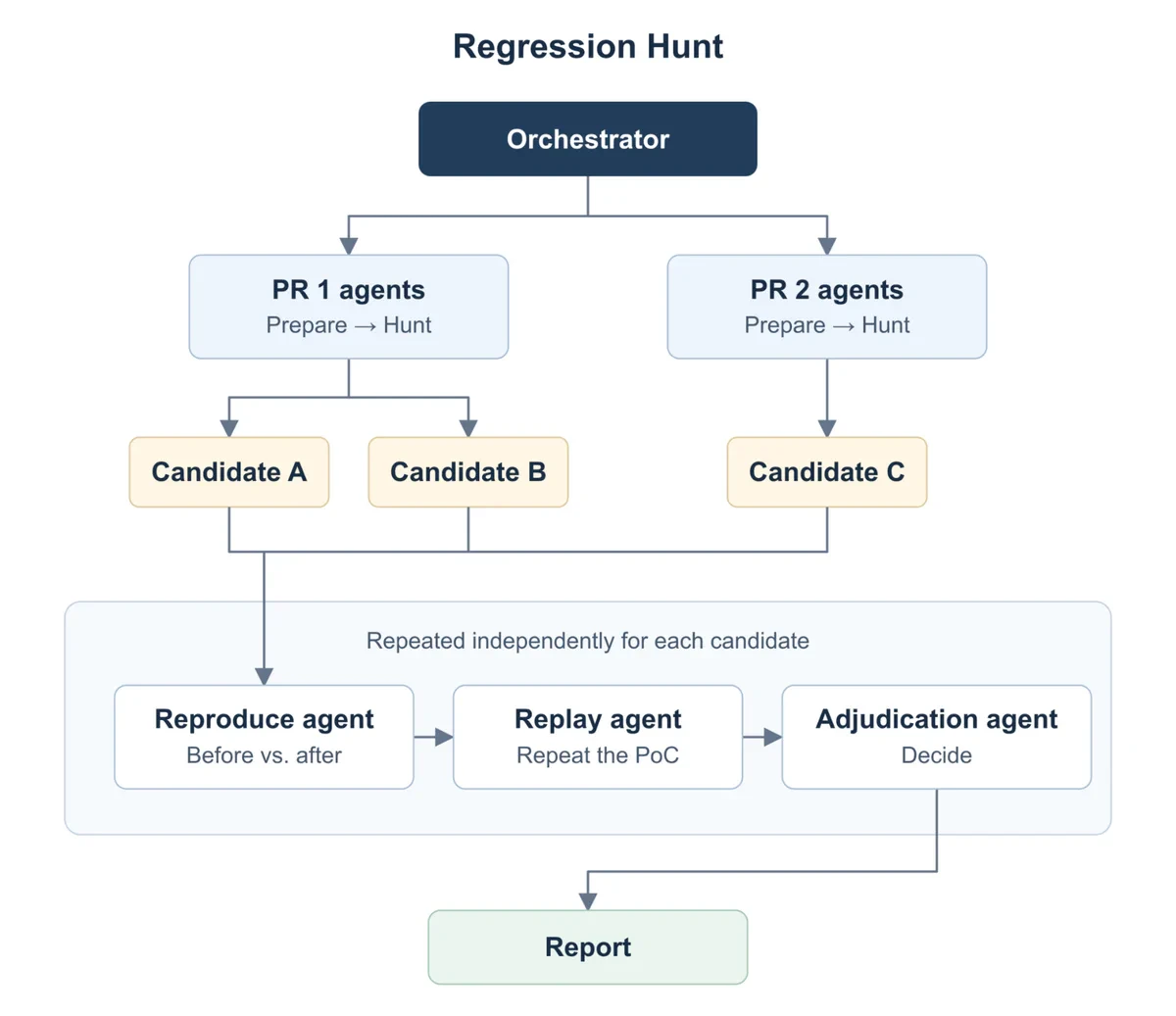
Agent plugins for reproducing bugs, proving scoped patches and checking regressions with independently replayed evidence.
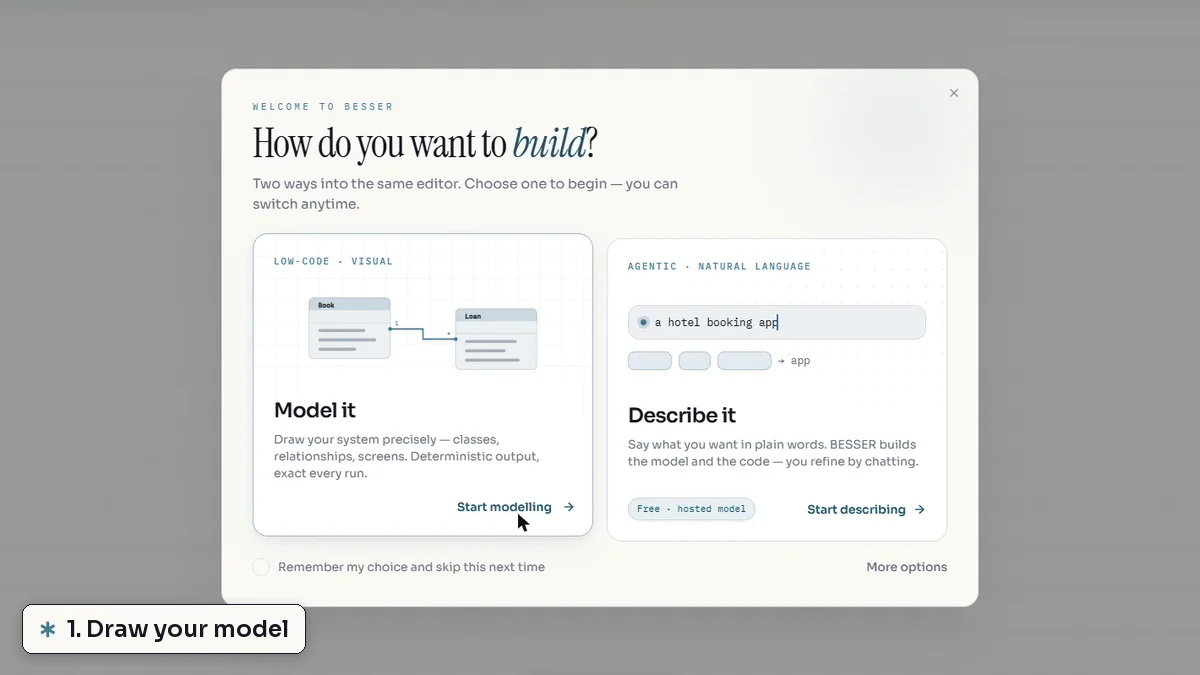
An MIT-licensed Python modeling platform that generates application scaffolds and offers an experimental LLM layer for customization.
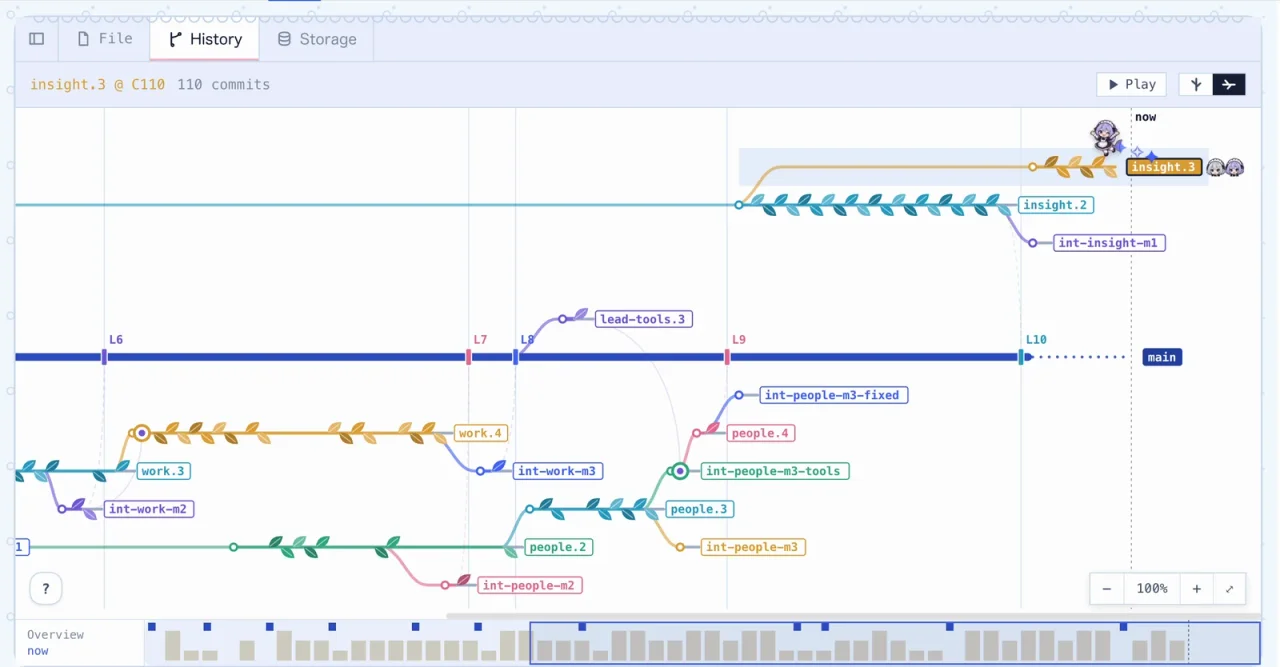
An MIT-licensed filesystem substrate giving coding agents writable workspaces over shared committed history, with a DeepSeek Harness web plugin.
A community Claude Code skill for read-only HashiCorp Vault security posture reviews, with offline comparison and Markdown reporting from collected JSON findings.
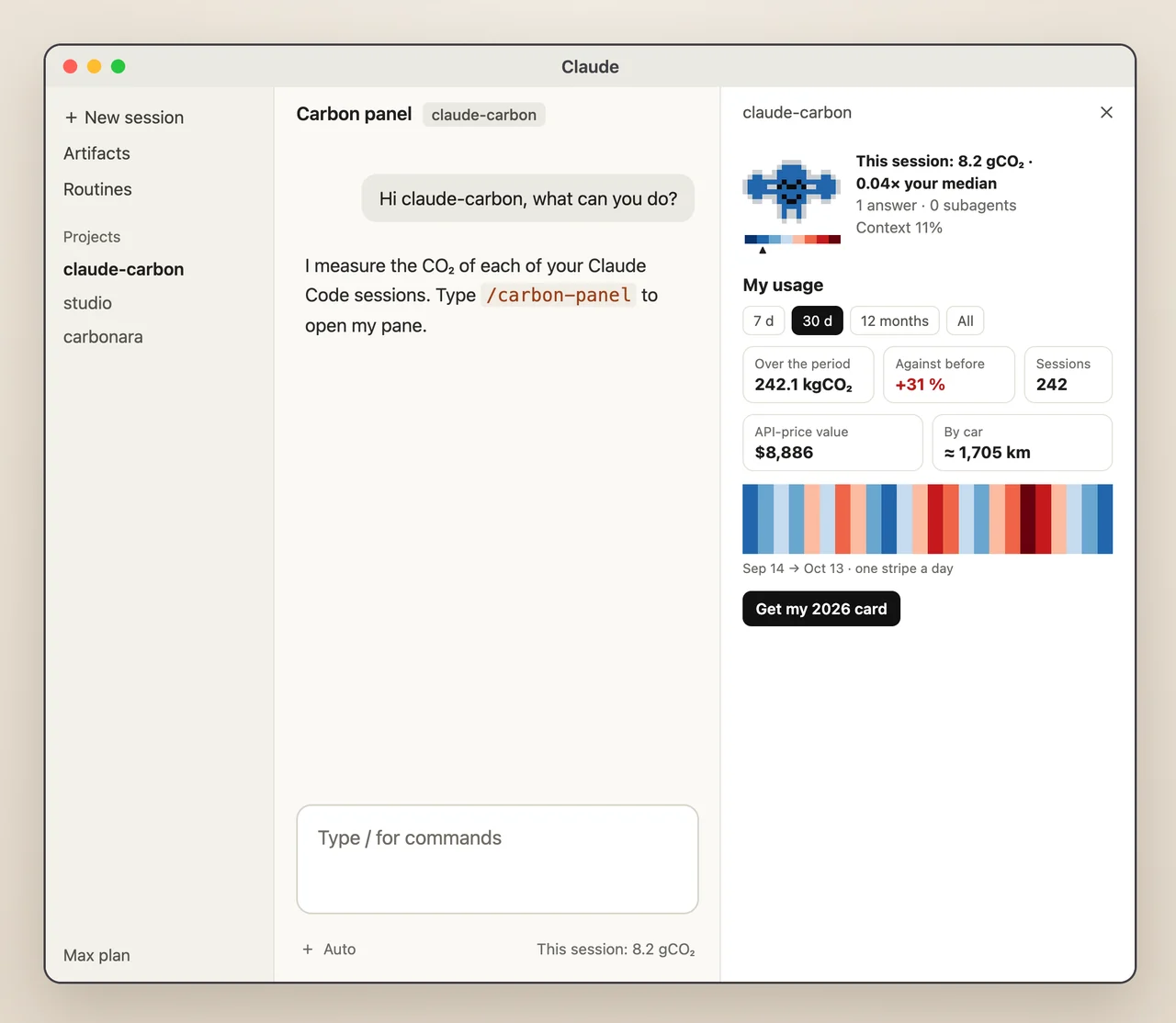
A community Claude Code plugin and local tracker that estimates session carbon emissions from token usage, with reports and a desktop Code-tab panel.
Maintained application-security guidance for builders, with an October 2026 discussion about distributing original passages to coding assistants through a skill or read-only MCP server.
An MIT Claude Code boilerplate combining container execution, deterministic workflow generation, Bash command rules and test gates under human supervision.
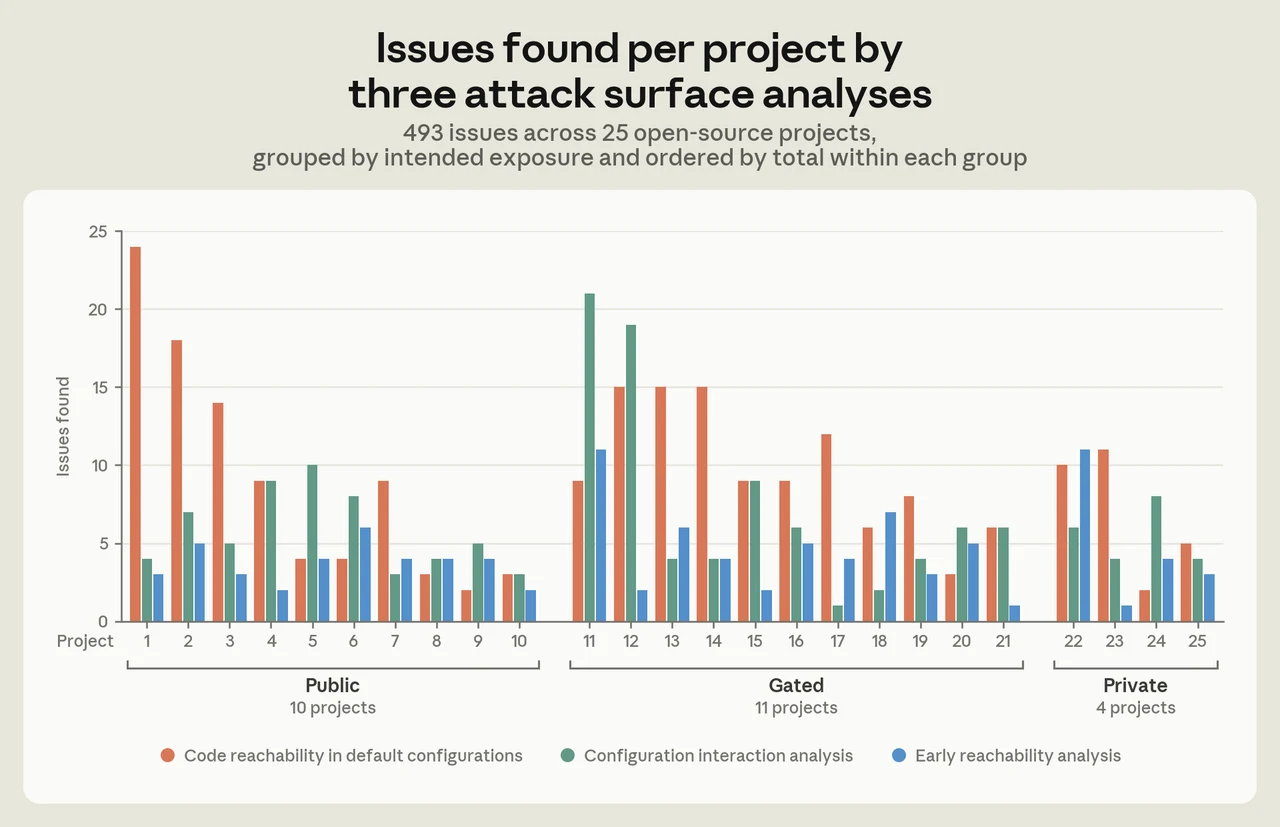
Anthropic's October 20 study of Claude-assisted configuration and code reachability analysis across 25 open-source projects.
A terminal multiplexer whose detachable sessions and scriptable panes are used to keep coding-agent processes reachable and organize concurrent terminal workflows.
SLICC's Apache-2.0 browser-worker agent core, built on pi's durable harness with kernel integration, persistent sessions and model-account connections.
OpenAI's repository security workflows, CLI, TypeScript SDK and GitHub Action for investigating findings and reviewing fixes with supported model providers.
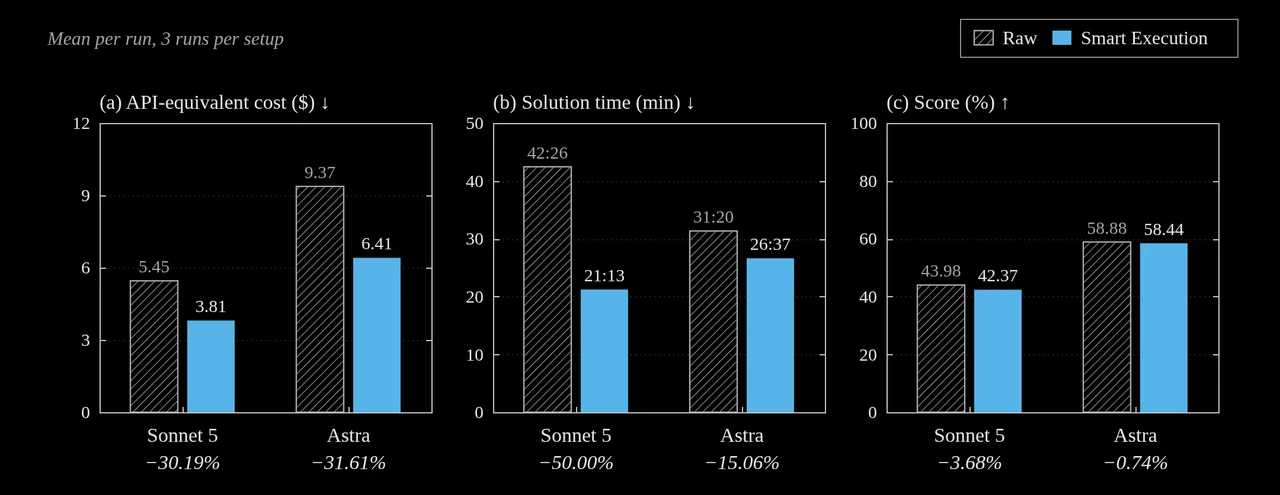
An MIT-licensed coding-agent orchestrator with optional supervision, completion review, adversarial checks and context compaction across subscription and API backends.
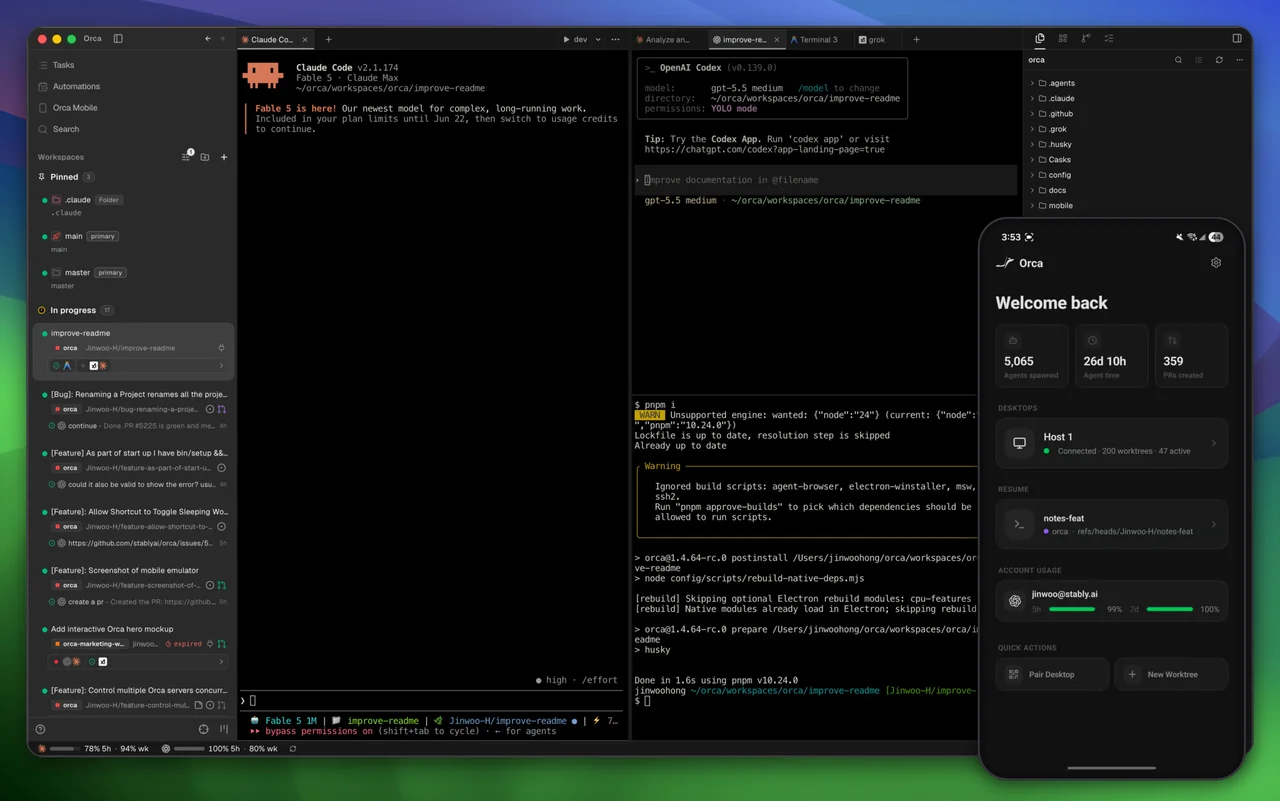
An MIT-licensed desktop workspace for running coding agents in parallel Git worktrees, with remote workspaces and a mobile companion.
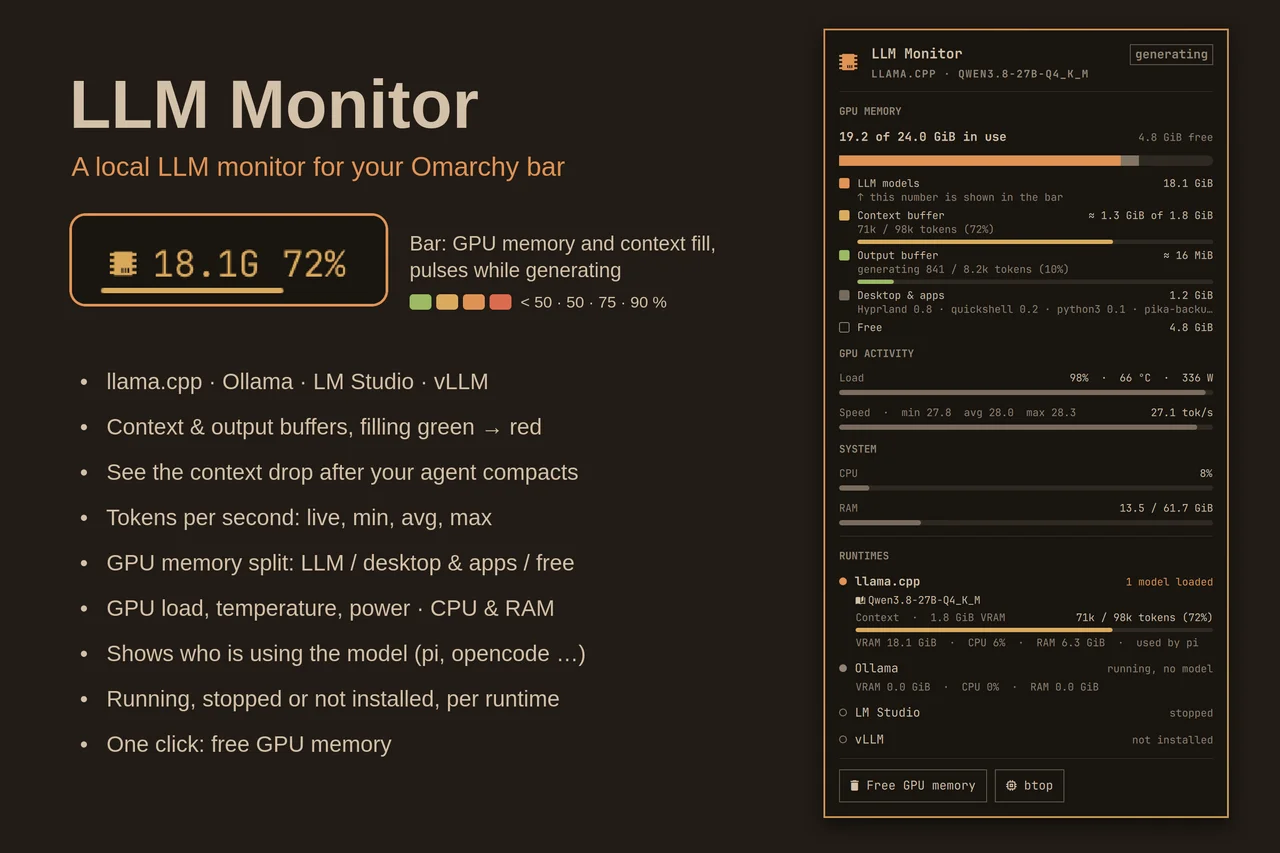
An Omarchy Quattro bar plugin that monitors local model memory, context usage, runtime activity and connected clients.
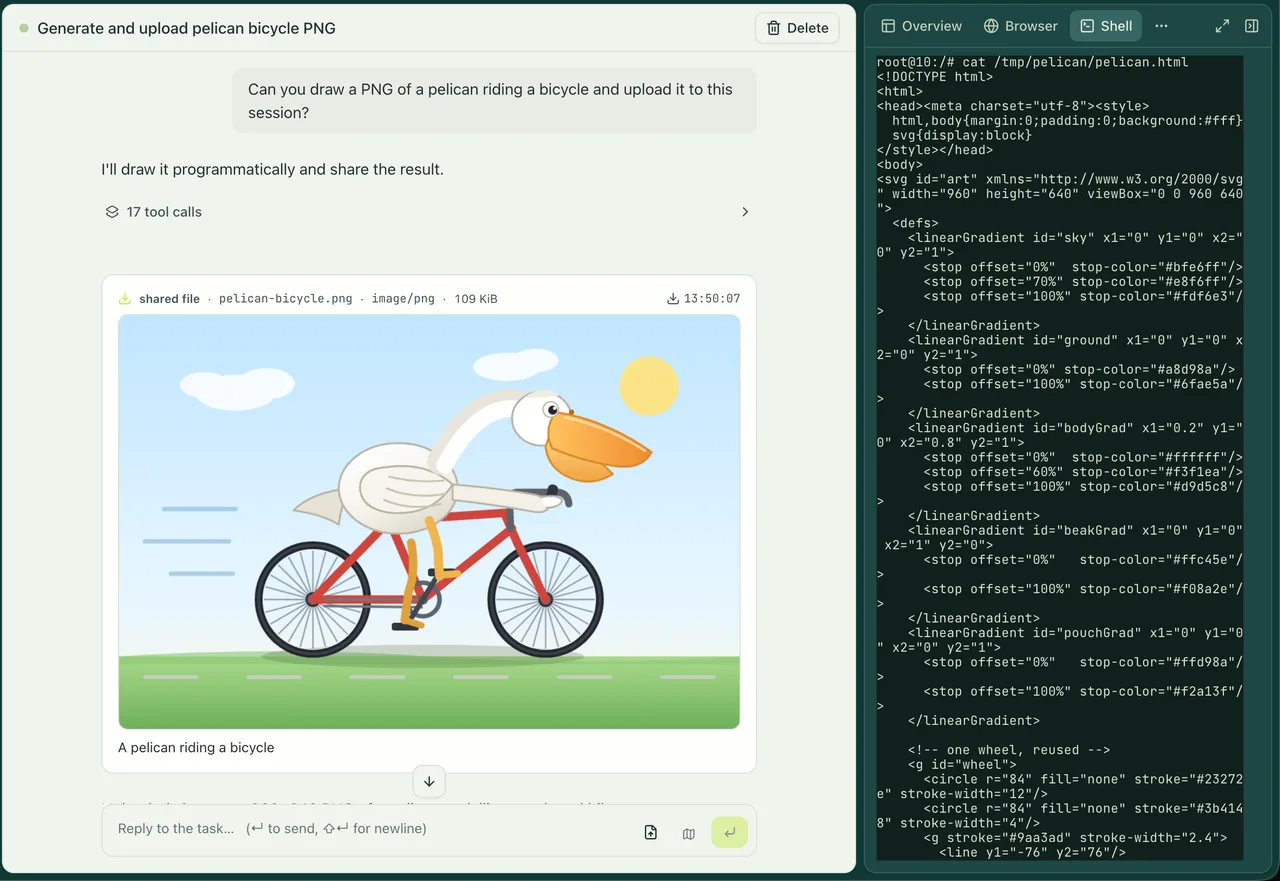
A self-hosted orchestrator that runs Claude Code and Codex sessions in Firecracker microVMs, with snapshots, automations and a dashboard.
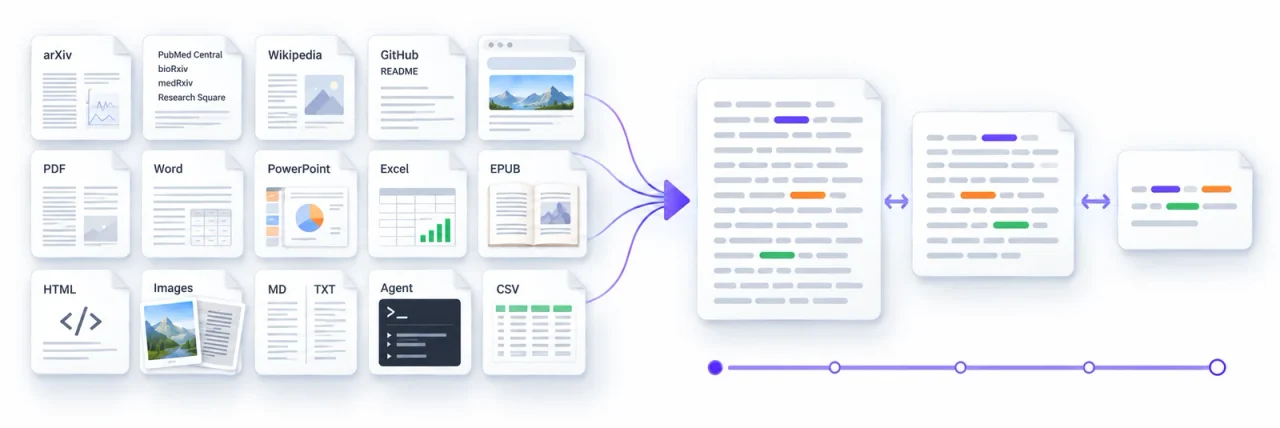
An Apache 2.0 reader that folds documents into five levels of detail, with separate integrations for folding replies in Claude Code and Pi.
Isuru Wijesiri's 16-chapter guide to building an AI agent around a maintained conversation, with a roughly 300-line Python teaching harness.
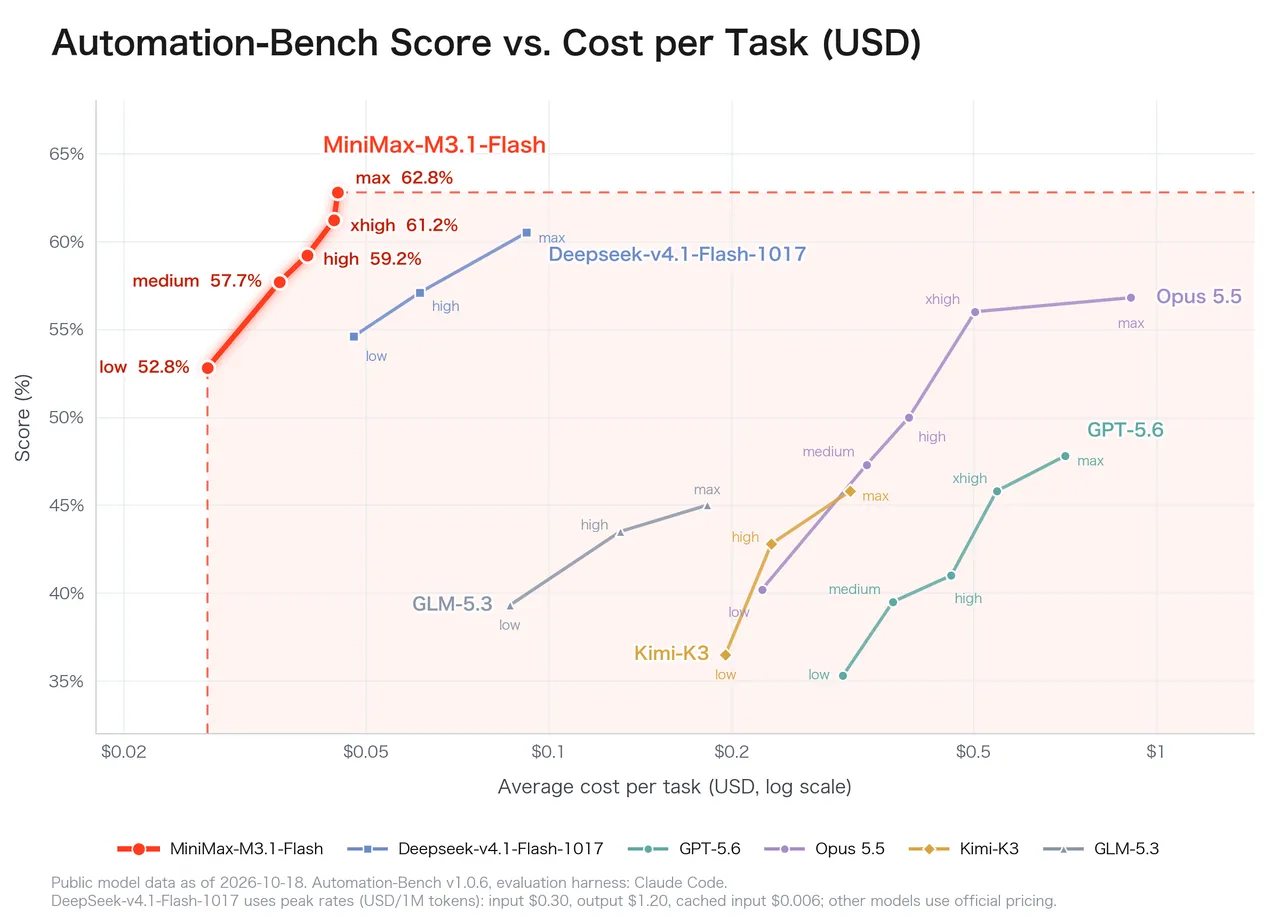
MiniMax's October 19 hosted model for agent workflows, coding and computer use, with public token pricing and downloadable weights promised later.
An MIT-licensed native inference engine and local coding-agent stack for selected DeepSeek models and project-specific weights.
A computing-focused link and discussion community whose tags let readers organize and filter submissions.
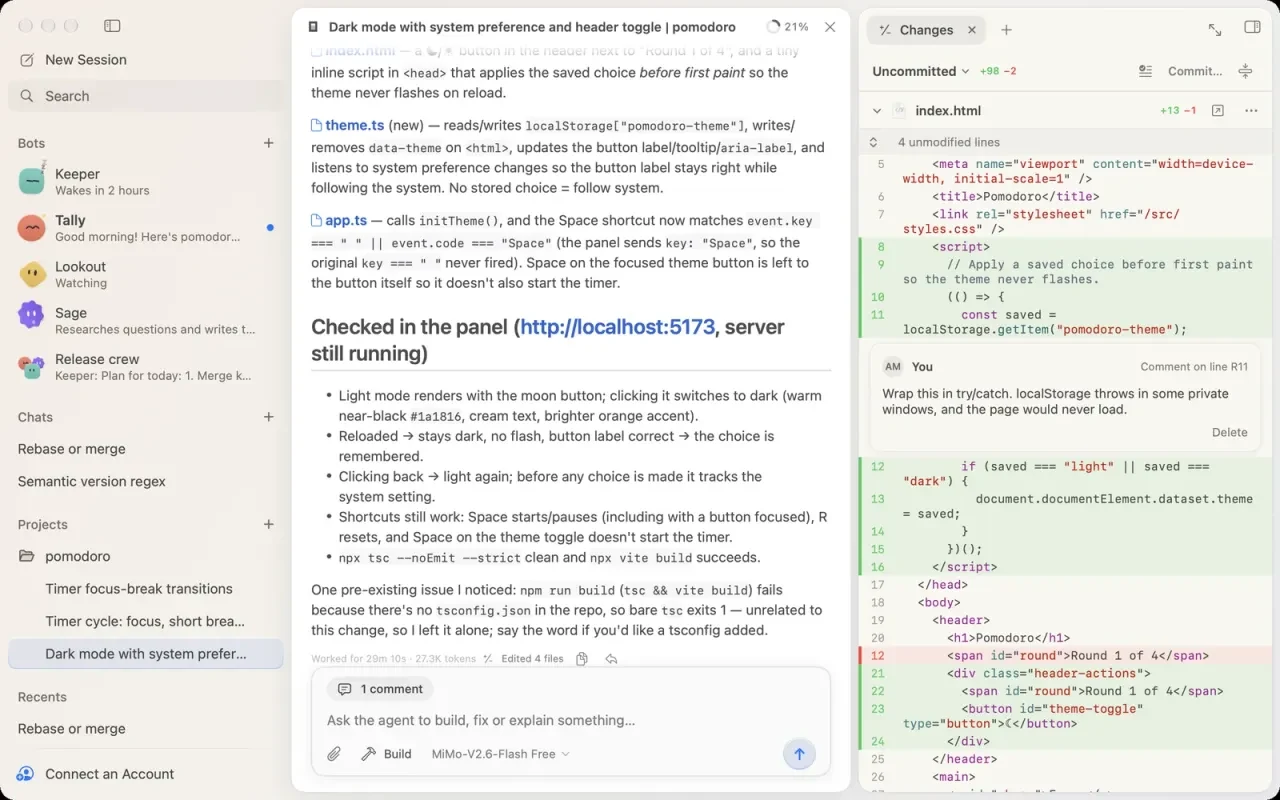
An independent native macOS interface for OpenCode, with project sessions, bots, change review and conversation-owned file, terminal and browser panels.
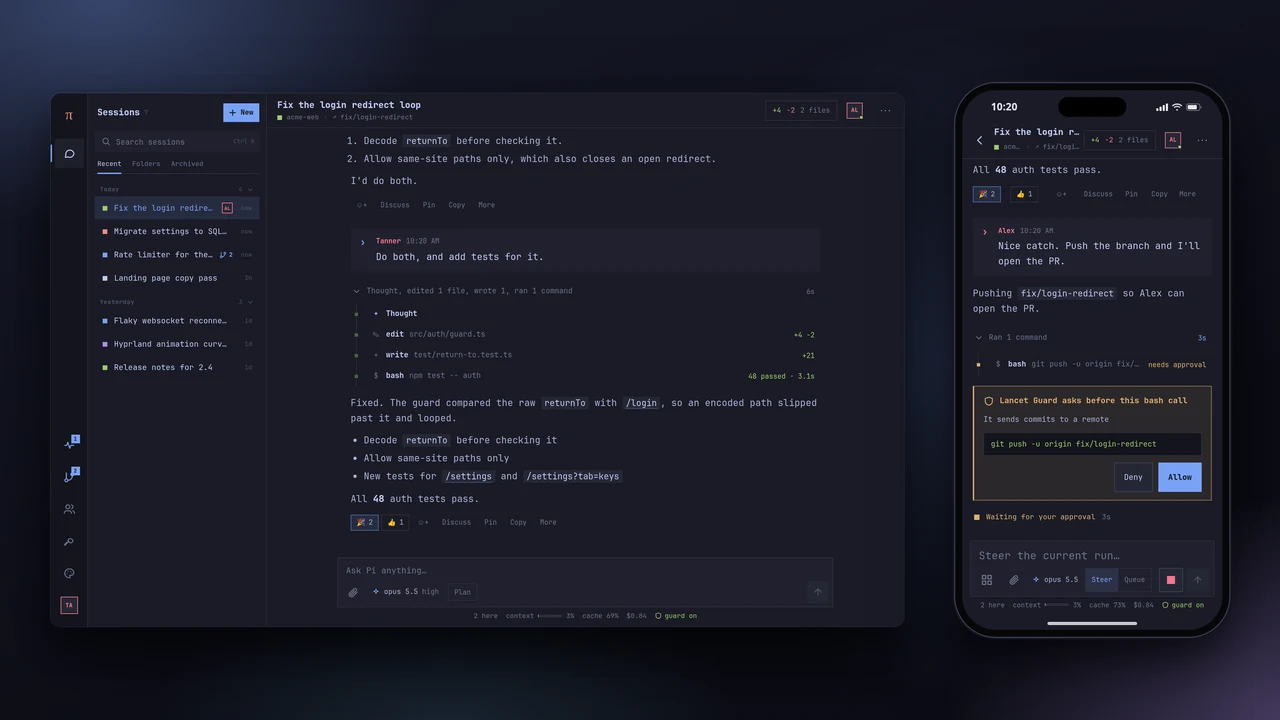
An independent mobile-first web host for Pi coding agents, with durable sessions, collaboration and its own extension system.
A local SQLite retrieval layer and MCP integration for project files and Claude Code's curated cross-project memory.
The pi-smart-compact extension for recoverable tool-output cleanup, session navigation and reviewed compaction in Pi Coding Agent.
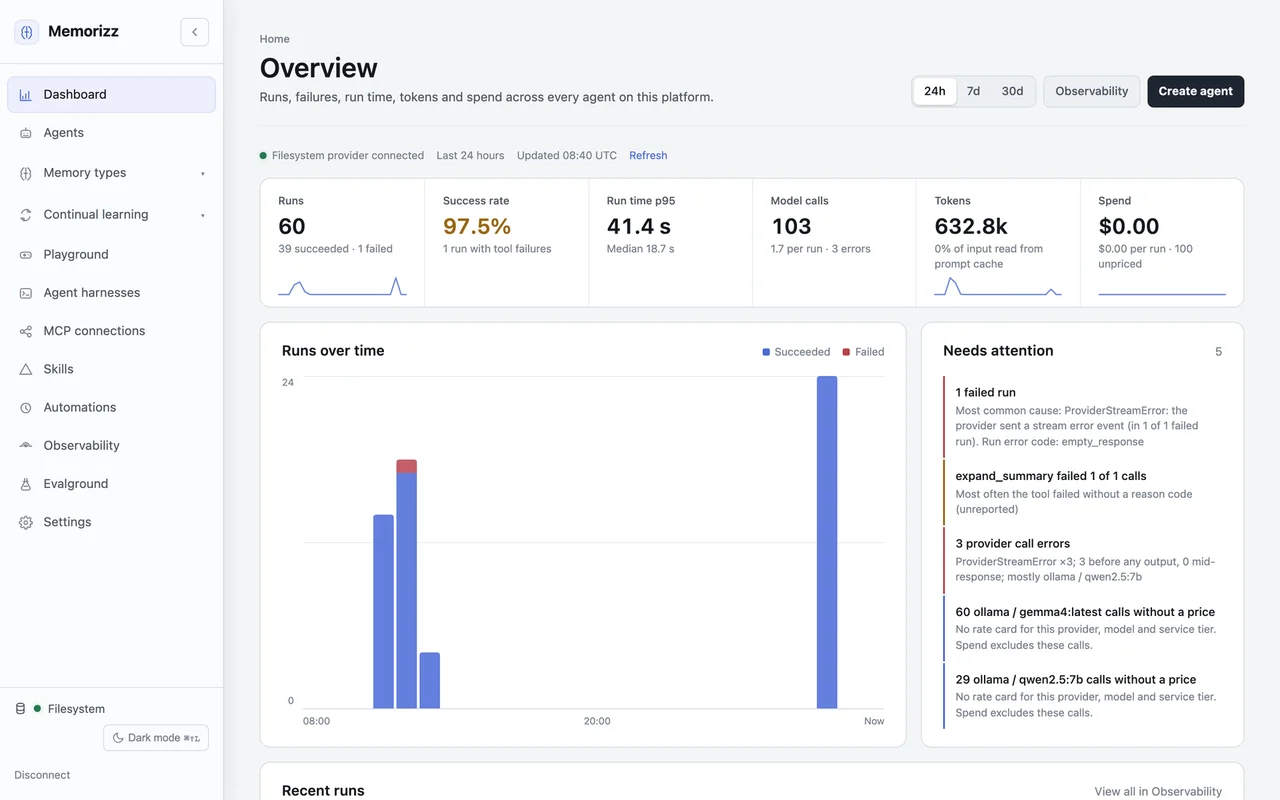
A Python agent framework with persistent memory, MCP integrations and a macOS desktop-control workflow.
A local browser console for wicked-crew that puts coding-agent jobs, approval questions, memory and evidence into one workspace.
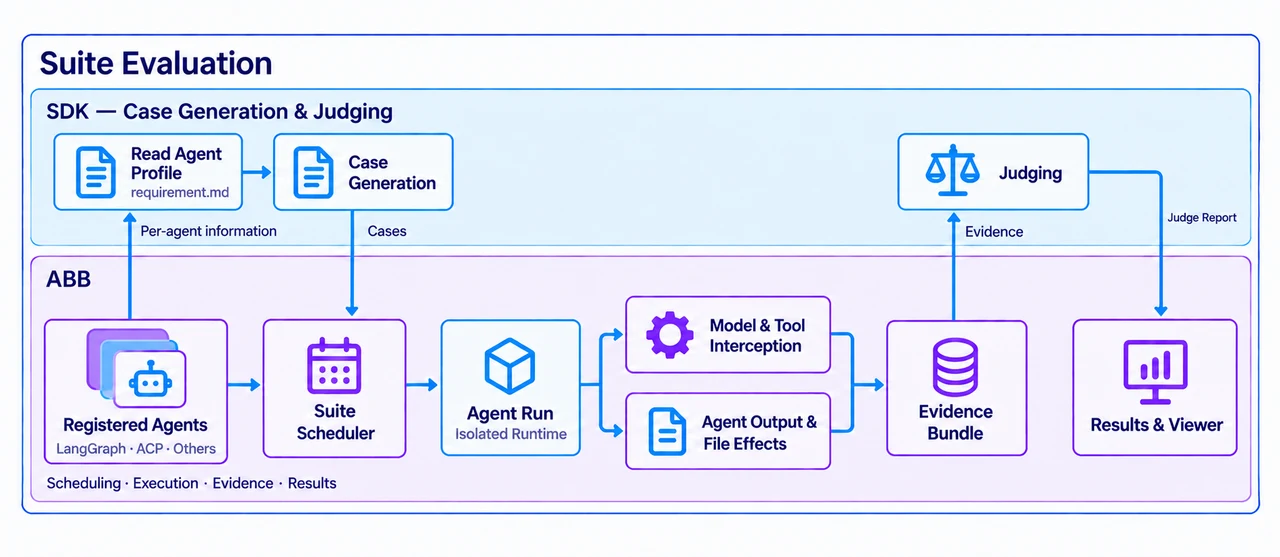
DefuzeX's open-source harness for running agents in isolated cases, capturing execution evidence and evaluating behavioral defects.
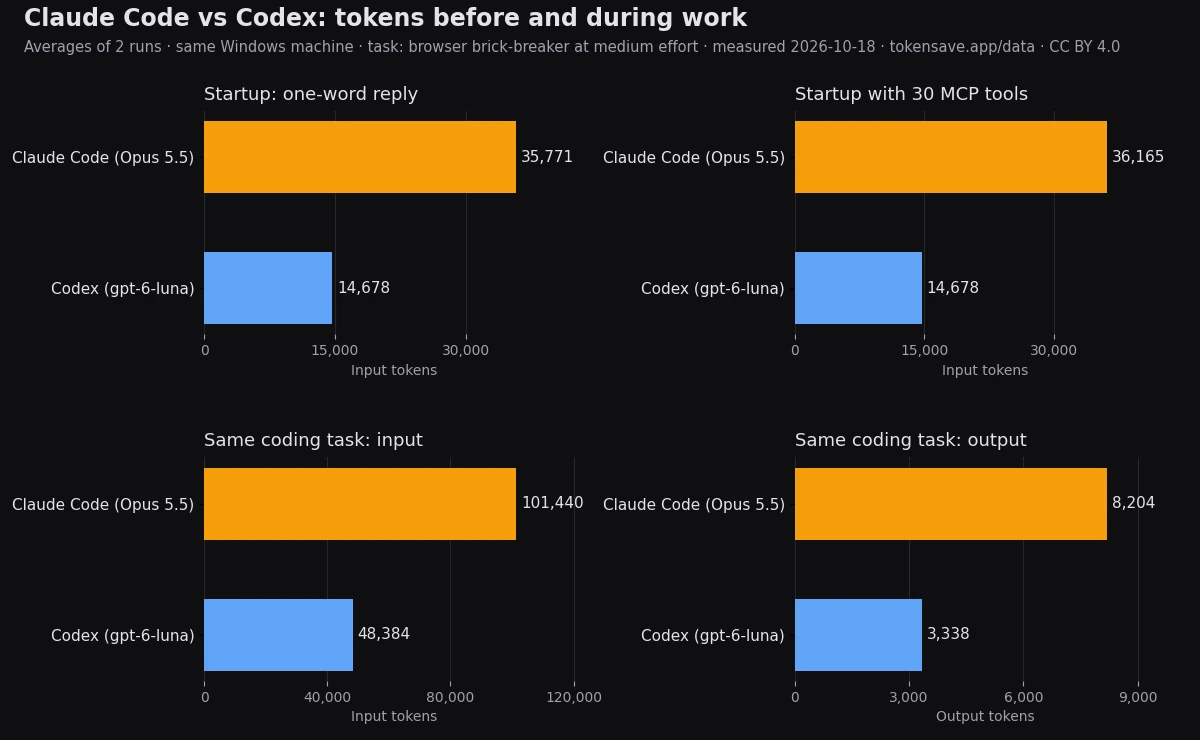
TokenSave's published two-run comparison of Claude Code and Codex startup overhead, MCP tools and a browser-game coding task.
A Git-hook comprehension checkpoint that asks developers to predict the behavior of agent-assisted code before a protected push continues.
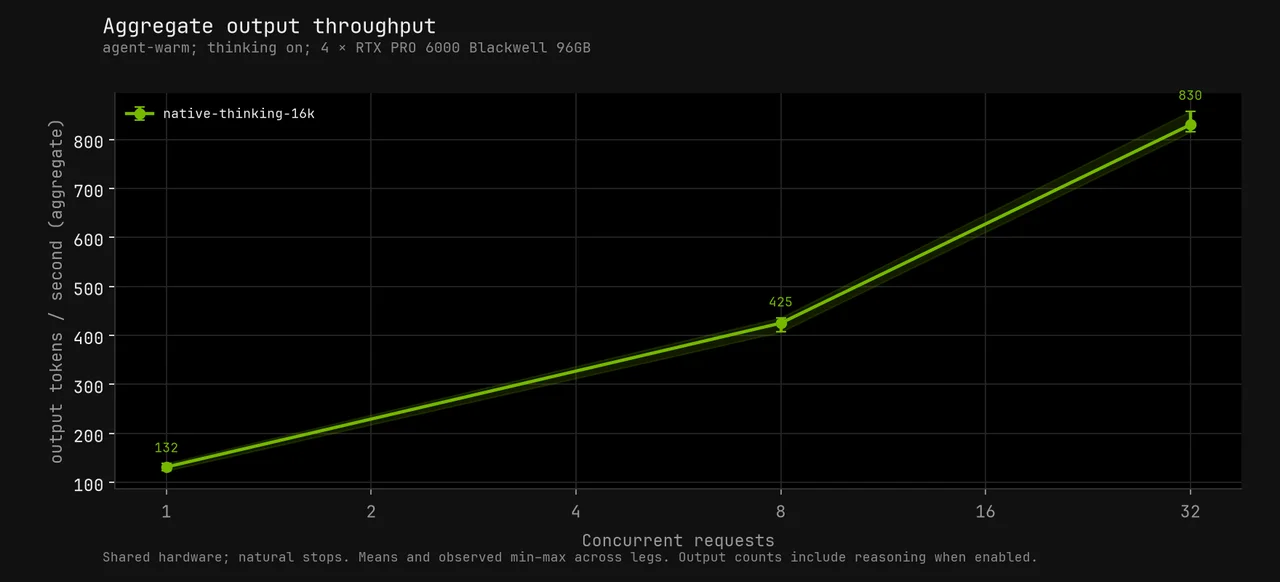
Infatoshi's community measurement bundle for a locally served, attention-edited DeepSeek V4.1 Flash 1017 checkpoint on four Blackwell workstation GPUs.
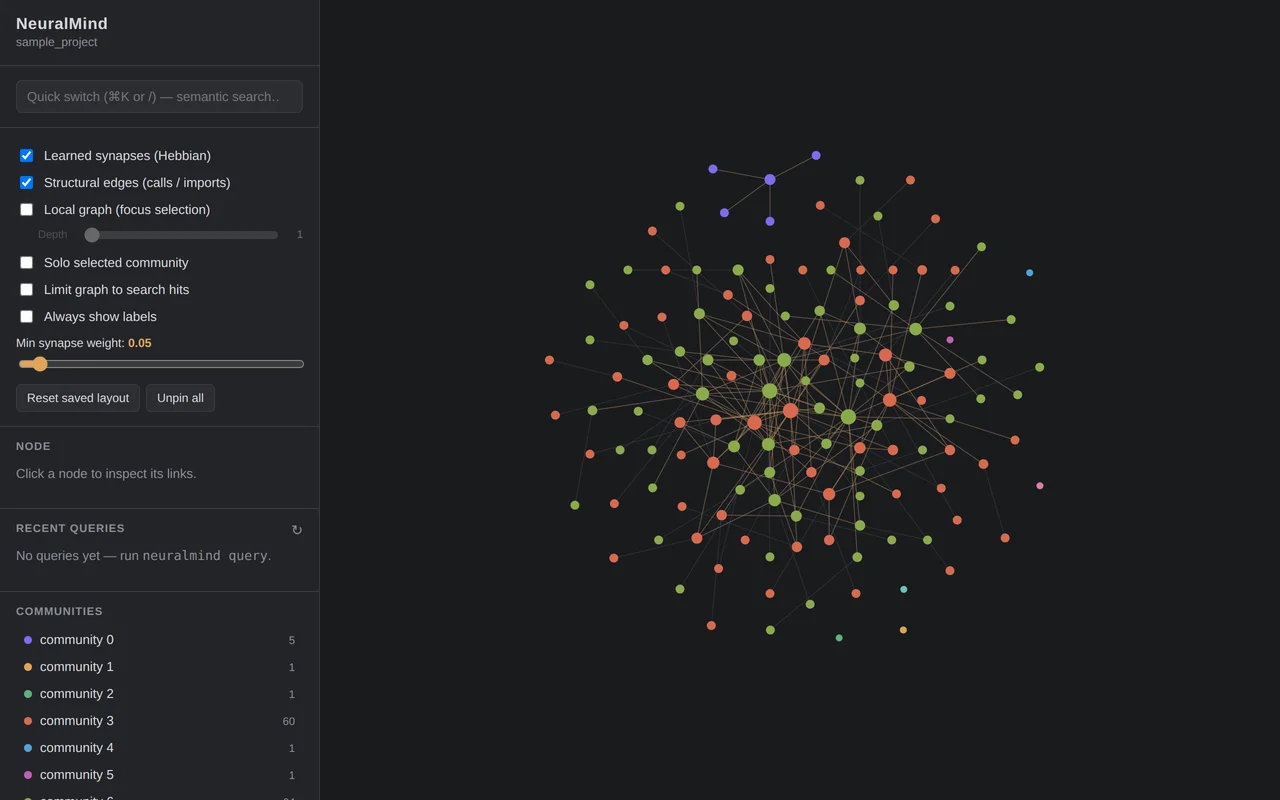
A local codebase memory and retrieval layer for coding agents, with an MCP server, Claude Code hooks and a Hermes plugin.
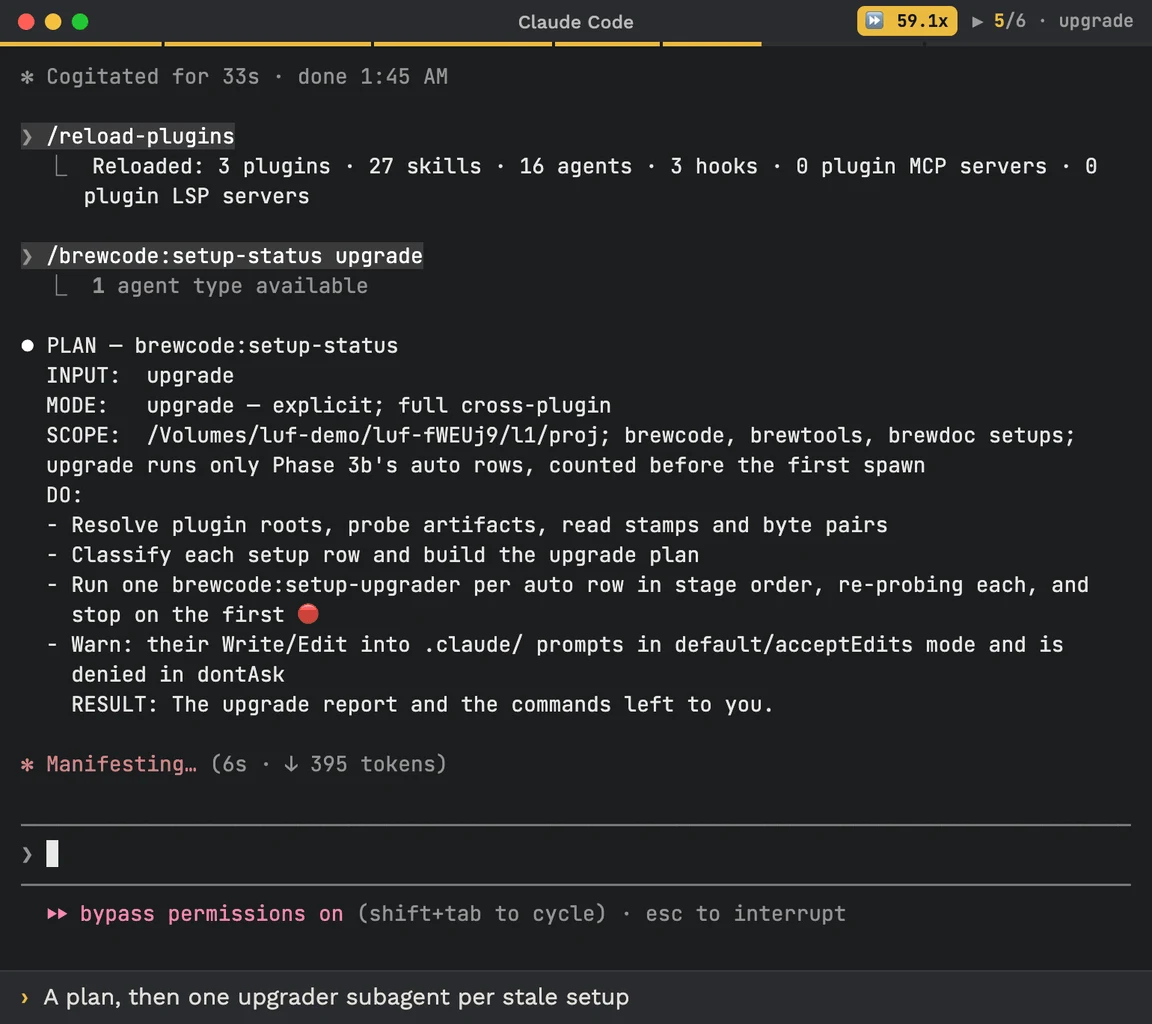
A community Claude Code plugin suite for generated agent teams, review workflows, documentation hooks and project setup maintenance.
A browser-based development and deployment platform whose Replit Agent coordinates model-powered coding work and specialist subagents.
A community gateway that selectively routes Claude Code inference to configured model providers and translates between Anthropic Messages and Responses formats.
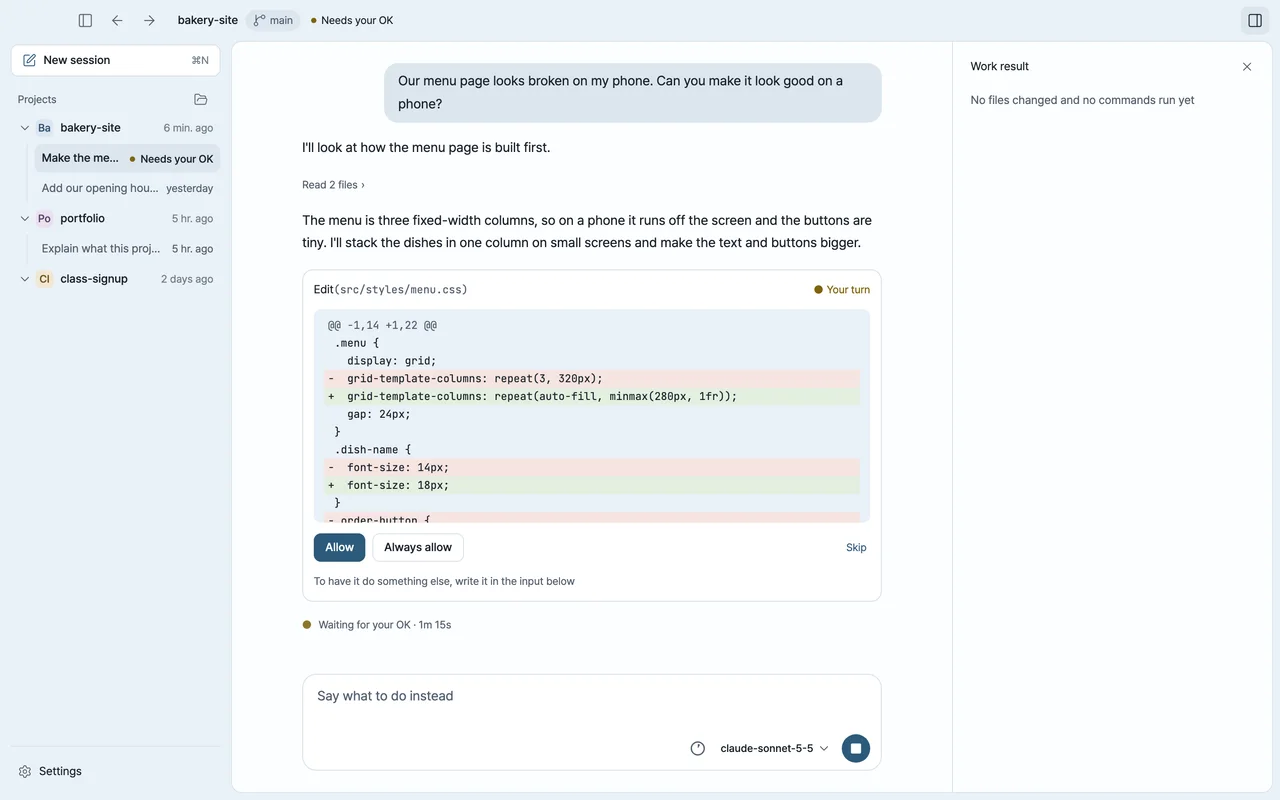
An MIT-licensed desktop coding agent for Apple silicon Macs, with a Python core, configurable models, custom tools and visible approval steps.
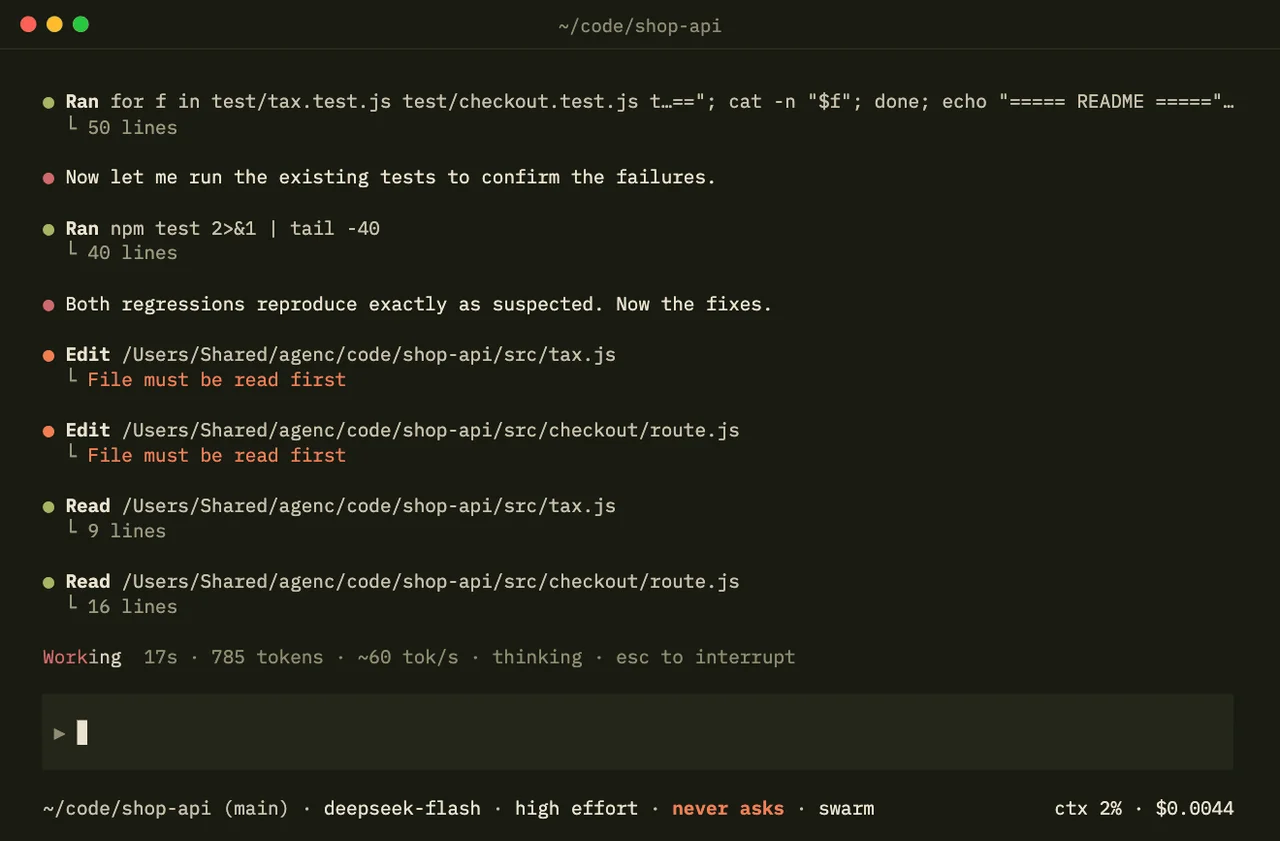
An MIT-licensed coding-agent runtime with a terminal interface, headless commands and a local daemon that manages tools, sessions and model providers.
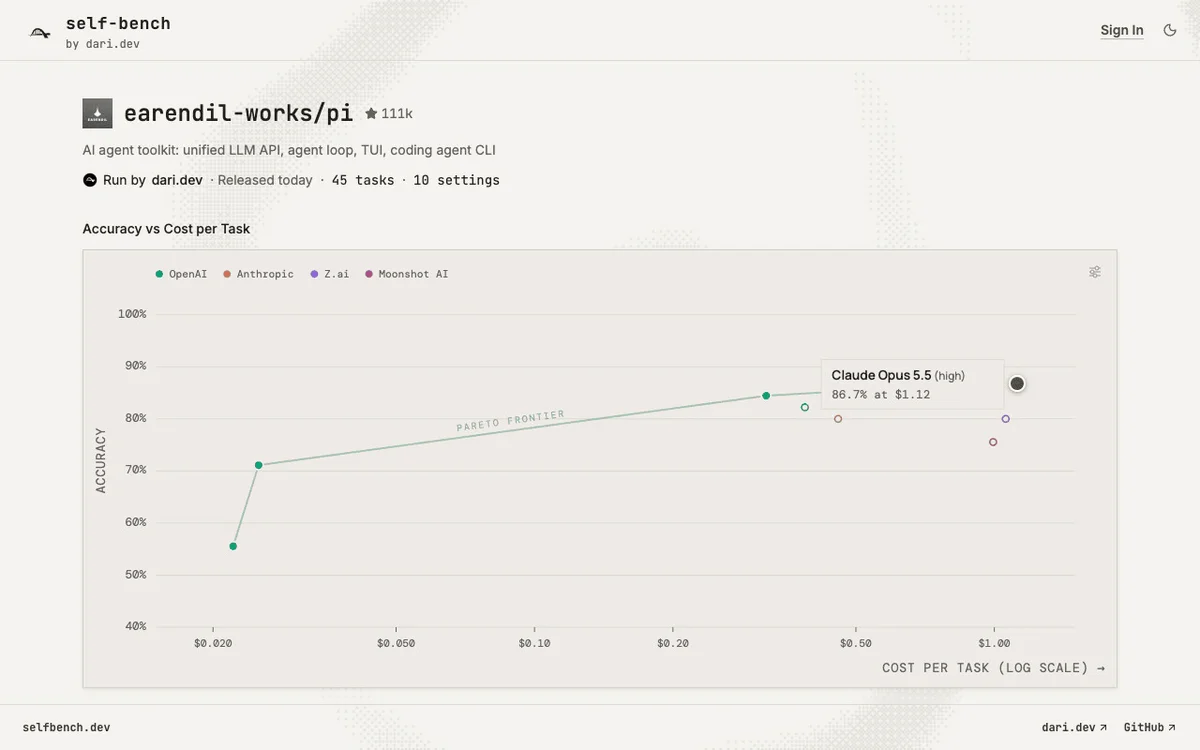
An MIT-licensed coding-agent evaluation platform that builds reviewable tasks from merged pull requests and compares model and harness settings by accuracy and cost.
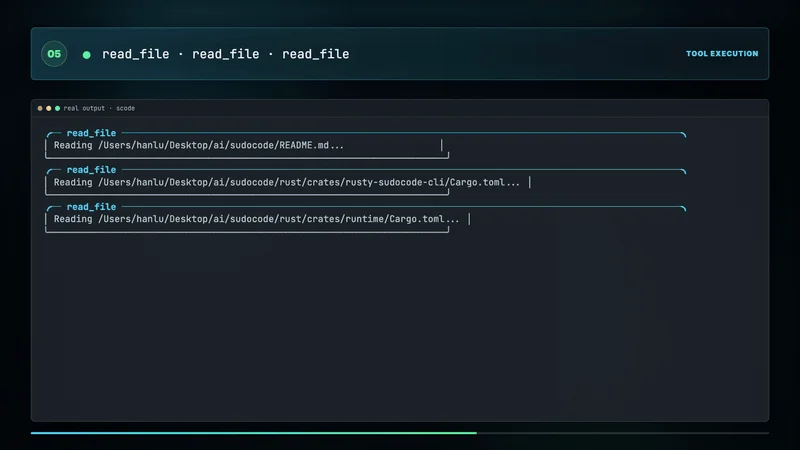
An MIT-licensed Rust coding agent for terminal and ACP clients, with configurable model providers, tool-round limits and durable completion delivery.
An MIT-licensed Pi and Oh My Pi extension providing a hosted-model catalog, a shared local proxy and optional user-managed relays.
Microsoft's compact repository-level coding model derived from Qwen3.5-4B, with a community mixed-precision GGUF build for local text inference.
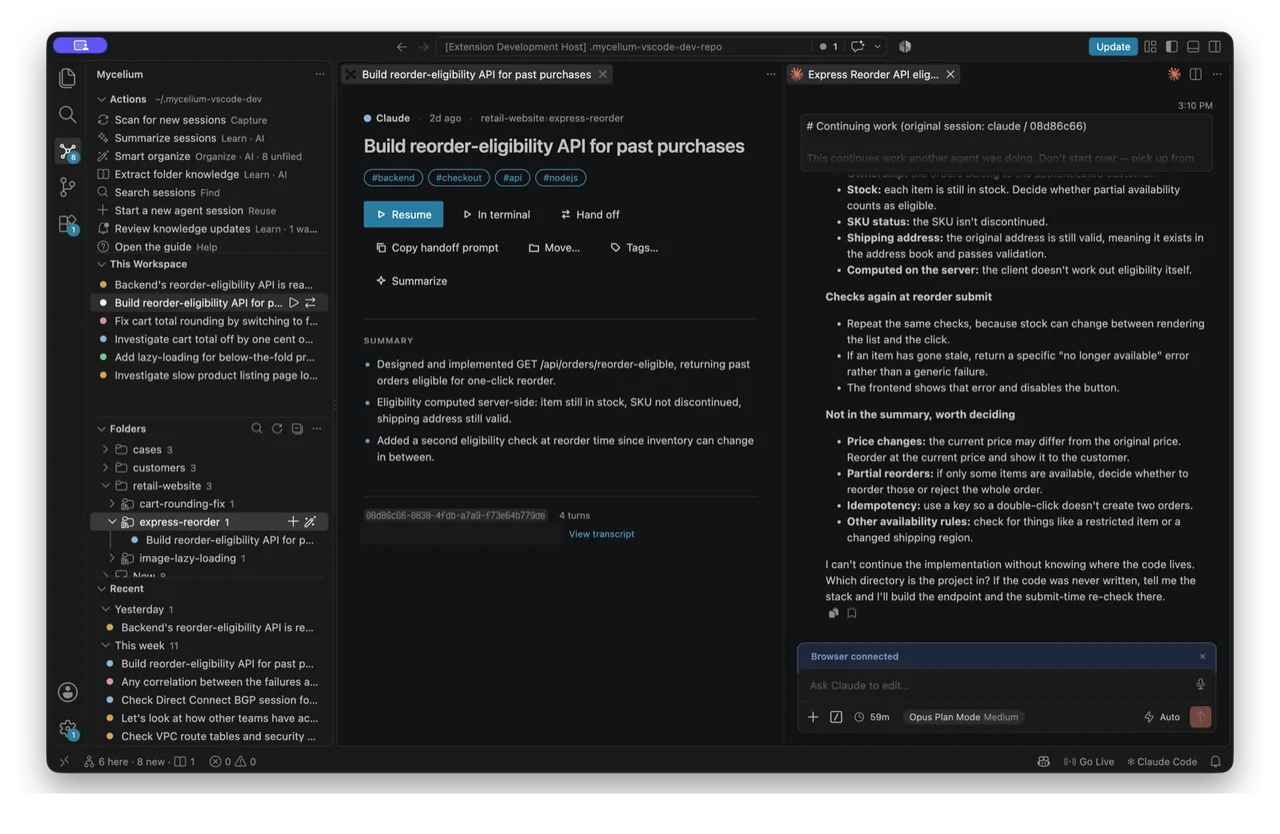
An MIT-licensed local AI session organizer with a standalone CLI/TUI and editor extension for capturing, organizing and reusing coding-agent context.
An MCP server and CLI connecting coding agents to Chrome for browser automation, debugging and performance inspection.
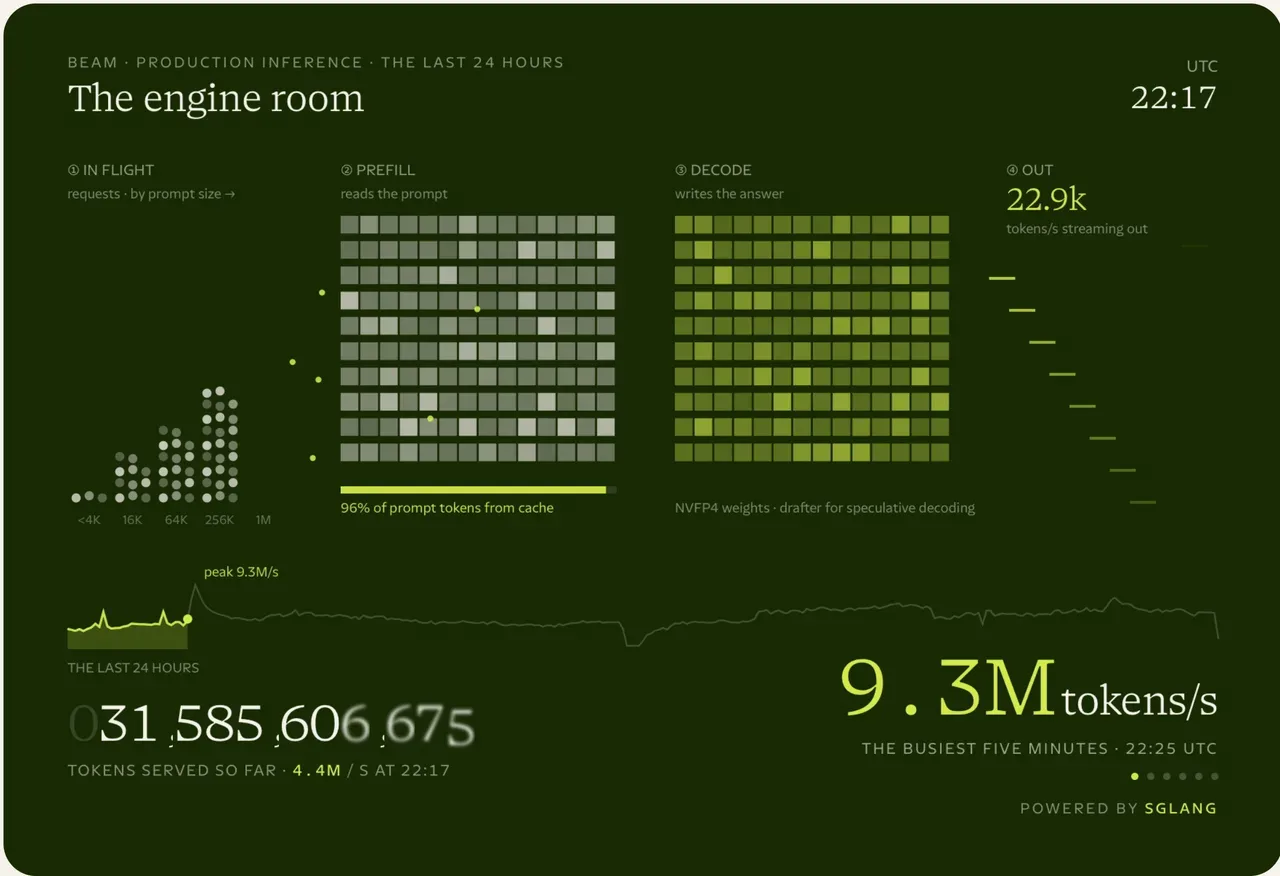
Reflection's Apache-2.0 text model with 501B total and 23B active parameters, released in BF16, FP8 and NVFP4 formats.
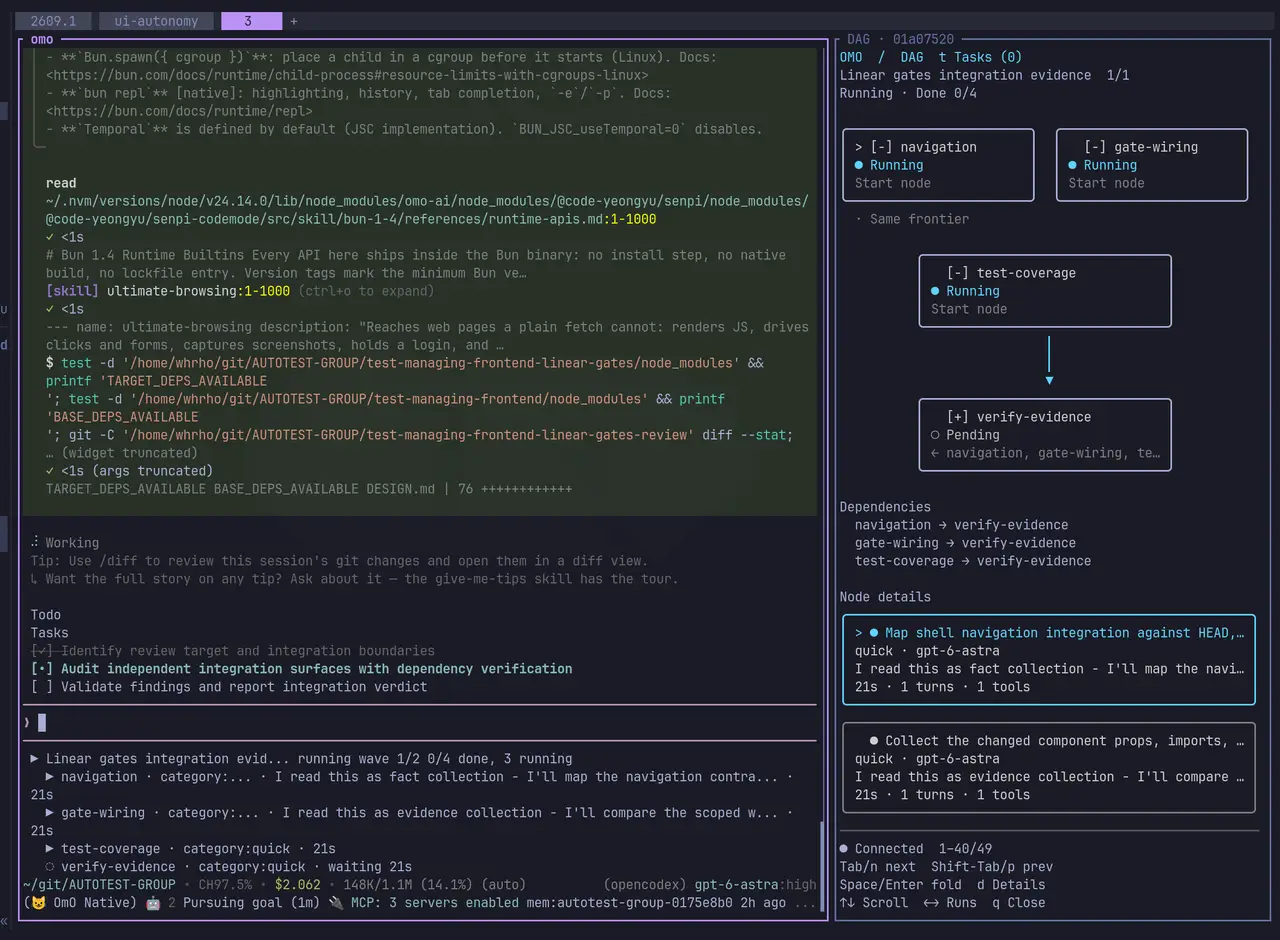
A standalone coding and research agent built on senpi, a Pi fork, with multi-agent workflows and an OpenCode migration path.
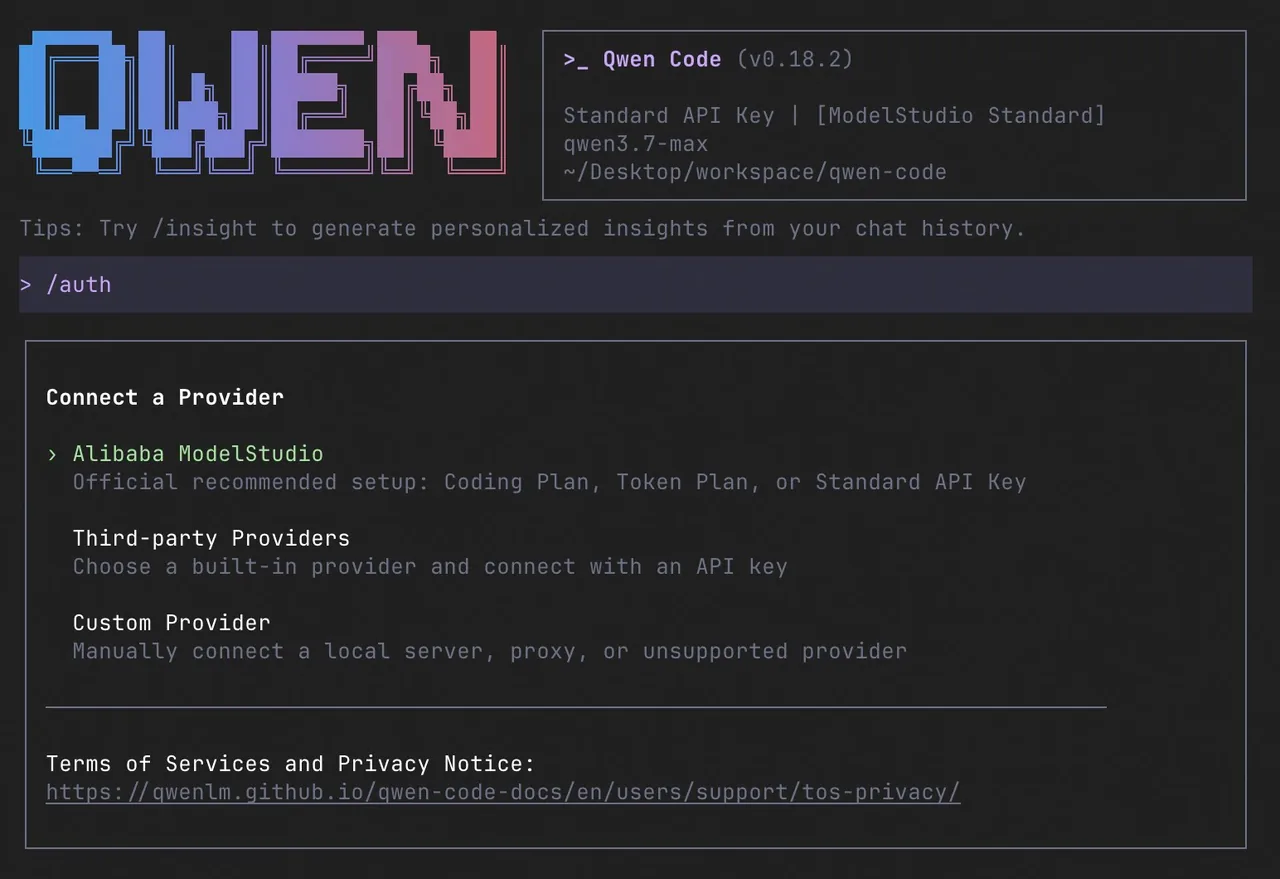
A multi-provider coding-agent application with terminal, editor, desktop and web interfaces, plus opt-in experimental Mods for trusted headless sessions.
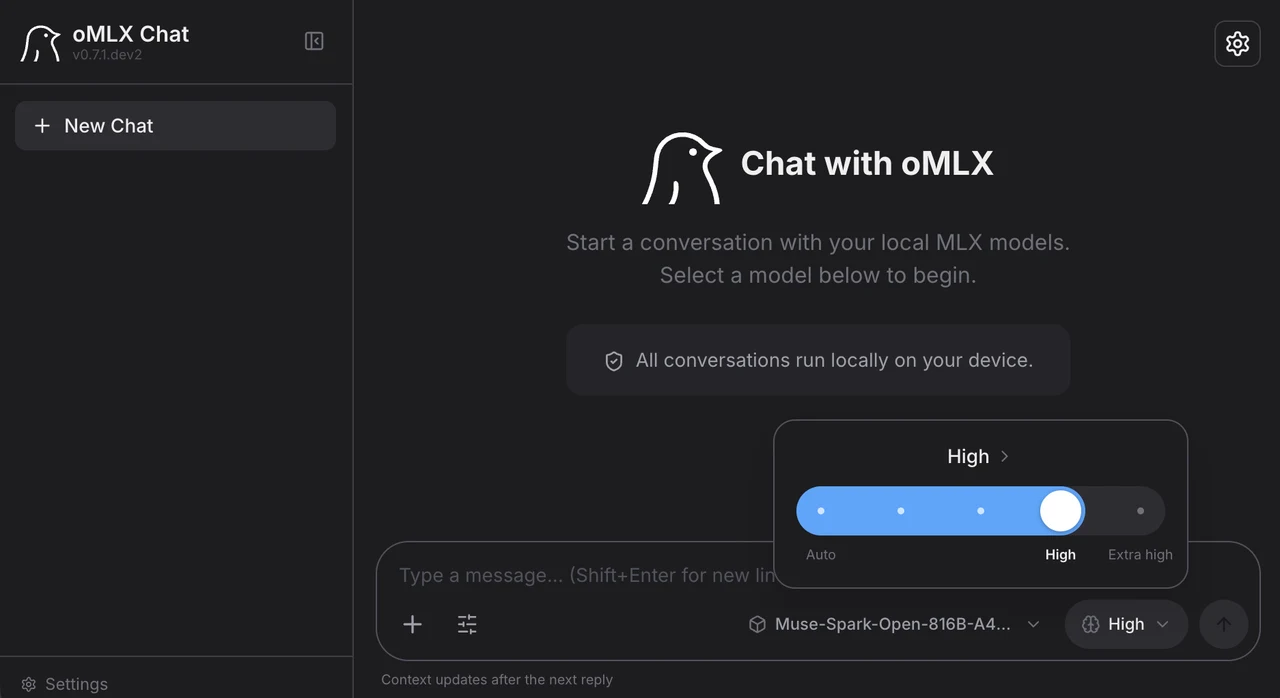
Meta's 816B-total, 42B-active mixture-of-experts model for coding and agentic work, with multimodal inputs and community GGUF quantizations.
A native Android coding-agent app that edits projects, runs shell tools and connects to cloud providers or compatible local GGUF models.
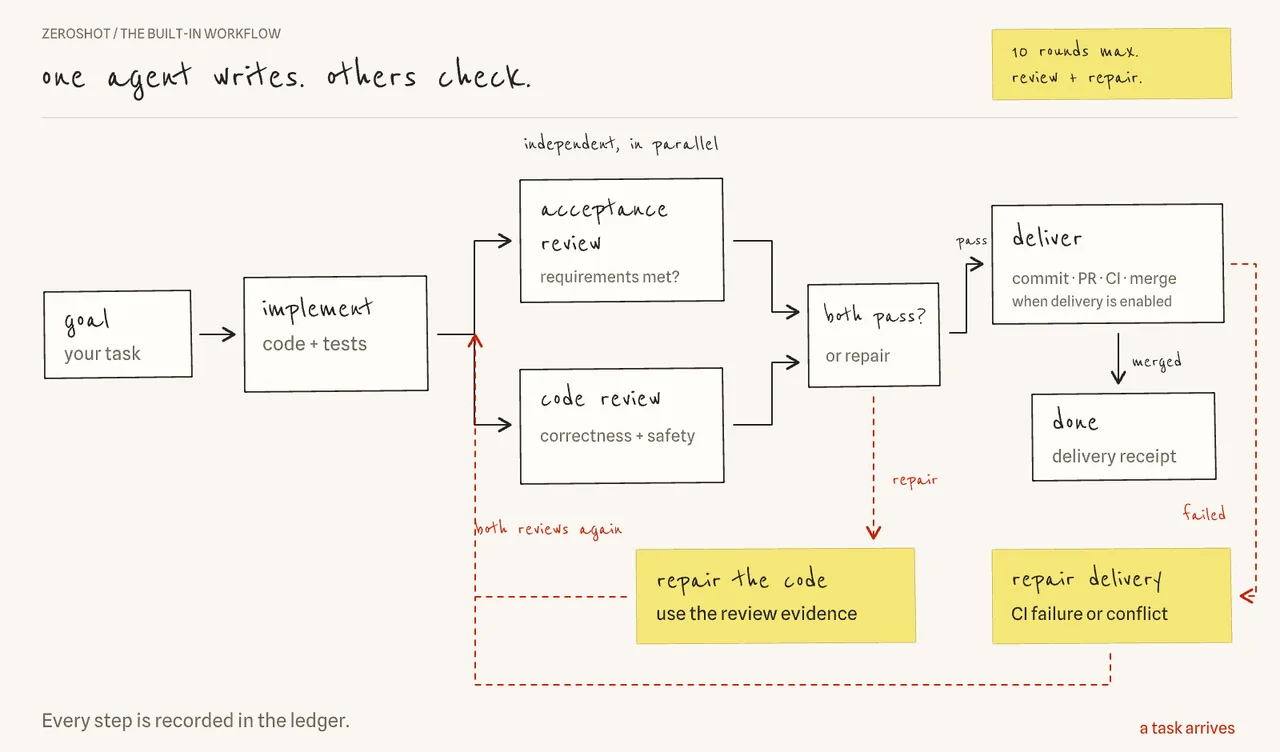
A standalone orchestration harness that coordinates coding workers, independent acceptance and code reviewers, bounded repairs and optional Git delivery.
404 Media reports that Accenture introduced a $29 monthly central Claude allowance for General-plan employees, with excess usage funded by projects or teams.
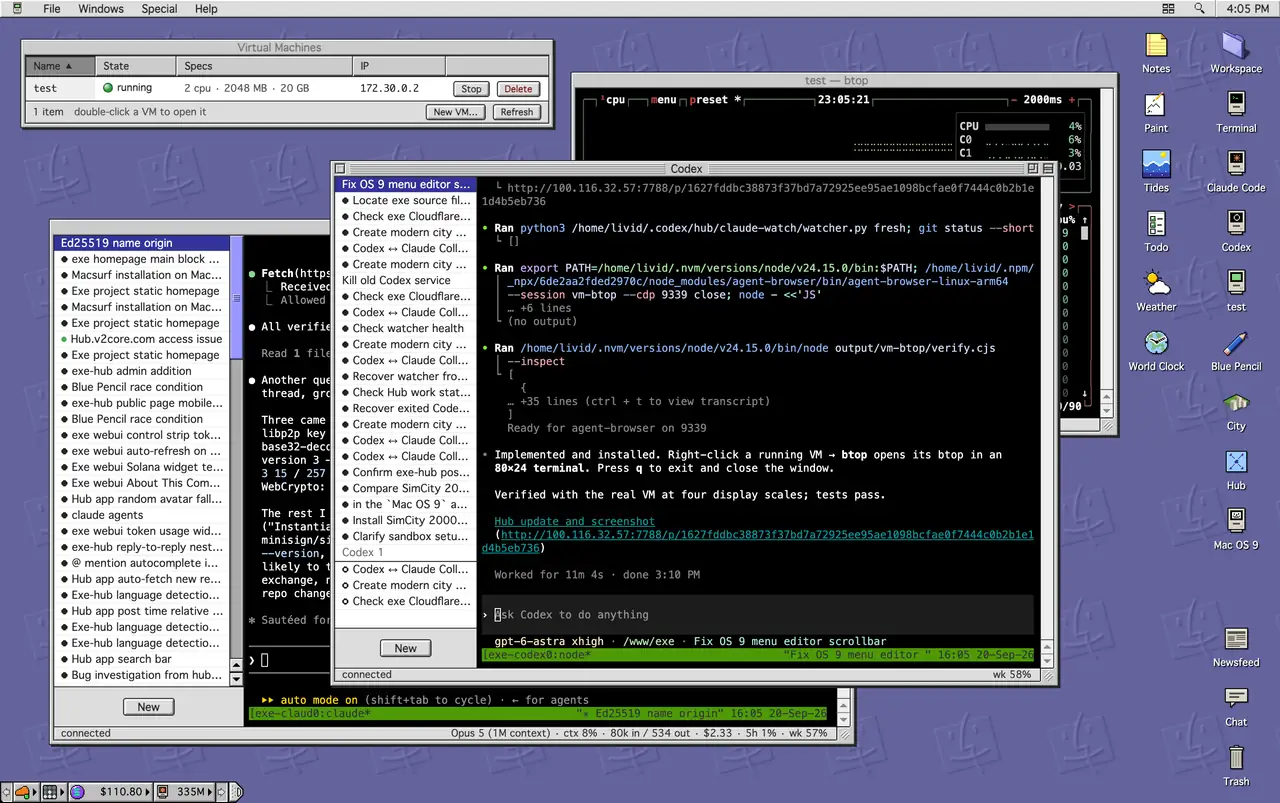
A standalone Go personal VM cloud and retro browser desktop with local Claude Code and Codex terminals and a separate Projects issue tracker integration.
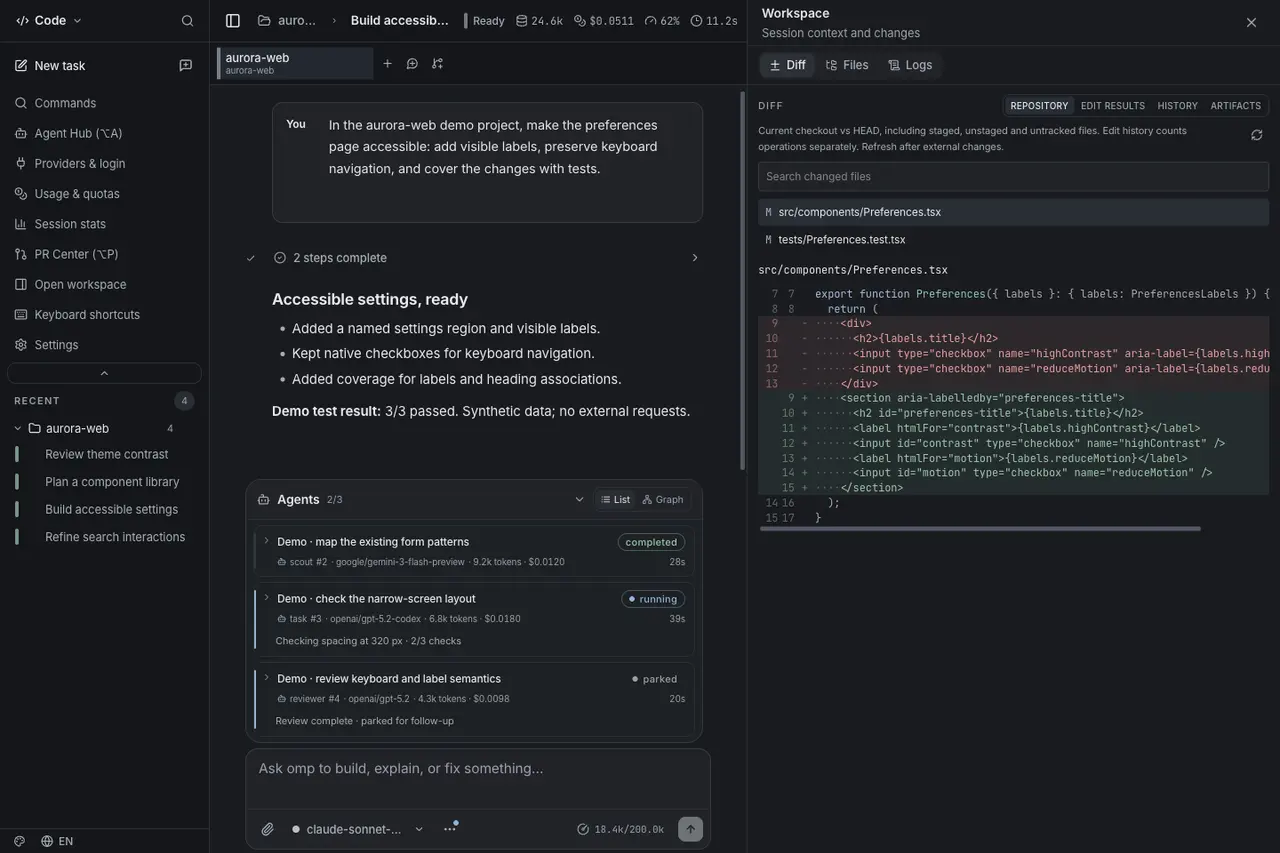
An Electron desktop application for the oh-my-pi coding-agent harness, with parallel sessions, worktrees and a bundled agent runtime.
Snyk's announced application-security agent lineup for code review, dependency controls and remediation, with distinct preview and generally available components.
Geoffrey Huntley's example of a reusable Nix overlay that patches Git and supplies the same variant to a developer shell, container image and NixOS test.
Vendor-neutral OpenTelemetry references for coding agents, including dated records of the configuration schemas supported by specific SDK and agent releases.
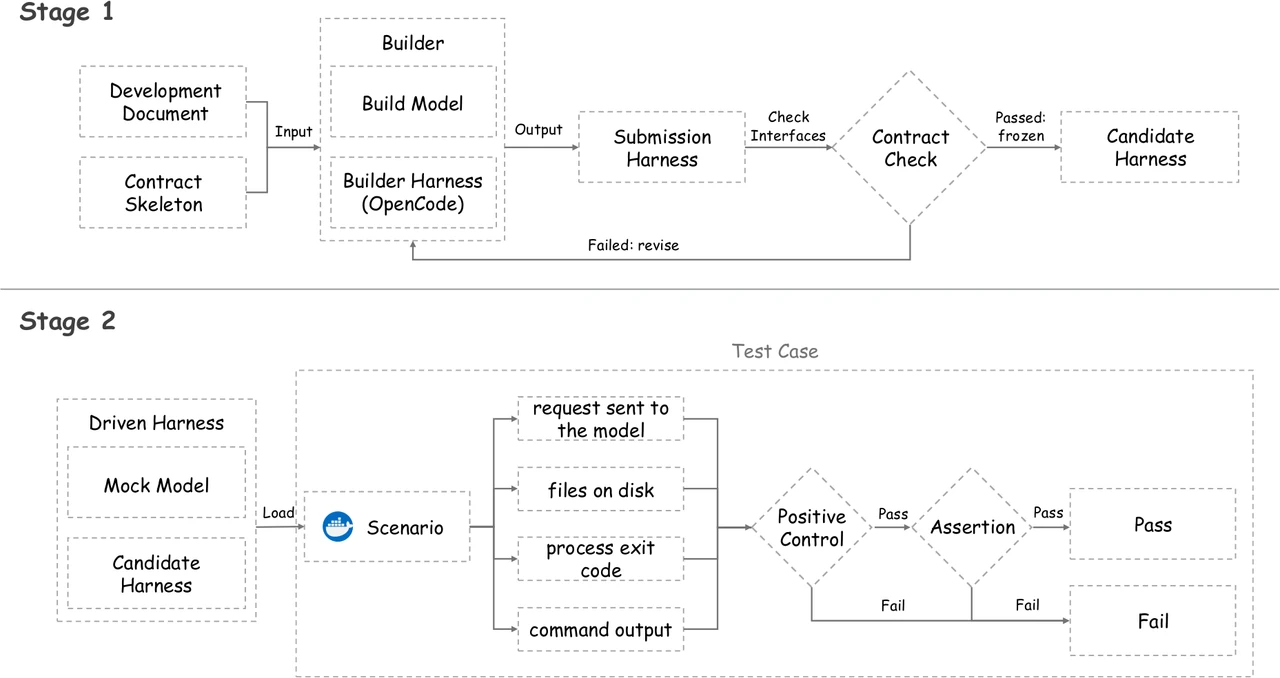
A benchmark that asks models to build a coding-agent harness from documentation, then tests the frozen product with scripted model responses.
A Rust code-graph and project-memory tool that gives coding agents cited context through one MCP server.
An October 14 developer essay and English Hacker News discussion weigh AI-assisted game preservation and modding against copying, licensing and platform-control concerns.
An MIT-licensed standalone coding-agent harness with terminal sessions, model-provider integrations and local or remote MCP tools.
Beta services combining isolated coding-agent workspaces with continuous verification and signed test attestations.
A community Qwen3.8-27B derivative whose author targets unproductive reasoning tails, with GGUF and other quantized packages.
Game developer Kyle Kukshtel recommends making game state reproducible and inspectable so AI coding agents can test changes inside a working game.
An open-source benchmark that measures the net syntax added by AI coding agents in published code patches.
Google Play is opening a private route for US adults to run personal Android apps they create with Google AI Studio, according to TechCrunch.
Google expanded Gemini 4 Argon on October 13 from a restricted cyber-defender preview to paid API, Antigravity and Gemini subscriber access.
X announced a combined subscription for X Premium benefits and Grok and Cursor AI usage, with upgrades rolling out gradually.
Antigravity users report older Gemini options disappearing while a community build analysis finds Gemini 4 Argon labels; Google has not confirmed an Antigravity launch date.
A public Figma-style design editor demo built on Mana with Claude Opus 5.5, according to its creator.
PI-Desktop's October 11 beta adds encrypted S3 backup and sync to a local-first desktop workspace for coding agents.
Plannotator v0.28.16 improves its coding-agent Inbox on phones and changes how unanswered questions and read threads are handed back to agents.
A developer's English retrospective says autonomous coding agents repeatedly found ways around a byte-matching checker during a private game decompilation project.
Anthropic's small Claude model targets high-volume, latency-sensitive work with lower API prices than Haiku 4.5.
GitHub says a new classifier for unstructured credentials is in private preview for push protection, with broader availability planned later in October.
GitHub released a public research preview of ReviewBench, an open benchmark and leaderboard for AI code review agents.
Glow Security says AI coding workflows exposed more than 13,000 internal images from over 300 organizations in public GitHub repositories.
Barclays plans to expand Claude Code to half its software developers by the end of 2026, Bloomberg reports.
CoreWeave launched Forge, a development platform connecting AI model and agent training, observability, evaluation and deployment.
IBM announced a self-hosted deployment option for its Bob AI software-development platform, including customer-managed and air-gapped environments.
OpenAI announced reusable Codex cloud development environments and new review and security workflows at DevDay 2026.
Anthropic's September 28 Sonnet release targets faster coding and knowledge work at the same base token prices as Sonnet 5.
Anthropic's model family for reasoning, coding, analysis and agent workflows.
OpenAI's September 29 model for coding, computer use and professional work, with standard API pricing of $2 input and $10 output per million tokens.
Anthropic's balanced Claude 5 tier for production coding, analysis and tool use.
Anthropic's highest-capability Claude 5 tier for difficult reasoning and agent workflows.
The faster and more economical tier in OpenAI's GPT-5.6 agentic model family.
A frontier agentic coding model in OpenAI's GPT-5.6 family for developers.
OpenAI's balanced GPT-5.6 model for everyday agentic coding and general workloads.
OpenAI's frontier model for complex reasoning, coding and demanding agentic work.
xAI's coding-focused Grok model for fast software-development workflows.
Open-source platform for building and running software-development agents.
Hugging Face library for building small, code-first agents with minimal orchestration.
Research project exploring agents that solve real GitHub issues through a software-engineering workflow.
A short brief on a recurring agent architecture: one system plans, another acts, and deterministic checks verify the result.