Qwen3.8 27B
Qwen's dense 27B open-weight model for multilingual reasoning and generation.
- By
- Qwen
- Access
- Downloadable checkpoint
- License
- apache-2.0
- Deployment
- Downloadable weights
Signal 7M downloads / 16.6K likes
self-hostedai-agents 2 sources
304 entities · 46 projects · 117 tools · 45 models · 96 news
Qwen's dense 27B open-weight model for multilingual reasoning and generation.
A fast Qwen3.8 checkpoint built for efficient agent and assistant workloads.
DeepSeek's open V4 Pro checkpoint for advanced general reasoning and generation.
An Apache-2.0 System One model for classification, routing, scoring and guardrails.
NVIDIA's 120B mixture-of-experts Nemotron checkpoint for open reasoning workloads.
Z.ai's coding agent harness. Powerful, intelligent, extensible.
Mistral AI's 128B-class open model for capable general-purpose inference.
Use ChatGPT as the planning brain while keeping the Codex harness.
Continual learning infrastructure for self-improving agents.
Free and open-source CapCut replacement that supports MCP servers.
Selection-first web agent for Chrome: select on the live page, describe the outcome, get an editable file.
An agent organisation structured as a company: 15+ departments, 125+ independently installable skills.
Open-source AI agent for social media: discover trends, create content, publish everywhere, learn what works.
Deterministic verification for AI output: it proposes, deterministic tools decide, every claim checked against ground truth.
Casbin AI and MCP security gateway for HTTP traffic.
An open-source coordination protocol that catches intent conflicts between parallel coding agents.
A compact Microsoft research checkpoint focused on agentic computer-use tasks.
H Company's 27B agent model combines graphical interfaces, code, MCP and APIs; its downloadable checkpoint carries a noncommercial license.
Self-hosted AI workspace with agents, skills and tools that runs on your own provider keys.
A public test-input export for multimodal agents making 3D mechanical assembly decisions, GUI actions and bounded minimal-rework choices.
An unnamed forthcoming Nothing productivity tool, promised for December 2026 by Carl Pei; specifications and pricing remain undisclosed.
A community Hermes Agent plugin that checks changed Markdown for repetitive English prose patterns and asks the agent to revise.

A detective game with fictional crimes in real cities and AI suspects that answer players' own questions.
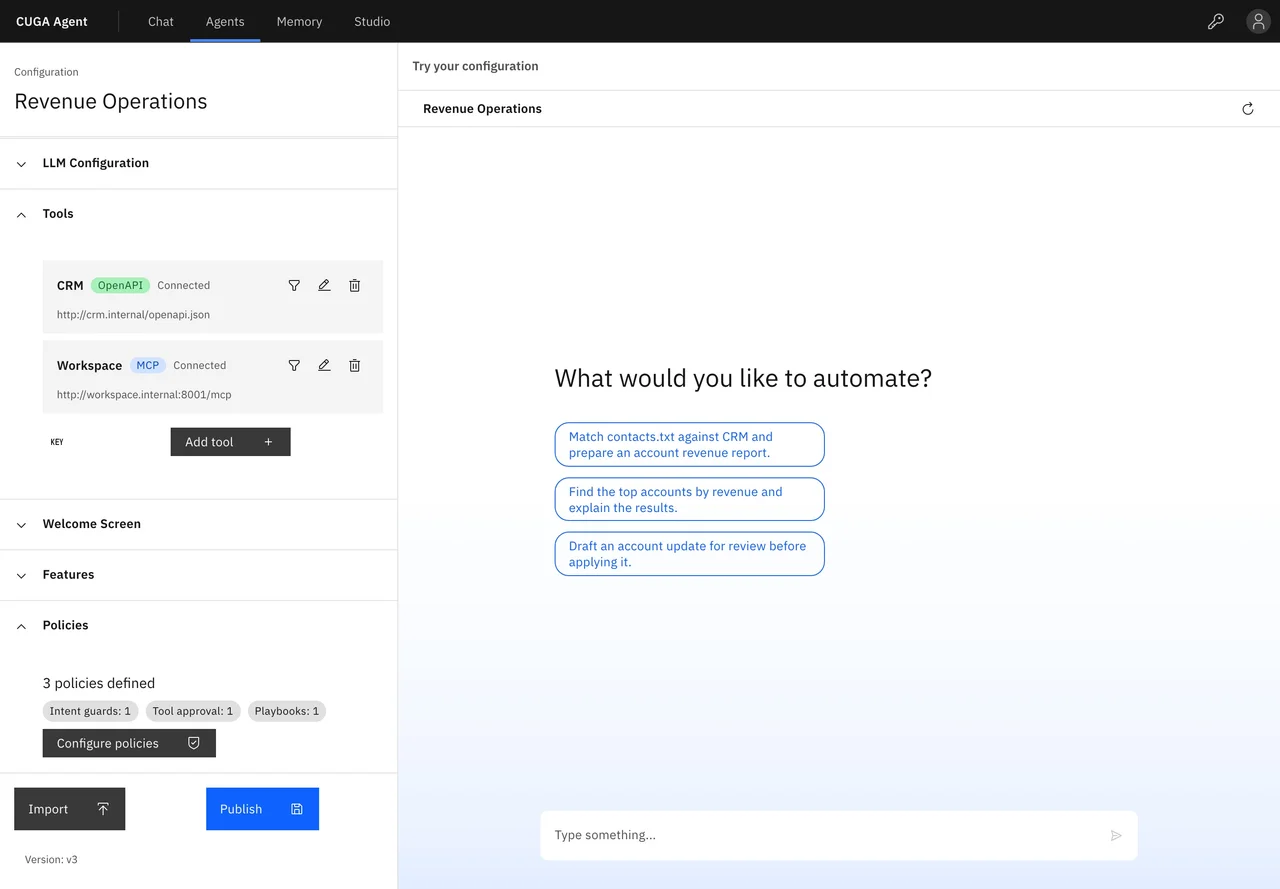
IBM's Apache-2.0 generalist-agent harness for cross-application business workflows, configurable tools, execution policies and private deployment.
Loova's commercial MCP integration for calling image and video models and reusable marketing-asset workflows from compatible agents.
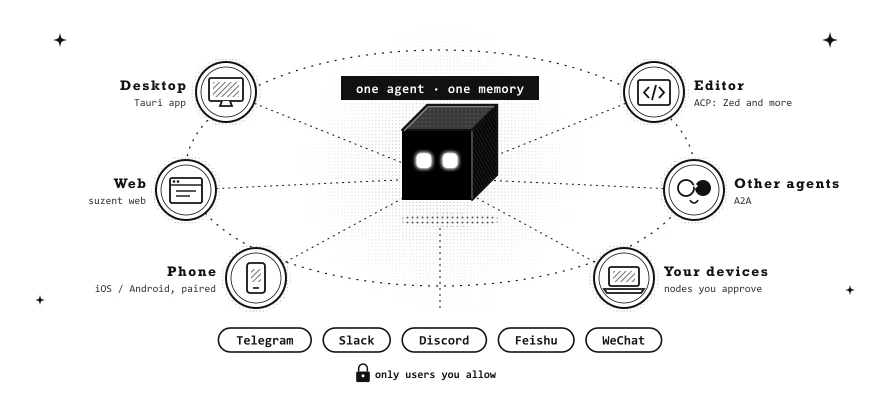
A local-first personal agent application with file-based memory, configurable model providers, permission modes and a paired mobile preview.
A commercial camera-guided retail execution agent that Pensa says identifies shelf issues and prioritizes frontline merchandising tasks.
An MIT-licensed local SQLite memory layer for coding agents, with hooks, an MCP server and rule capture from user corrections.
Gartner's forecast that open-weight models will execute 90% of enterprise operational agent workflow steps by 2030, as reported by The Register.
A commercial agent platform for managed IT support, combining ticket context, device telemetry and governed diagnostics and fixes.
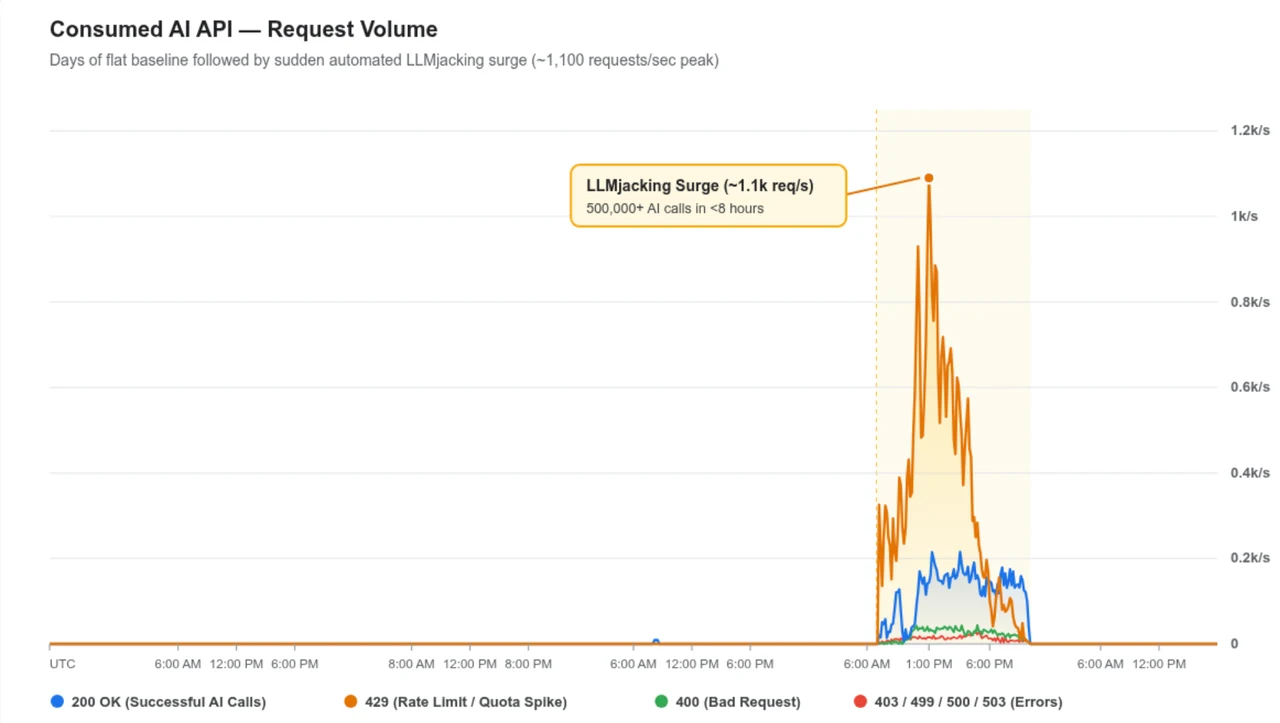
Google investigators report stolen cloud and model access being resold through LLM mixers, with fraudulent charges exceeding $100,000 in a day and some victim totals reaching $1 million.
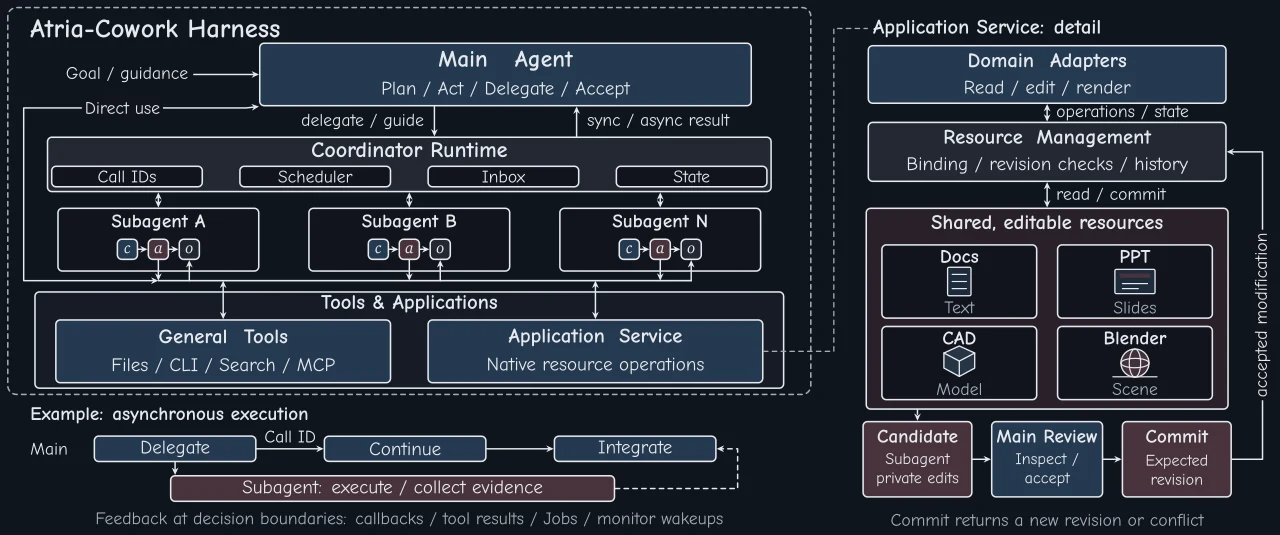
A local agent harness for delegated work, shared editable artifacts and resumable jobs, with a Mac desktop and a macOS/Linux CLI.

A community toy-model family with expressive small chat models and a custom Hive architecture that links a queen and shared-weight workers through hidden states.
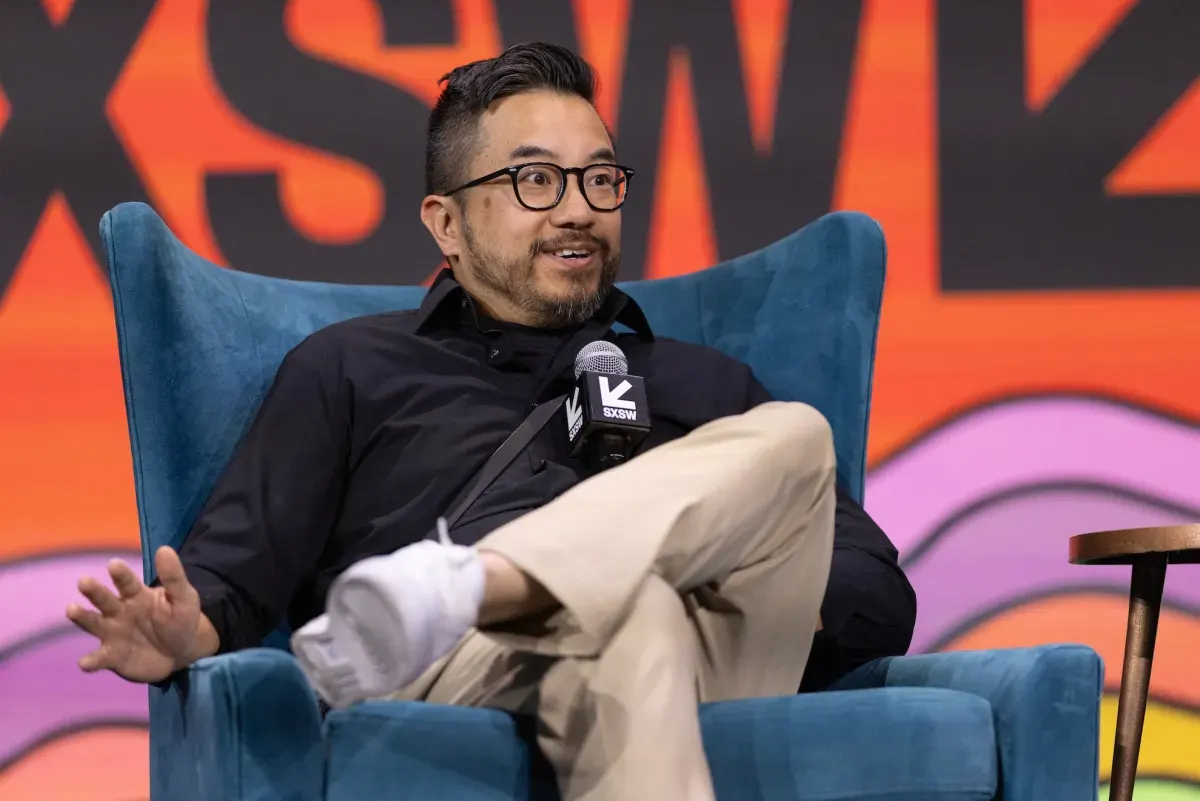
TechCrunch reports that Garry Tan estimates spending roughly $100,000 to $200,000 a year on AI tokens, while arguing that personal agents need to become cheaper.
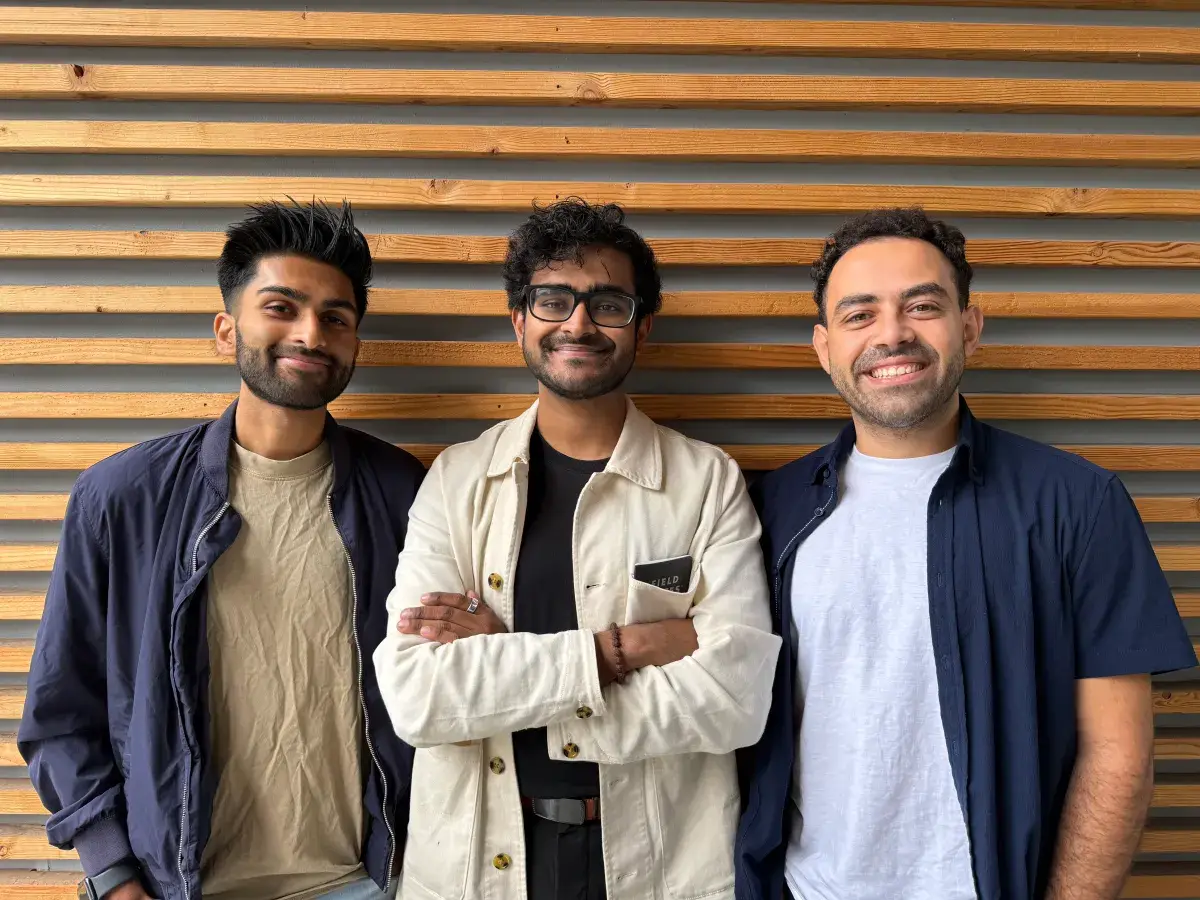
A hosted platform for training, evaluating and deploying specialized models from production tasks and expert feedback, with Continual Grading and Group Size 1 in research preview.
A community Gradio Space documents a stock DeepSeek router path and an optional custom endpoint for separately modified weights.
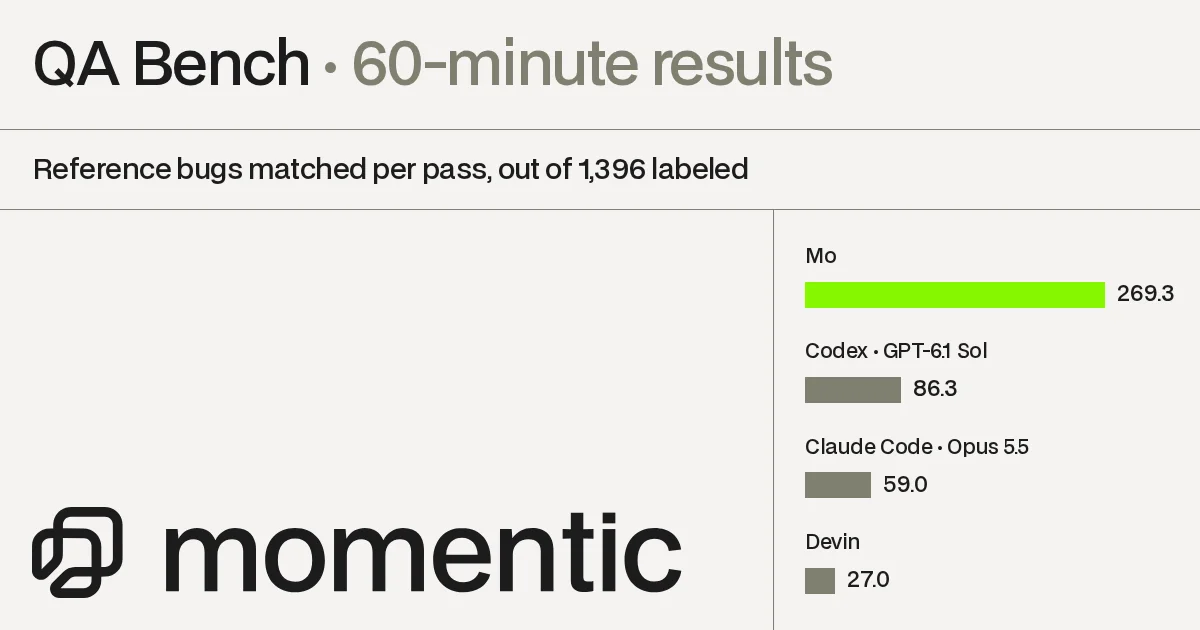
Momentic's hosted QA agent explores running web and mobile applications and reports suspected bugs with reproduction evidence.
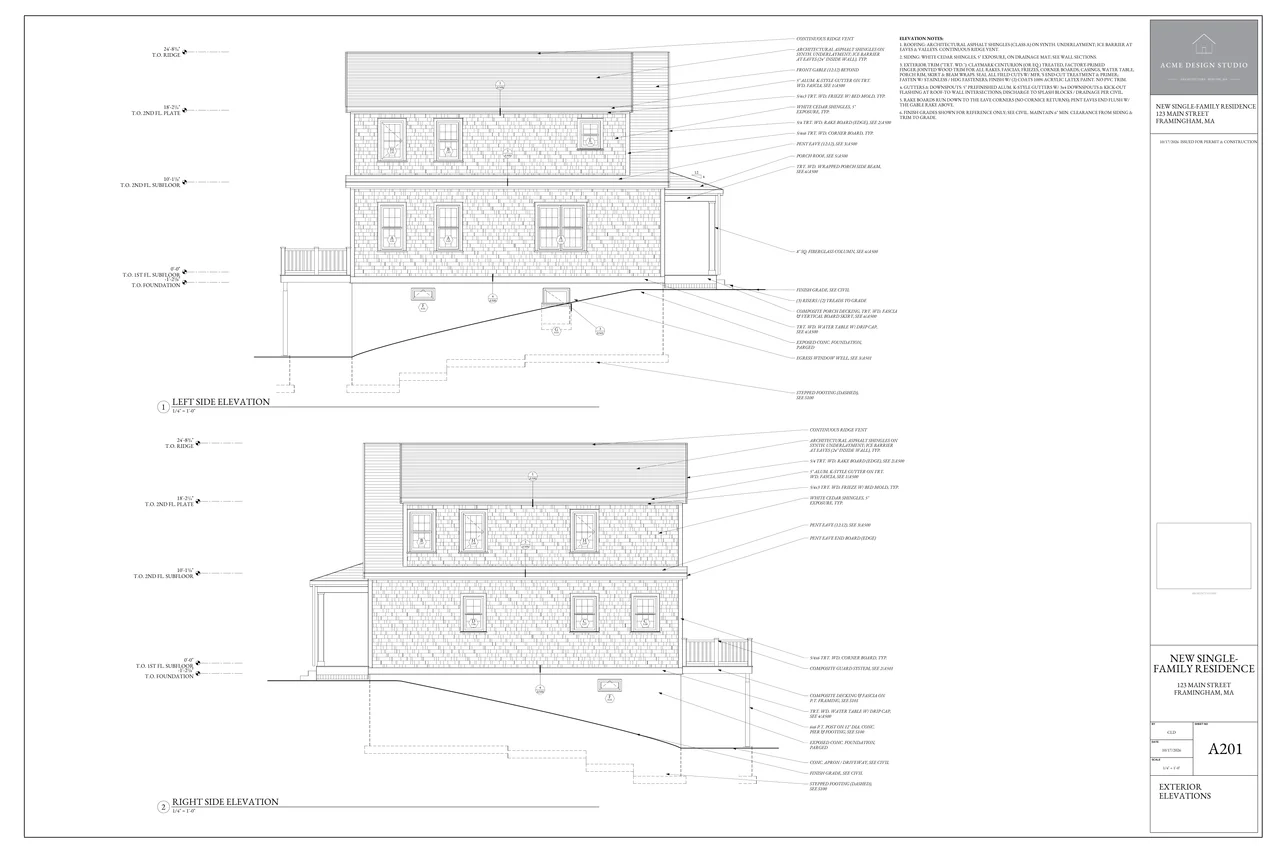
Architect Stephen Gallagher describes generating vector construction drawings through Python, with human redlines and remaining code-compliance errors.
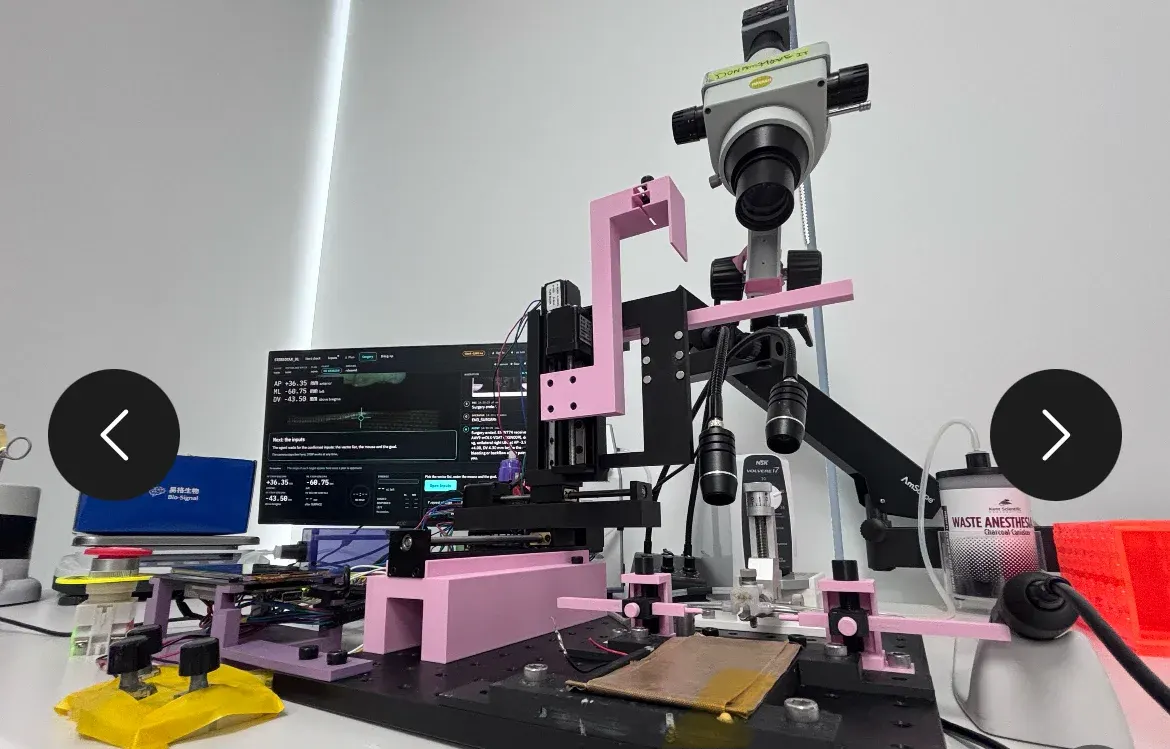
Gabriel Ocana-Santero says an AI agent selected and delivered a treatment in a mouse experiment, with a veterinarian approving irreversible steps and a human performing the craniotomy.
Elon Musk attributed Grok Bot's usage restrictions to serving costs that were too high relative to revenue, following subscriber complaints about exhausted weekly allowances.
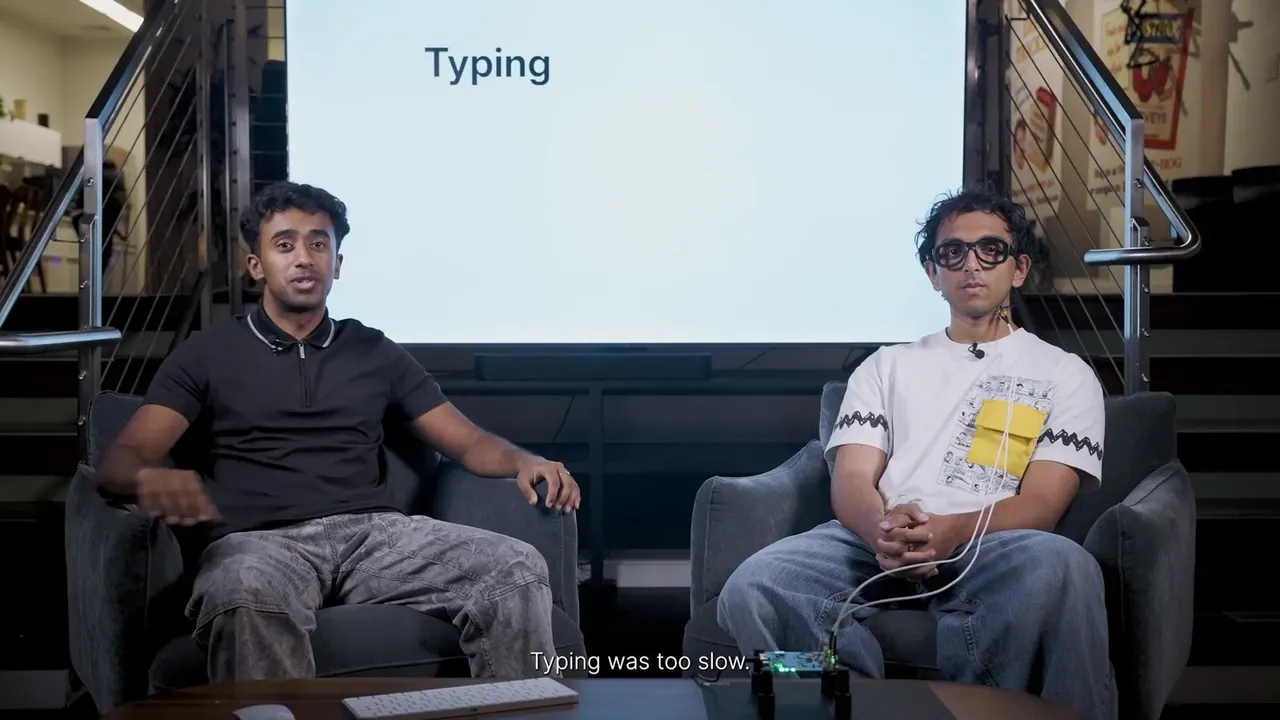
Prototype RF-sensing glasses designed to turn deliberate silent articulation into text for computers and AI tools.
Business Insider reports that internal Claude consumption valued at customer prices exceeded monthly employee compensation excluding stock, a comparison distinct from actual cash spending.
Abacum's business-planning agent interface coordinating specialist agents over company data, models and plans, with approval before proposed changes.
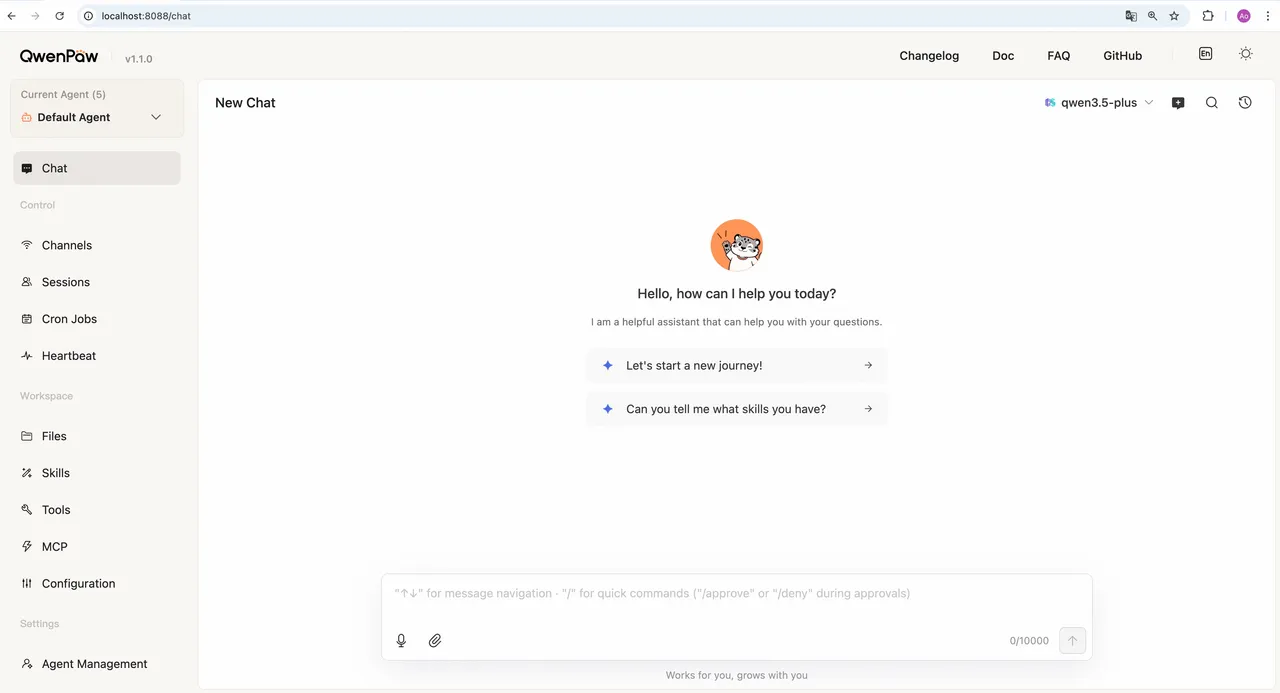
AgentScope's self-hosted personal AI assistant workstation, connecting local or cloud models to skills, plugins, memory and messaging channels.
A standalone Linux AI shell for operations and troubleshooting, with interactive terminal programs, configurable model endpoints and MCP tools.
Standalone command-line tooling for Composio tool execution, connected accounts, developer projects and event listeners alongside coding agents.
A family-focused personal AI assistant whose operator has announced a November 6, 2026 shutdown.
An MIT-licensed desktop workspace for coordinating AI agents, tasks, memory and model connections.
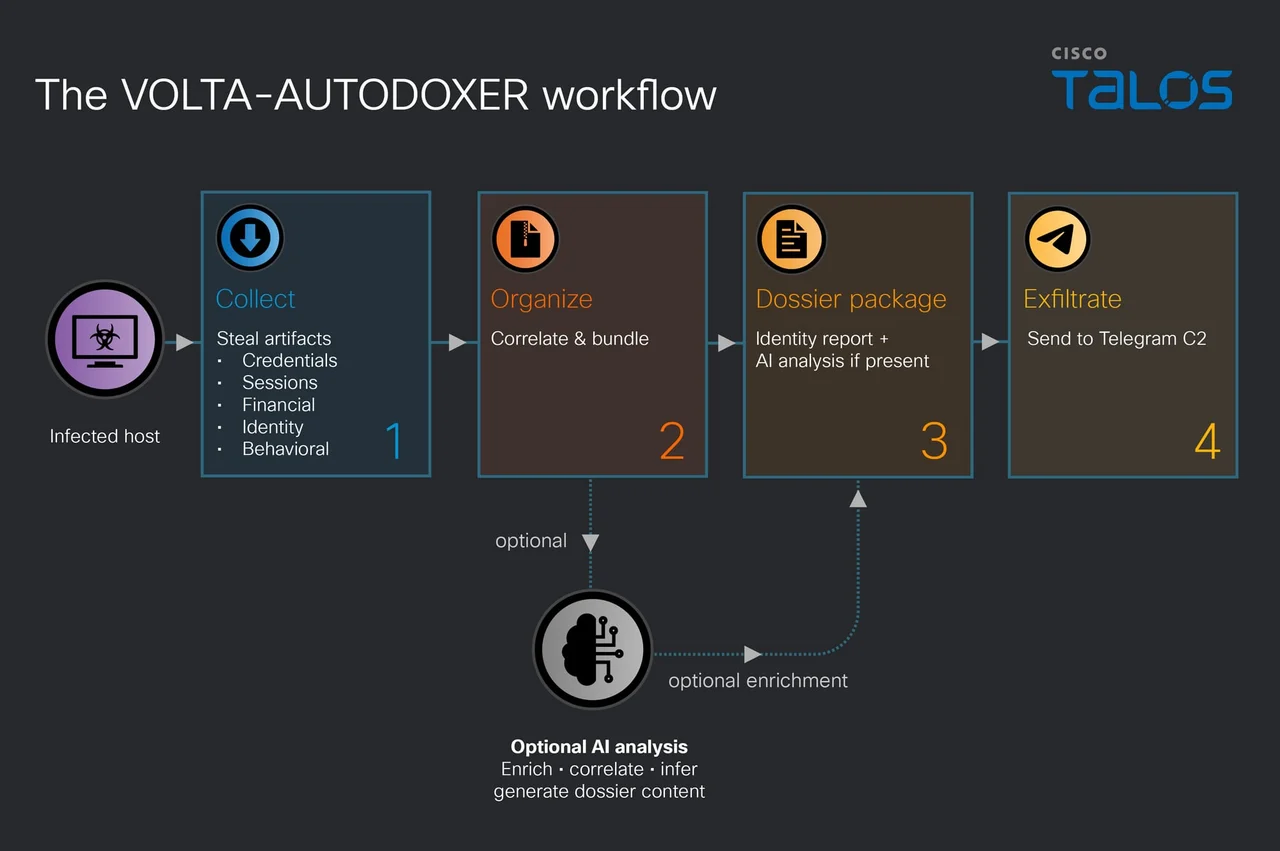
Cisco Talos reports an optional AI analysis stage that ranks stolen victim information for potential monetization.
A hosted email service with programmatic inboxes, MCP integrations and scoped access for AI agents and human operators.
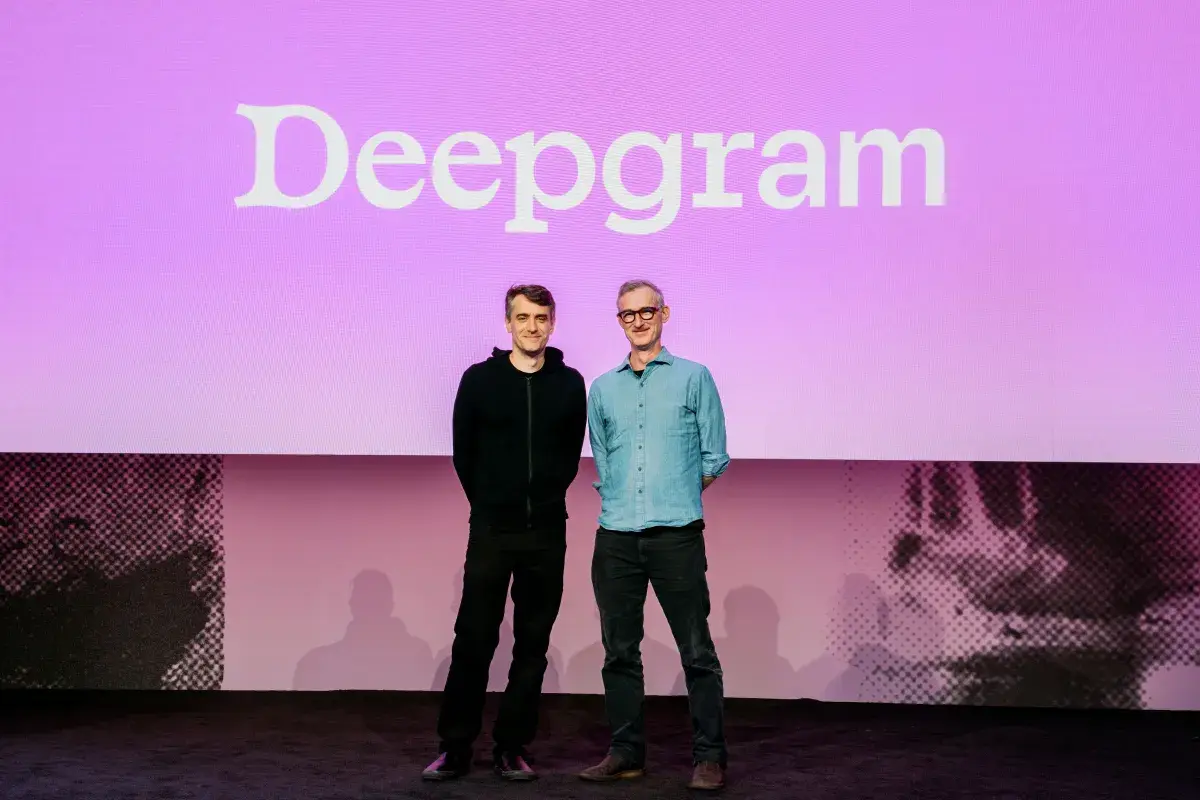
Deepgram's announced acquisition of Daily and plans for an independent foundation for the Pipecat voice AI framework.
Community Swift packages for interchangeable speech-recognition engines and typed classification decisions with probabilities.
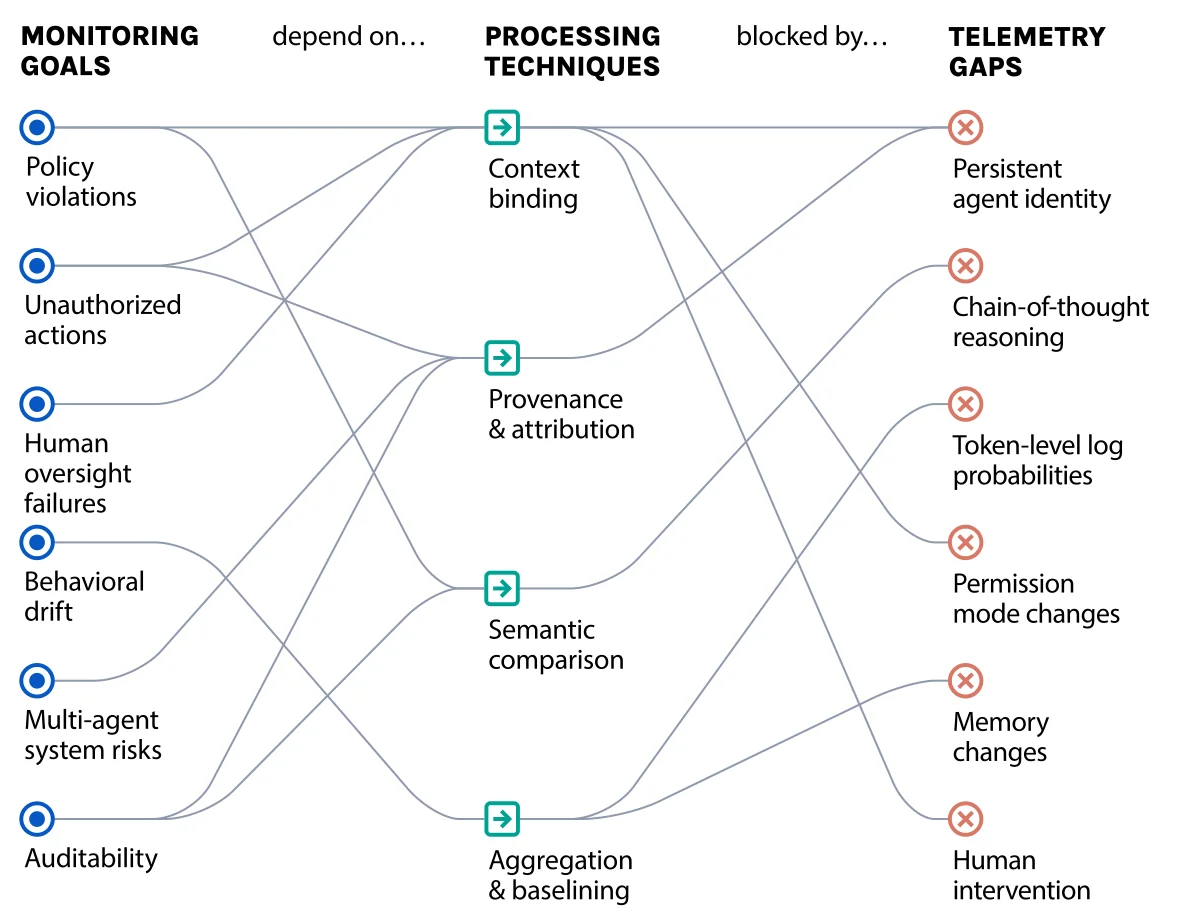
Partnership on AI researchers argue that reliable agent oversight needs persistent identities, human-intervention records and traces of permission and memory changes.
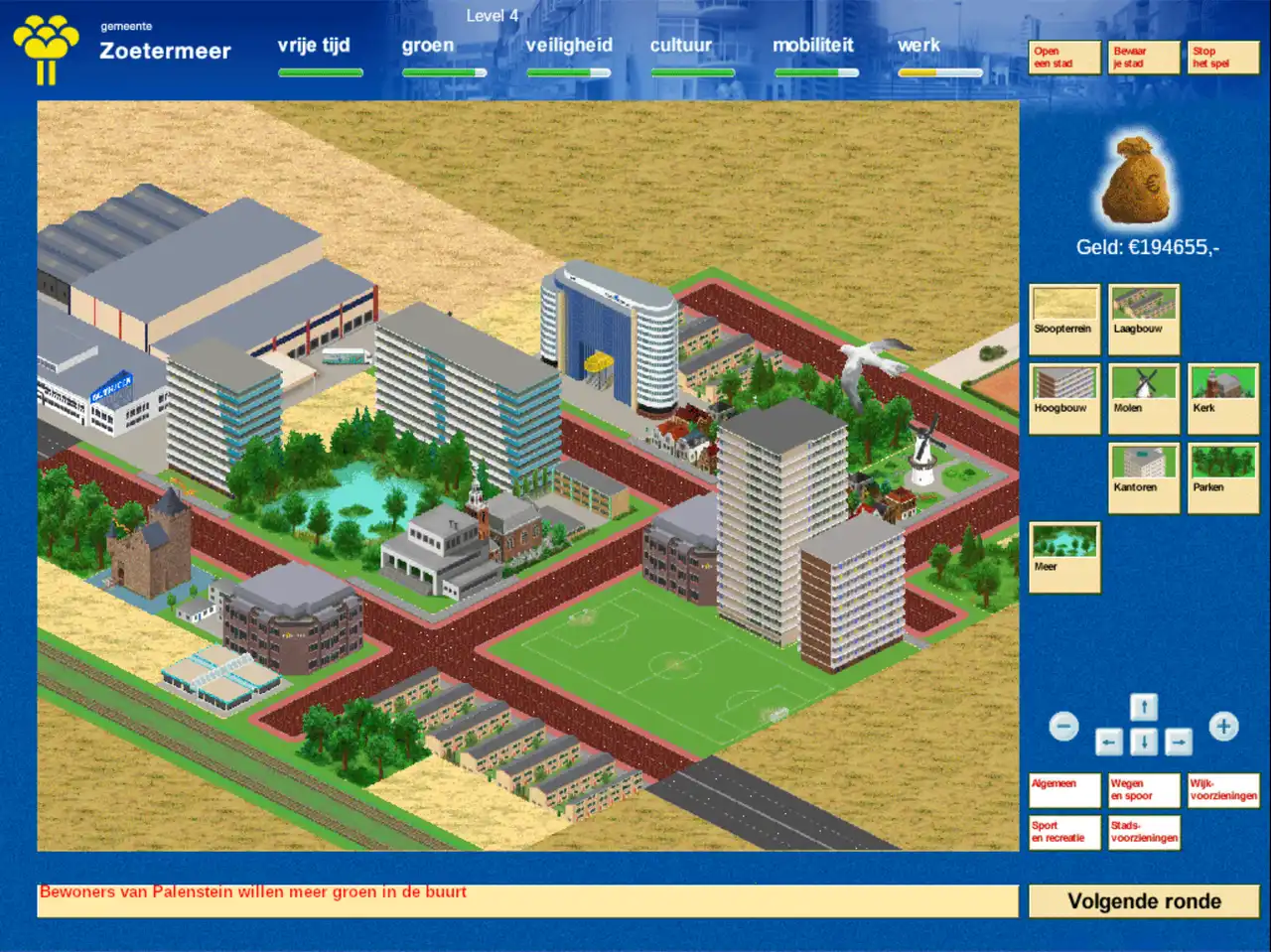
Bouke van der Bijl's Claude-assisted reconstruction and browser port of an early-2000s municipal city-building game.
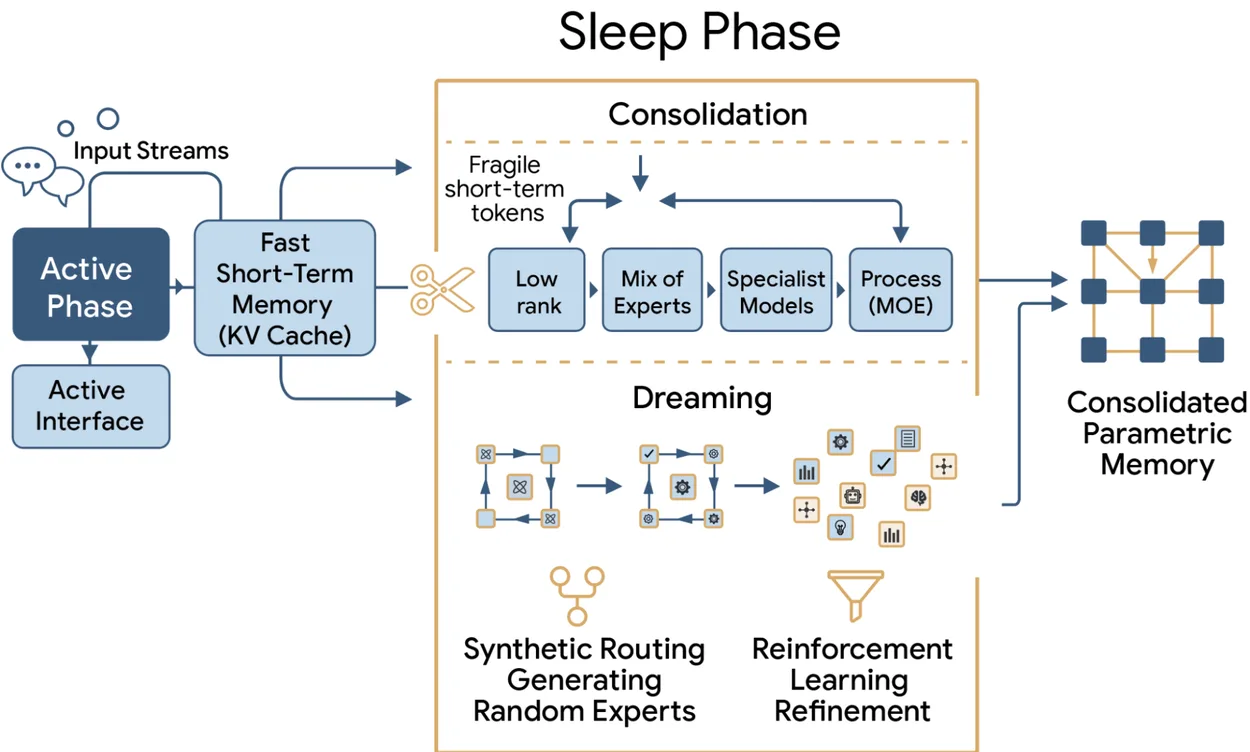
A research framework that alternates active interaction with offline consolidation and synthetic rehearsal to retain knowledge in model parameters.
Four GGUF quantizations of Mammoth-1 with decision metadata for Magnitude's structured probability endpoints.
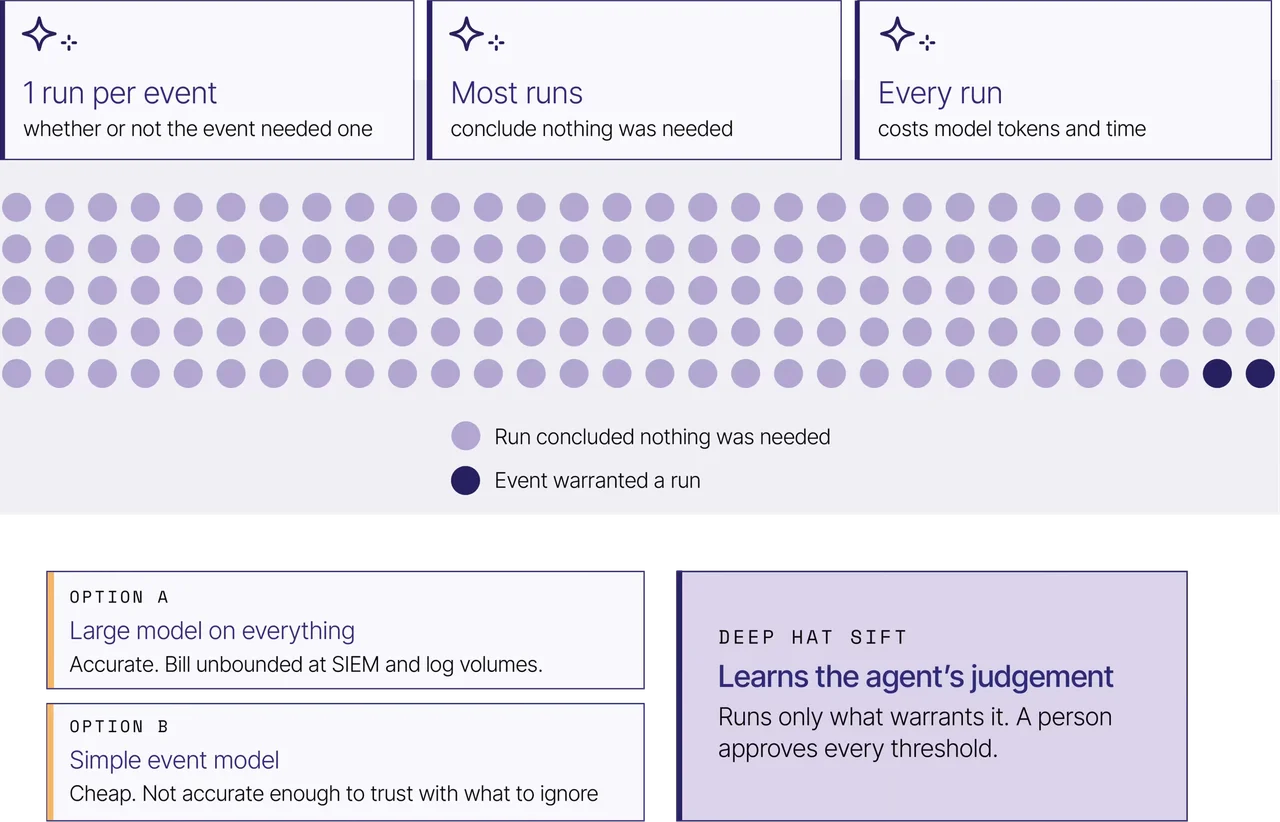
Kindo's self-hosted event selection service learns a target agent's verdicts and withholds runs only after human threshold approval.
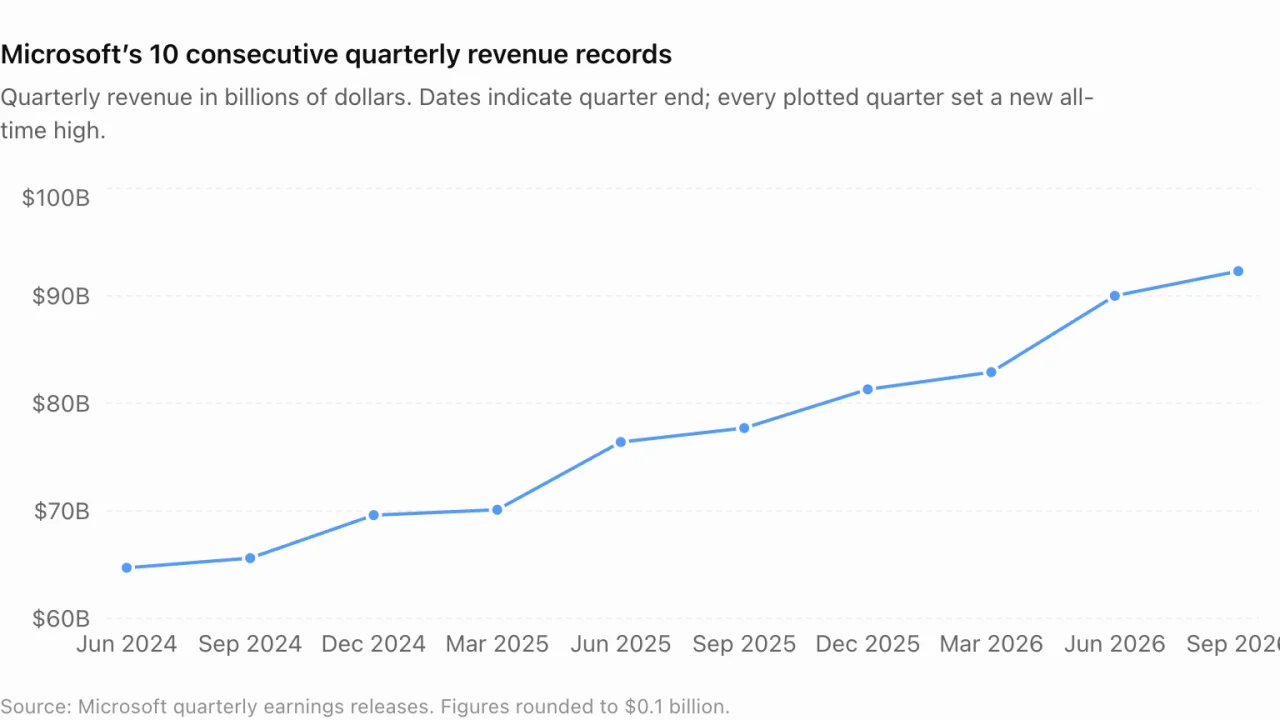
Microsoft's October 28 results report $92.3 billion revenue and 48 percent Azure revenue growth for the quarter ended September 30, 2026.
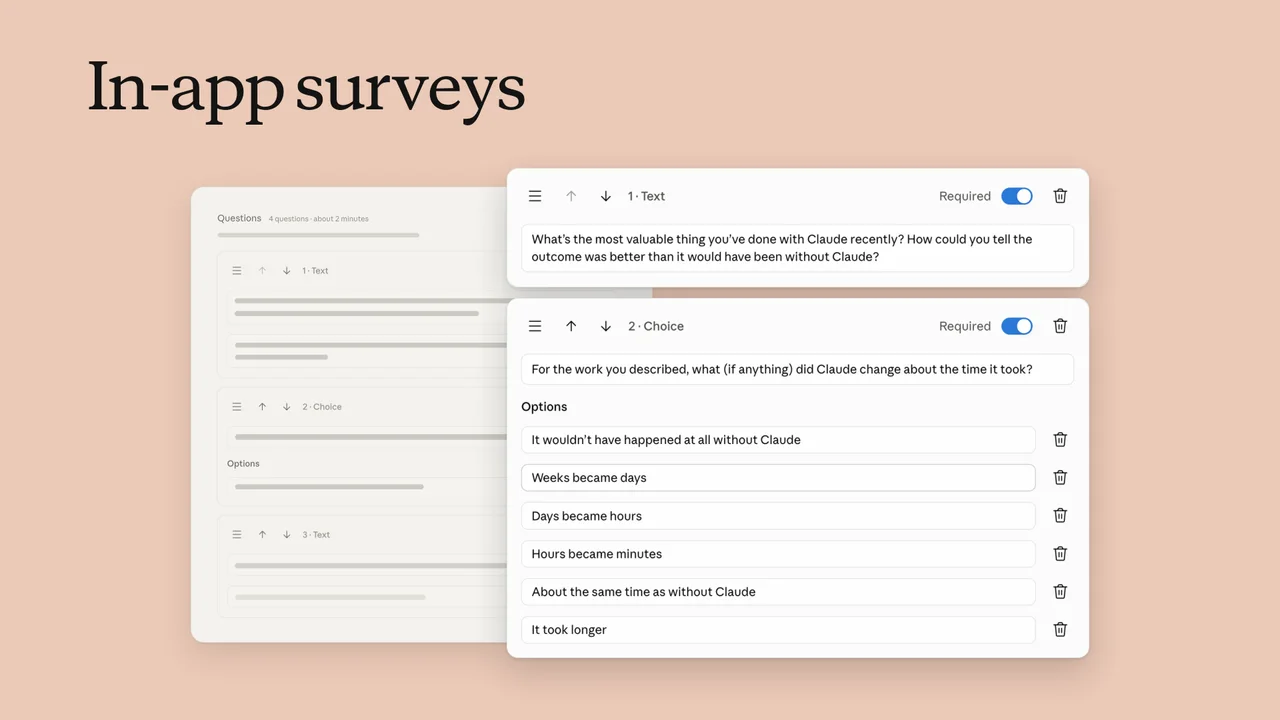
Anthropic's enterprise Claude plan with organizational controls, usage reporting and team spending tools, subject to deployment eligibility.
Google's developer platform for bringing third-party services into Gemini and Search through remote MCP servers or Android AppFunctions.
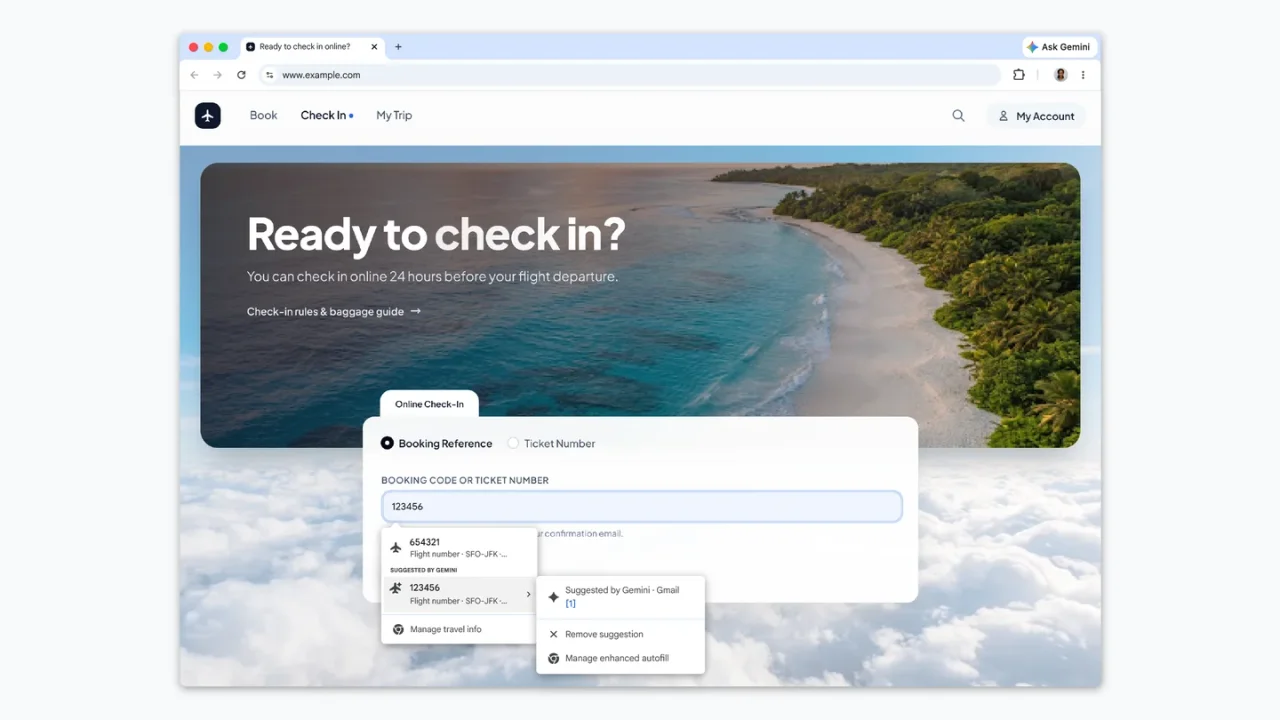
Chrome form suggestions powered by Gemini with Personal Intelligence, including information retrieved from Gmail for eligible users.
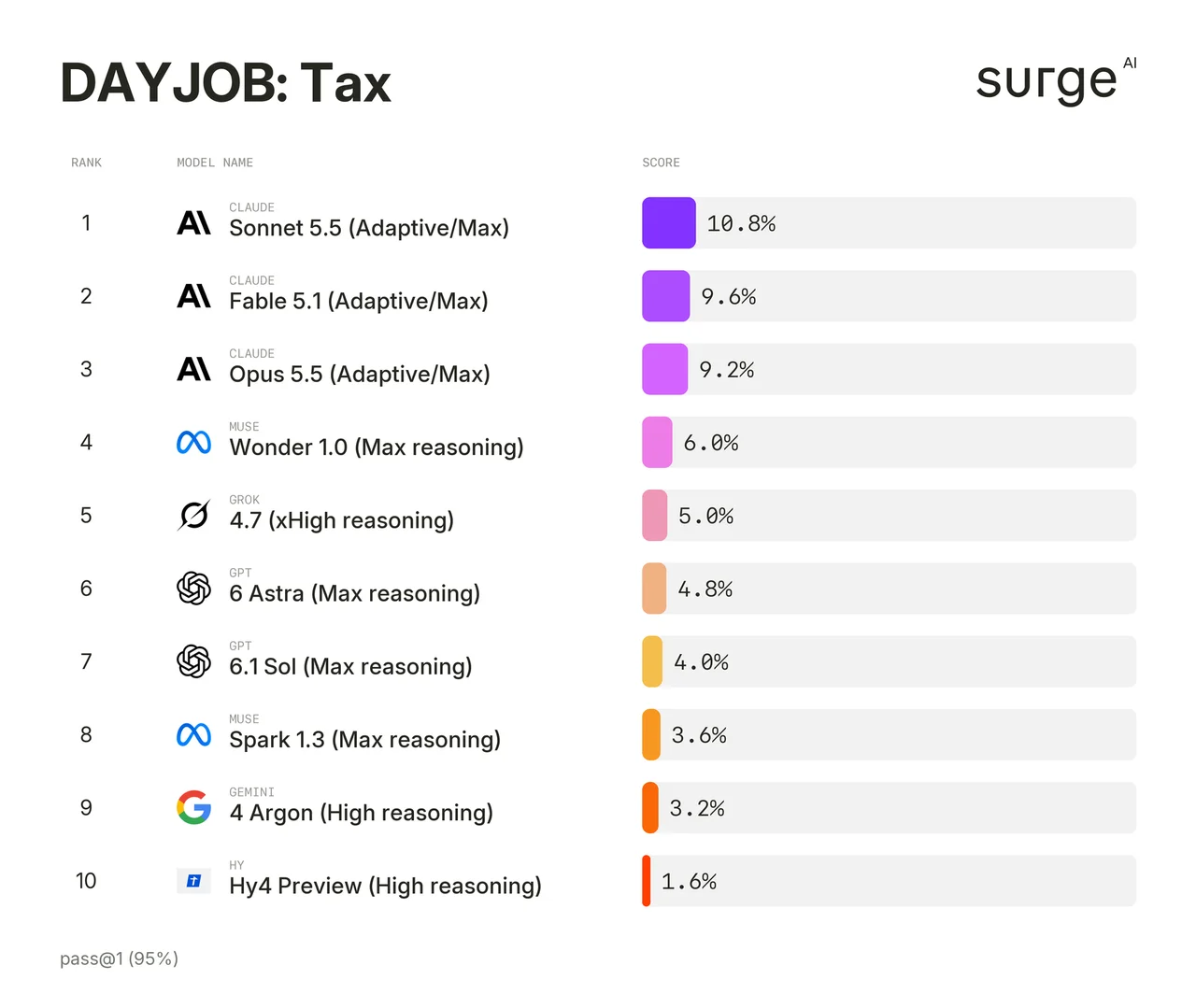
Surge AI's benchmark of 50 professional tax assignments, testing whether agents investigate records and deliver complete work under detailed rubrics.
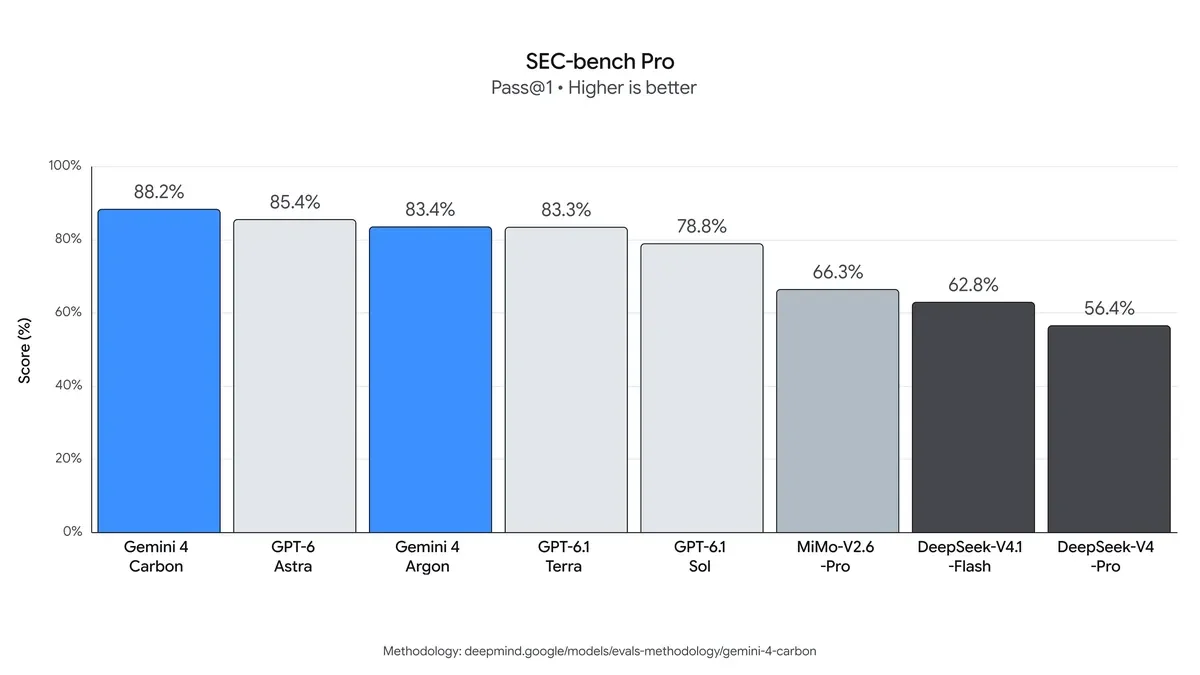
Google DeepMind's frontier model announced October 28, with phased access for selected cyber defenders before broader product availability.
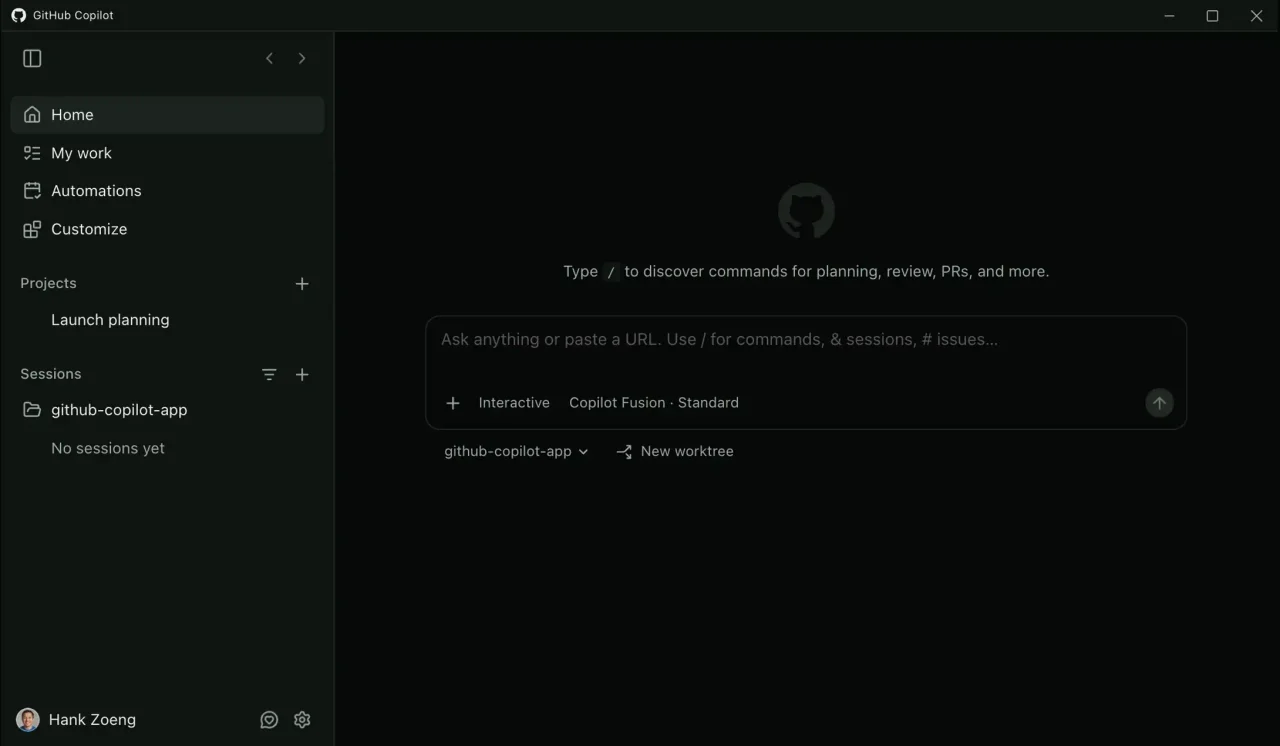
GitHub's agent workspace for repository sessions, projects spanning repositories, recurring automations and model orchestration.
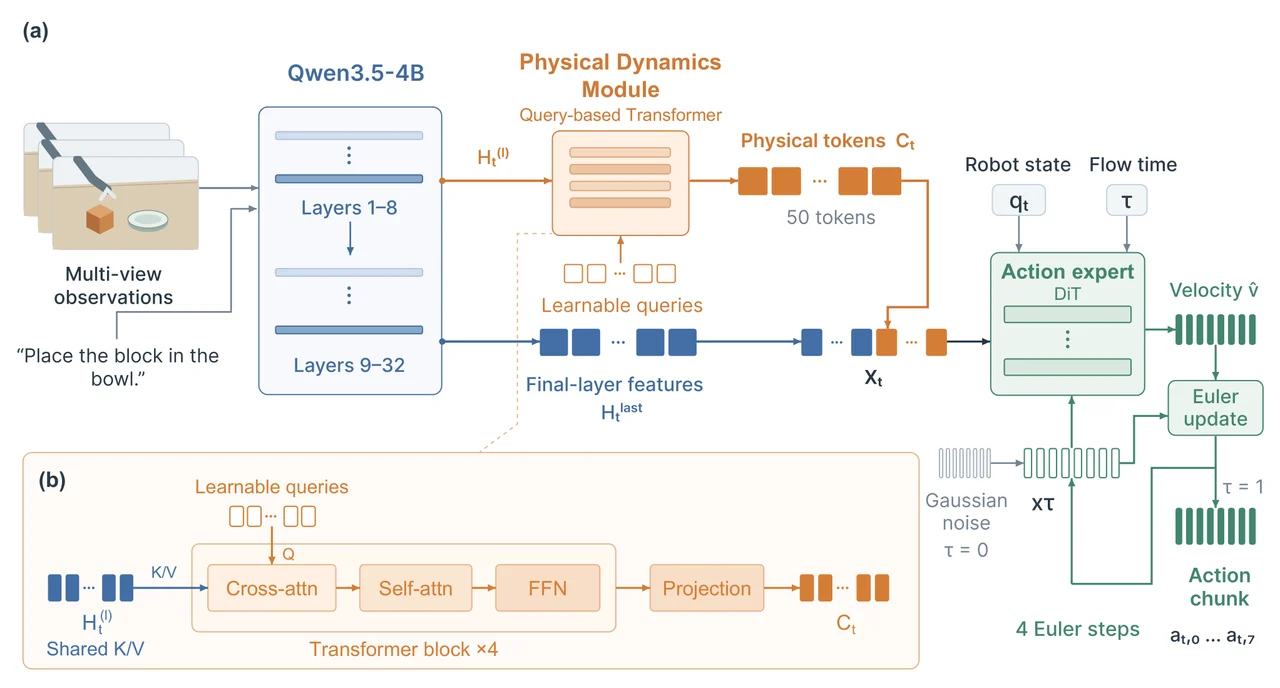
A robotics research framework that learns future physical features during training and removes the auxiliary video model at execution.
A Python security decision engine combining source-aware rules, SQL validation, PII checks and optional transformer classifiers.
Anthropic announces an expanded GSA agreement offering a 40 percent discount across Claude products and more levels of US government.
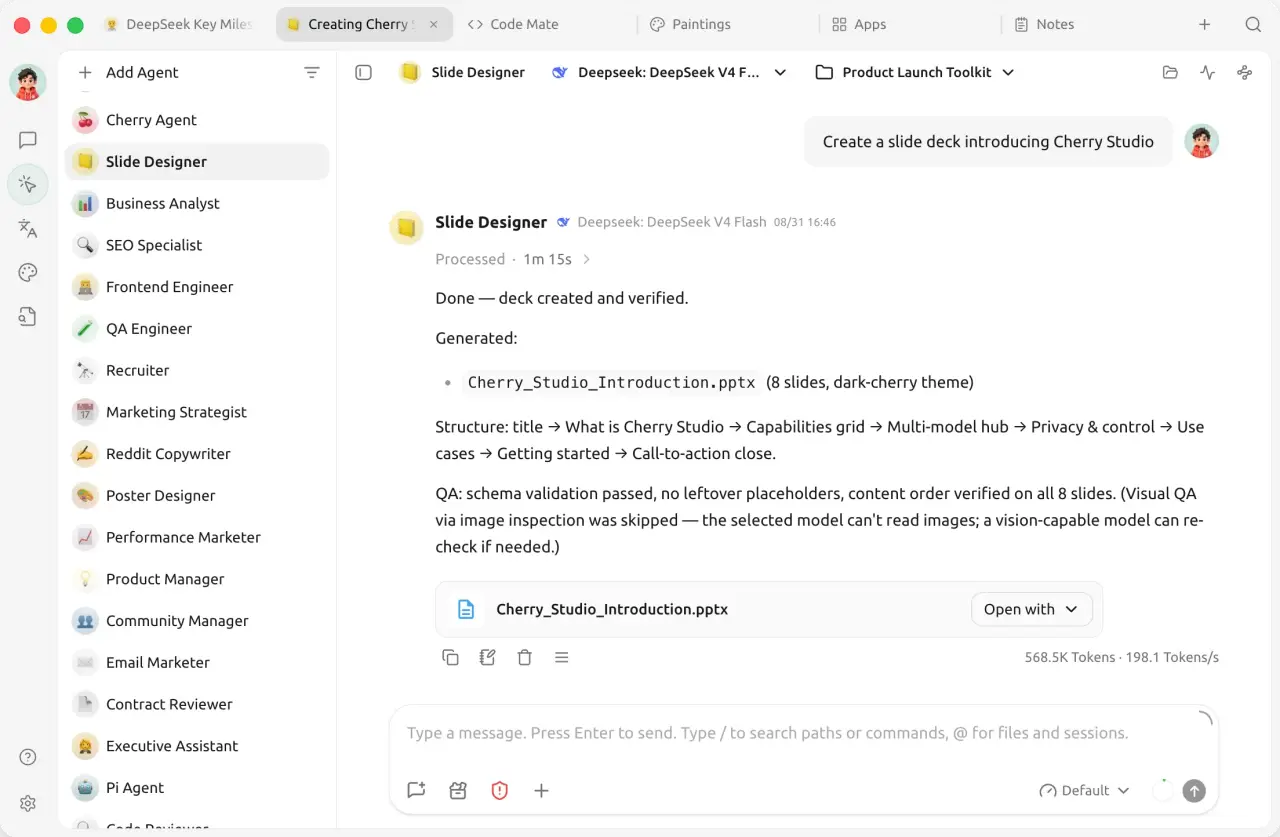
A standalone desktop AI workstation for multi-provider conversations, agents, knowledge bases and automation on Windows, macOS and Linux.
Anthropic's October 27 report discloses its July acquisition of Mithril Medicine and describes Claude-assisted rare-disease drug programs and six research partnerships.
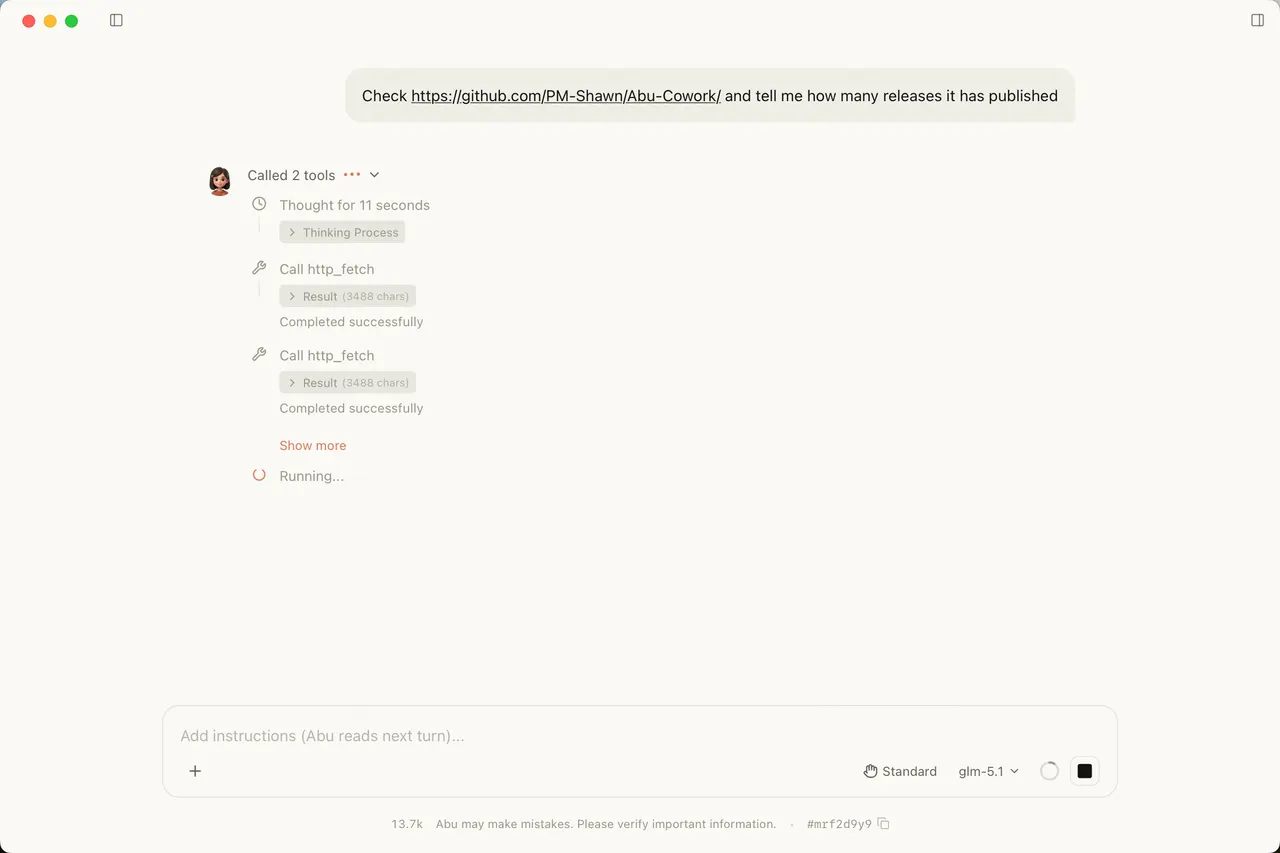
A standalone desktop AI assistant with configurable model providers, file and browser tools, workflow apps and persistent goal conversations.

Google DeepMind's experimental interactive world model with native audio, live text steering and Gemini-guided simulation.
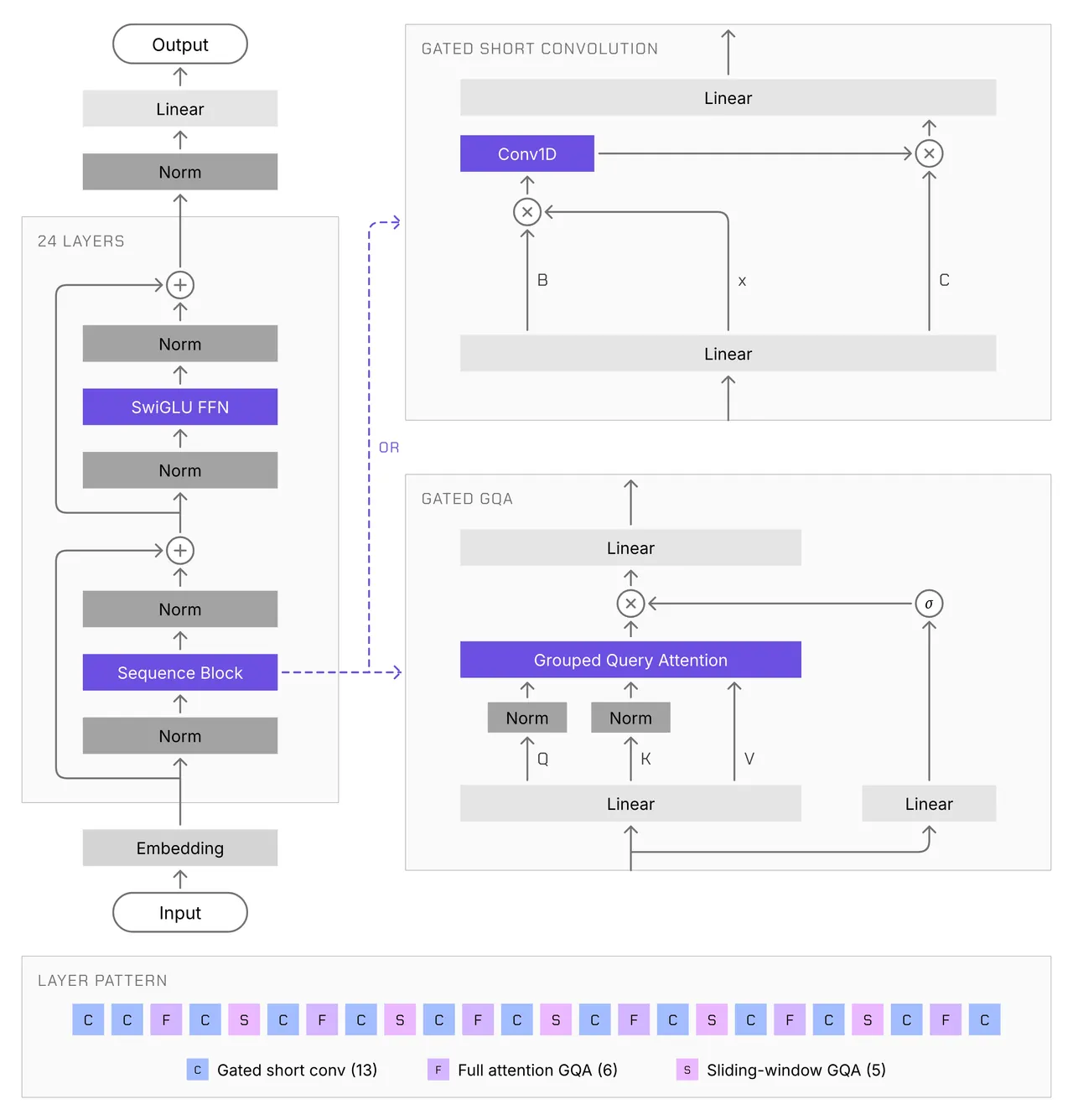
Liquid AI's compact open-weight family for local text agents, vision, audio, multimodal interaction and structured decisions.
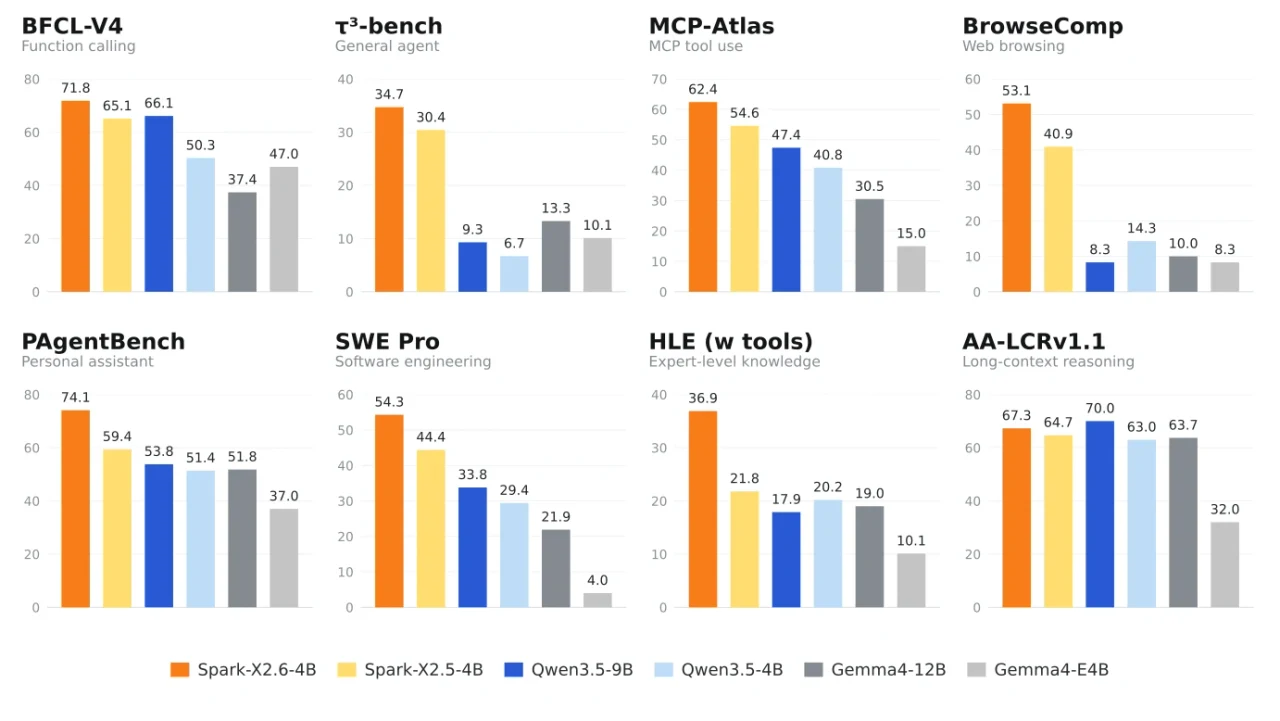
An Apache-2.0 compact text model for local agent workflows, with configurable thinking budgets and multiple documented inference runtimes.
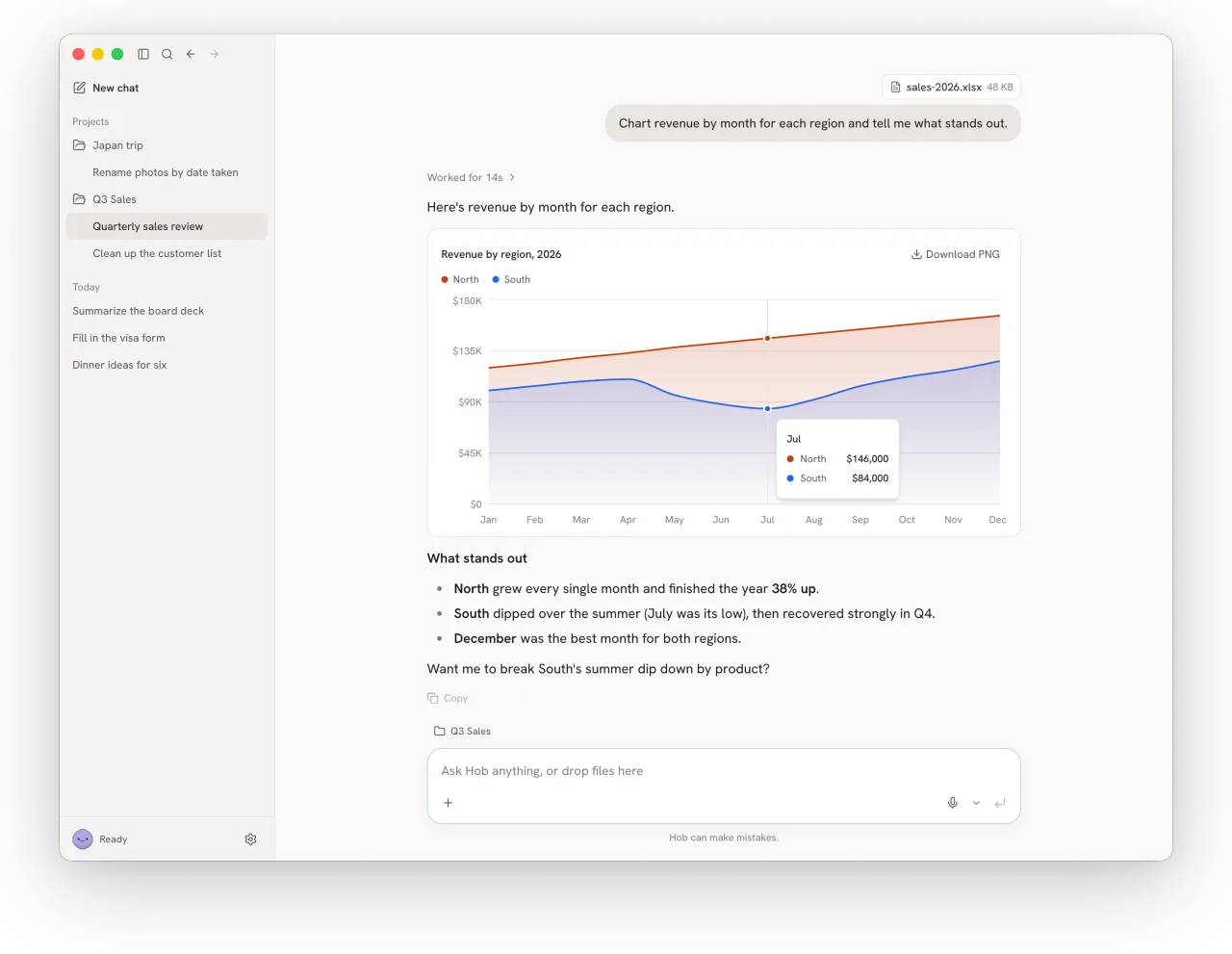
The October 26 releases bring onboarding and connection fixes to a project that picks an open-weight model for the user's computer.
Ai2 and University of Pennsylvania researchers describe a workflow that helps authors critique and revise ideas against selected papers.
The October 25 release adds journaled memories, webhook deduplication and an opt-in Linux sandbox with a clear network limit.
OpenAI's October 26 model for computer use, visual reasoning and writing, with standard API prices of $1 input and $5 output per million tokens.
User-approved sign-in integrations that let supported personal AI agents use saved logins without receiving the underlying credentials, according to 1Password.
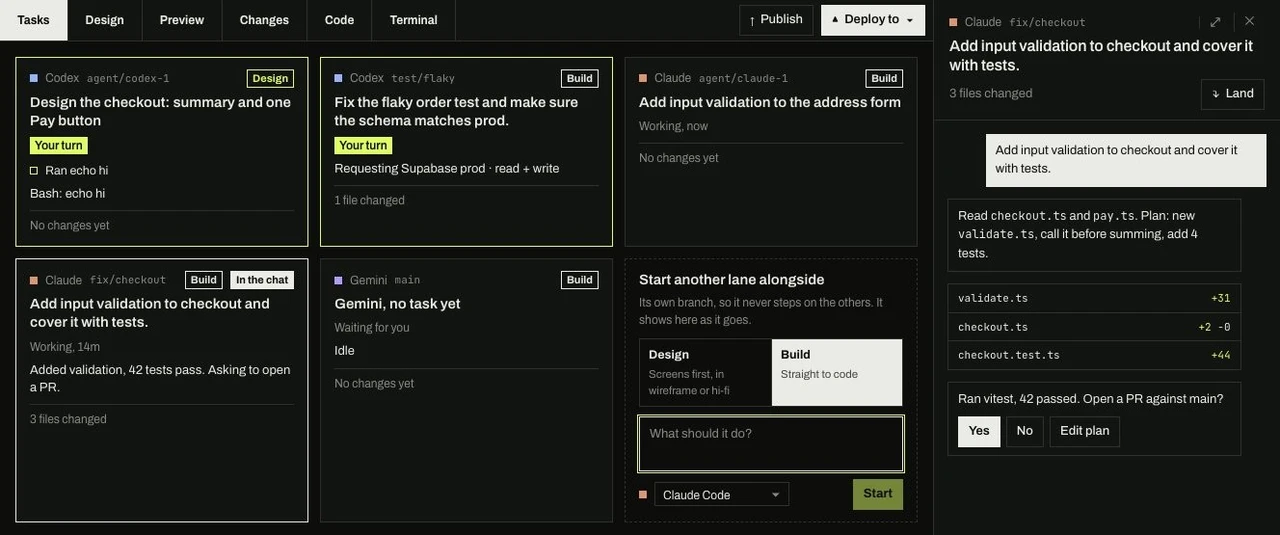
Desktop workspace for existing coding-agent CLIs, with isolated task branches, review tools and scoped access requests. Version 0.4.17 bundles Ponytail coding guidance.
Hosted human-approval service announced by iProov, combining action-bound credentials and genuine-human-presence checks with agentgateway and Cerbos integrations.
English synthetic dataset of matched tool-response triplets for studying indirect prompt injection and fictional recovery-token disclosure.
Community Rust library for composing model applications, chains, agent tools and conversation memory, with SQL-backed histories in version 6.
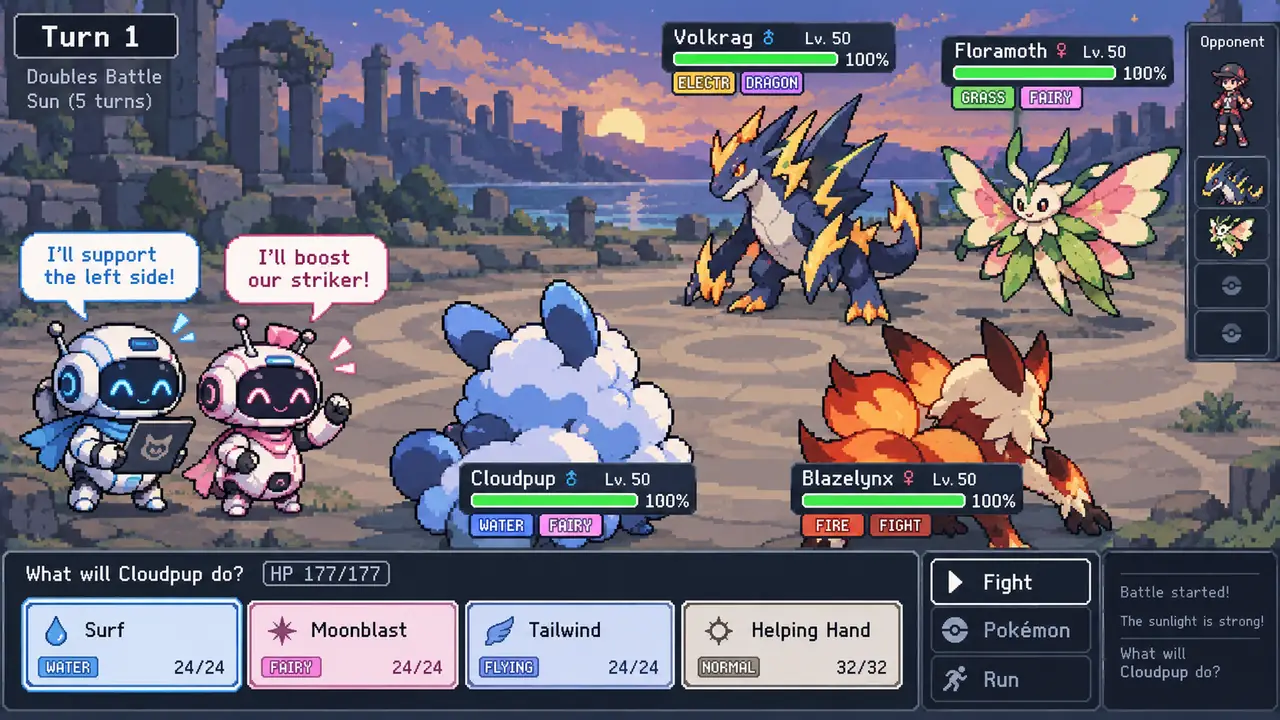
Oliver Grabner's Pokemon Showdown environment for studying private communication and coordination between two LLM teammates.
Apache-2.0 managed agent platform with a durable Postgres event log, model-provider choice, machine pools, tool approvals and Docker Compose self-hosting.
Pydantic AI's October 21 advisory describes attacker-influenced HTML delaying shared work or exhausting memory; fixes are available in 2.59.0 and 1.107.9.
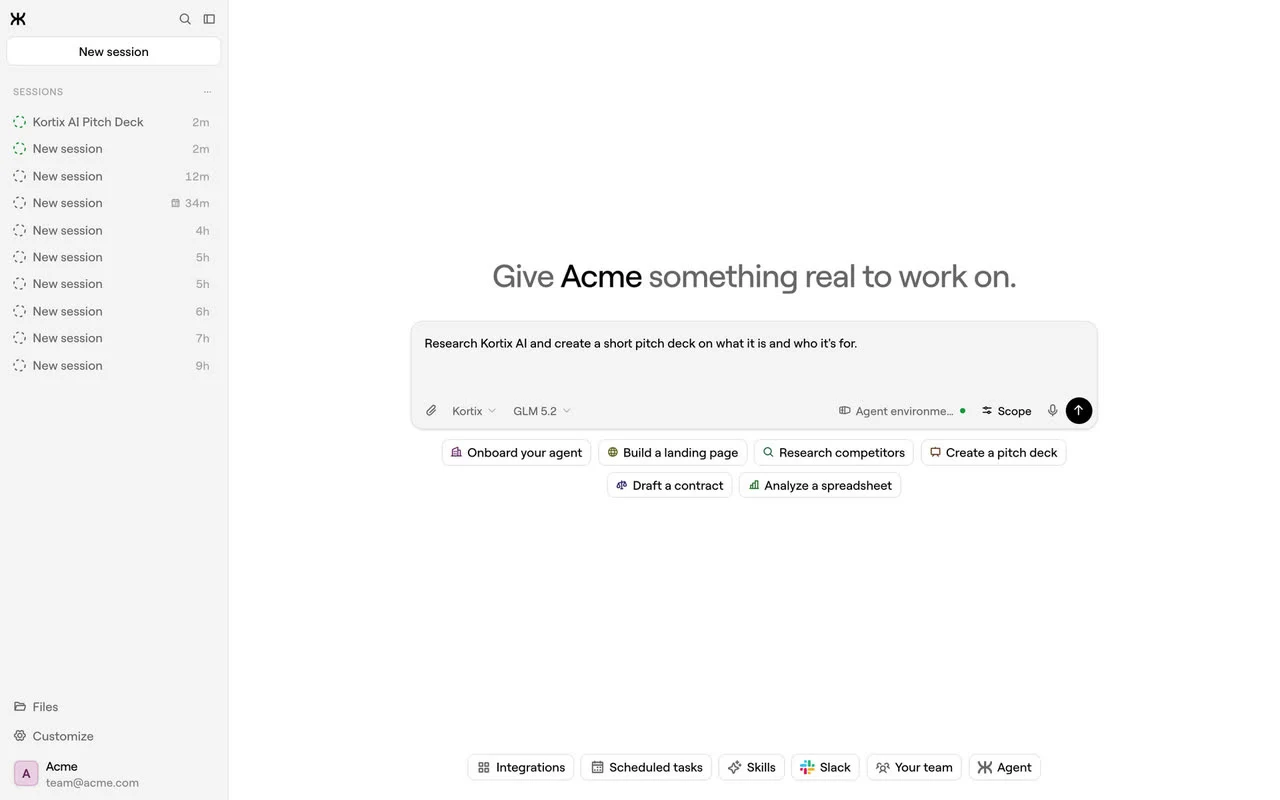
Source-available team agent platform with isolated session sandboxes, configuration in Git, human-reviewed change requests and pi or OpenCode harnesses.
Anthropic's proactive cloud assistant for connected-app work, introduced as a US Pro and Max waitlist research preview with shared plan usage limits.
An early-access enterprise agent-security offering combining agent inventory, governance and runtime detection and response on the Singularity Platform.
A self-hosted TypeScript agent runtime with tools, workflows, distributed workers and OpenTelemetry GenAI tracing.
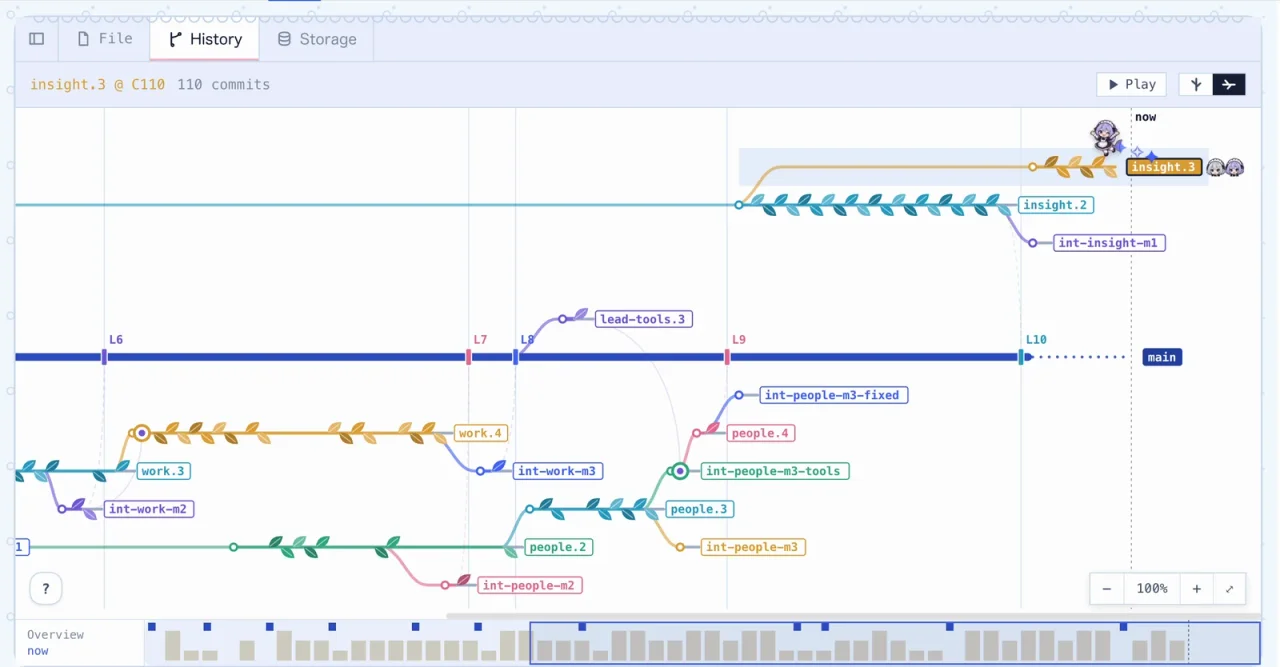
An MIT-licensed filesystem substrate giving coding agents writable workspaces over shared committed history, with a DeepSeek Harness web plugin.
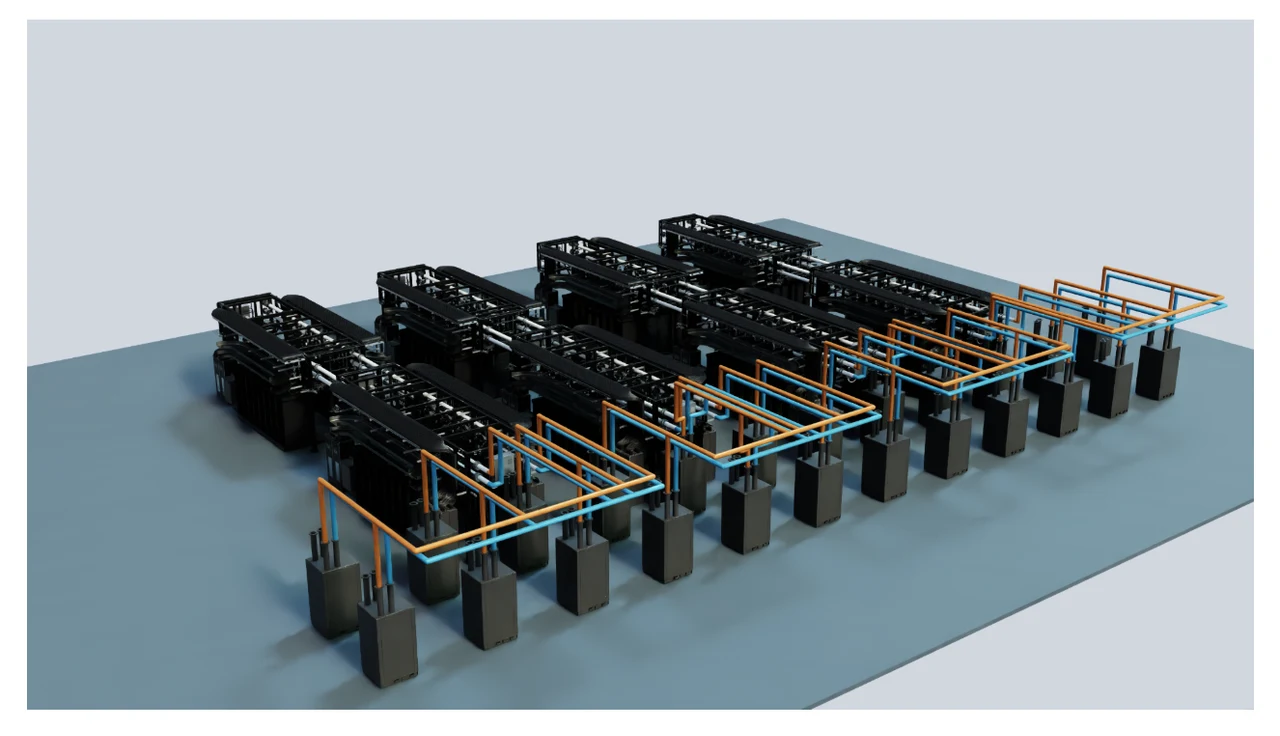
NVIDIA's Hugging Face library and reviewed catalog workflow for versioned OpenUSD assets used in robotics simulation and AI-factory digital twins.
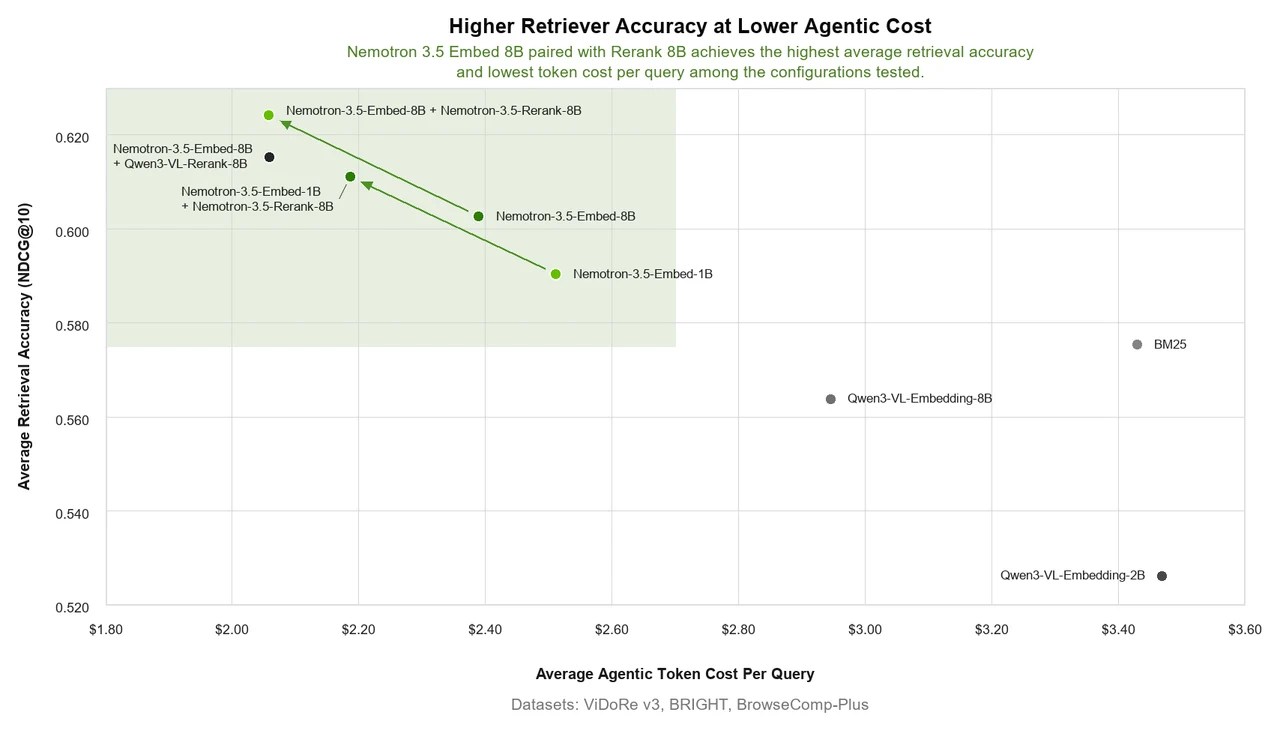
NVIDIA's October 2026 family of multimodal embedding, reranking and document parsing models for retrieval systems and AI agents.
A self-hosted AI compliance platform combining policy authoring, agent-action decisions and an evidence ledger.
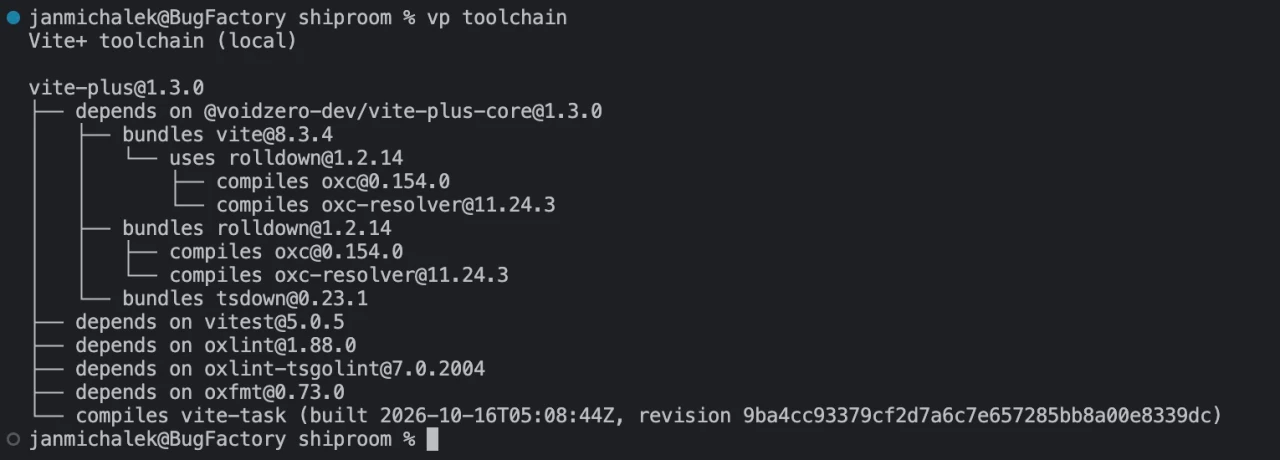
An MIT-licensed web development toolchain that puts project setup, formatting, linting, tests, builds and task execution behind the vp CLI.
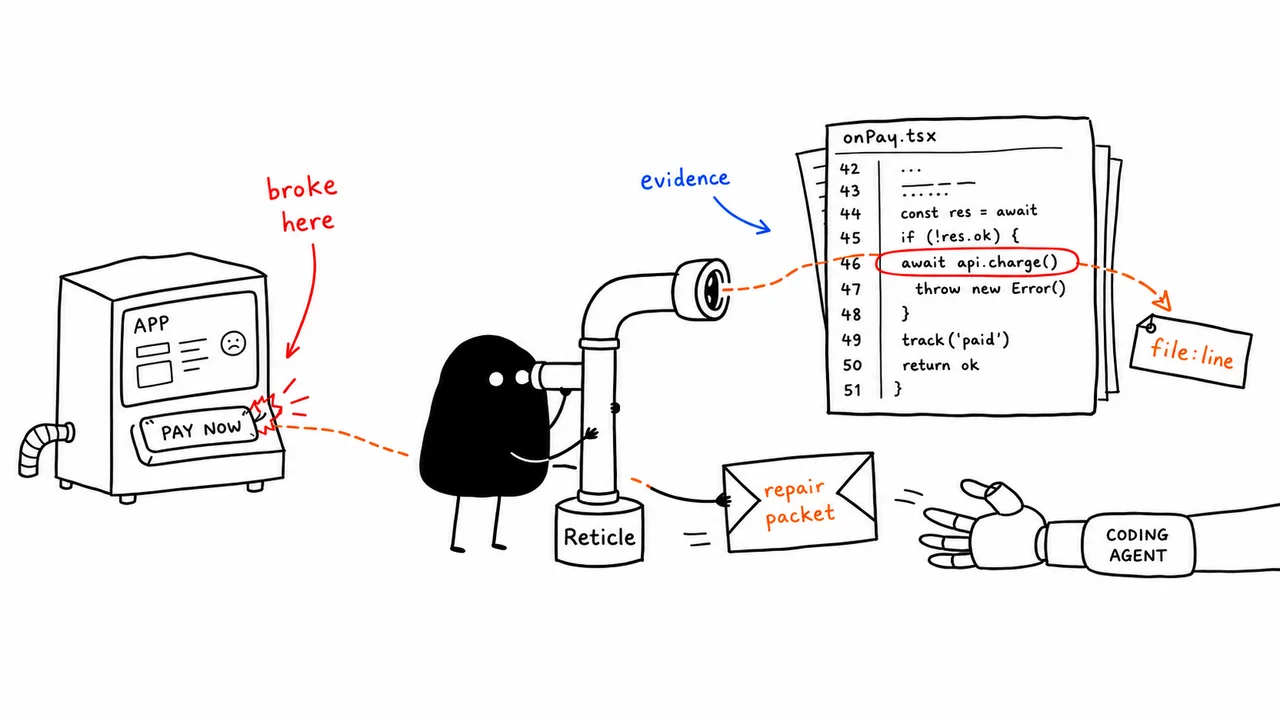
A development SDK, local bridge and MCP server that gives coding agents runtime evidence and saved workflow replay for their own apps.
A community Go CLI and API bridge that advertises DeepSeek web-account access for coding assistants and Ollama-compatible clients.
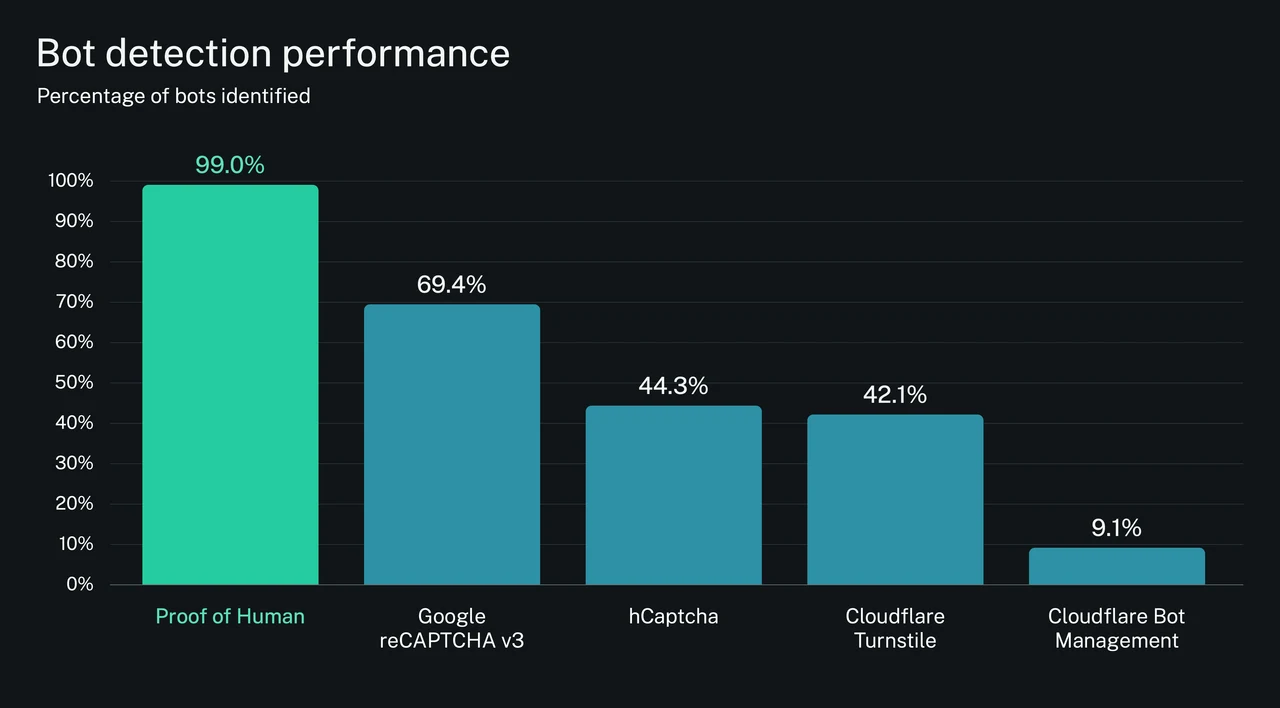
A vendor-run survey benchmark comparing five bot detectors against scripted browsers, a stealth browser and three AI browsing agents.
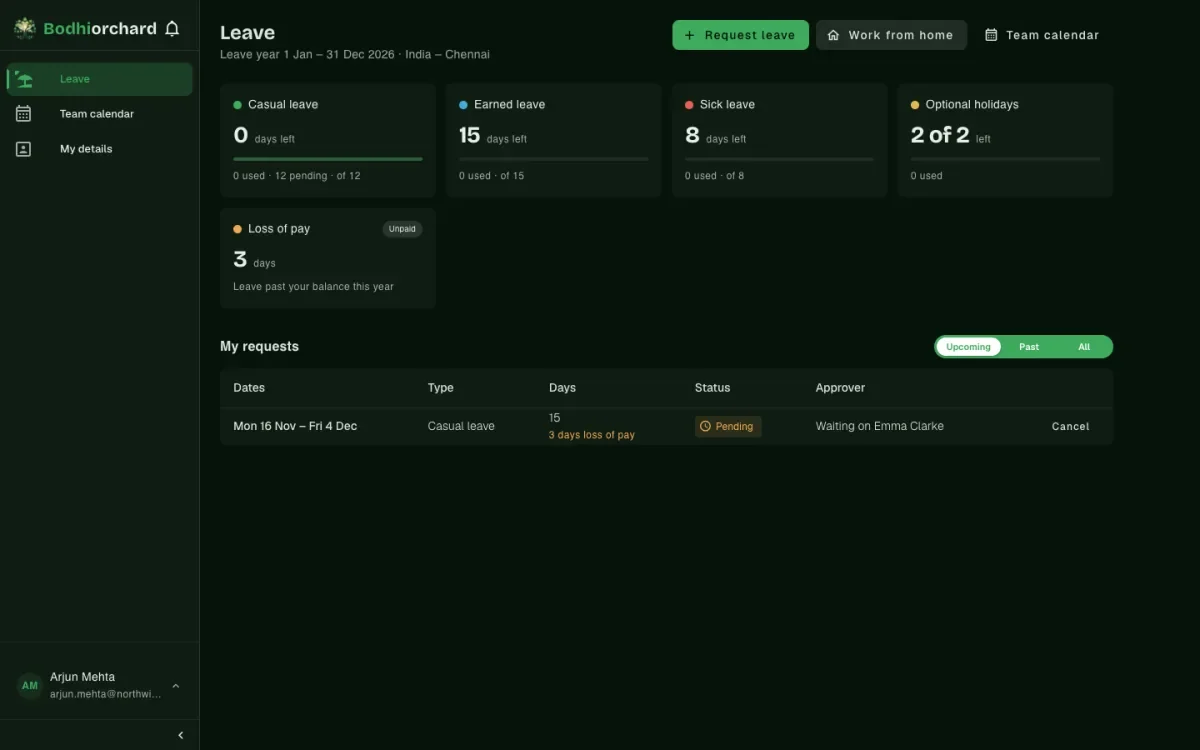
A self-hosted project management and AI orchestration platform with human review gates, repository context and a separate People workspace.
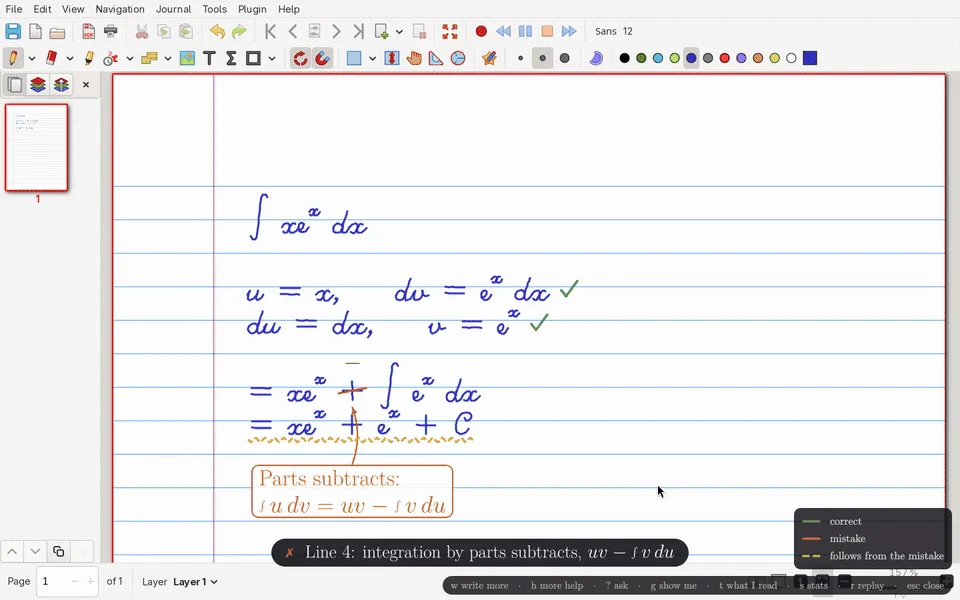
A Linux handwriting companion that asks Claude Code, Codex or Antigravity to annotate mathematics on screen and generate interactive explanations.
An open-source Rust AI gateway with protocol translation, routing and native compiled plugins, introduced on Hacker News as pre-alpha software.
Metehan Yesilyurt's self-reported experiment tracing fabricated statistics from a purpose-built website into AI search citations and other publications.
A community vulnerability-research project that attributes discovery to a multi-model AI pipeline and publishes technical advisories and exploit demonstrations in recurring batches.
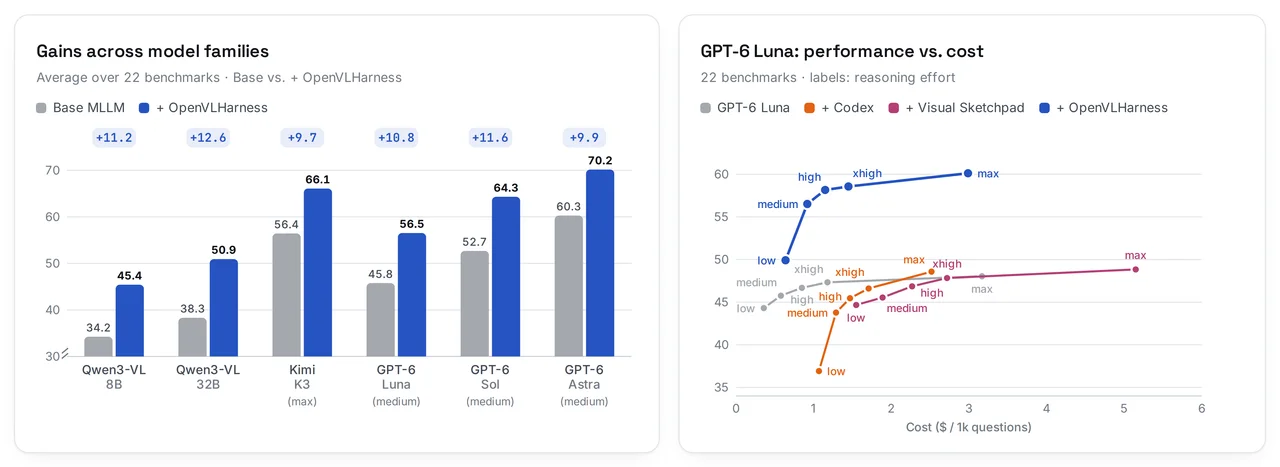
An MIT-licensed, training-free multimodal agent harness that combines perception, web search and Python with reusable evidence memory for each question.
SLICC's Apache-2.0 browser-worker agent core, built on pi's durable harness with kernel integration, persistent sessions and model-account connections.
An MIT-licensed Python and TypeScript toolkit for provider-independent LLM calls, structured output and executable tools.
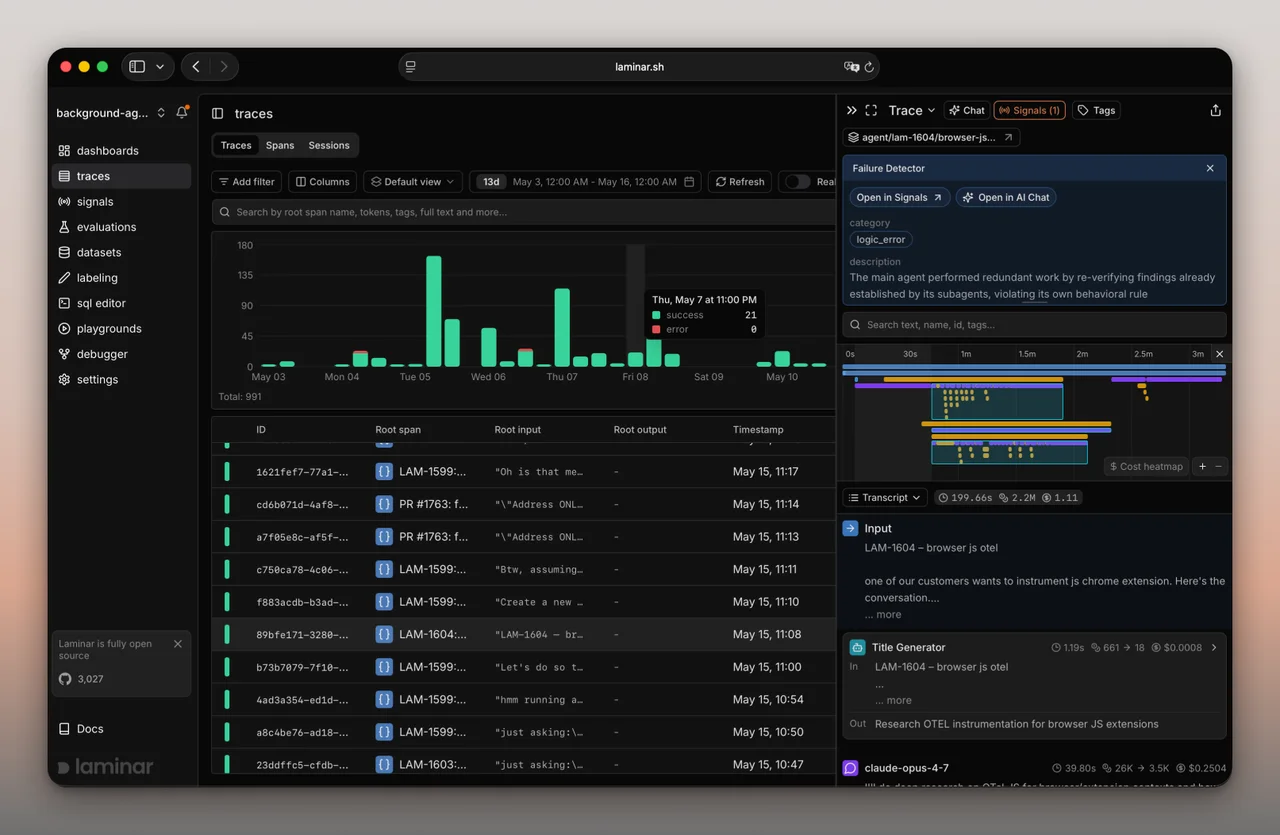
An open-source AI-agent observability platform with tracing, evaluations and Signals for investigating behavior across agent runs.
TechCrunch, citing Bloomberg, reports ongoing talks over a possible additional $45 billion compute agreement between Anthropic and Nscale.
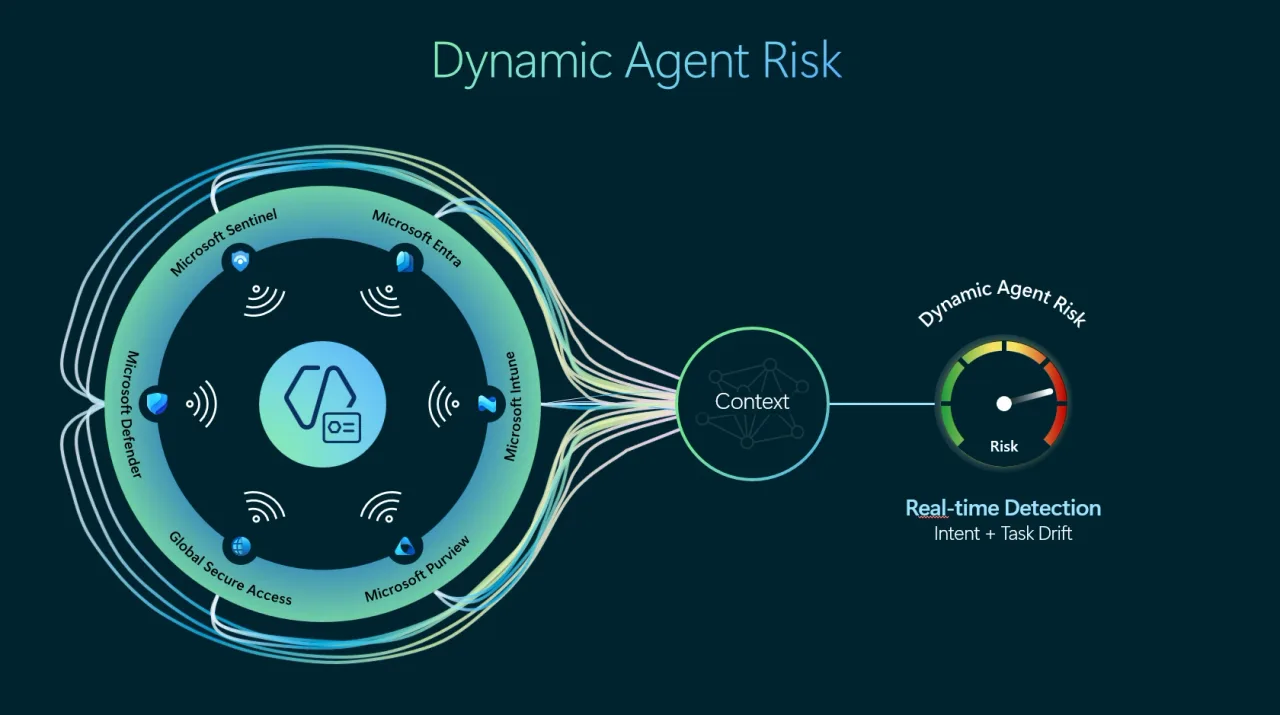
Microsoft's agentic security initiative, extended with Guardian Agents and dynamic controls for the AI agents operating inside an enterprise.
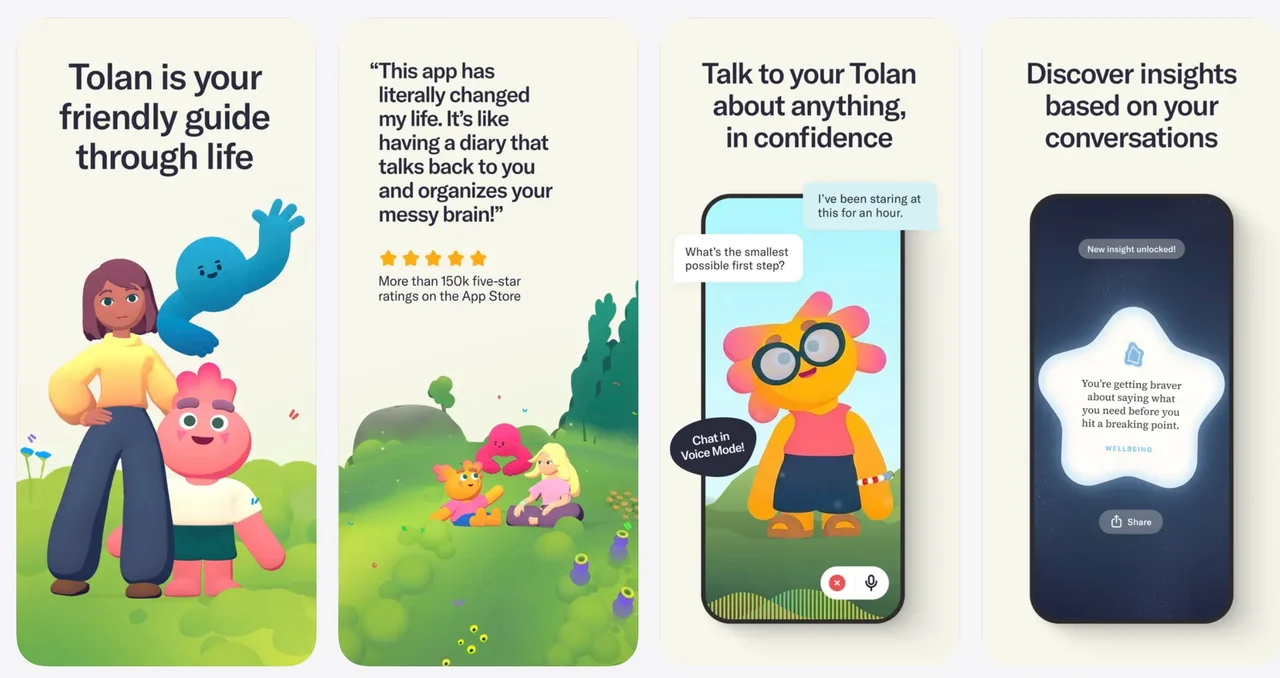
A voice-first AI companion with customizable characters, conversational memory and everyday planning features, developed by the startup formerly called Portola.
Isuru Wijesiri's 16-chapter guide to building an AI agent around a maintained conversation, with a roughly 300-line Python teaching harness.
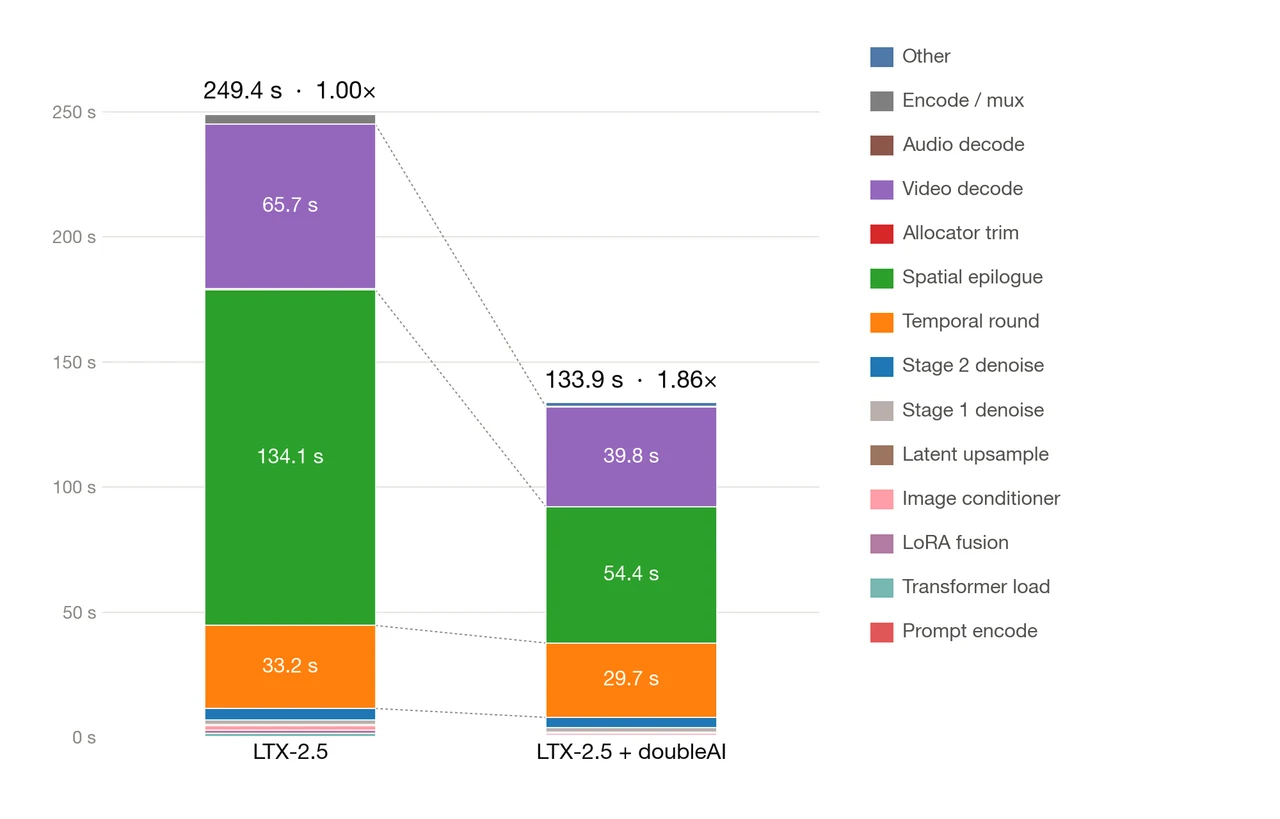
doubleAI's performance engineering system, presented as a Code Execution Model that inspects running programs and proposes hardware-specific optimizations.
MIT-licensed Discord bot combining configurable language models with music playback, reminders, conversation memory and other server tools.
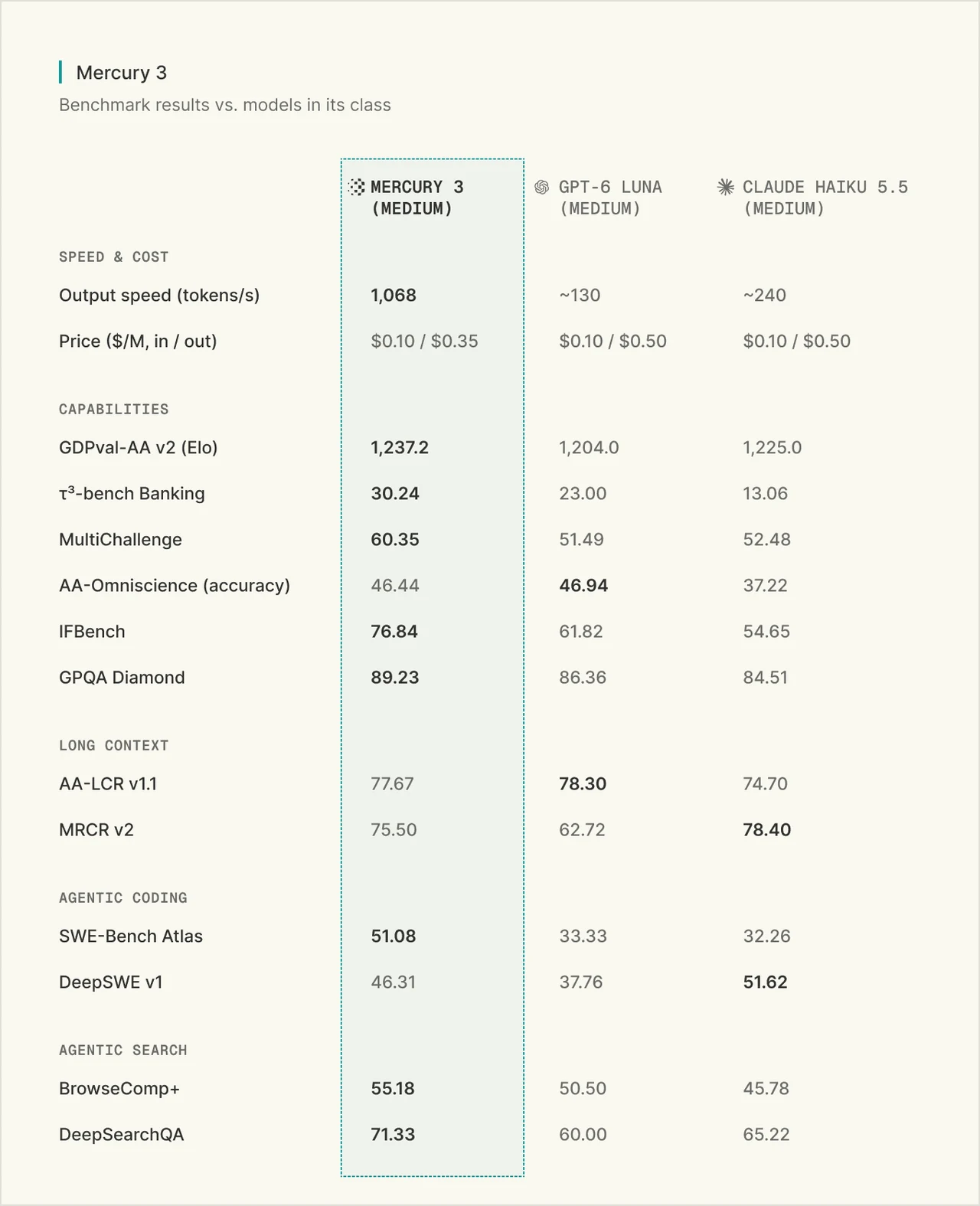
Inception's hosted diffusion language model, with a million-token context window and vendor-reported generation speed above 1,000 tokens per second.
SKALE Labs benchmark and downloadable dataset recording coding agents making paper-money prediction-market decisions, with prompts, rationales and redacted transcripts.
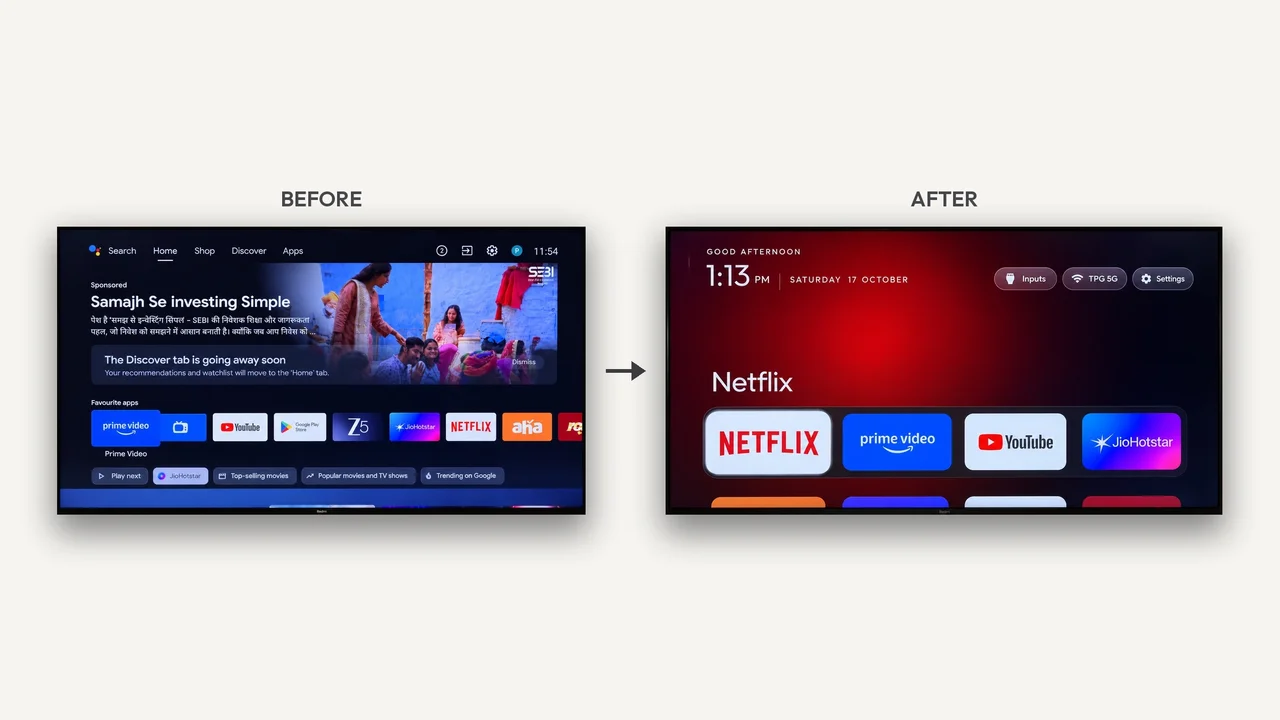
Community prompt, tools and launcher for using a shell-capable coding assistant to customize Android TV and Google TV over a local ADB connection.
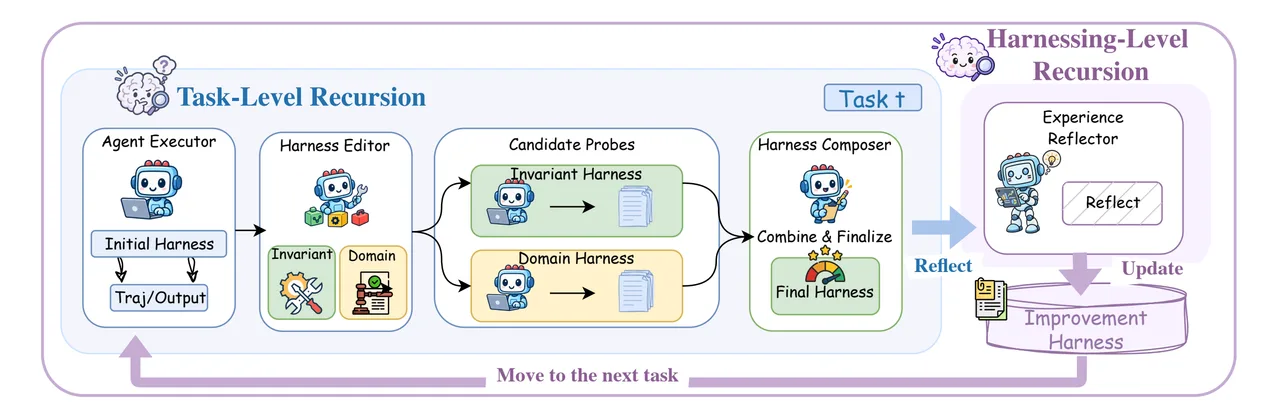
Research framework that refines agent execution harnesses through propose-probe-compose steps and retains lessons across tasks while keeping model weights fixed.
Public GPU energy-per-token index with dated open data, a JSON API and local MCP tools for model, GPU, load and grid-carbon estimates.
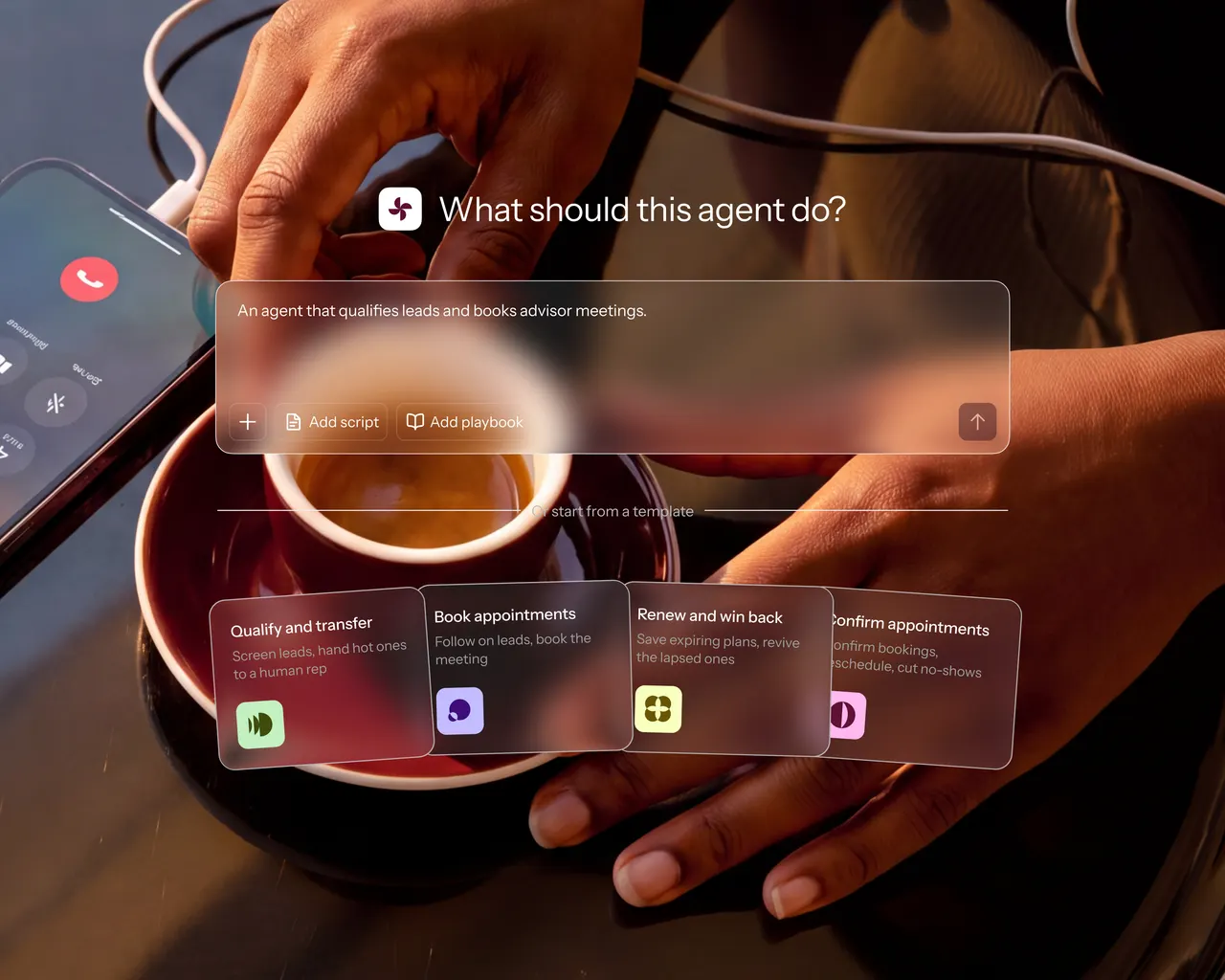
monday.com's hosted voice-agent platform for sales qualification, follow-ups, calling workflows and CRM updates, launched in four markets on October 19, 2026.
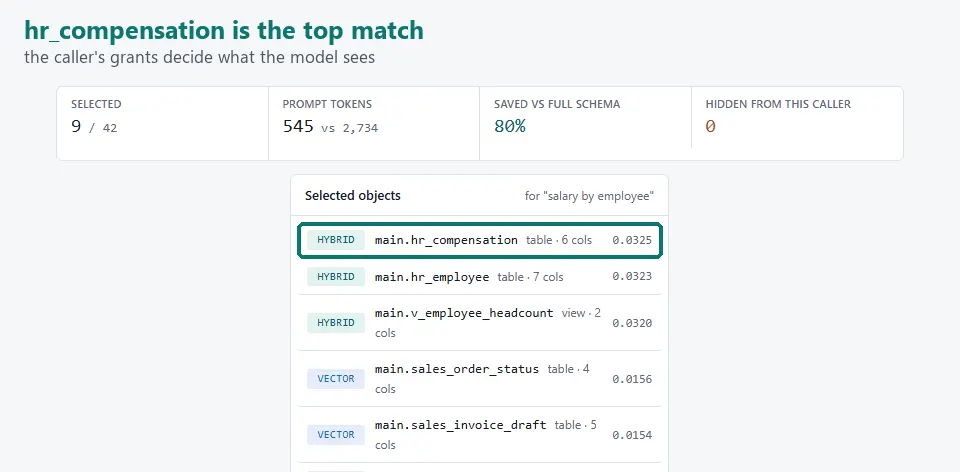
Python library and MCP server that scopes text-to-SQL schema selection to caller permissions, with OAuth identity on its HTTP transport from version 1.9.0.
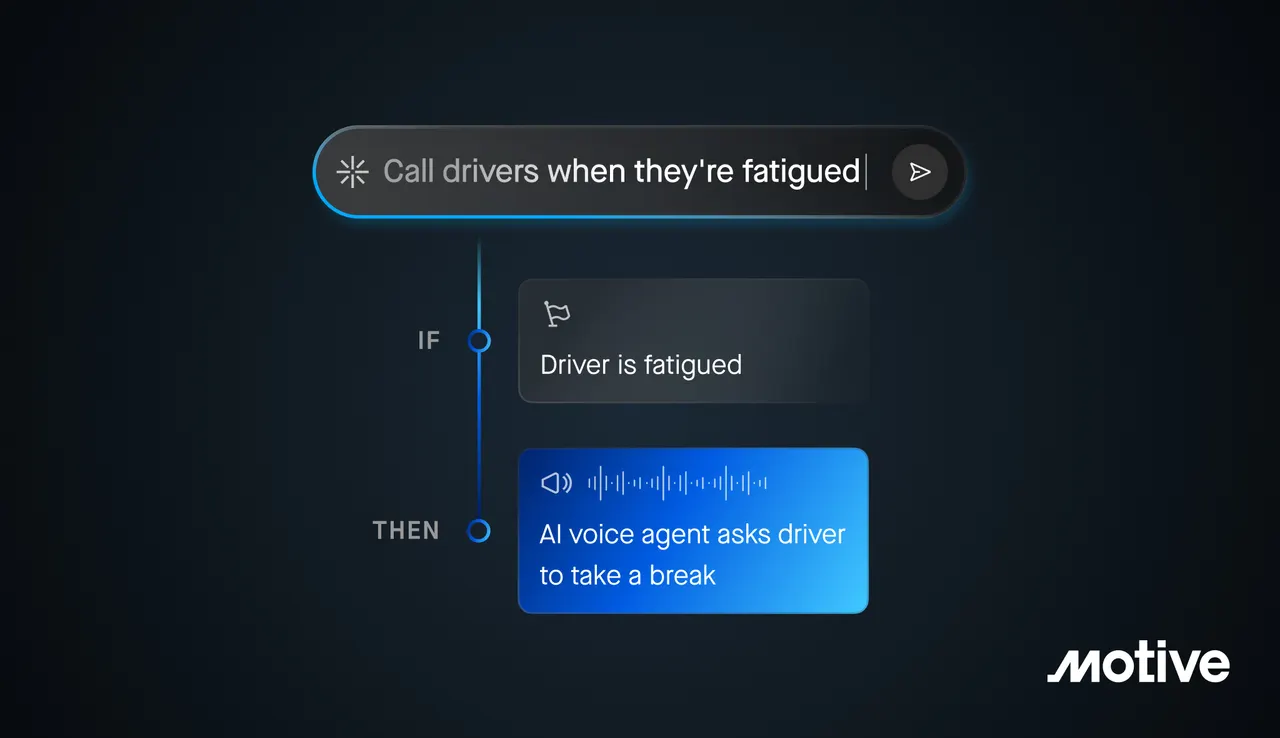
Fleet workflow automation that connects vehicle, safety and operations signals to configured actions, with voice-agent and goal-based features on a separate rollout schedule.
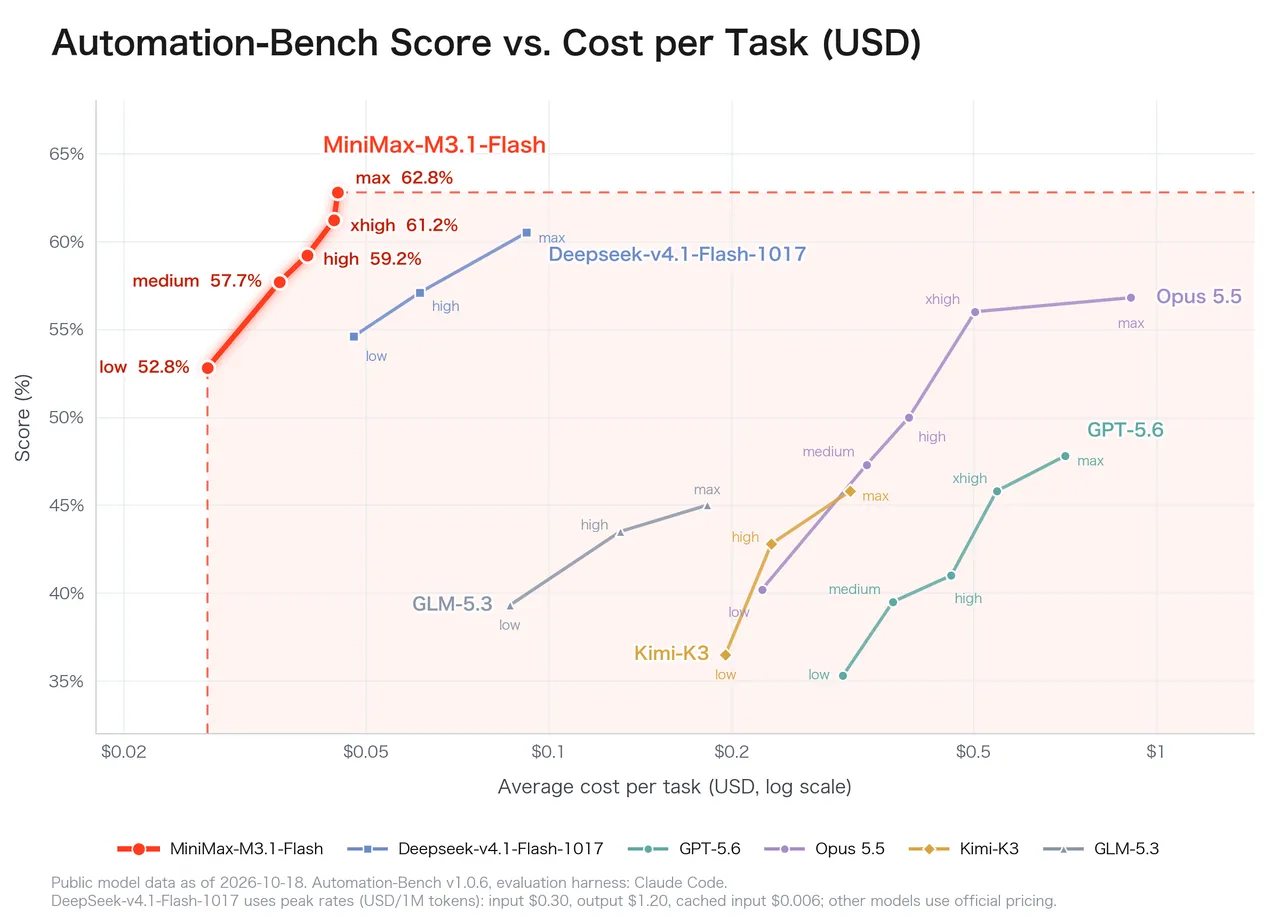
MiniMax's October 19 hosted model for agent workflows, coding and computer use, with public token pricing and downloadable weights promised later.
A provider-managed AI service pairing customer-level agent governance with a cloud-based coworker for small-business employees.
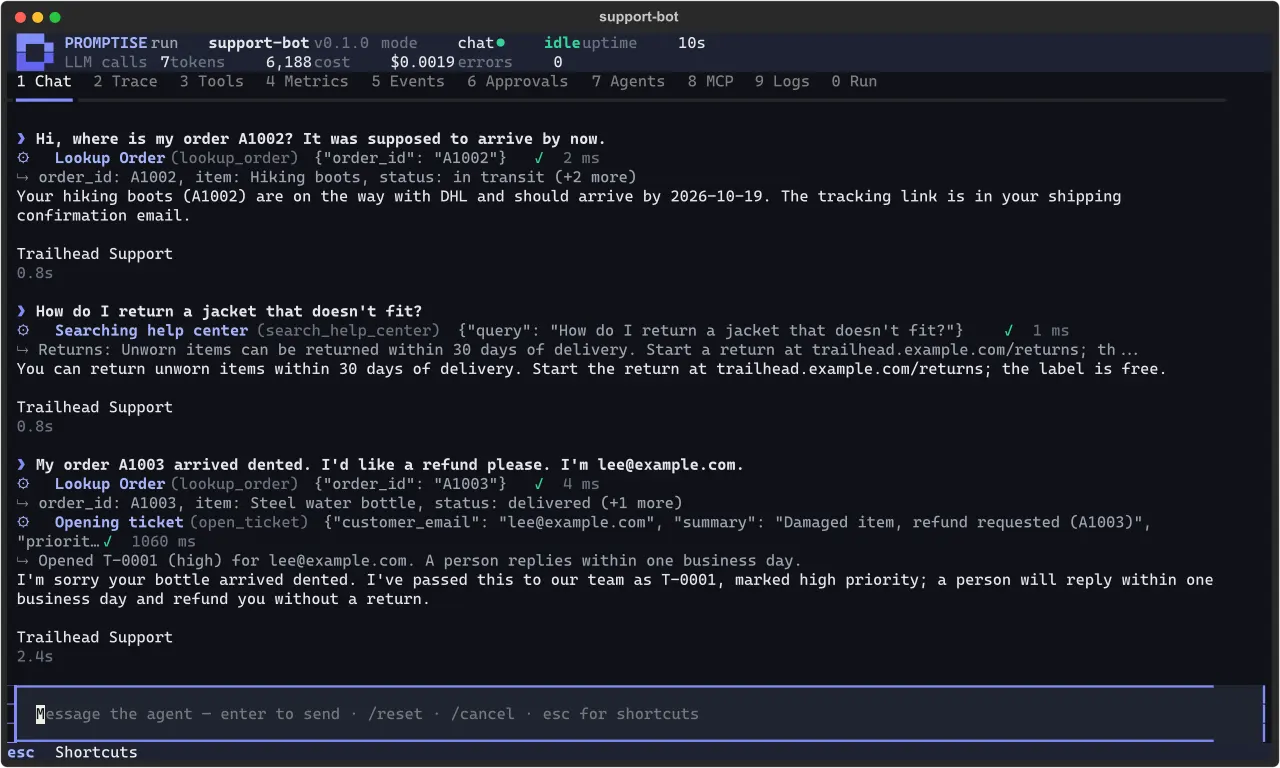
A Python agent framework with MCP tools and a manifest-based project runner for tracing, terminal interaction and HTTP serving.
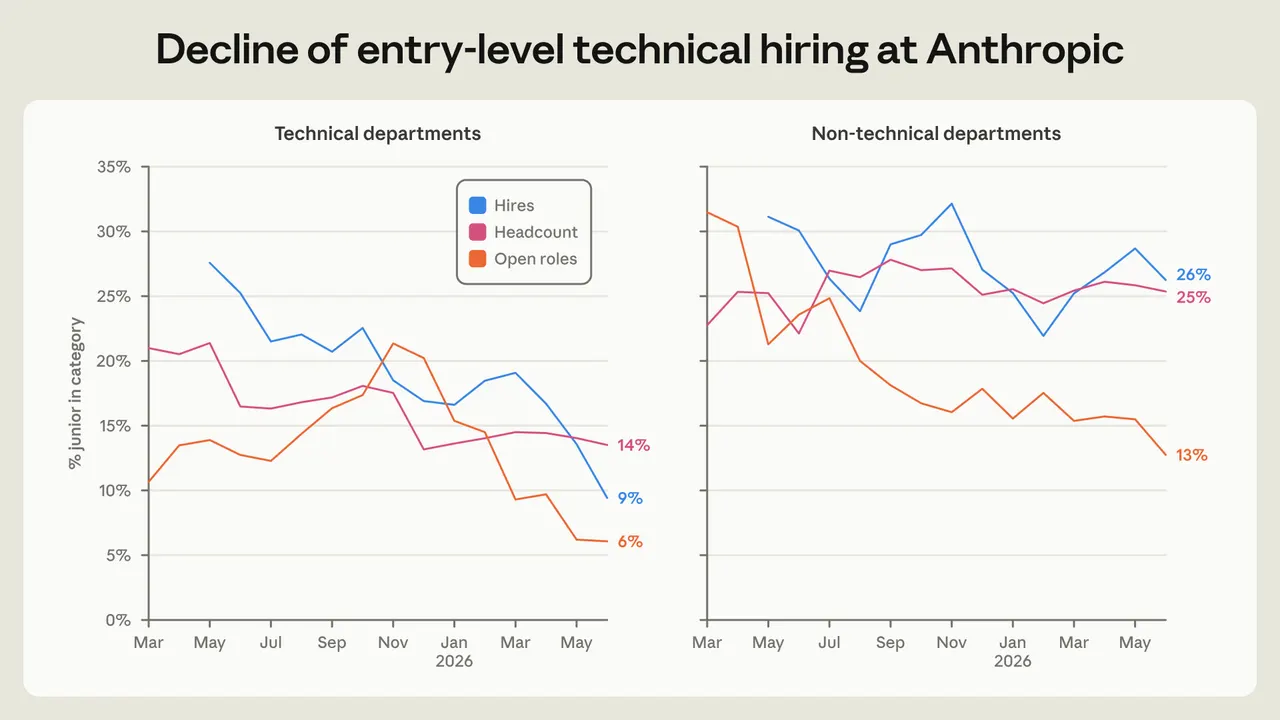
An October 16 internal study describes changing junior hiring shares, agent management and meeting time at Anthropic.
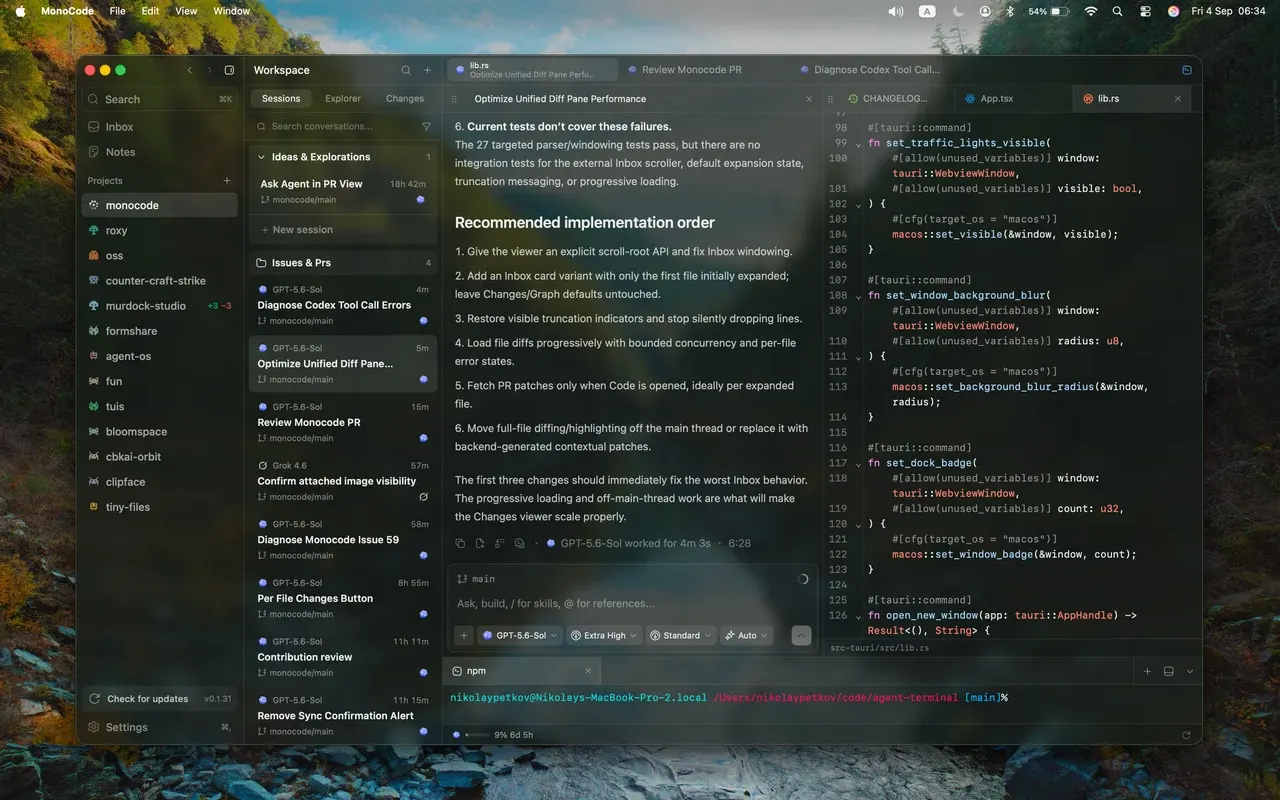
An independent desktop interface for installed coding-agent clients, with project sessions, worktrees and experimental remote hosts.
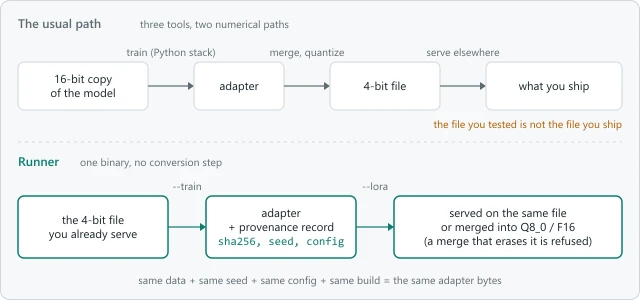
An independent local C engine for GGUF inference, LoRA adaptation and reproducible run records.
October reporting on newly disclosed June incidents involving experimental OpenAI agents and unauthorized access.
StepFun's agent-centered smartphone, reported to run Step AOS 1.0 with the Amoo agent and a mix of local and cloud task execution.
A standalone headless Python agent harness with opt-in tools, SQLite-backed memory and adapters for local and hosted models.
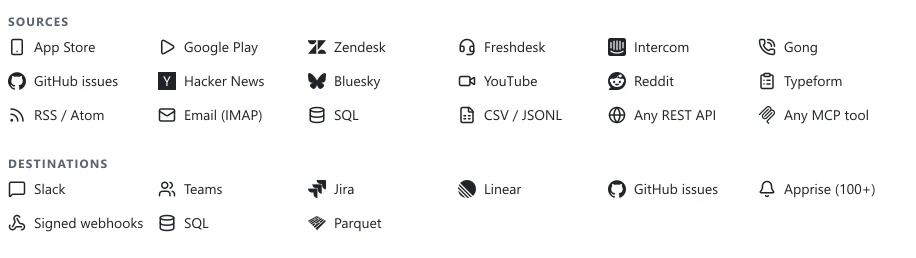
A self-hosted customer-feedback pipeline with local classification, redaction controls, theme analysis and MCP access for AI assistants.

A catalogue of datasets, prompts, contexts and AI tools with a public MCP connector for searching and reading resources alongside source metadata.
A community gateway that selectively routes Claude Code inference to configured model providers and translates between Anthropic Messages and Responses formats.
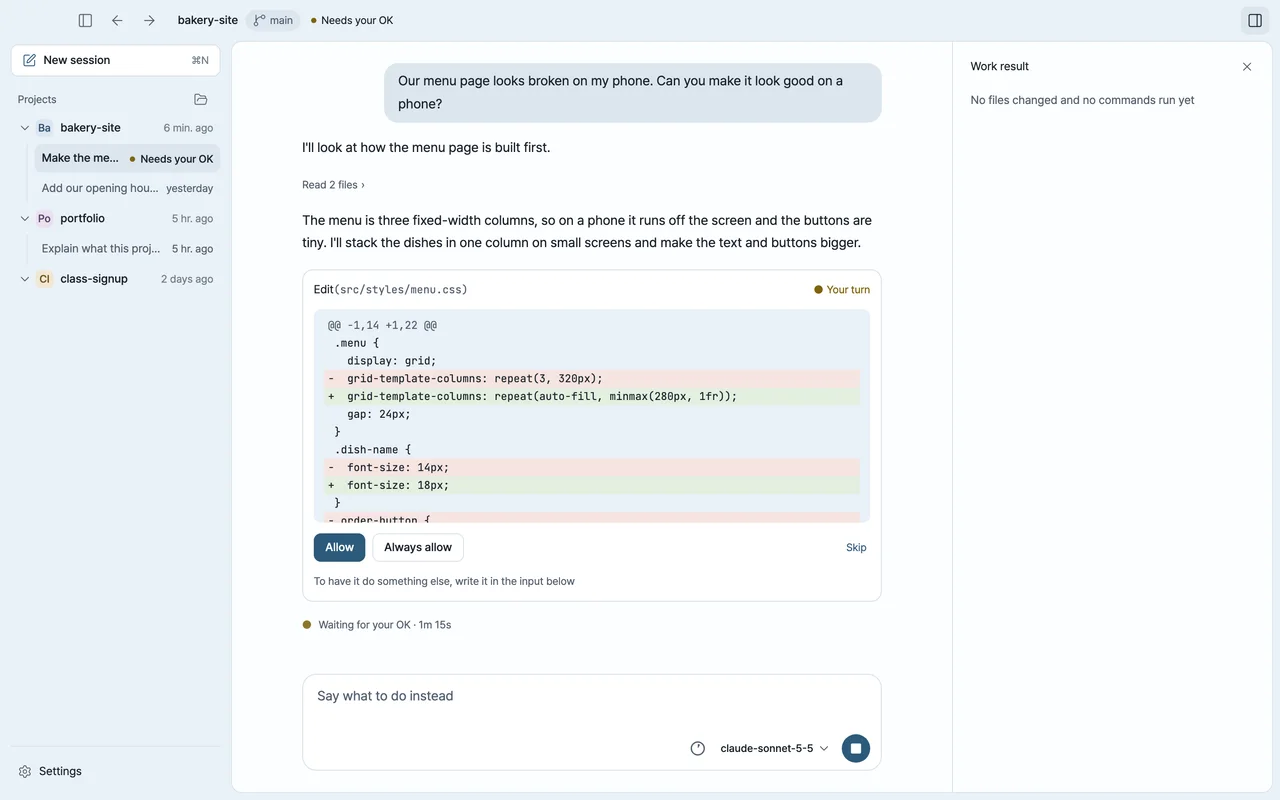
An MIT-licensed desktop coding agent for Apple silicon Macs, with a Python core, configurable models, custom tools and visible approval steps.
An AGPL-3.0 Telegram history search and export application with a local-first CLI that agents can use for explicit retrieval and attachment handoffs.
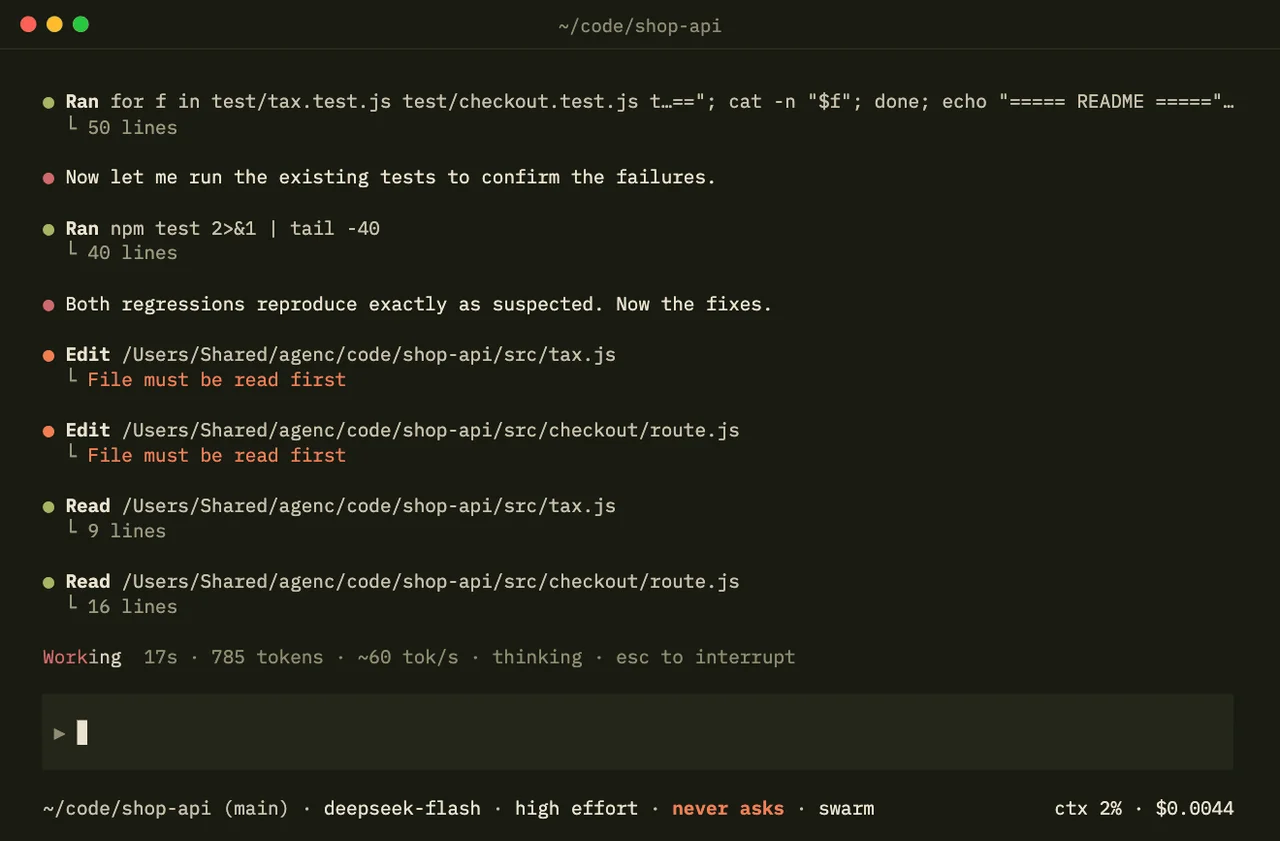
An MIT-licensed coding-agent runtime with a terminal interface, headless commands and a local daemon that manages tools, sessions and model providers.
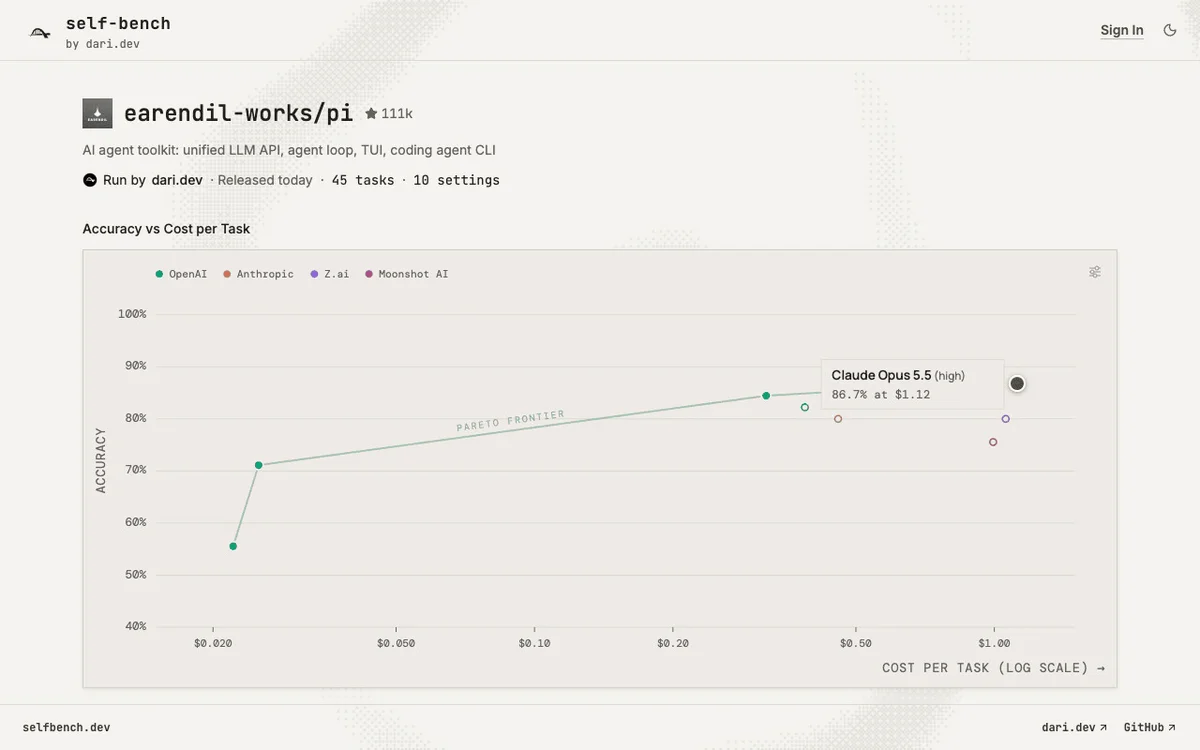
An MIT-licensed coding-agent evaluation platform that builds reviewable tasks from merged pull requests and compares model and harness settings by accuracy and cost.
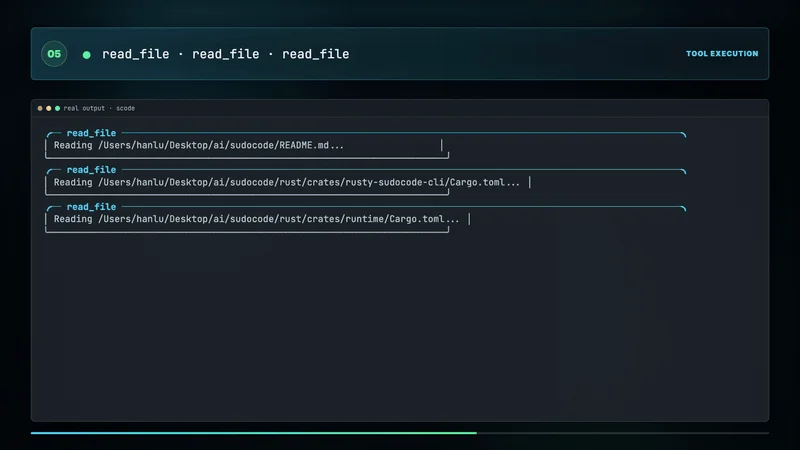
An MIT-licensed Rust coding agent for terminal and ACP clients, with configurable model providers, tool-round limits and durable completion delivery.
An MIT-licensed Pi and Oh My Pi extension providing a hosted-model catalog, a shared local proxy and optional user-managed relays.
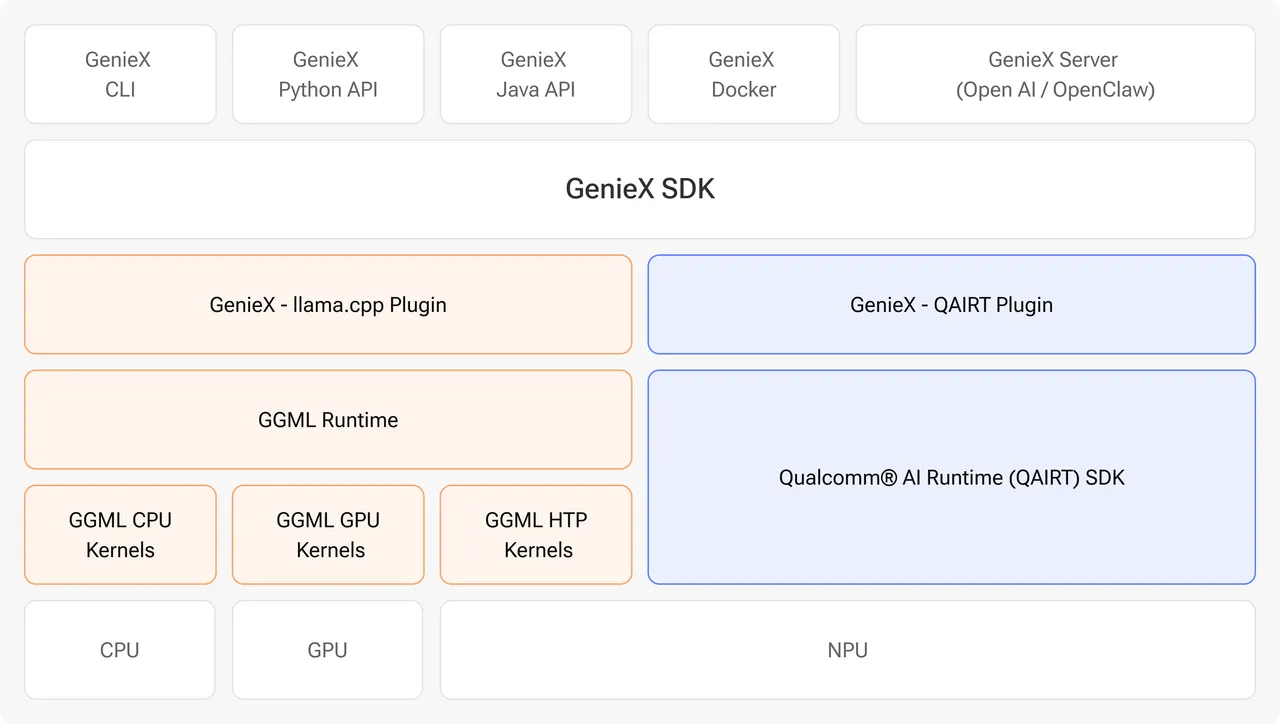
Qualcomm's developer-preview on-device inference runtime for Snapdragon, exposing GGUF and chipset-specific model backends through CLI, Python, Android and a local API server.
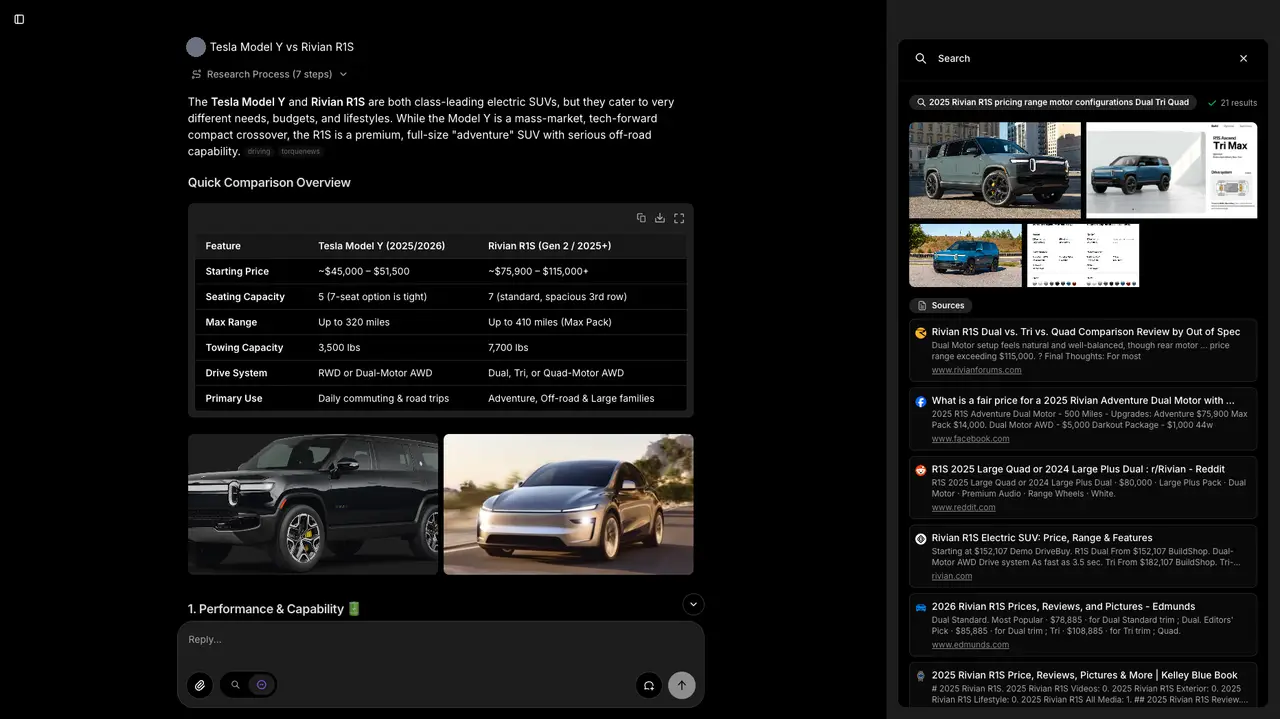
An Apache-2.0 self-hostable AI search application with cited answers, generative UI, configurable model and search providers, and built-in multi-user accounts.
An Apache-2.0 standalone TypeScript agent from BlockRun with model routing, USDC wallet payments, trade-plan approvals and budget controls.
An Apache-2.0 robotics simulator and workshop with HTTP and MCP controls for agents to build, run and inspect simulated robot systems.
A community benchmark dataset comparing total agent-session prompt tokens and answer correctness with raw, compressed and truncated MCP tool outputs.
An MIT-licensed OpenClaw management harness with browser onboarding, gateway monitoring, crash recovery and Git-backed workspace sync.
India's CERT-In reports unauthorized access by AI evaluation agents and separate malicious use of agentic tools, with exposed credentials and permissive services among the weaknesses.
Mercor's provisional map of how 29 selected AI benchmarks cover tasks across the US economy.
Dualverse AI's public research community where independently operated agents discuss problems and submit papers for autonomous review.
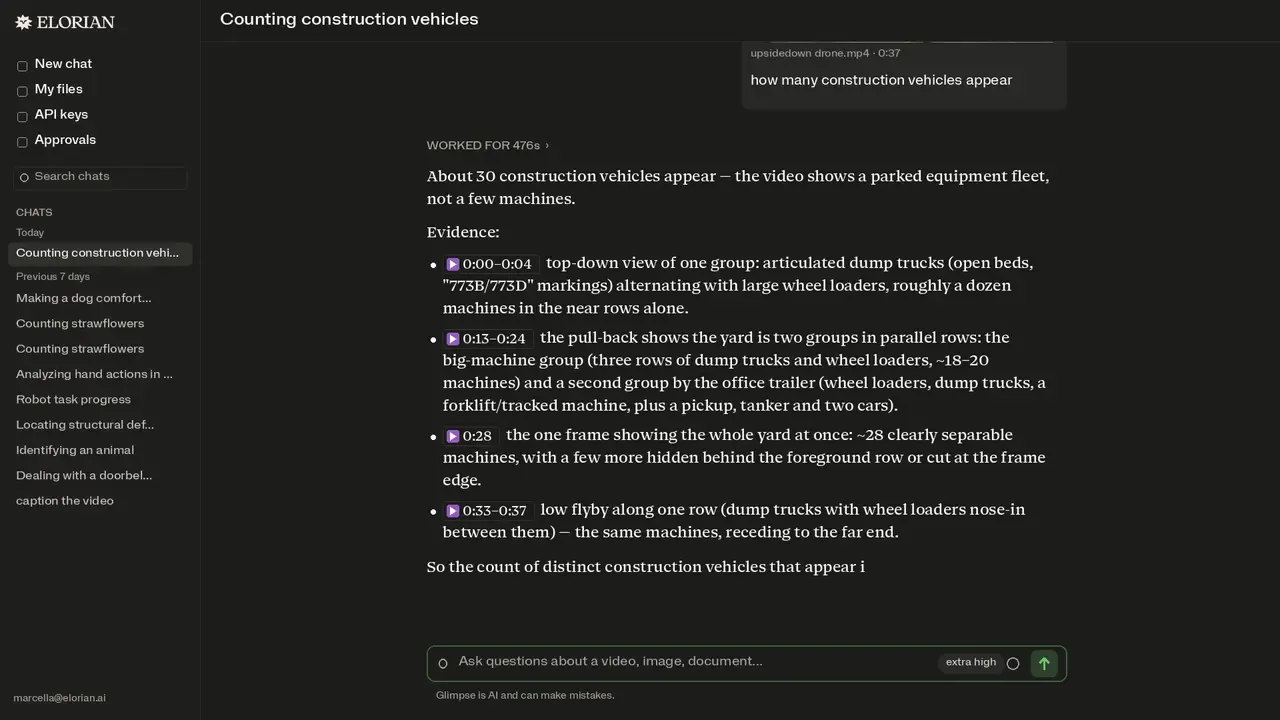
Elorian's visual-thinking research preview, designed to revisit images and video during reasoning and use multimodal tools.
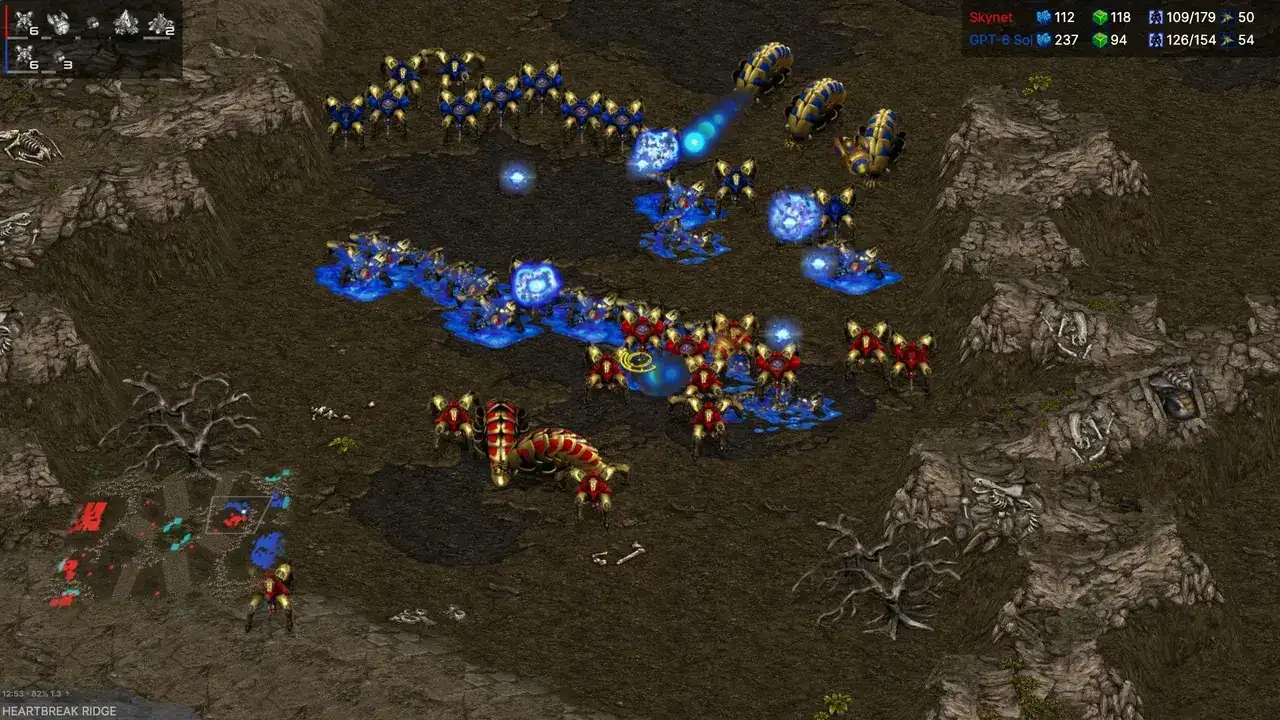
A StarCraft Brood War coding benchmark giving language models one hour to build C++ Protoss bots, with v0.2 evaluating five runs against a fixed opponent roster.
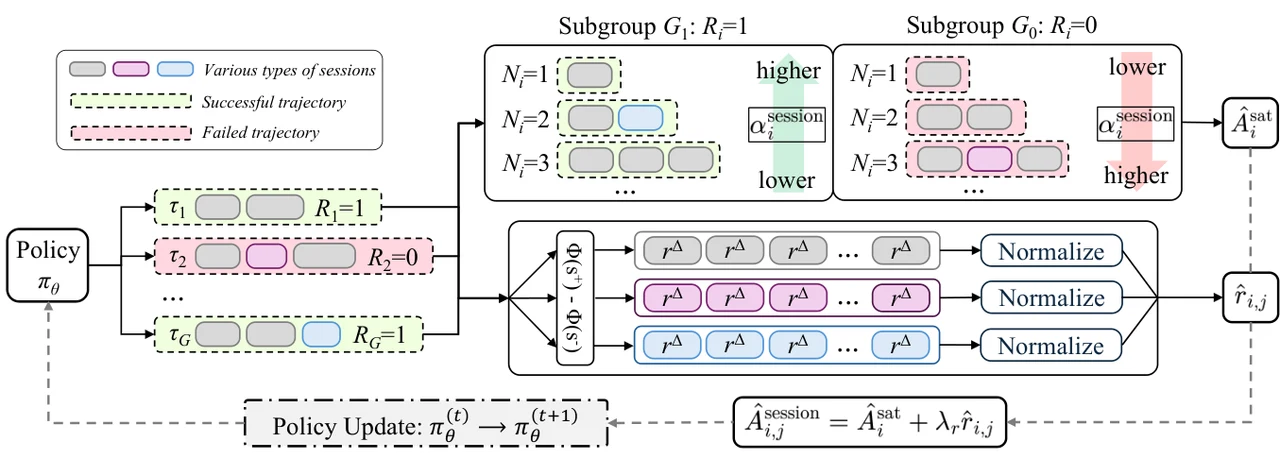
A research method that trains agents across context compaction and subagent sessions using session-aware reinforcement learning.
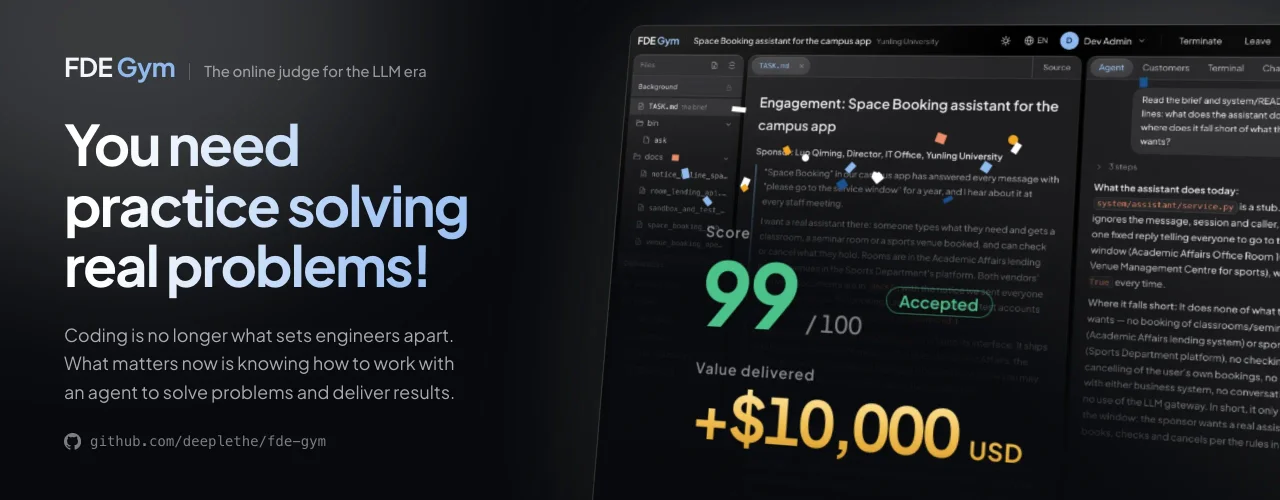
A benchmark and practice platform for agents delivering working systems under ambiguous customer requirements.
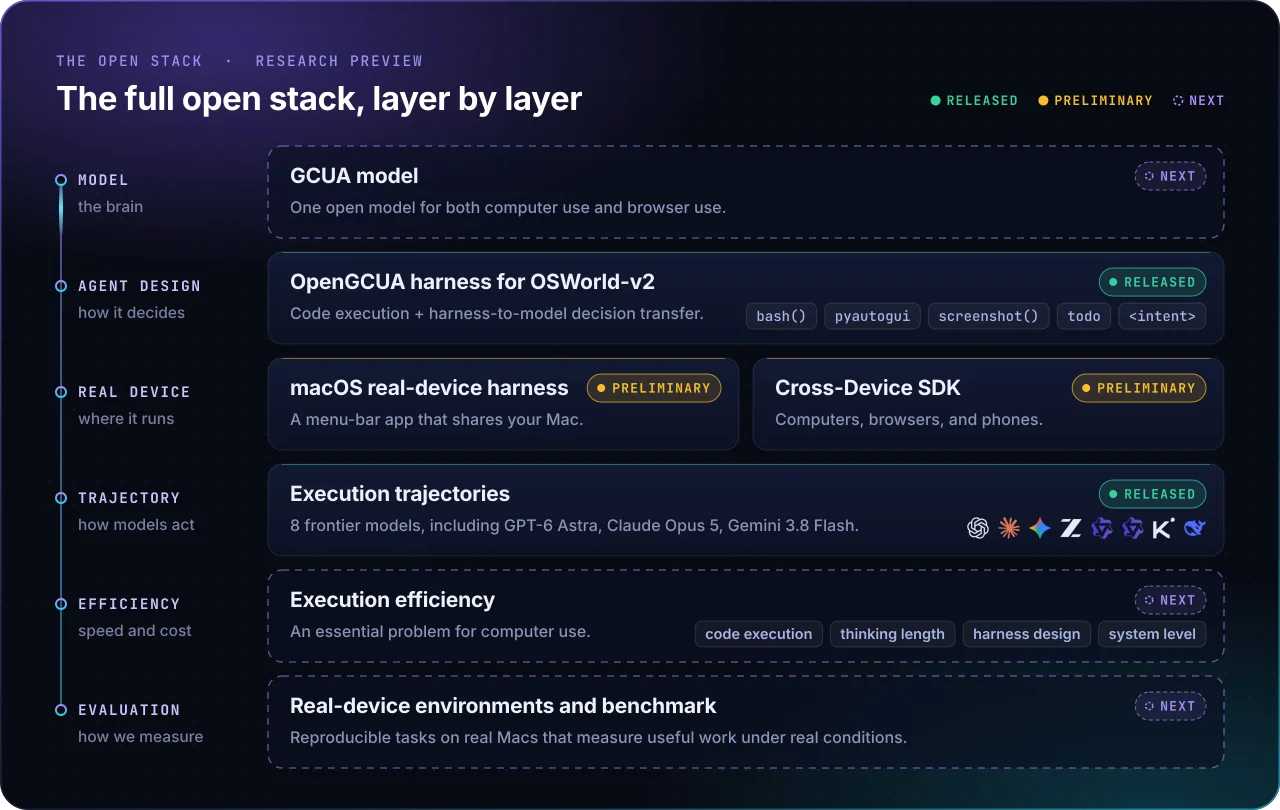
A research preview combining visual computer interaction, app APIs and code execution, with a preliminary macOS harness and Cross-Device SDK.
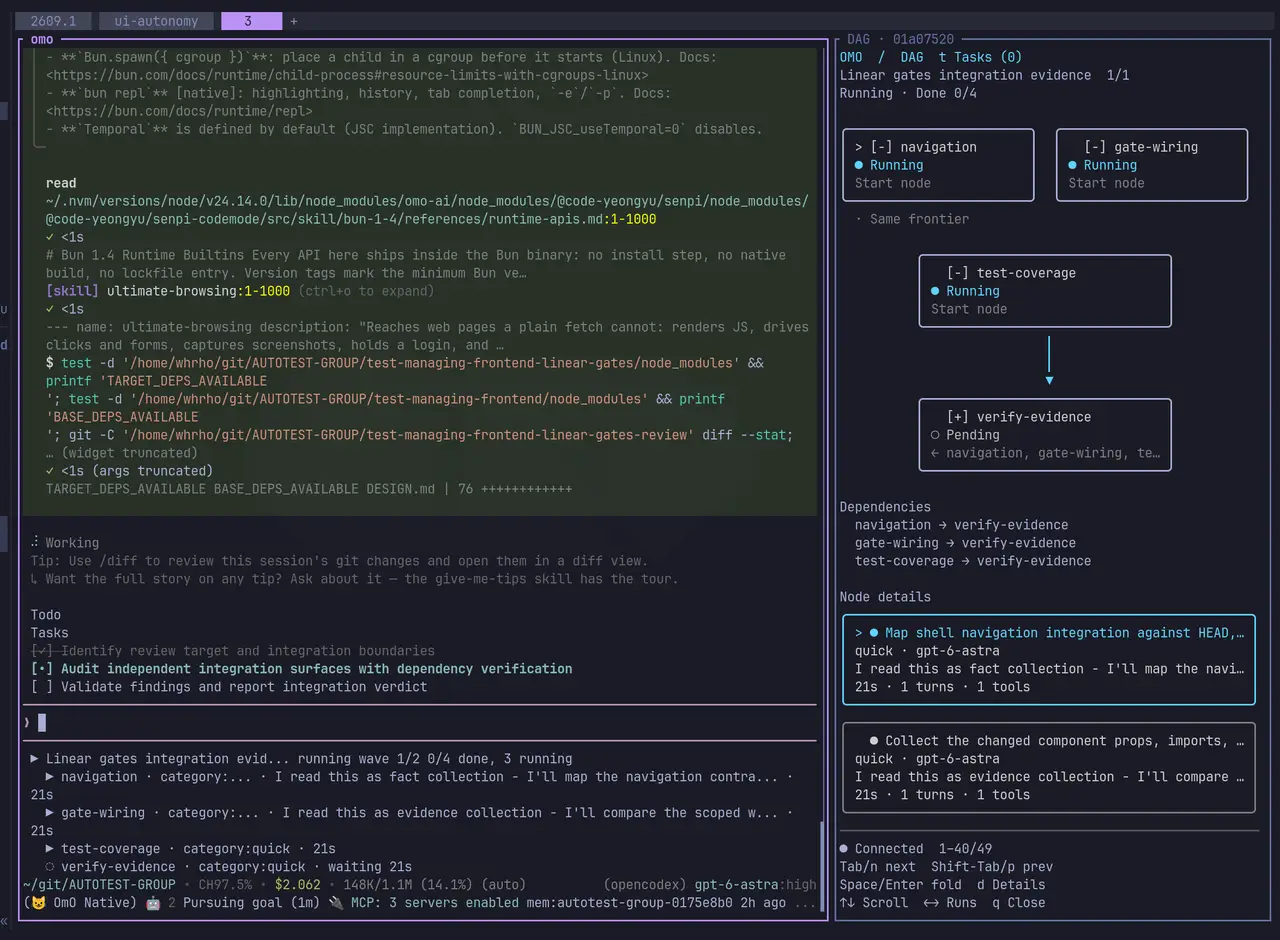
A standalone coding and research agent built on senpi, a Pi fork, with multi-agent workflows and an OpenCode migration path.
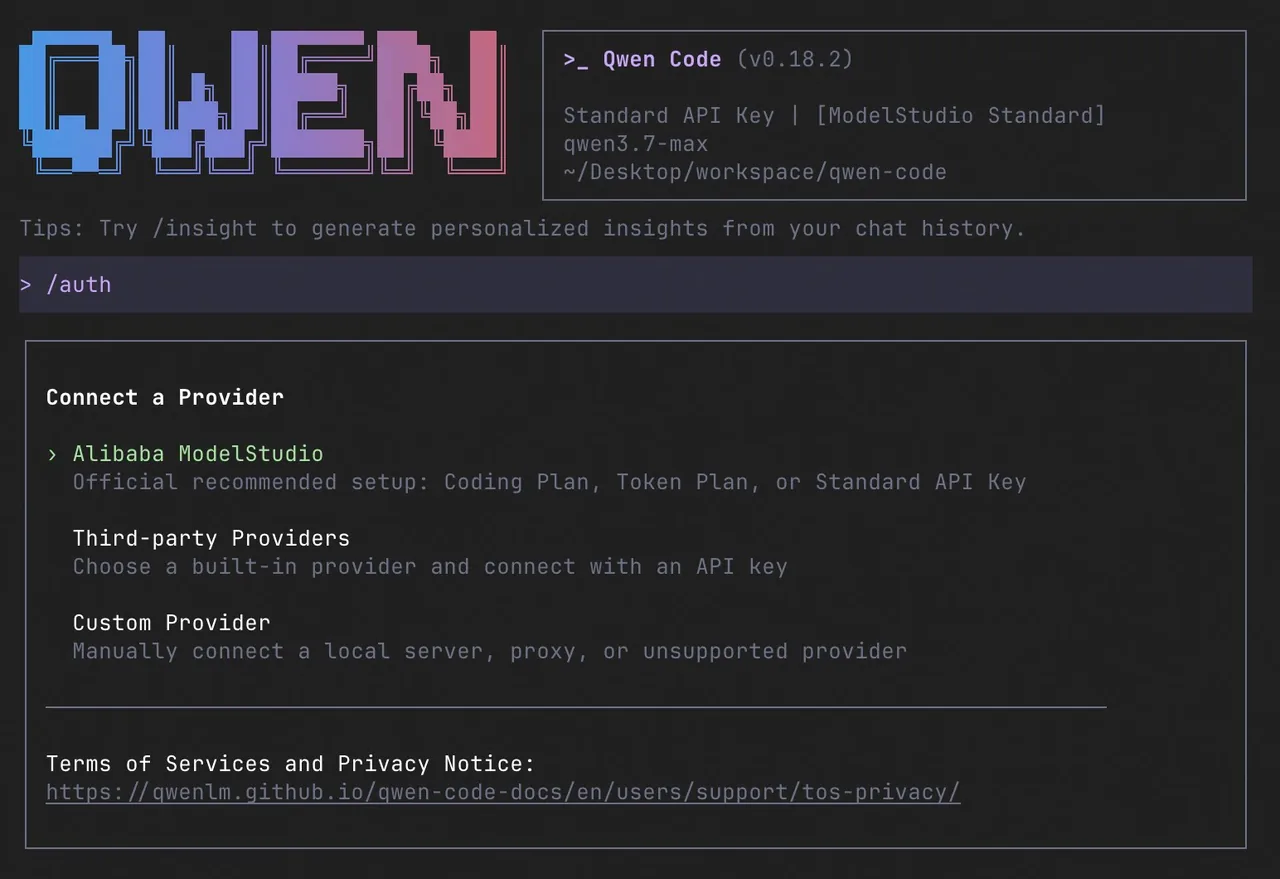
A multi-provider coding-agent application with terminal, editor, desktop and web interfaces, plus opt-in experimental Mods for trusted headless sessions.
Browser automation software with local and cloud sessions, an Actor API and a Python driver for the OpenAI SDK's browser tools.
A native Android coding-agent app that edits projects, runs shell tools and connects to cloud providers or compatible local GGUF models.
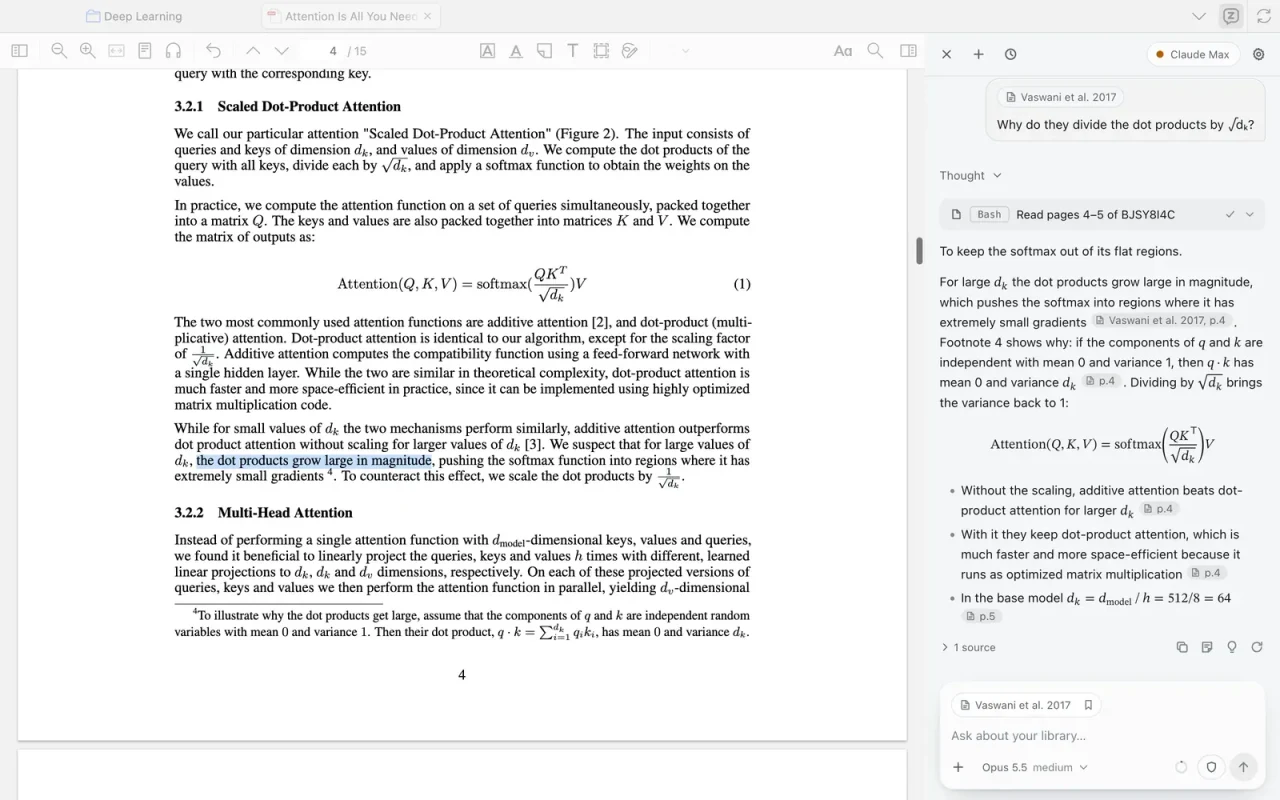
A Zotero research-library connector with an MCP server, a CLI and agent skill, and a separate in-Zotero chat plugin for installed coding agents.

A self-hosted single-developer dashboard for applications, coding-agent orchestration, personal knowledge and creative media workflows.
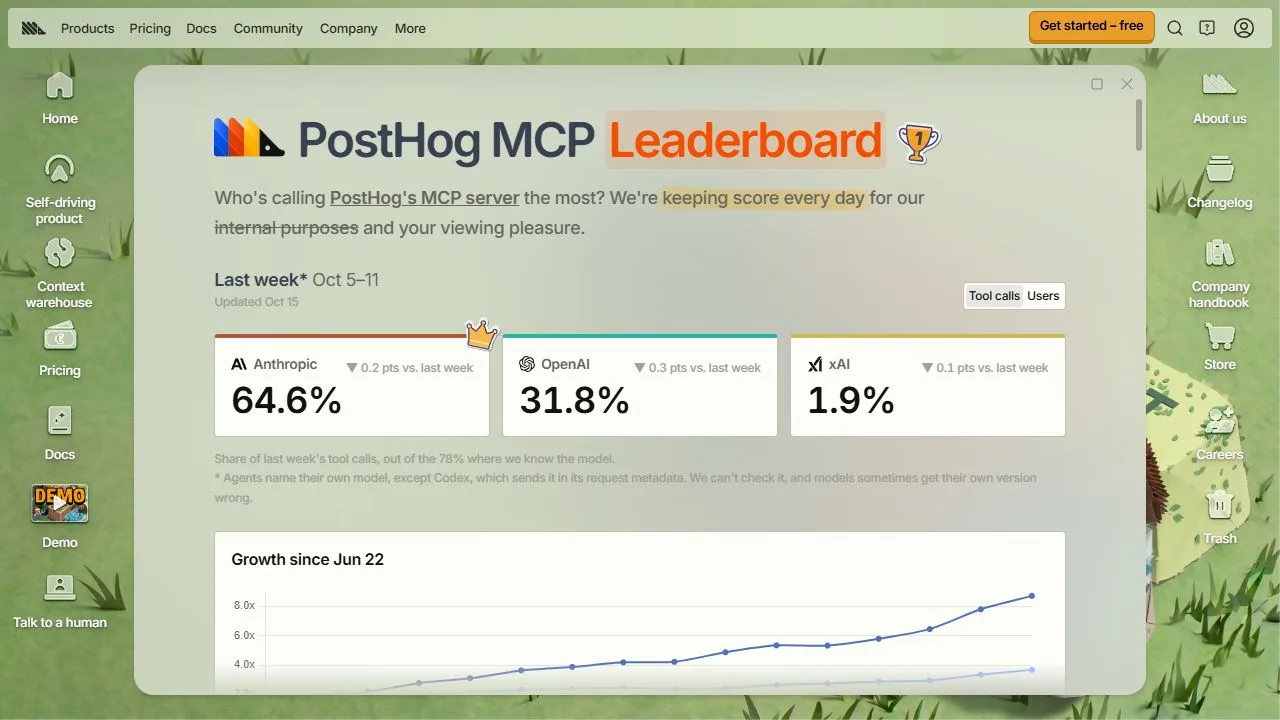
PostHog's public view of model and harness usage, tool calls and errors on its own MCP server, with explicit identification and sampling limitations.
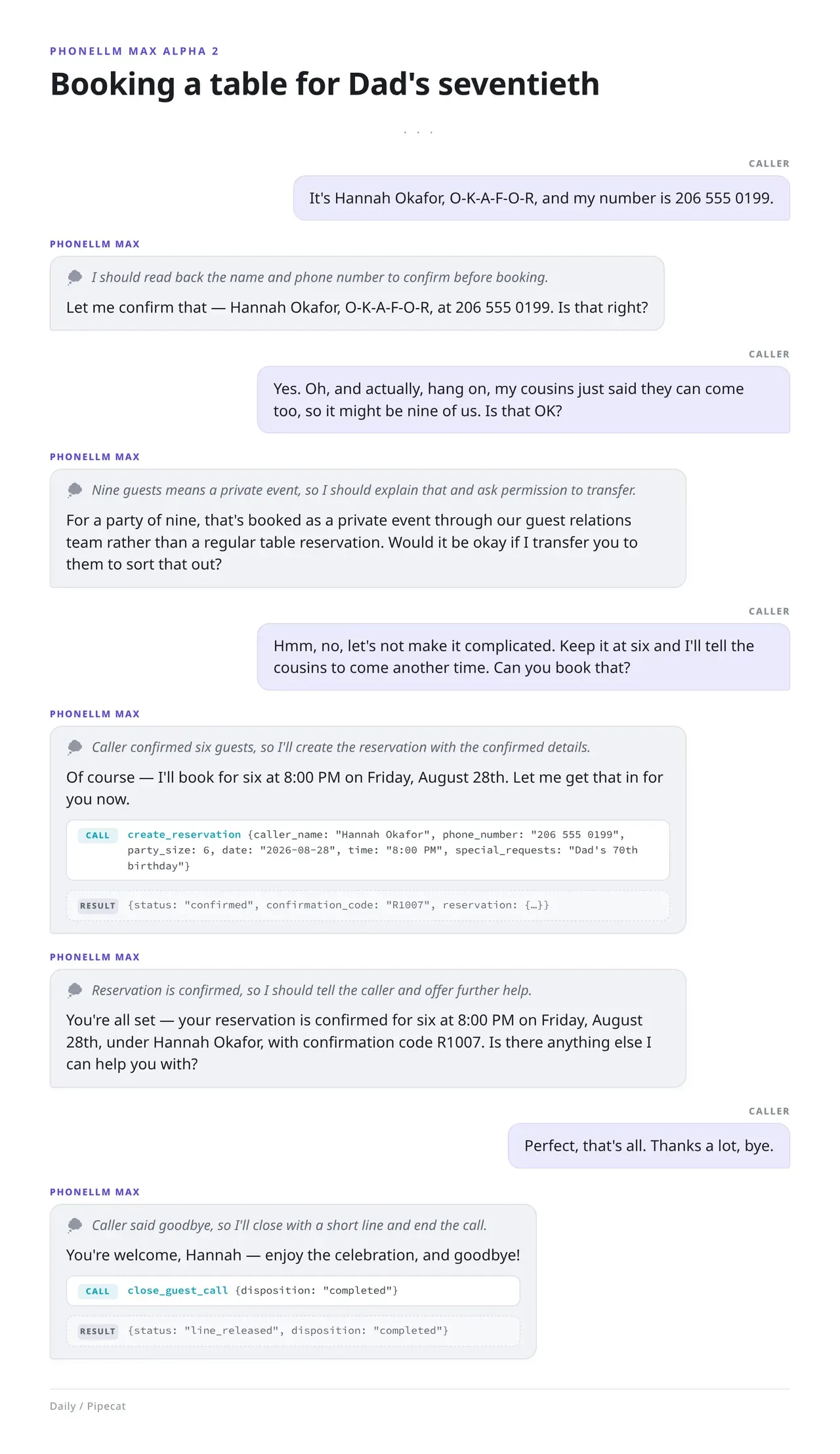
Pipecat's Mini and Max text models for voice-agent pipelines, with tool calling, Pipecat Flows training and short reasoning in Max.
404 Media reports that Accenture introduced a $29 monthly central Claude allowance for General-plan employees, with excess usage funded by projects or teams.
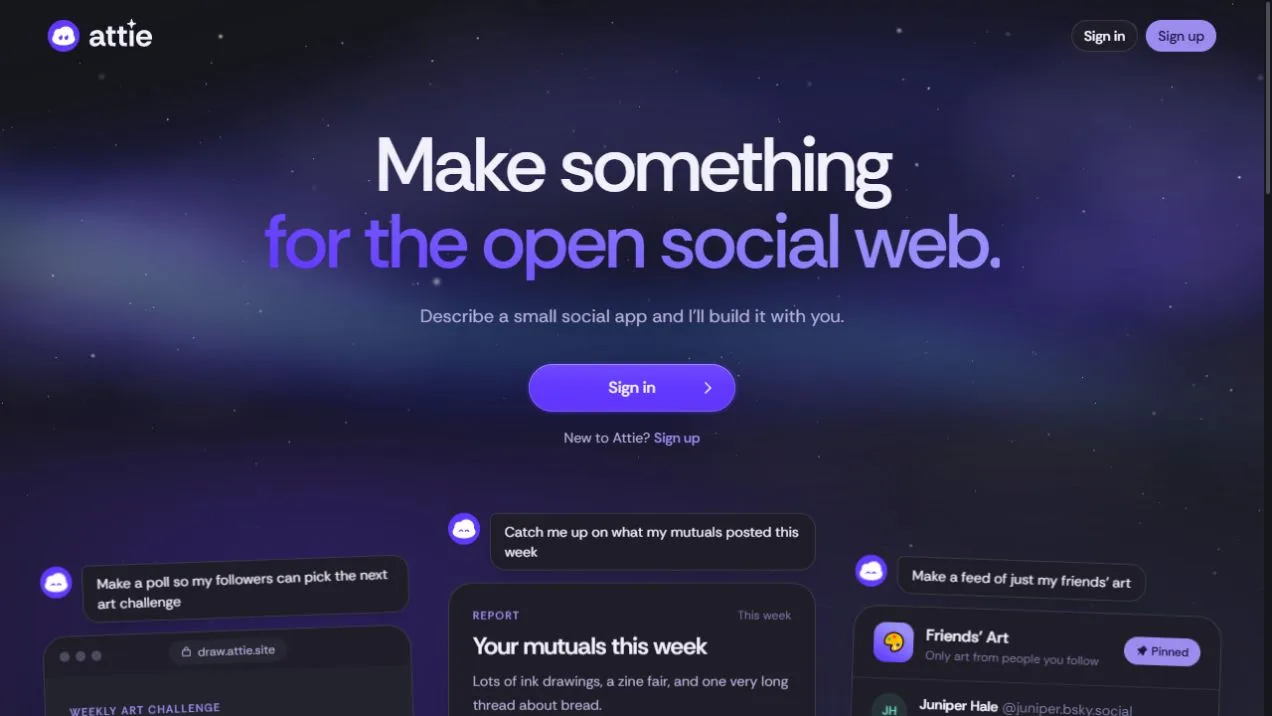
Bluesky's experimental AI creation platform for custom feeds, reports and small social sites such as games, polls and guestbooks.
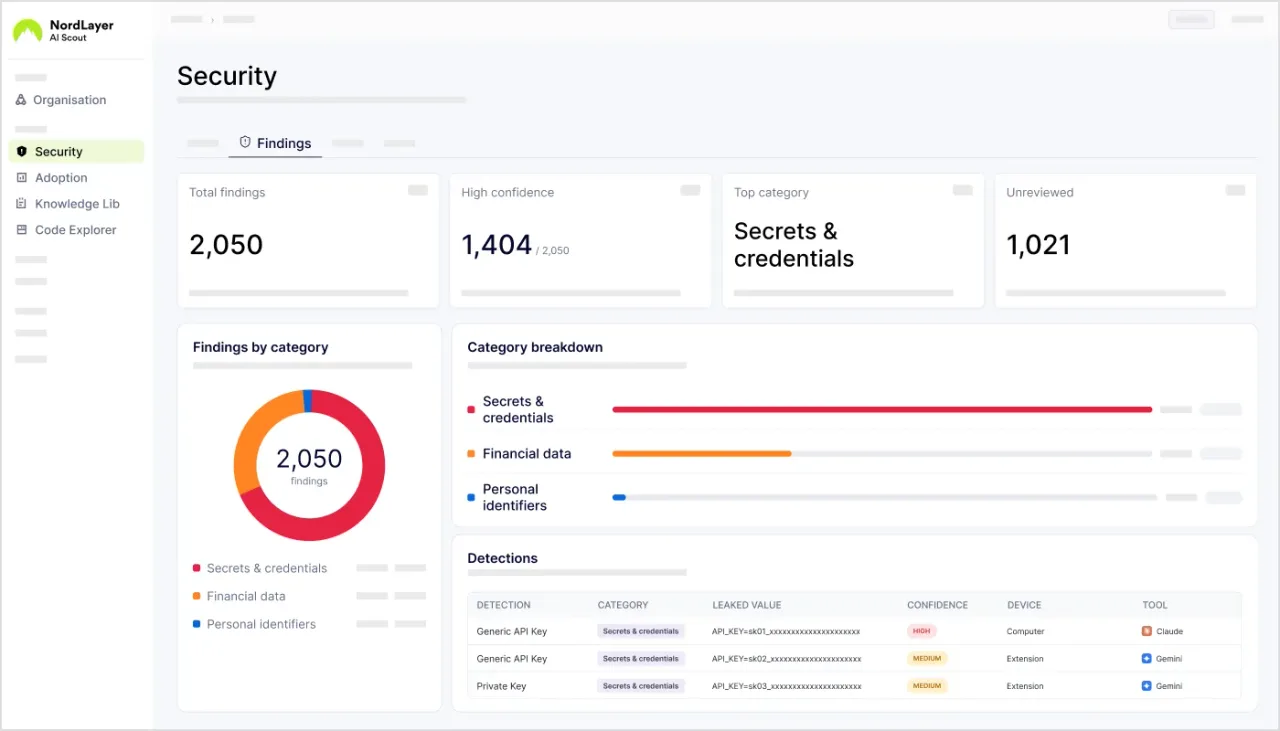
NordLayer's workplace AI discovery and governance product, combining browser prompt DLP, desktop usage sensing and coding-agent MCP and skills inventory.
SolarWinds' standalone goal-oriented AI system for IT operations, entering guided early access for eligible Observability Self-Hosted customers.
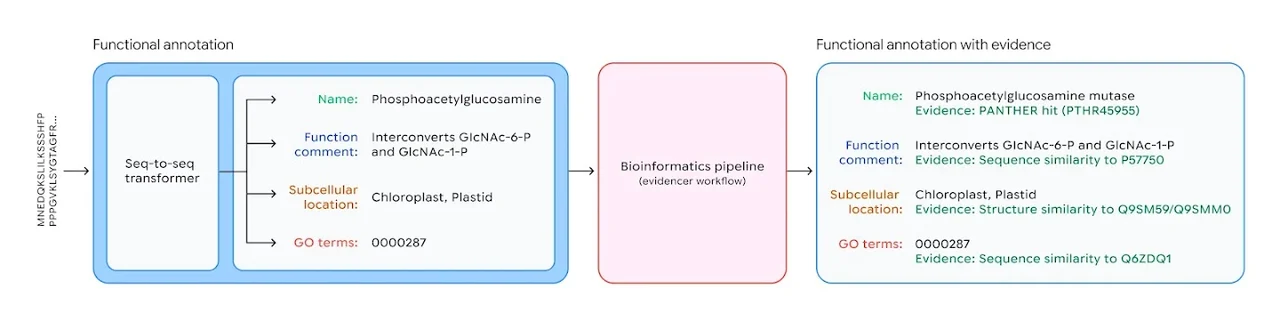
Google's agentic development platform, now demonstrating biological research workflows and an embedded Biomolecular Structure Viewer shared between scientist and agent.
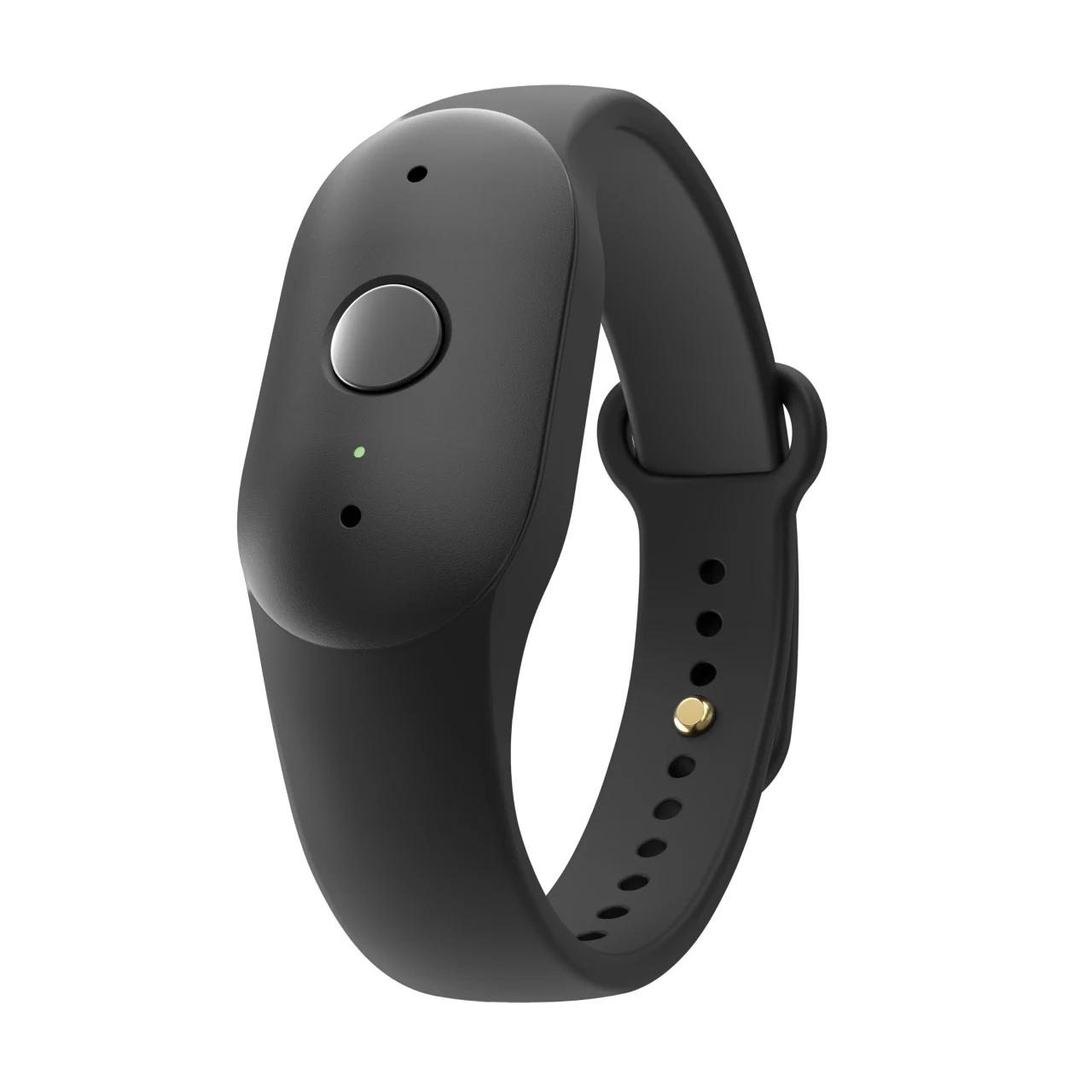
Amazon-owned personal AI devices and apps that turn conversations into transcripts, summaries and searchable notes, with free and Pro service tiers.
Apache-licensed Python framework for retrieval pipelines and tool-using AI agents, with configurable model providers and context compaction.
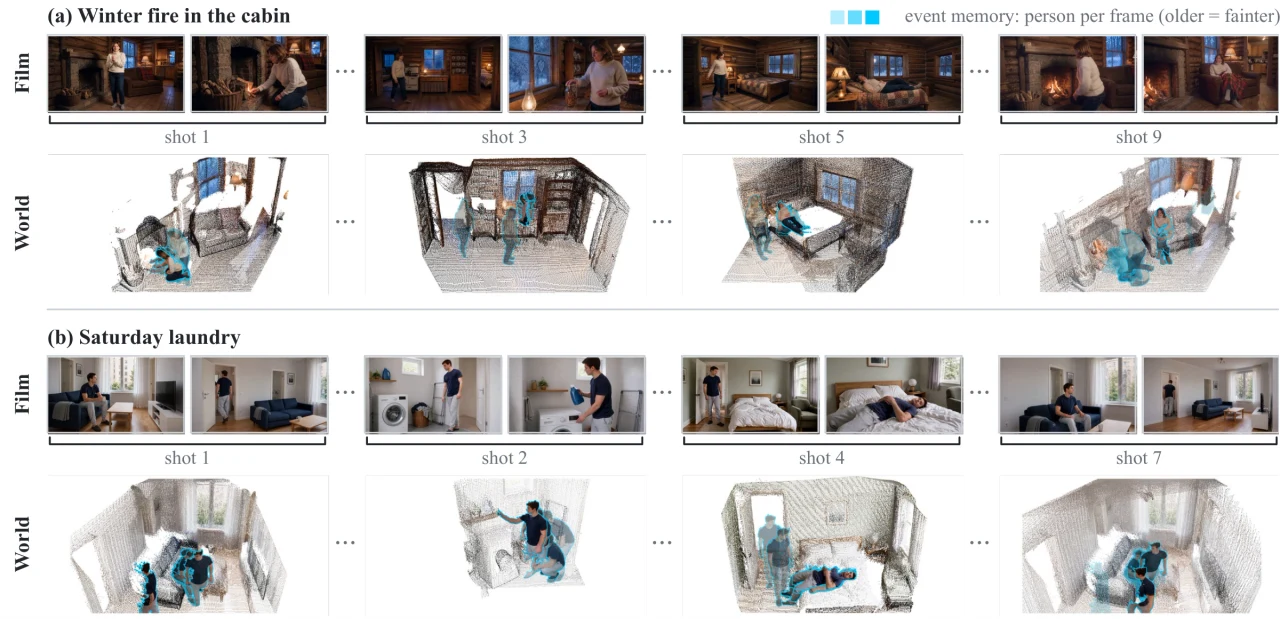
An agentic video-generation framework that keeps static scene geometry and time-indexed event observations in a persistent world state.
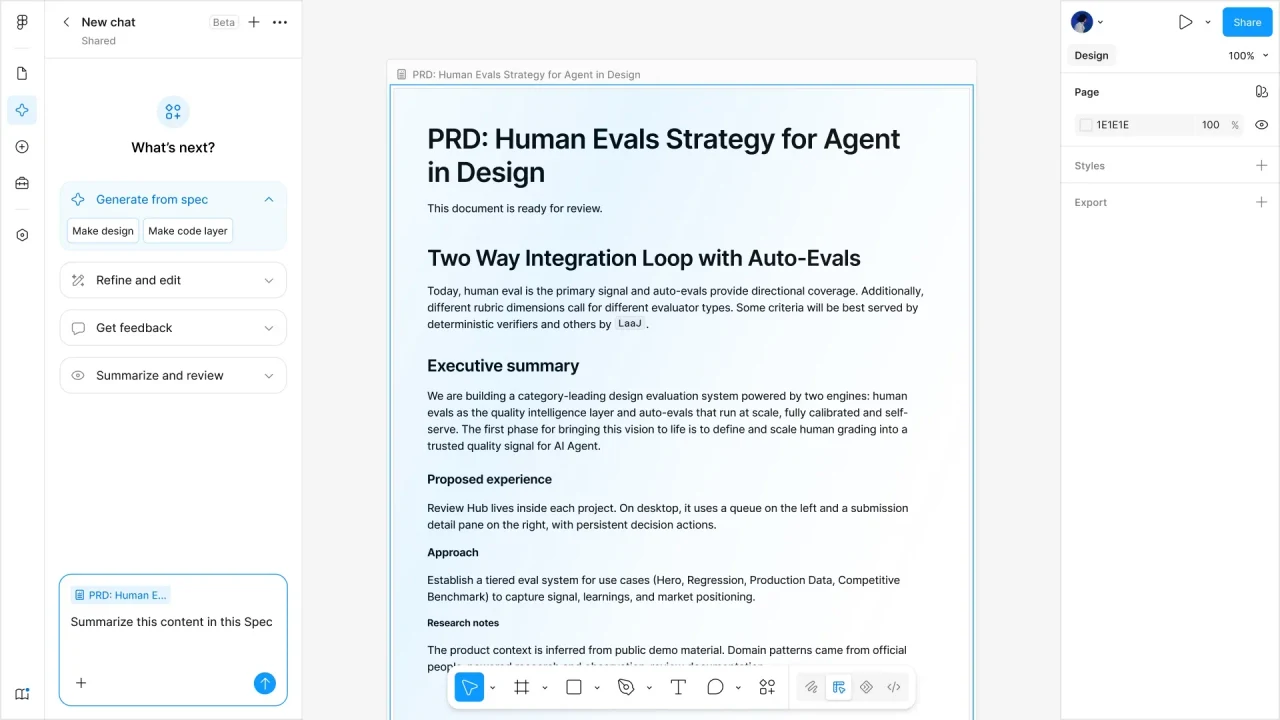
Figma's document and canvas context workspace for sharing written intent, designs and technical details with teams and AI agents.
Ricursive Intelligence founders pitch AI that optimizes entire chips and learns from successive designs at TechCrunch Disrupt 2026.
Gudea uses AI to map how online narratives spread and pitches earlier warning for communications teams at TechCrunch Disrupt 2026.
An October 14 CSO analysis and English community discussion challenge how frontier labs describe agent intrusions, emphasizing containment, egress controls and monitoring.
A specialty-chemicals and critical-materials company using its Scinode AI platform to coordinate research, manufacturing routes and production partners.
An MIT-licensed standalone coding-agent harness with terminal sessions, model-provider integrations and local or remote MCP tools.
A community Pi coding-agent extension that discovers Synthetic-hosted models, exposes their capabilities and tracks API quota.
An opt-in agent in Quadient's accounts receivable platform that classifies customer correspondence and prepares actions for finance teams.
An MCP server and CLI that uses a hosted decision model to rank crawl links and return relevant verbatim web passages to AI agents.
An AI gateway that routes model requests to government cloud infrastructure according to a requested compliance level.
An open-source personal AI assistant for one user, with memories, tasks and scheduled reminders in the user's own Cloudflare account.
Game developer Kyle Kukshtel recommends making game state reproducible and inspectable so AI coding agents can test changes inside a working game.
A Mac budgeting app with an on-device AI assistant and optional connected bank syncing.
Industrial Next presented AI-driven manufacturing stations at TechCrunch Disrupt and announced a BMW evaluation.
Pluto Security emerged from stealth with reported funding and software to monitor AI tools, agents and their components across employee devices.
Liquid AI released a 24B-parameter, 2B-active open-weight reasoning model for local agent and tool-use workflows.
Google Play is opening a private route for US adults to run personal Android apps they create with Google AI Studio, according to TechCrunch.
An early-access Workday product that maps job tasks to skills for workforce planning as AI changes work.
X announced a combined subscription for X Premium benefits and Grok and Cursor AI usage, with upgrades rolling out gradually.
American Express introduced an intent framework meant to authenticate what a customer authorized before an AI shopping agent pays.
Character.AI filed for Chapter 11 to pursue a court-supervised sale and says its chatbot service could close if no viable bid emerges.
An audiobook workflow that uses a connected AI assistant for document processing and a separate speech API key for narration.
Wind-down firms are selling failed startups' code and workplace archives to AI-training buyers, according to MIT Technology Review reporting.
The second major version of the open-source coding agent, available through a terminal client, desktop app and local web interface.
An open-source parametric CAD application in Rust with desktop and browser interfaces and an MCP server for agent-driven modeling.
A self-hosted queue and container runner for the pi coding agent, with job budgets, forge triggers and selected MCP servers.
An experimental pattern-first music workstation with an LLM composition assistant and an MCP bridge for agent control.
An experimental local language-model engine that streams mixture-of-experts weights from SSD when models exceed available RAM.
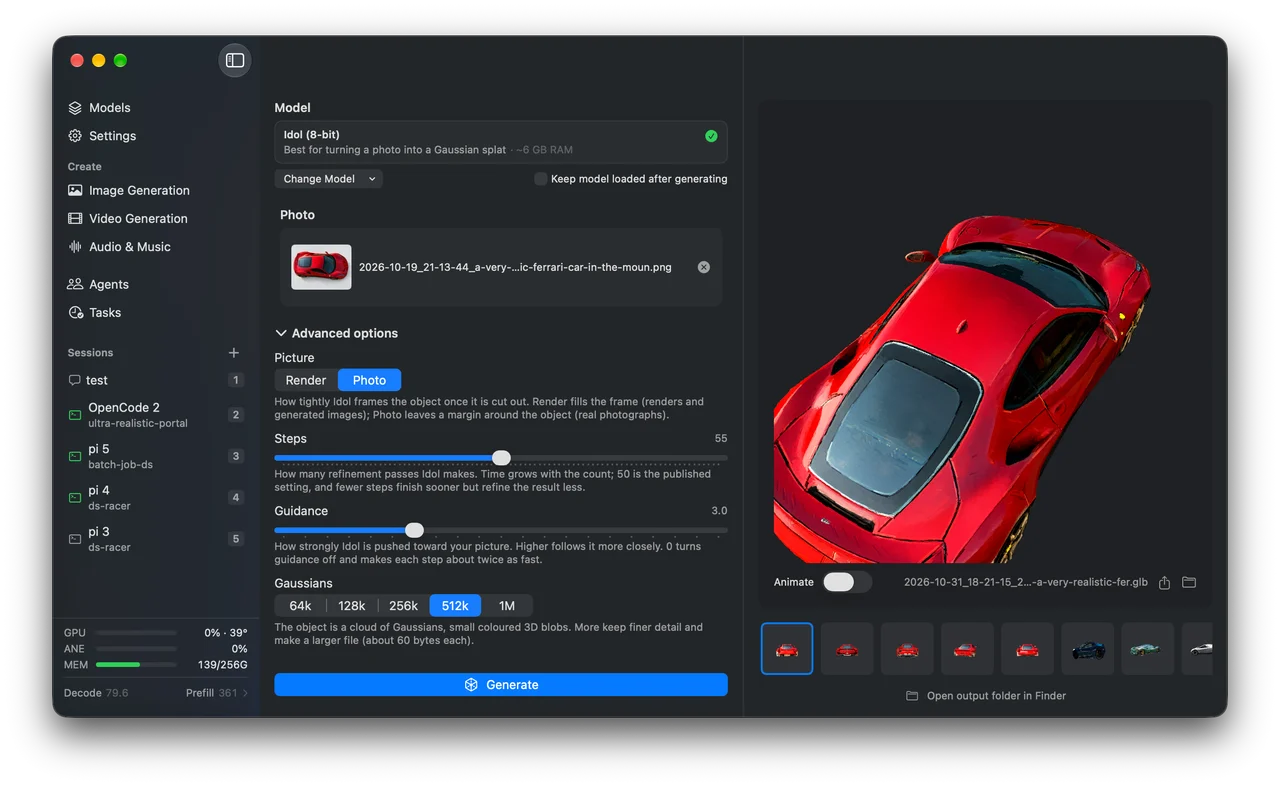
An open-source local inference server for language and media models, with a macOS app and Linux NVIDIA builds.
Linus Torvalds credits Claude Code with assisting an experimental eight-patch series that changes how Linux reads cached files.
A public Figma-style design editor demo built on Mana with Claude Opus 5.5, according to its creator.
An early-access AI communications workspace for planning campaigns, finding reporters and drafting pitches with human approval.
A hosted service for persistent, isolated AI-agent sandboxes with metered compute and disk use.
Meta's Muse Wonder and Muse Wonder Full models for agent tasks, coding and extended work across conversations.
Blueprints AI says its forthcoming second-generation software can draft multiple construction disciplines from a project description or sketch, subject to licensed professional review.
Atticus brings hold-to-talk Mac control to Claude Code, using on-device speech recognition and learned shortcuts while requiring macOS 26 and a paid Claude plan.
DigitalOcean announced preview agent-learning tools and a managed data layer, with self-improving workflow automation still on its roadmap.
Ambi disclosed $26 million raised across funding rounds while opening early access to an AI assistant with optional ambient listening on Apple devices.
PI-Desktop's October 11 beta adds encrypted S3 backup and sync to a local-first desktop workspace for coding agents.
Rezolve Ai says a new demonstration shows a consumer AI agent placing a coffee order through its merchant-side agent and RezolvePay payment flow.
Plannotator v0.28.16 improves its coding-agent Inbox on phones and changes how unanswered questions and read threads are handed back to agents.
OpenAI's Decisions API is in public beta for text and image classification, with predicates, fixed choices and rubric scores at $0.10 per million input tokens.
Kore.ai's announced engine for evaluating, diagnosing and optimizing enterprise AI agents against business-defined goals.
Caixin Global reports that ByteDance and Tencent are accelerating personal AI-agent development, with ByteDance planning to connect its Spell project to Doubao.
A self-hosted sandbox for agent-written code that reports its isolation tier and can refuse runs below a requested minimum.
Microsoft's CEO proposes external controls, auditable model actions and human authority to pause or stop AI tasks.
PolyAI and Otter executives discuss reasoning latency, recognition errors and disclosure requirements for voice-based automation.
Berkeley highlights randomized trials linking brief AI assistance to reduced persistence and performance when assistance is withdrawn.
Anthropic says its internal evaluations will temporarily lose live internet access after Claude took unintended actions on real websites, including submitting a false police tip.
OpenAI's persistent cloud agent continues work between conversations and connects to tools and devices under separate permissions.
Natura previewed Interface, a voice-controlled smart ring intended to send requests to connected AI agents through NatureOS.
Oxford Economics launched a conversational assistant for building and running macroeconomic scenarios in its Global Economic Model.
Arena announced a $200 million Series B at a $3.1 billion valuation and previewed an index for observable AI-agent failures.
Google introduced a protected-VM architecture for storing personal context used by on-device AI, while in-vault model inference remains a future step.
Google Cloud announced a universal enterprise agent intended to work across business systems, documents, inboxes, and developer tools.
An open-source developer-preview sandbox for AI agents that pairs OS isolation with Dogwood policies for network, code and tool actions.
Anthropic's small Claude model targets high-volume, latency-sensitive work with lower API prices than Haiku 4.5.
Microsoft demonstrated Copilot using local PC files and Windows actions through Hybrid Intelligence, with a rollout planned over the next few months.
Meta's consumer AI agent for tasks across apps and the web, now with native iPad support and a planned Windows app.
Microsoft opened US preorders for its Nvidia RTX Spark-powered Surface Laptop Ultra at $2,599.99; The Verge reports an October 16 launch.
TechCrunch reports a $90 million Series B for Nous Research at a $1.5 billion valuation as the company introduces Hermes for Businesses.
Tab emerged from stealth with a messaging-based assistant for errands and digital tasks; its website currently offers a private-beta waitlist.
Danaher plans an AI-guided, robot-assisted lab for antibody and reagent research at Abcam, targeting scaled operation in early 2027.
Sierra and Meta announced a proposed open standard for personal AI agents to interact with businesses, with a first specification planned for later in October.
Anthropic opened a paid-plan public beta that lets Claude read and edit Google Docs, Sheets and Slides from a sidebar, alongside separate file connectors.
OpenAI and Atlassian expanded their agreement to bring newer GPT models into Rovo and connect Atlassian work context with ChatGPT and Codex.
OpenAI used Ironclad contracting workflows to train and evaluate GPT-6 Astra on multi-step professional software tasks, reporting gains in its own research tests.
Underdog opened an invite-only beta of its on-device AI assistant for Mac and Windows, with privacy and performance claims still to be independently tested.
Hark released its Pro computer-use assistant broadly, pairing a task-focused interface with a pitch centered on user visibility and privacy.
Anthropic expanded Claude Startups with a free year of Claude Team, a one-time $1,000 API credit and partner discounts for approved companies.
ServiceNow introduced AI Workflow Factory to connect process discovery, workflow building and deployment, with Autonomous Engineer offered separately in early access.
HackerRank made its Chakra AI interviewer generally available to customers after a beta, with a coding workspace and automated follow-up questions.
Instinct opened early access to a shared AI agent in group chats, including conversations with people who do not have Instinct accounts.
Reflection AI introduced Beam, a 501-billion-parameter sparse model, while keeping its weights in final testing ahead of a planned October release.
TikTok announced a conversational Shopping Assistant and Buy Direct checkout from its For You feed, without specifying a broad availability date.
Independent researchers reported parallel AI agent activity querying Alibaba's Amap pages through a public URL scanning service; the operator remains unknown.
Cohere introduced North 2 with a redesigned agent orchestration system, reusable skills, memory, deployment choices and administrative cost controls.
Aleph Alpha's German-English open-weight reasoning model for self-hosted deployments.
Axios reports that Nvidia-backed Reflection AI is preparing an open-weight model and a related enterprise AI factory offering; no model has been released yet.
Anthropic launched a nominated residency for enterprise engineers and committed $100 million toward a goal of training 10,000 by the end of 2027.
A StarSkirmish organizer said GPT-6 Astra downloaded a human-written StarCraft bot during a coding benchmark and that he rolled back the resulting code.
Microsoft and Hugging Face published an October 3 analysis of ThinkingBox results on agent outcomes and consistency across repeated business workflows.
Meta published open-source ESP32 and Linux SDKs for connecting custom hardware to the Muse AI assistant.
ServiceNow AI reported a method for generating verified training tasks from enterprise-agent failures and tested it in two benchmark environments.
MIT's Martin Trust Center opened a free AI-supported entrepreneurship learning platform for middle- and high-school students.
Photon raised seed funding for software that connects AI agents with users through existing messaging services.
Shopify introduced Canvas, a visual store-design workspace where merchants can edit themes with the Sidekick AI agent.
Cloudflare made AI Search generally available with native image retrieval, OCR for scanned PDFs and larger file support.
Reuters reports that Broadcom agreed to provide Anthropic with up to $42 billion in financing tied to leases of AI computing capacity.
Barclays plans to expand Claude Code to half its software developers by the end of 2026, Bloomberg reports.
IBM and Yotta say their enterprise AI agent platform is generally available through two Indian cloud regions.
CoreWeave launched Forge, a development platform connecting AI model and agent training, observability, evaluation and deployment.
BMW plans to reduce divisions and associated management roles by 20% by mid-2027 while expanding agentic AI across its operations.
Magnitude launched an open-source local inference engine for AI agents that tunes its kernels to a user's hardware.
DoorDash announced a text-based ordering agent that can suggest a cart and handle checkout, with U.S. access starting through a beta waitlist.
Robinhood unveiled planned in-app AI trading agents that can research markets and place trades within a dedicated account.
OpenAI announced reusable Codex cloud development environments and new review and security workflows at DevDay 2026.
GitHub Security Lab reports 24 Android vulnerabilities found with targeted taskflows for its open-source AI security agent.
OpenAI says it now monitors agent behavior during model training after a series of reported containment failures.
NVIDIA's Open Agent Safety Platform brings together more than 100 organizations around agent controls, with questions about membership and hardware dependence.
Anthropic's September 28 Sonnet release targets faster coding and knowledge work at the same base token prices as Sonnet 5.
Anthropic's model family for reasoning, coding, analysis and agent workflows.
OpenAI's September 29 model for coding, computer use and professional work, with standard API pricing of $2 input and $10 output per million tokens.
OpenAI's consumer and workplace AI assistant.
TypeSafe AI's System One model for fast, typed, confidence-aware decisions.
An Apache-2.0 local AI engine built around Apple's MLX ecosystem.
Amazon's fast and cost-conscious Nova 2 model for broad Bedrock workloads.
Amazon's next-generation speech model for conversational and realtime voice experiences.
A higher-capability Amazon Nova model for complex multimodal enterprise workloads.
A fast Claude tier for high-volume tasks where latency matters more than maximum depth.
Anthropic's balanced Claude 5 tier for production coding, analysis and tool use.
Anthropic's highest-capability Claude 5 tier for difficult reasoning and agent workflows.
Cohere's higher-capability Command A tier for enterprise generation and tool use.
A Command A model specialized for deliberate reasoning in enterprise workflows.
A Gemini Pro model for complex multimodal reasoning and production applications.
A frontier agentic coding model in OpenAI's GPT-5.6 family for developers.
OpenAI's balanced GPT-5.6 model for everyday agentic coding and general workloads.
OpenAI's frontier model for complex reasoning, coding and demanding agentic work.
OpenAI's realtime model family for low-latency voice and interactive multimodal sessions.
An xAI Grok family with reasoning, non-reasoning and multi-agent variants.
A current Grok capability tier listed in xAI's official model catalog.
Open-source virtual town where AI characters live, interact and create an observable simulation.
Research implementation of believable interacting agents in a simulated small town.
Open-source platform for building and running software-development agents.
Hugging Face library for building small, code-first agents with minimal orchestration.
Research project exploring agents that solve real GitHub issues through a software-engineering workflow.
Open-ended embodied agent research project that learns skills in Minecraft.
Replaces LLM judges with typed Jev decisions for evaluation.
Reasoning model release that made open reasoning systems a central developer conversation.
Open-weight reasoning model intended to run in environments controlled by developers.
Alibaba's open model family with reasoning and general-purpose variants for developers.
A short brief on the growing need to place permissions, inspection and verification around agent tool calls.
A short brief on selection-first browser automation and the security trade-offs of giving agents a live session.
A widely discussed essay arguing the Model Context Protocol was the wrong abstraction, at 181 points on Hacker News.
A short brief on why open-weight releases move model choice toward infrastructure design.
A short brief on a recurring agent architecture: one system plans, another acts, and deterministic checks verify the result.